Successfully copied to clipboard!
Sand Cat
Uncover the small desert hunters who thrive in golden sands!
Let’s Explore
Overview
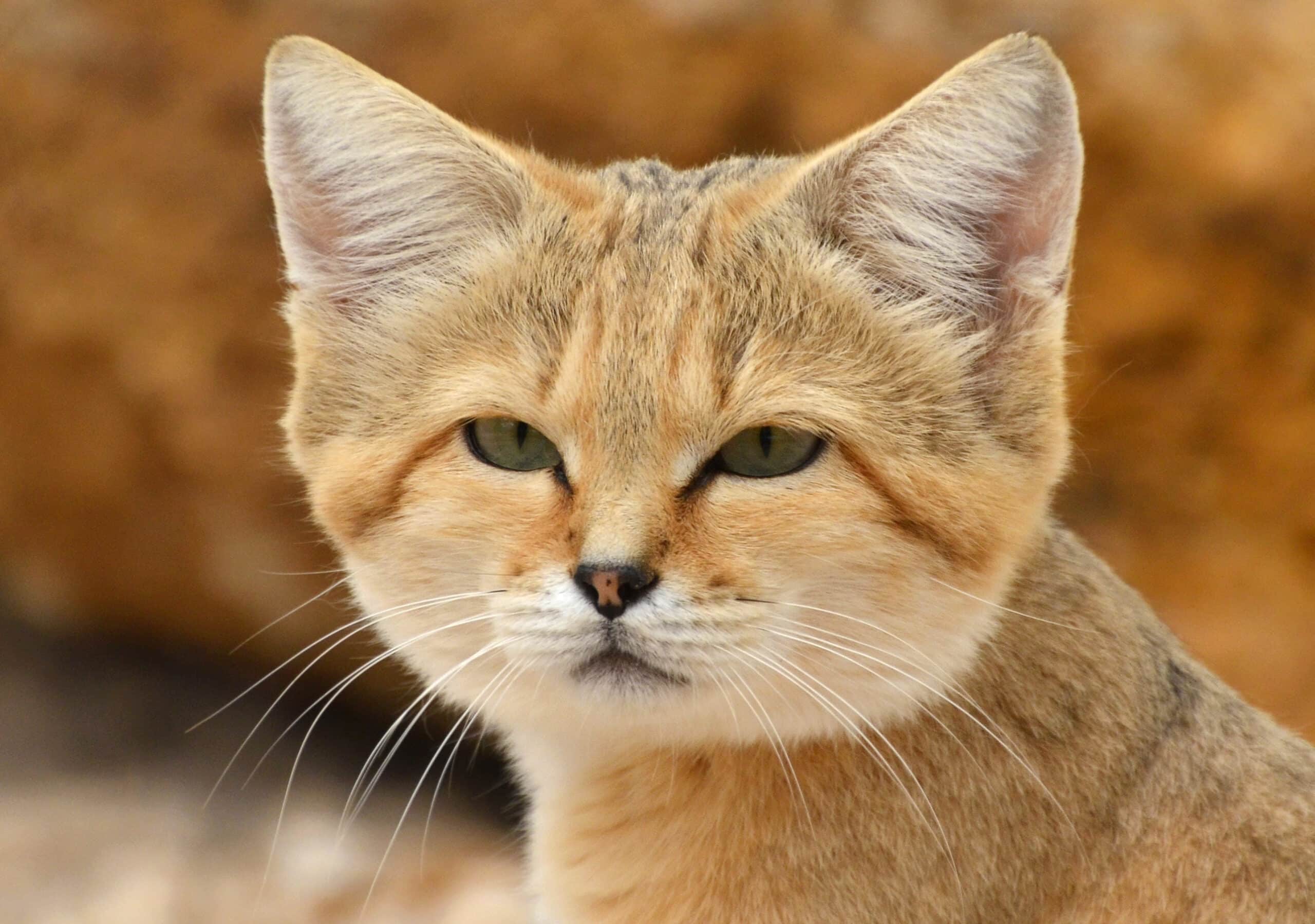
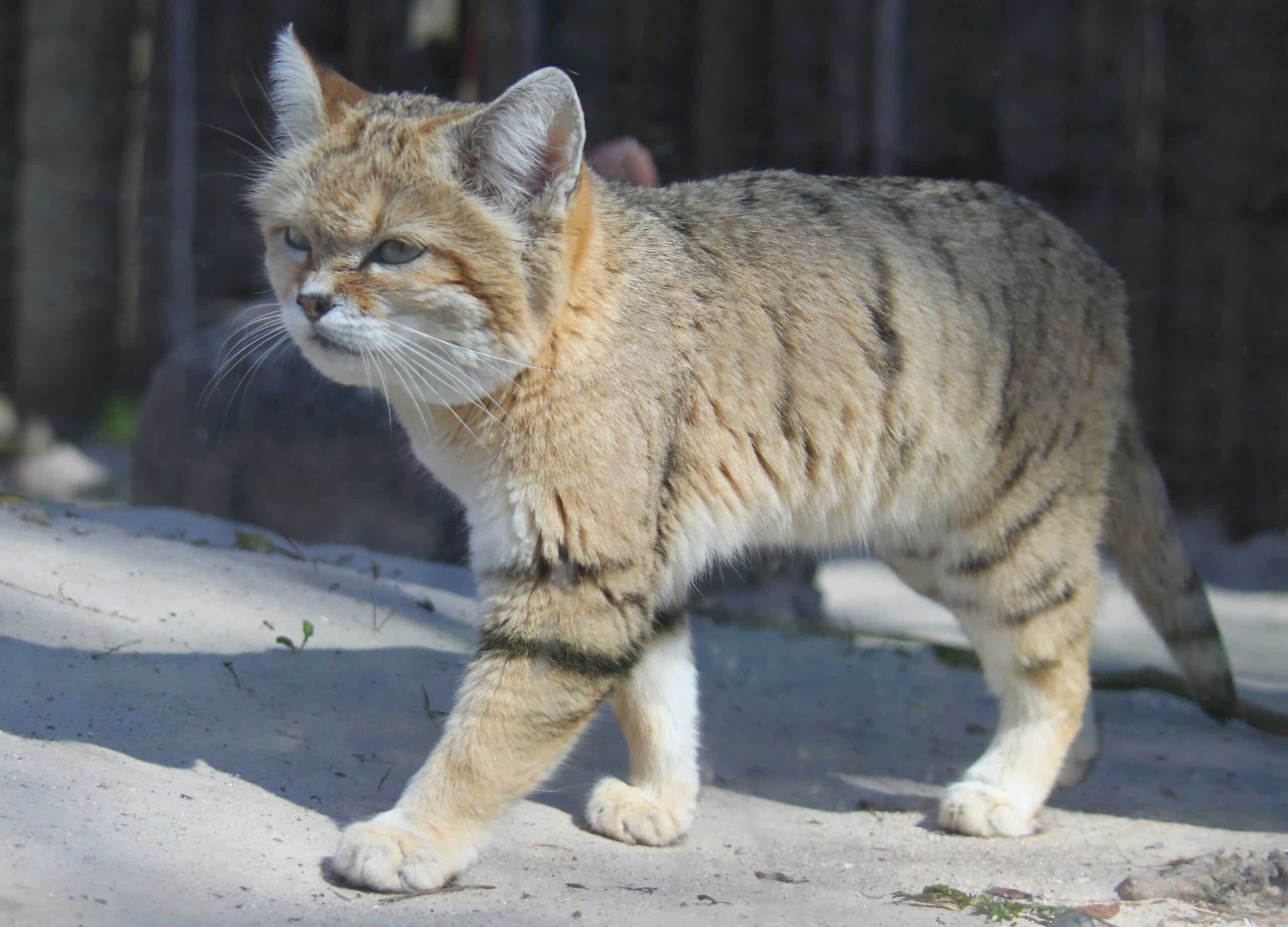
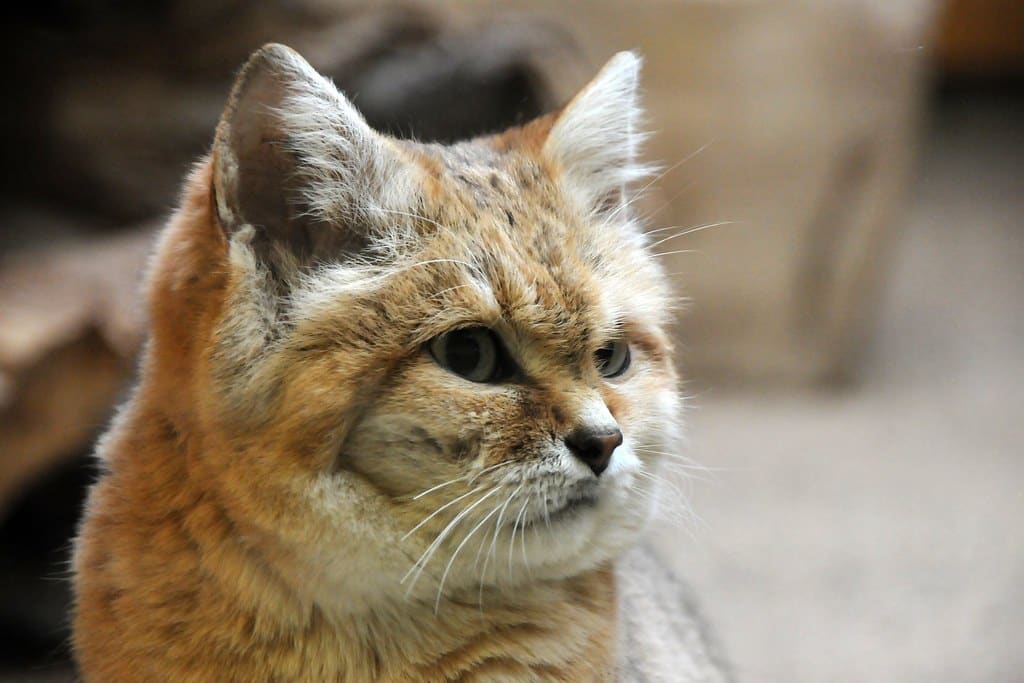
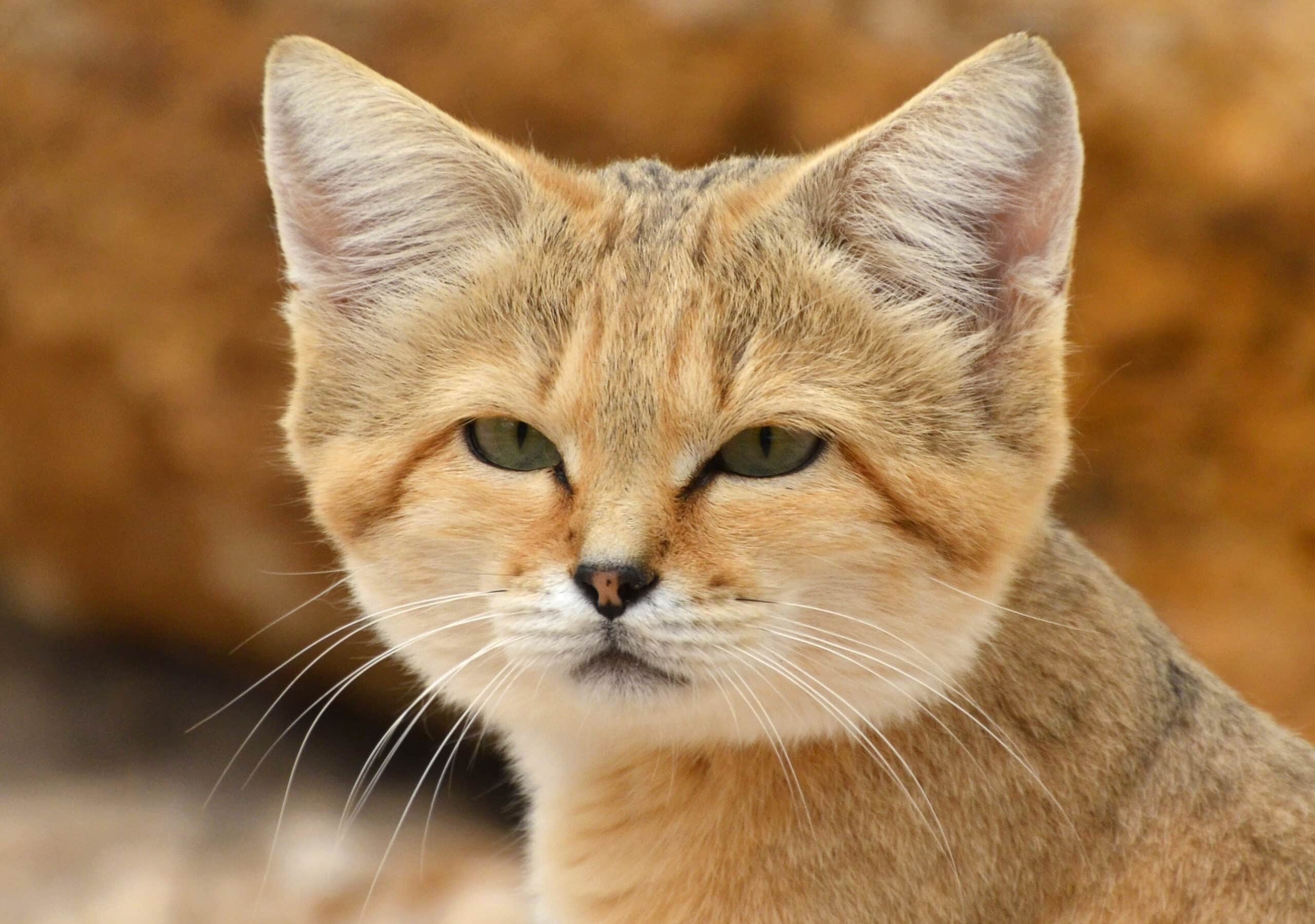
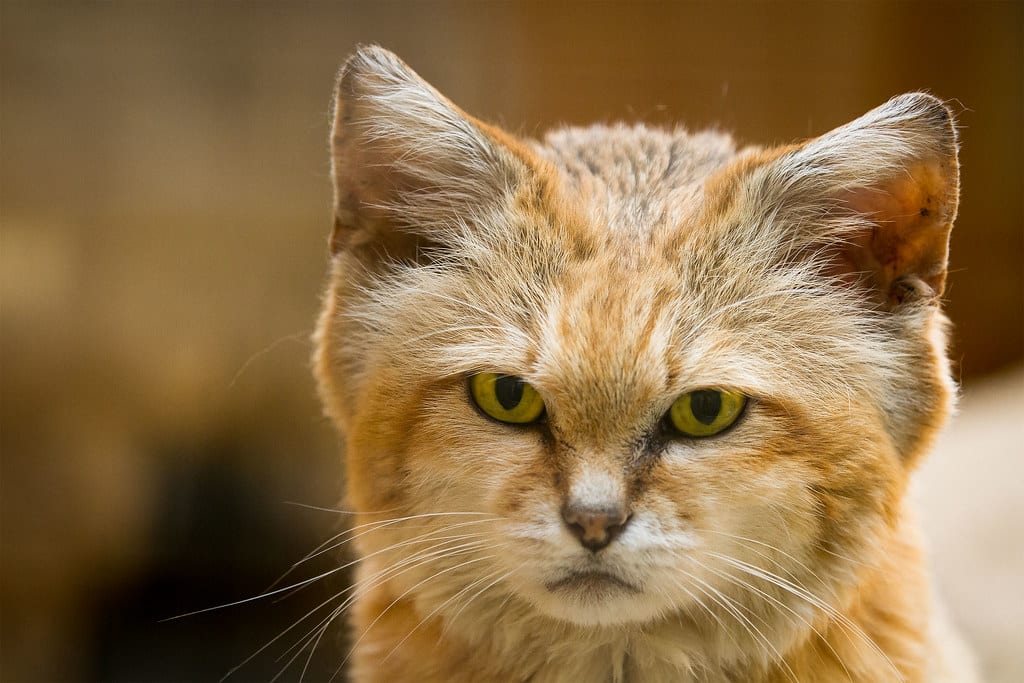
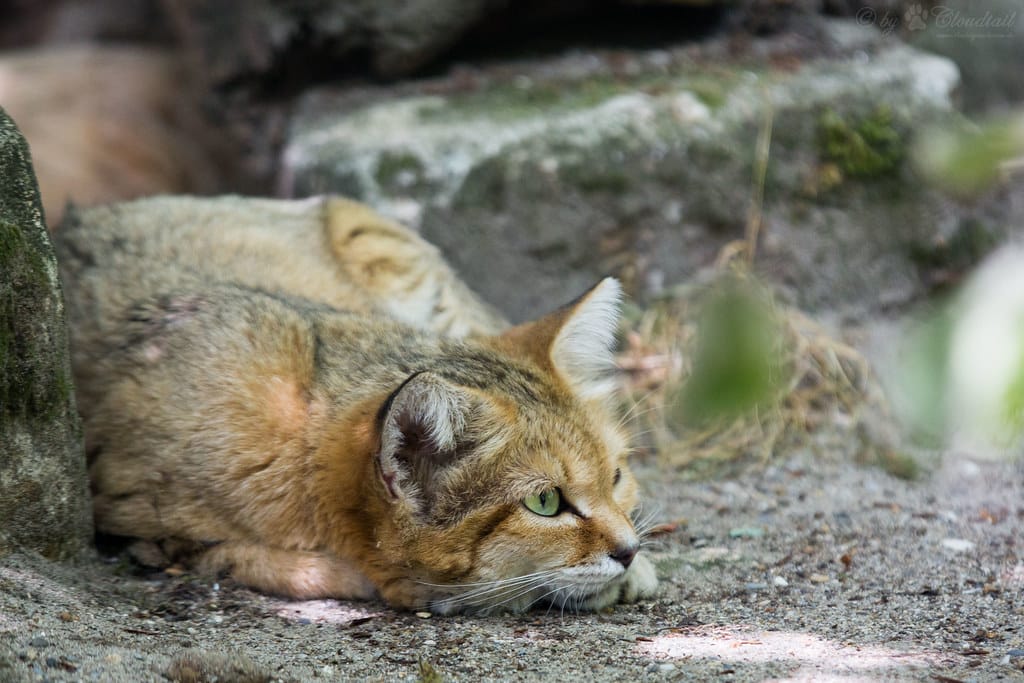
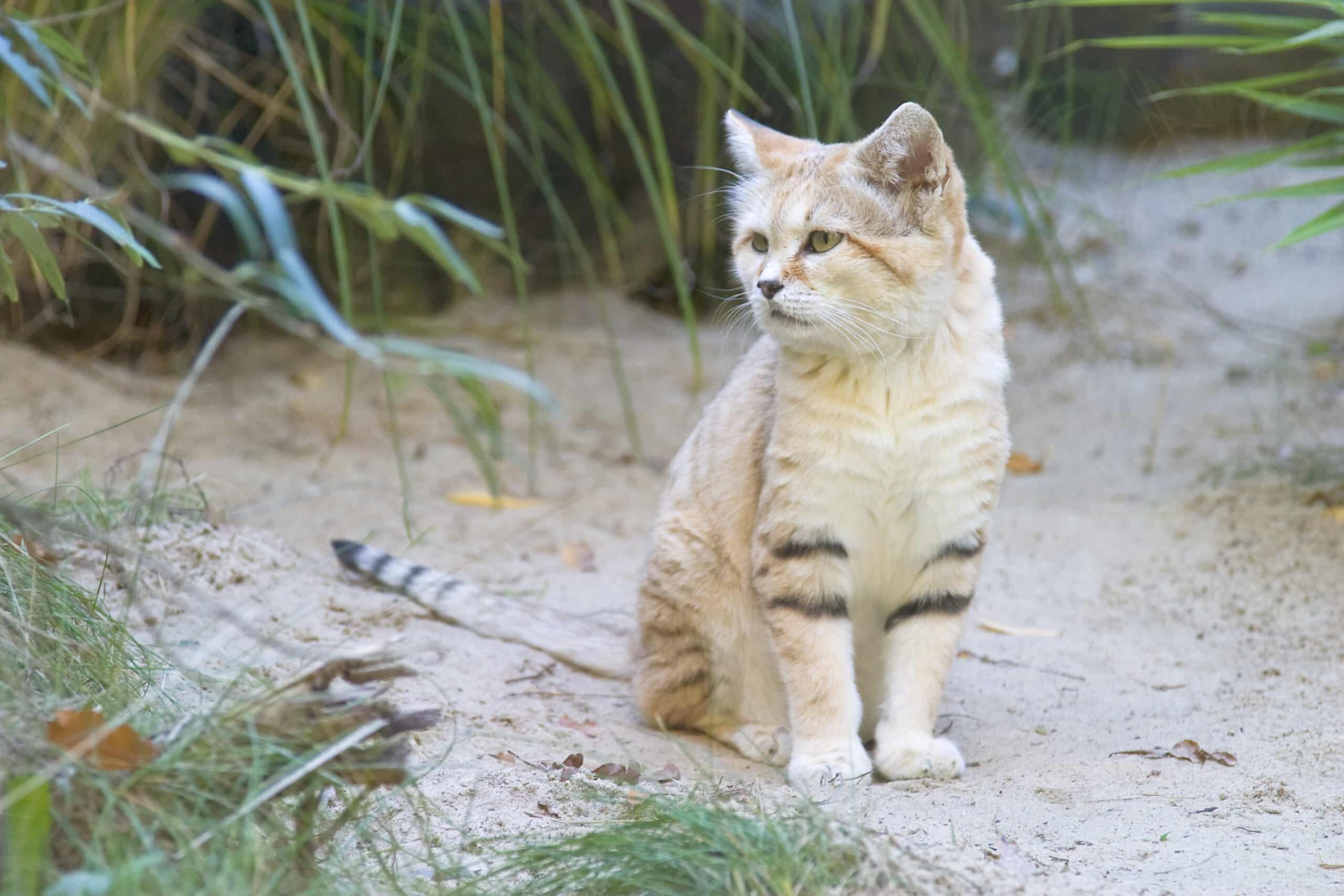
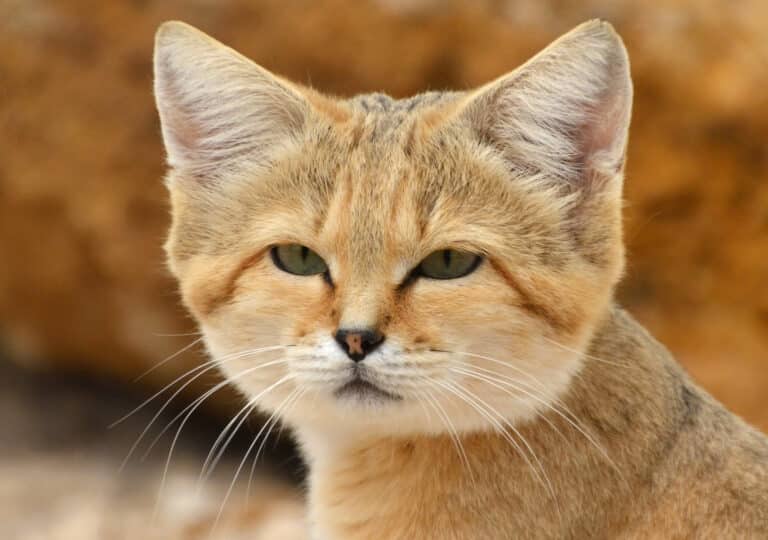
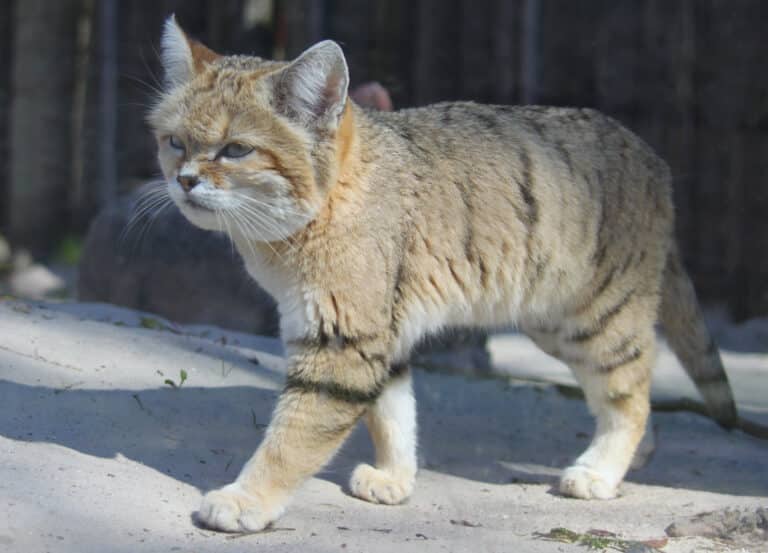
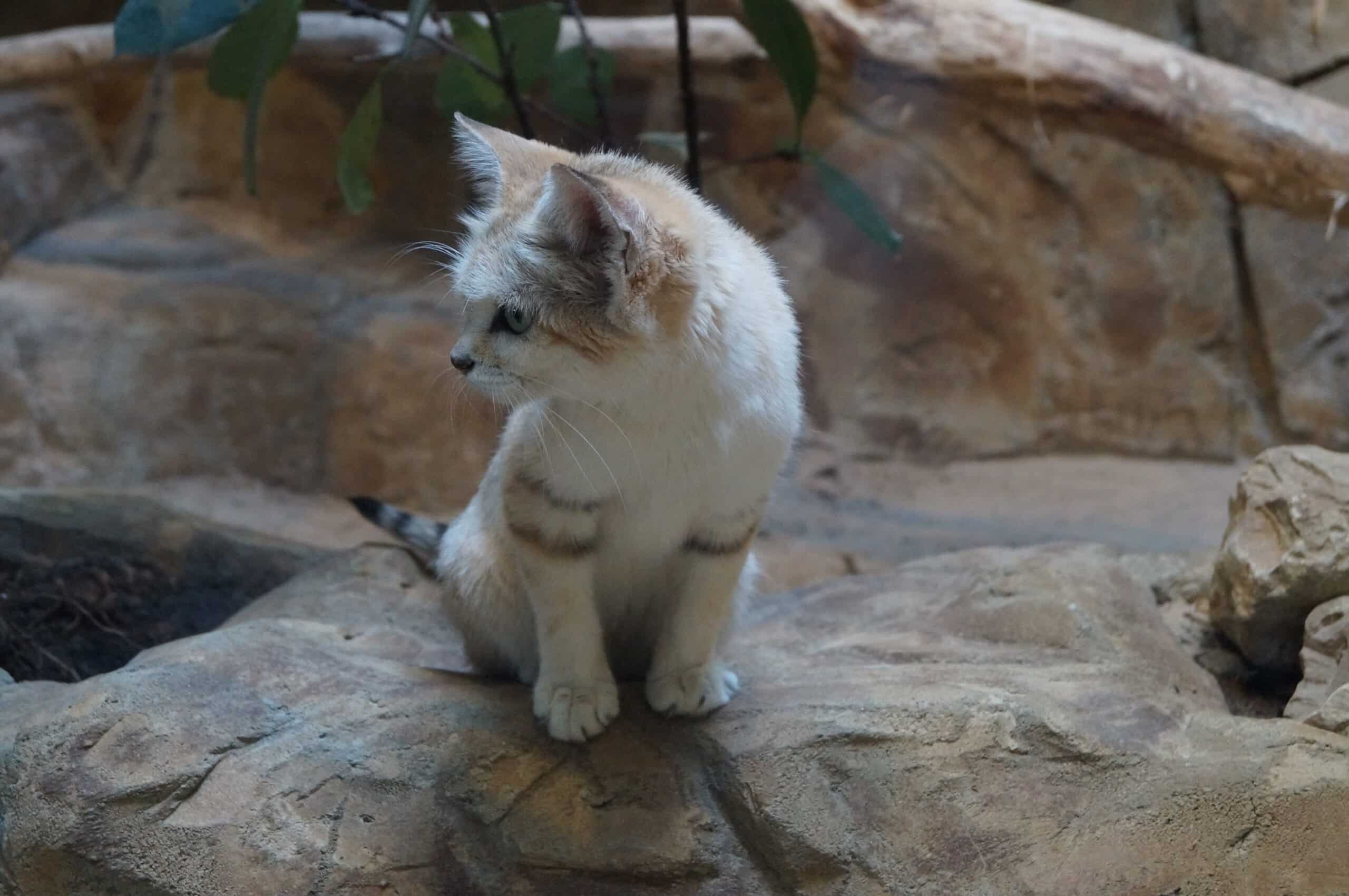
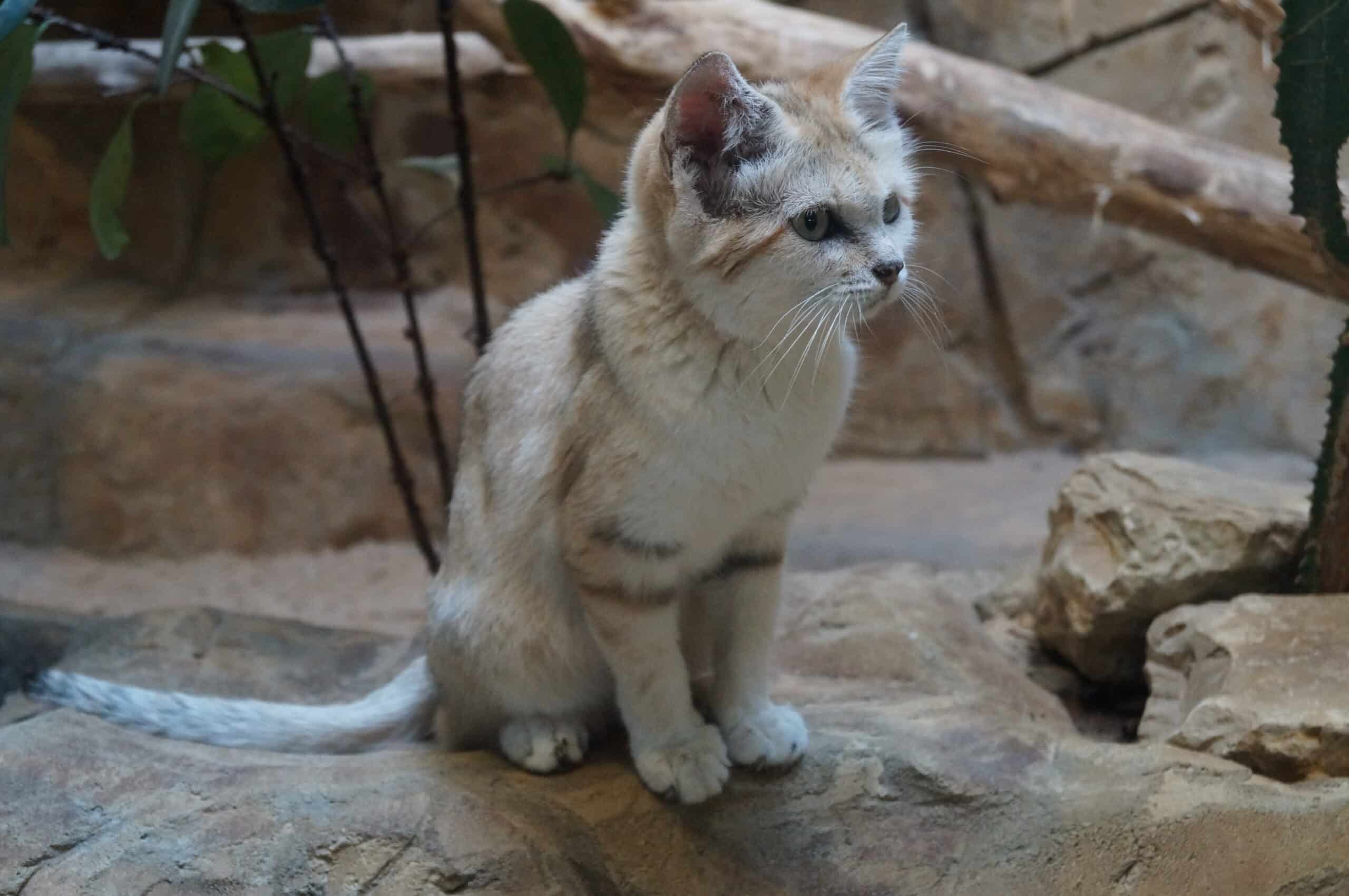
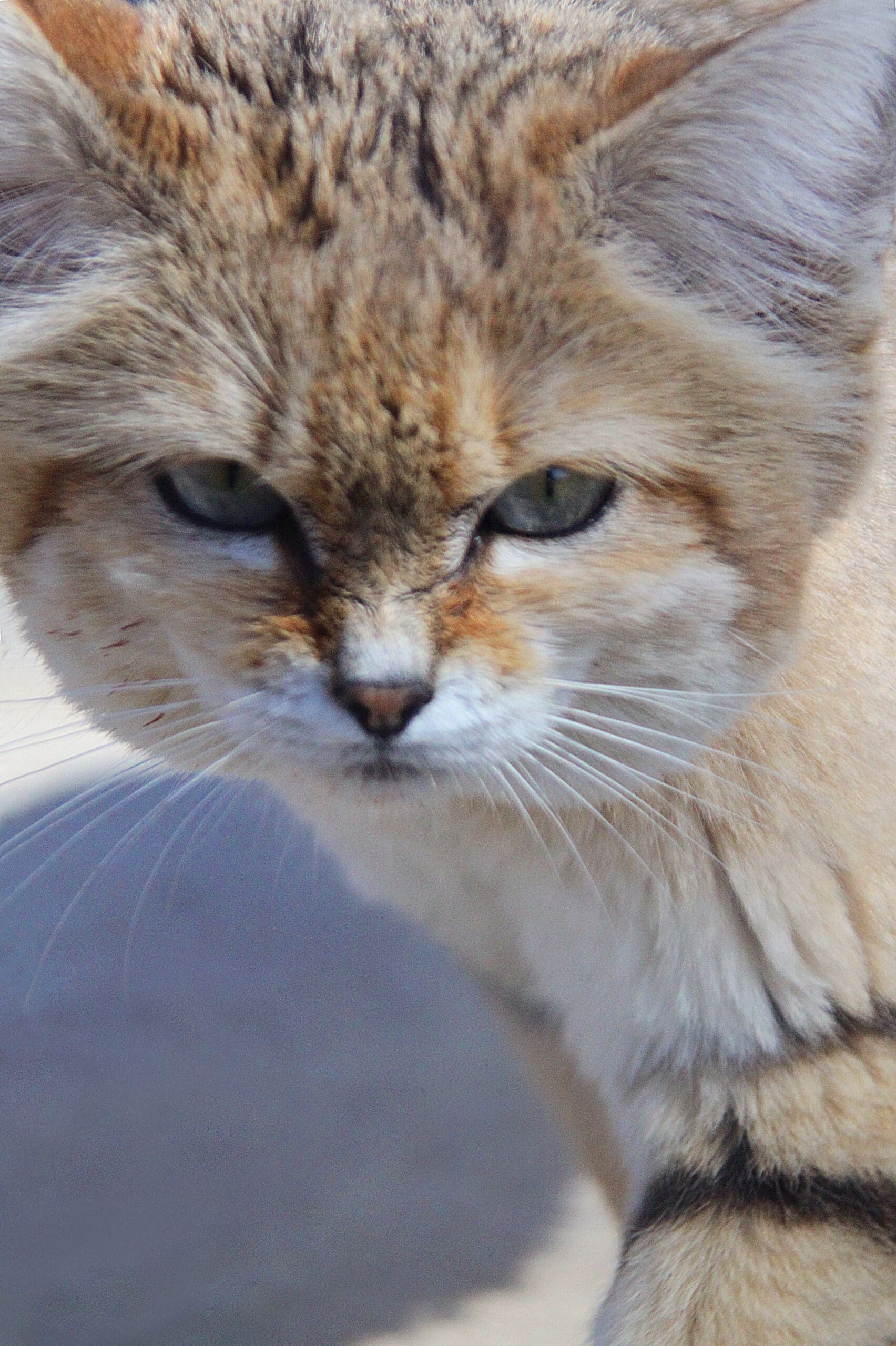
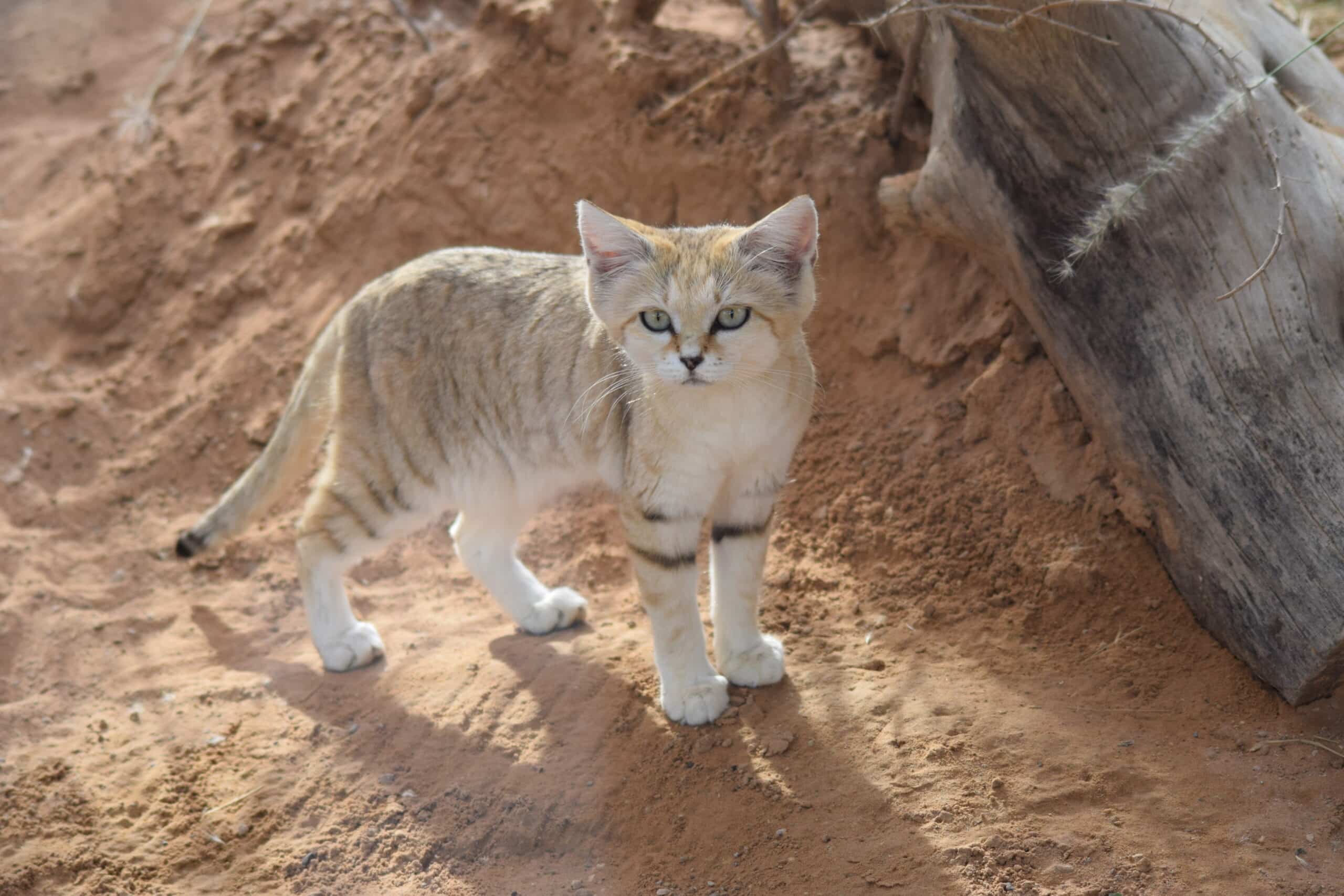
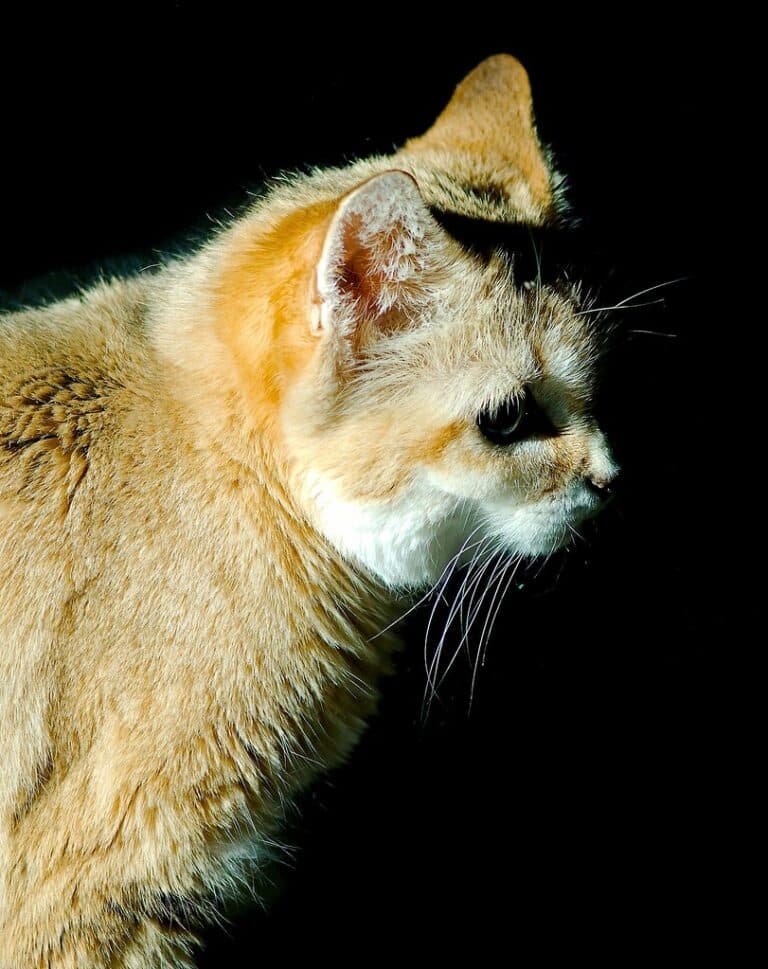
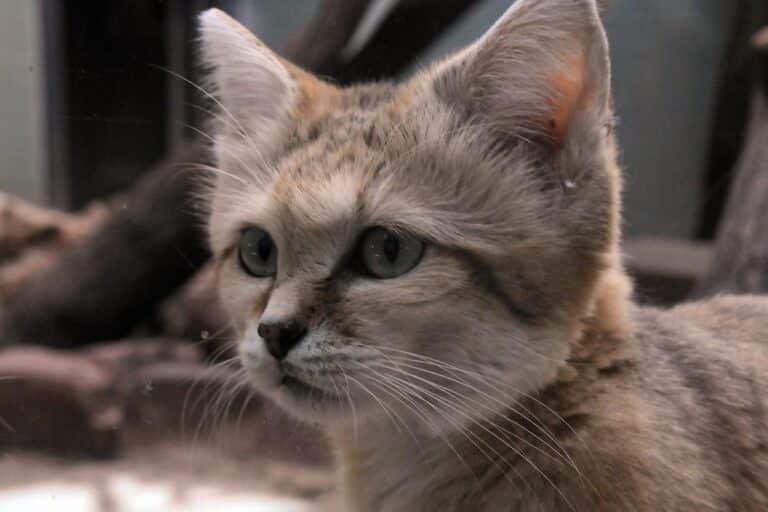
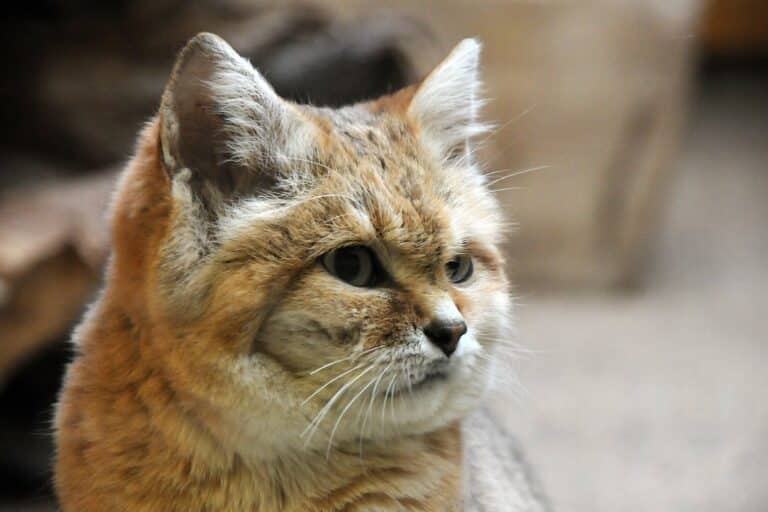
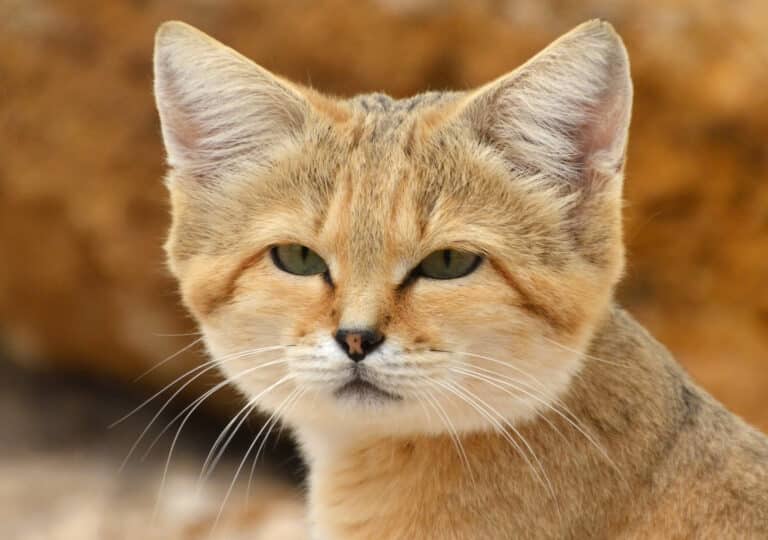
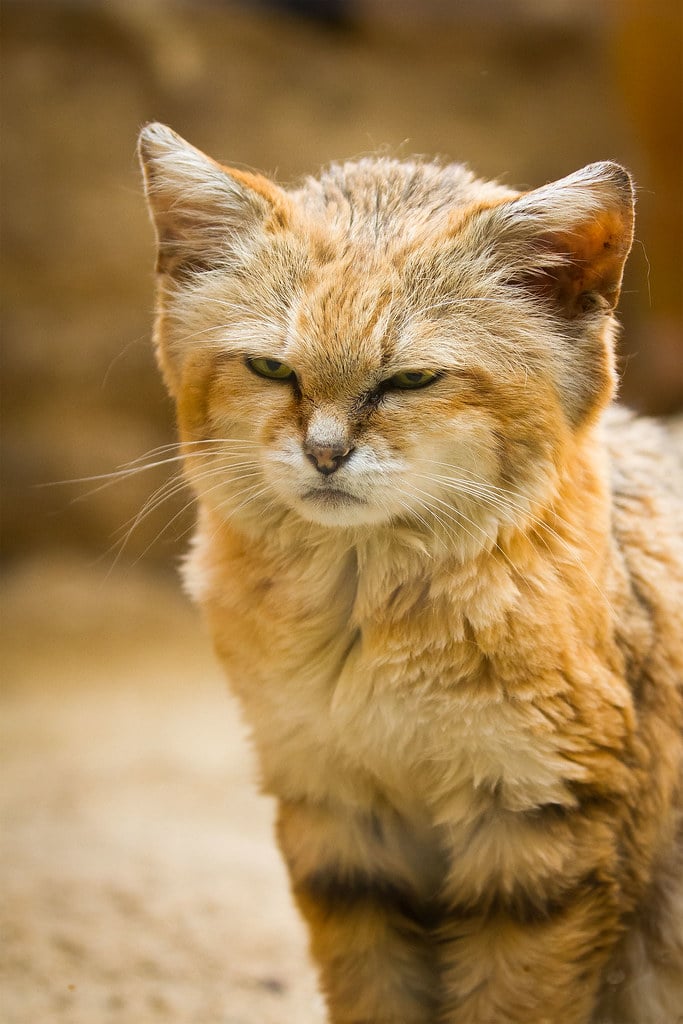
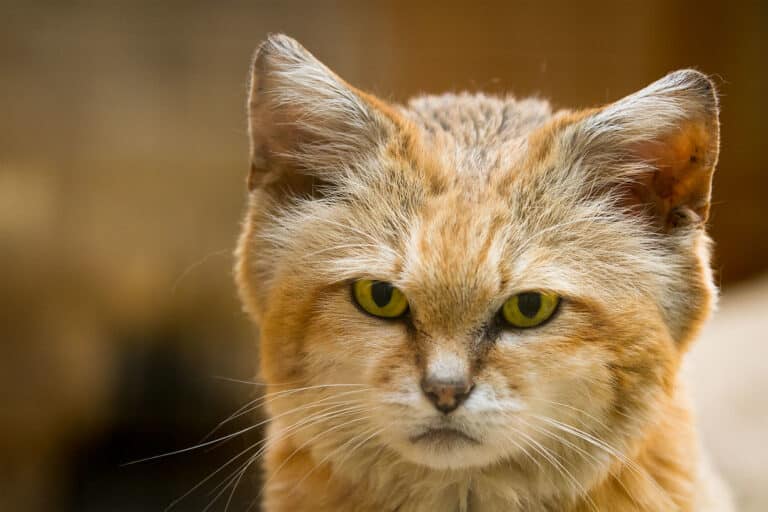
The Sand Cat is a small and adventurous feline that roams the sandy deserts of Africa. With a body length of about 16 to 20 inches, these little warriors show that size does not determine courage!
These clever cats belong to the Felidae family and have adapted perfectly to their arid homes. Their thick fur protects them from the heat of the sun and keeps them cozy during chilly desert nights.
Sand Cats are skilled hunters. They enjoy munching on a diet of rodents, birds, and even reptiles. Watch out, desert creatures, because these cats can pounce with grace and precision!
With a lifespan of 13 to 14 years, Sand Cats live quite a long time for their small size. They navigate their surroundings with sharp senses, thanks to their excellent hearing and keen eyesight.
Unlike many other wild cats, Sand Cats are not known to roar. Instead, they produce adorable sounds like meows and chirps to communicate with one another. You could say they are the cute chatters of the desert!
These fantastic felines love to dig lush burrows in the sand to stay safe from the blazing sun. Sand Cats really know how to stay cool in the desert while making their fabulous habitat feel like home.
So next time you think about the wild wonders of the desert, remember the Sand Cat, a tiny adventurer full of surprises and feline finesse!

Where can you find a Sand Cat in the wild?
What does a Sand Cat eat?
How big can a Sand Cat grow?
How long does a Sand Cat typically live?
What is the conservation status of the Sand Cat?
What are the main threats to the Sand Cat?
Fun facts
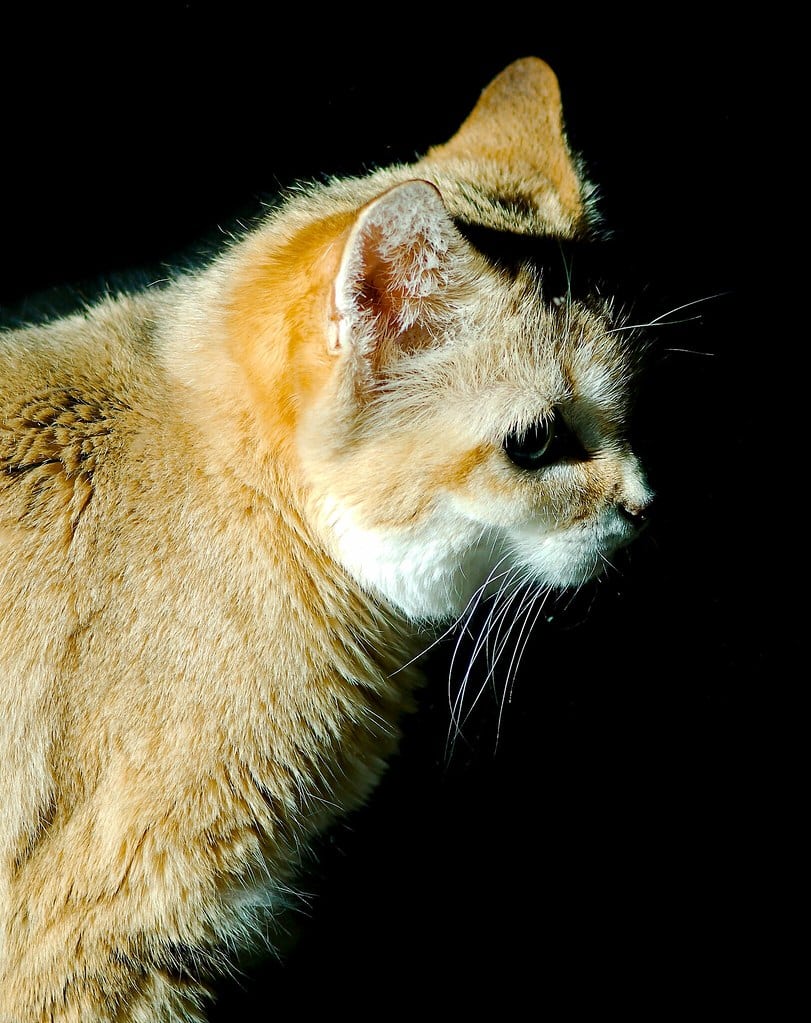
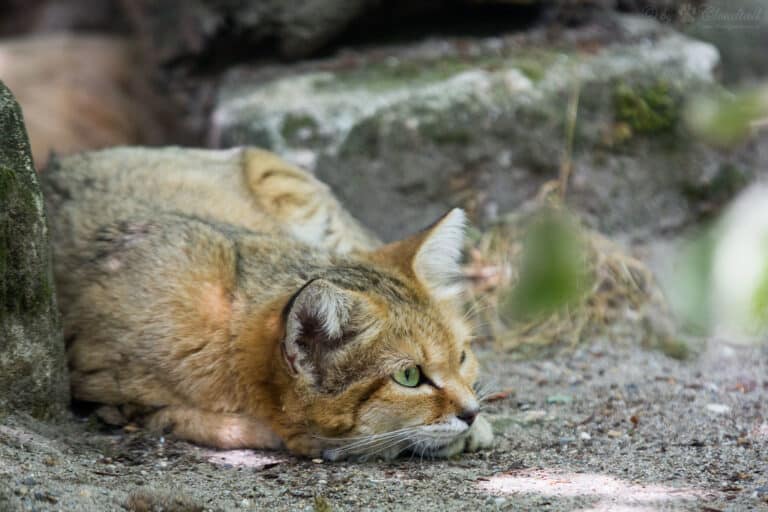
Sand Cats are masters of camouflage. Their sandy coats blend seamlessly with their desert surroundings, allowing them to hide from both prey and predators.


These amazing hunters can survive without drinking water! They get all the moisture they need from their food, allowing them to thrive in dry desert conditions.
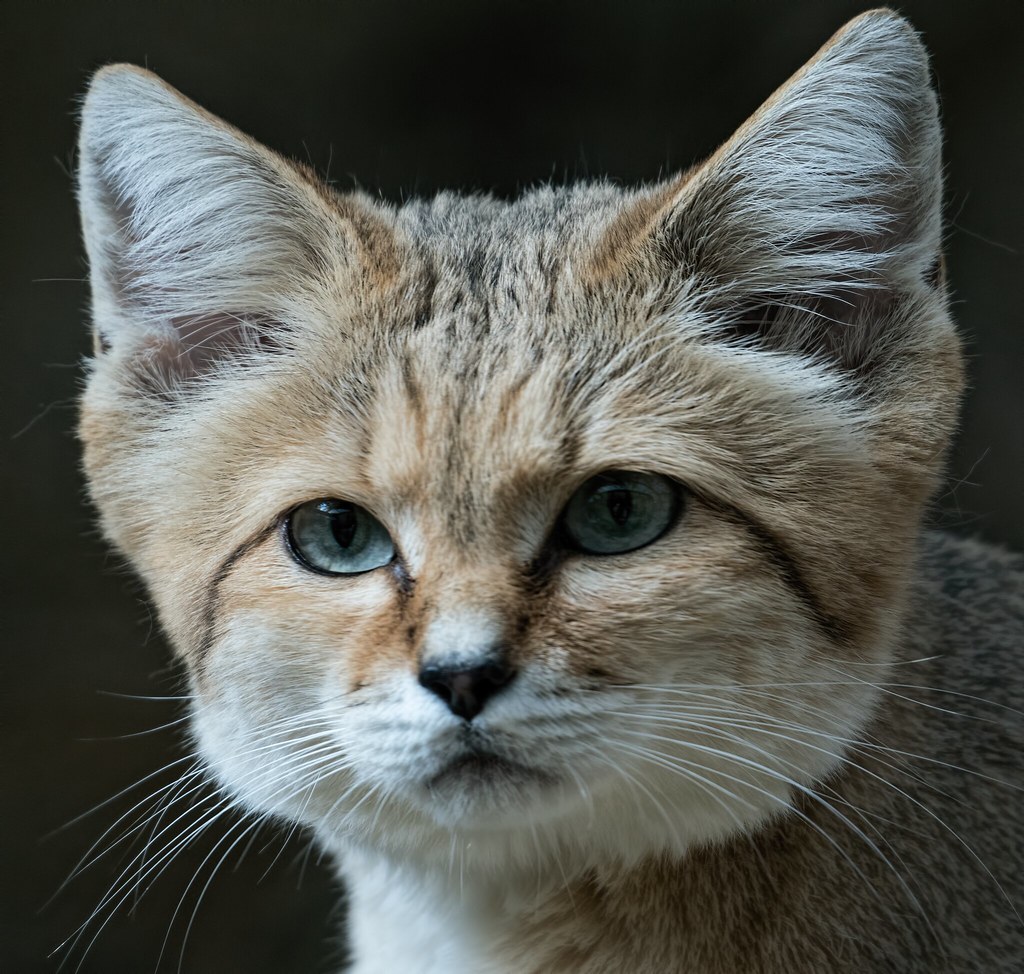
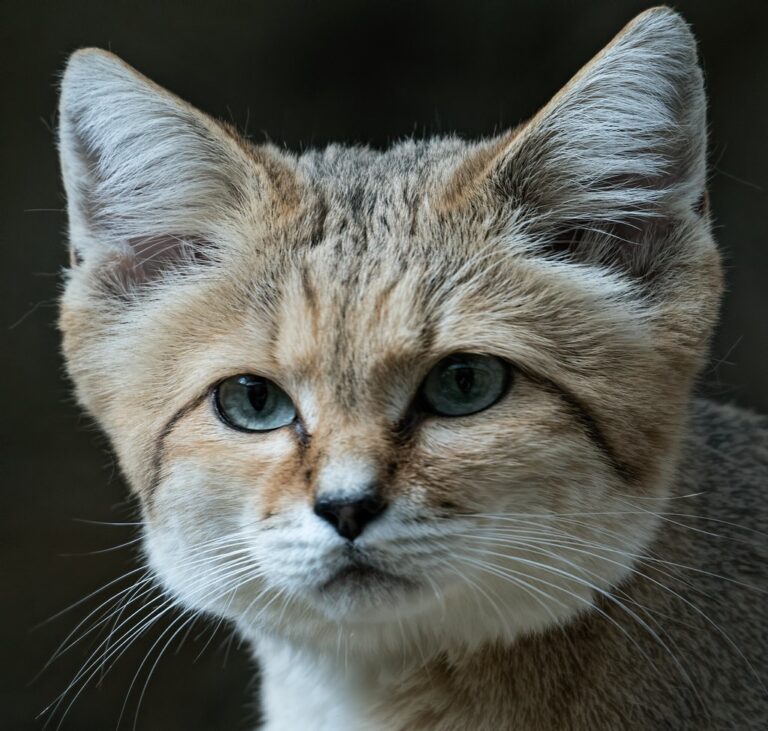
Sand Cats can hear sounds from over 100 meters away, like tiny rodents rustling in the sand. Their sharp ears help them locate prey even in the quietest of environments.
Unlike most cats, Sand Cats love to dig! They create cozy burrows in the sand to escape the heat, much like fuzzy desert homes.
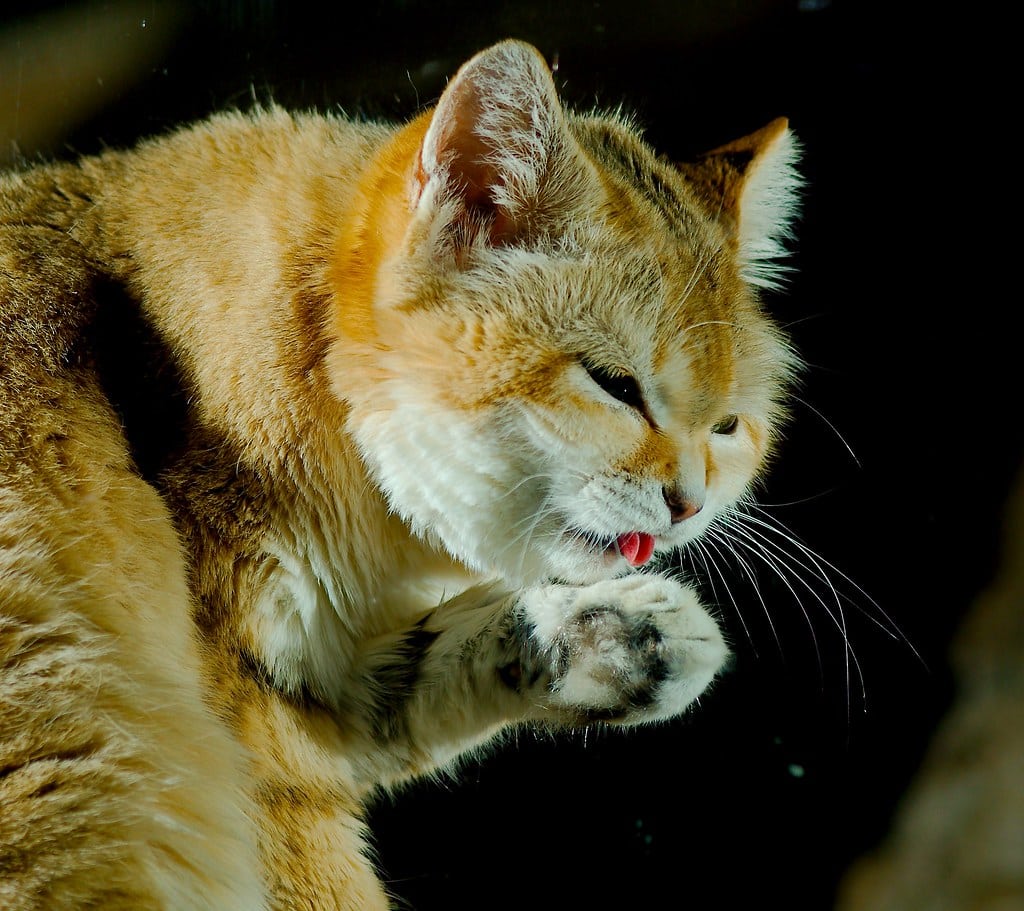
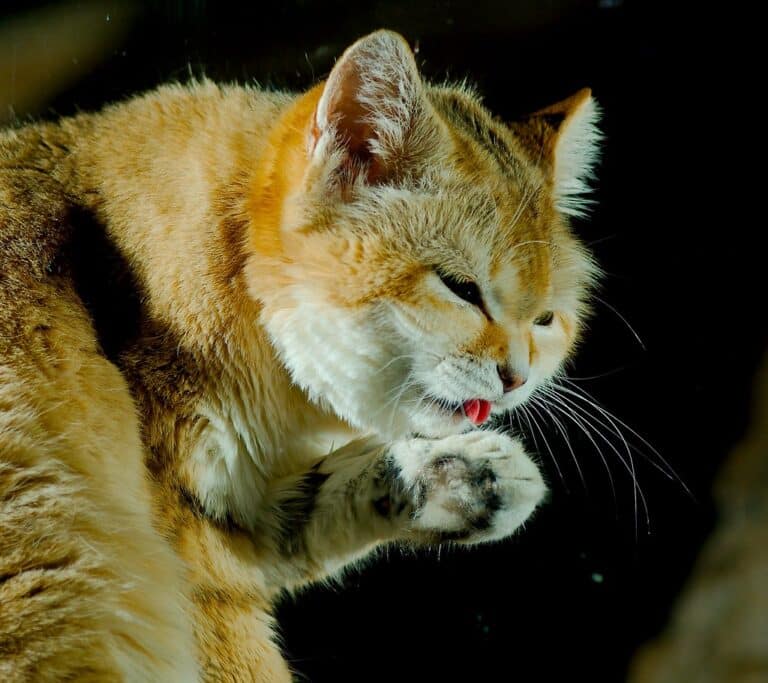
To keep their furry paws comfortable in the hot sand, Sand Cats have furry foot pads. These fluffy slippers protect their feet from the scorching ground.
Sand Cats have unique sounds. Instead of roaring, they meow and even chirp to communicate, making them the chatty cats of the desert.
During hunting, Sand Cats can leap up to five times their body length! That means they can jump impressively far to catch quick-moving prey.
When Sand Cats feel threatened, they flair up their fur and puff themselves up to look bigger, showcasing their clever side in a kind of feline dance.
To stay cool, Sand Cats hunt mostly at night. They are nocturnal, meaning they are most active when the sun sets, making them masters of moonlit adventures.
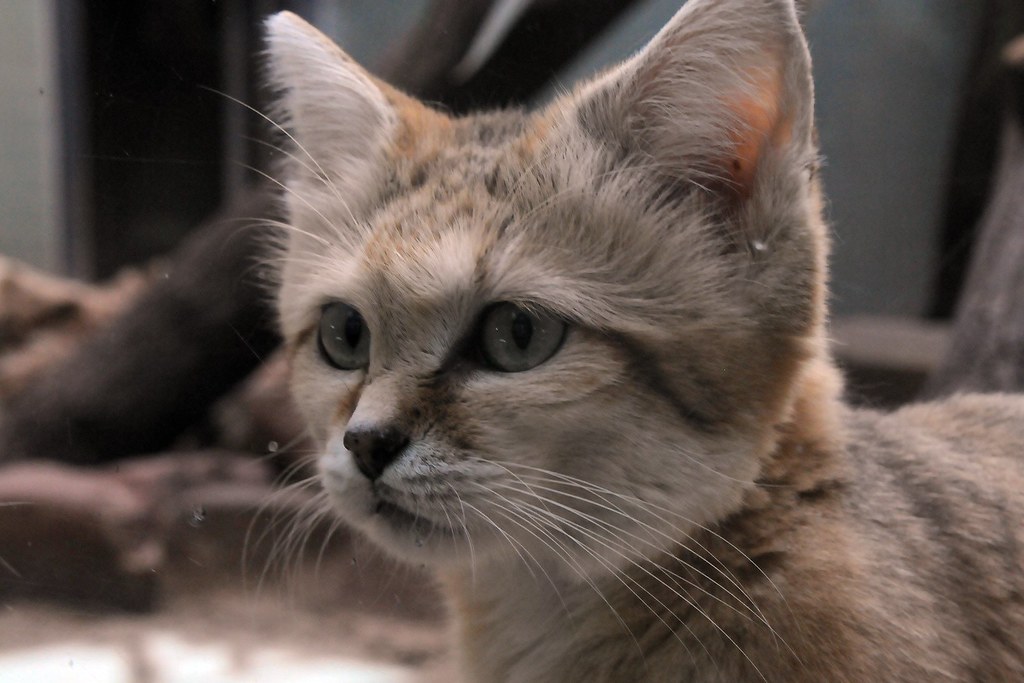
Their whiskers are not just for show; they help Sand Cats sense their surroundings! These long hairs catch the slightest breeze, alerting them to any nearby movement.
Photos




The Basics


explore more
Amphibians
Arachnids
Birds
Cats
Crustaceans
Fish
Fish Pet Guide
Gastropods
Insects
Invertebrates
Mammals
Pet Fish
Pet Rodents
Plants
Reptiles
Roundworms
Sea Slugs