Successfully copied to clipboard!
Sandpiper
Experience the lively world of tiny, energetic shoreline dancers!
Let’s Explore
Overview
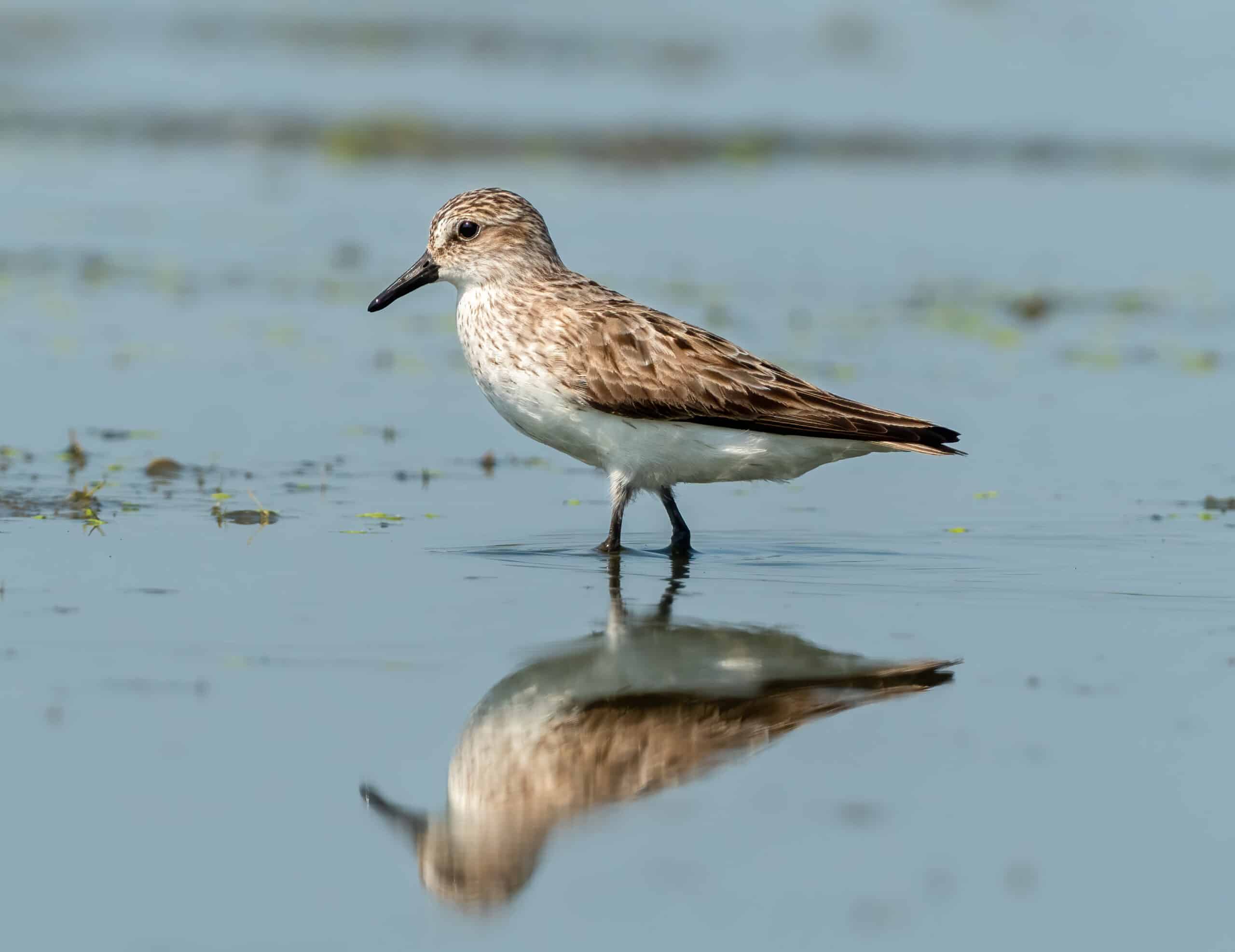
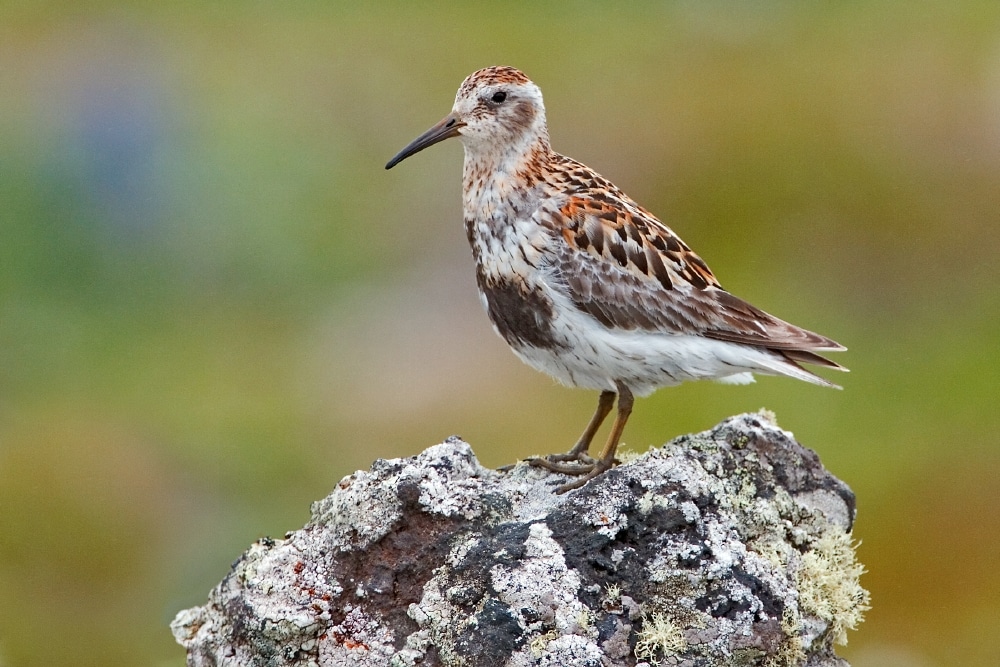
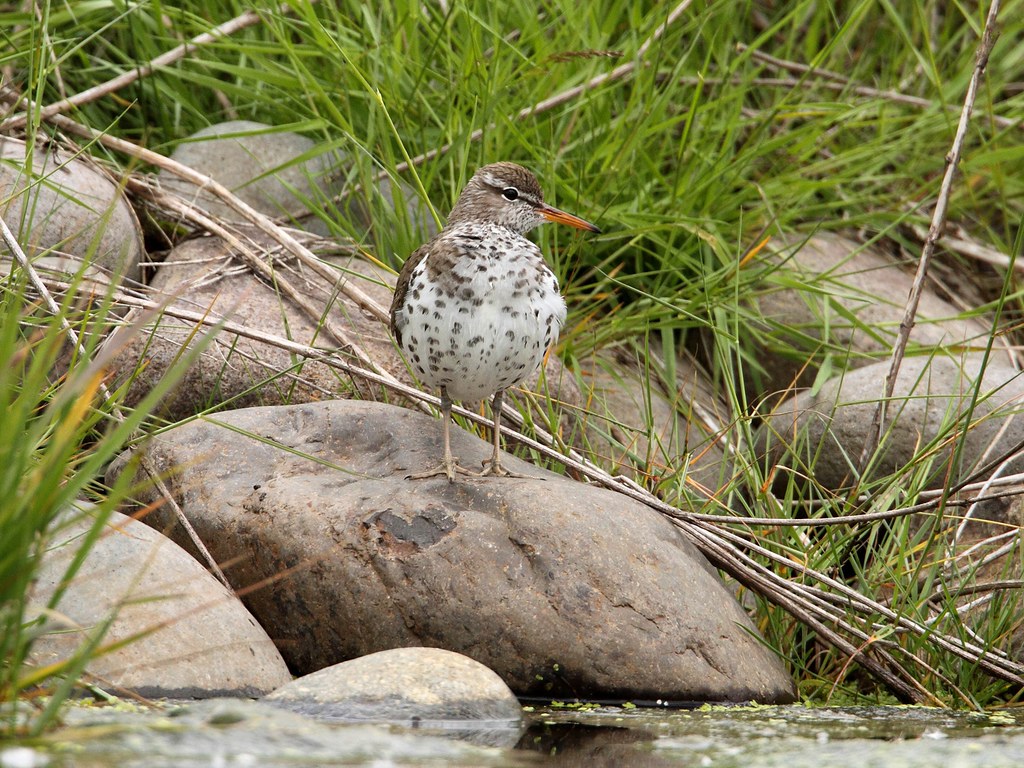
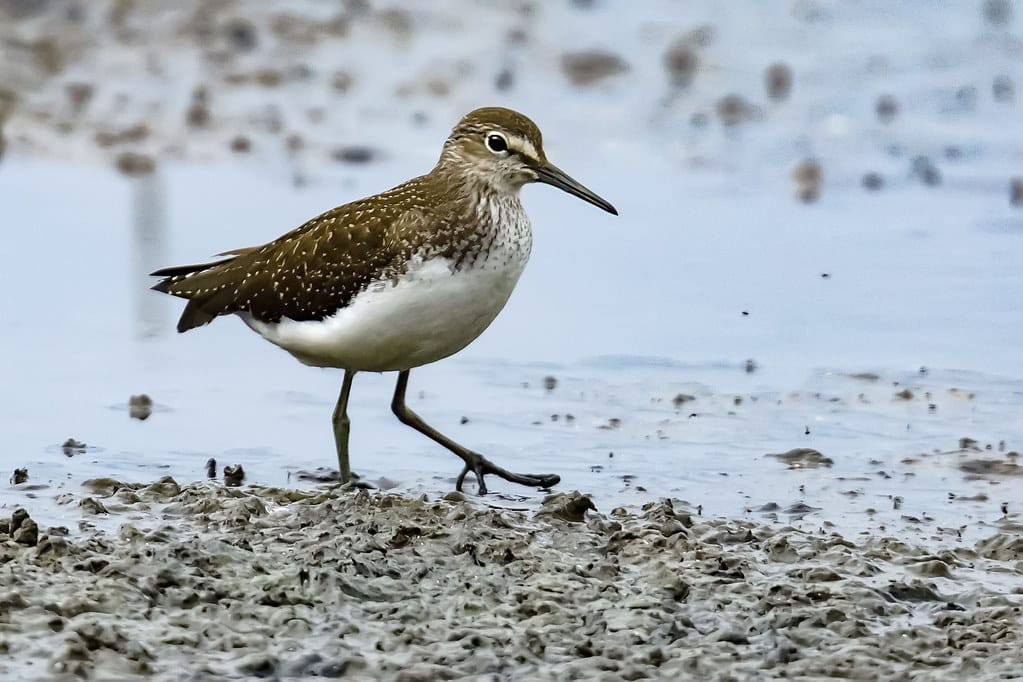
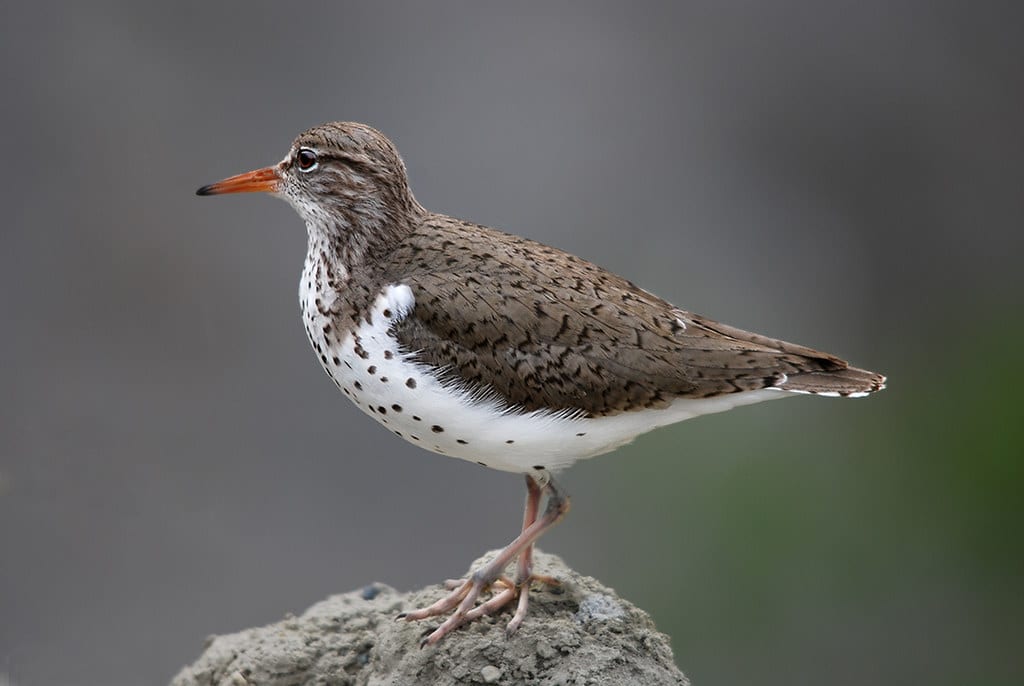
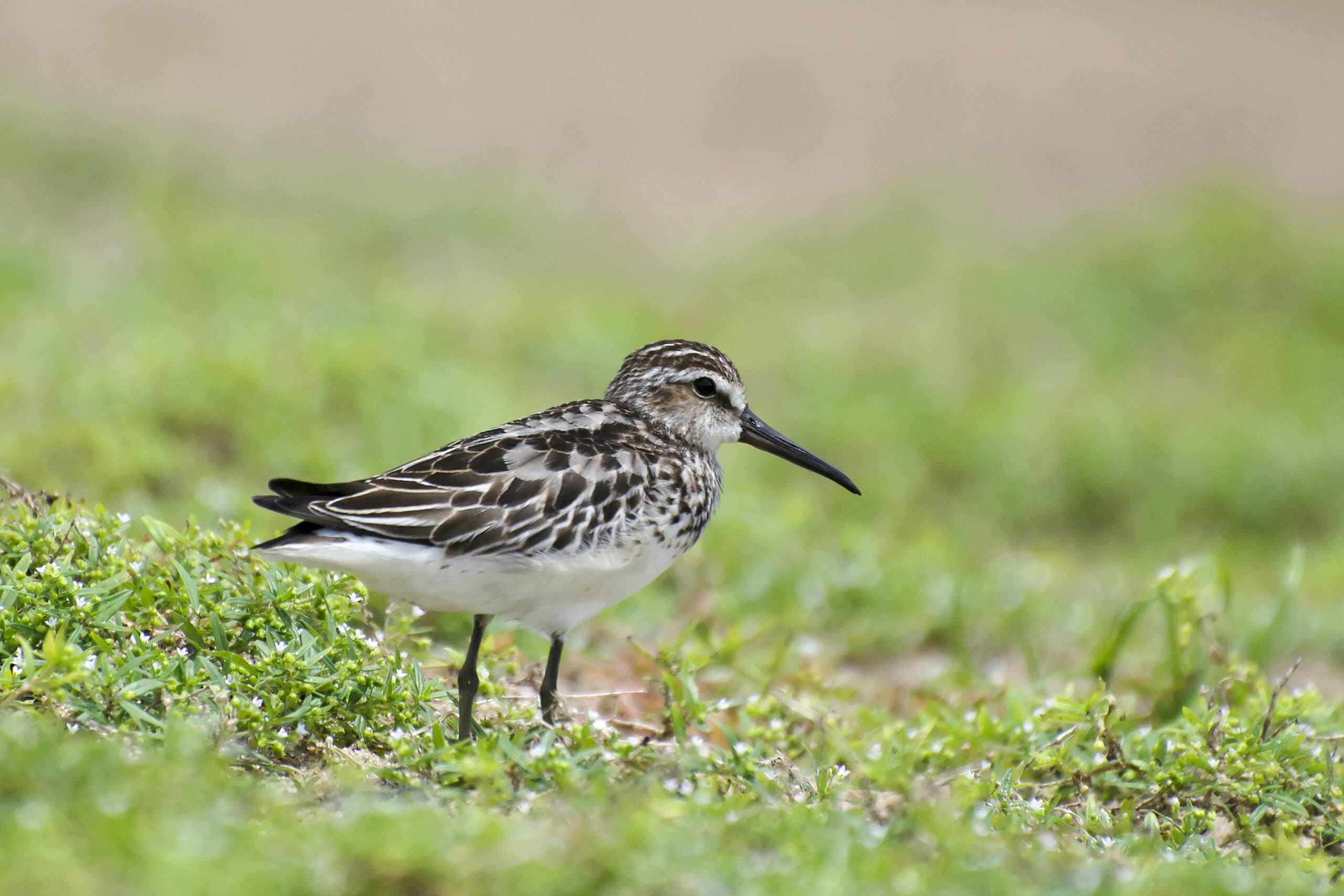
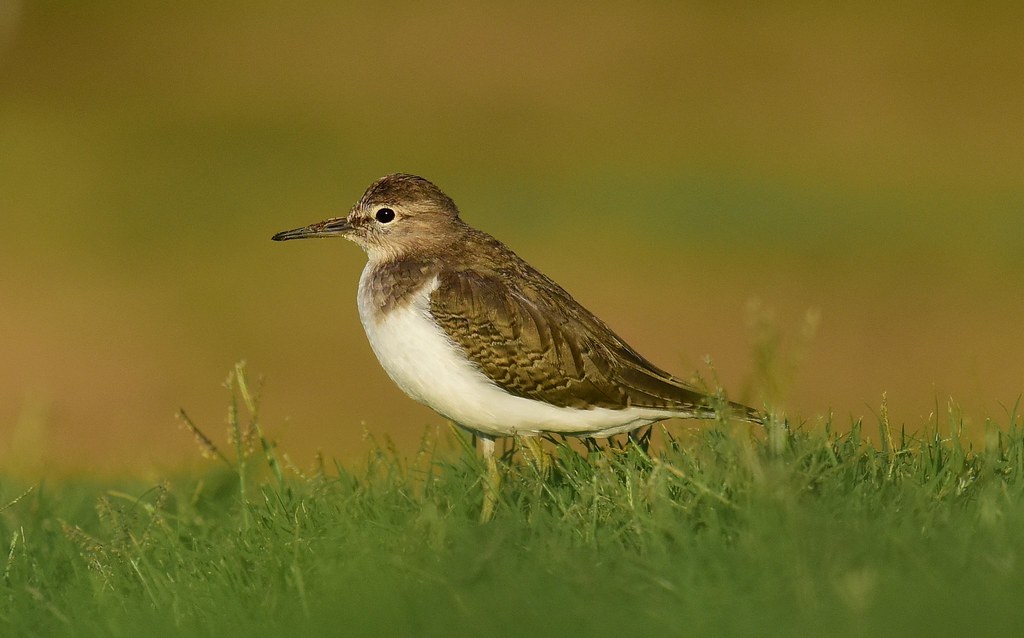
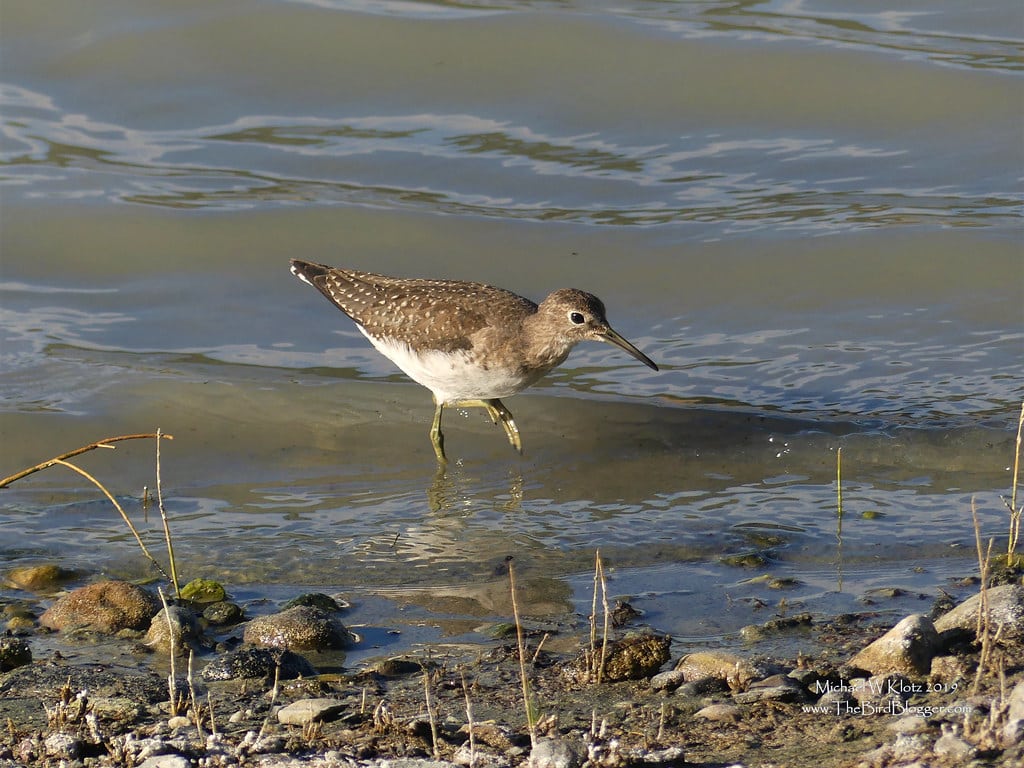
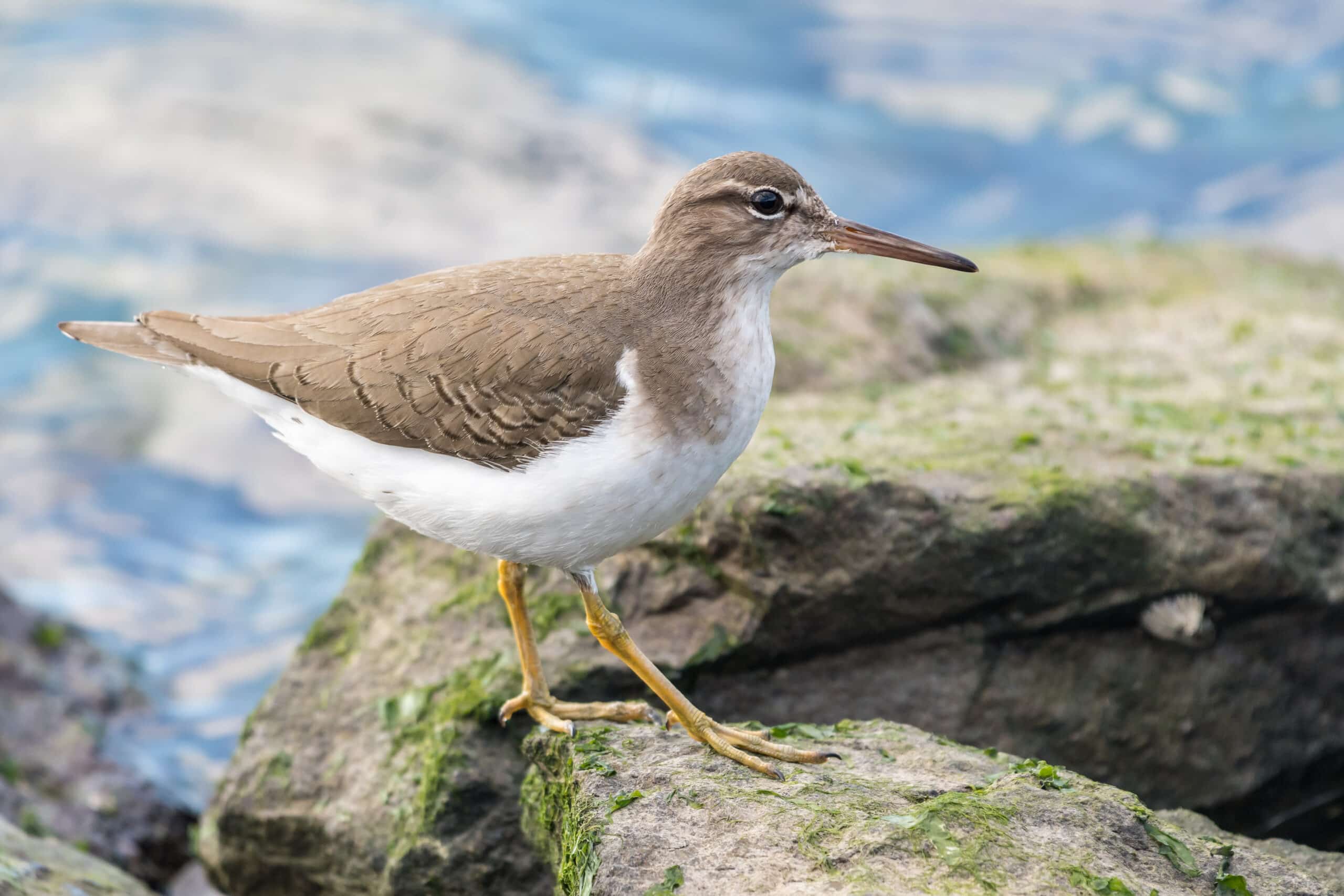
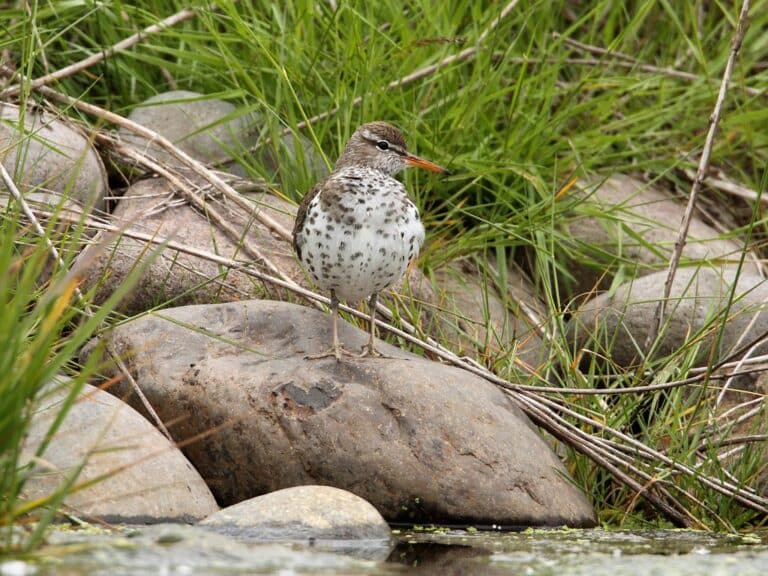
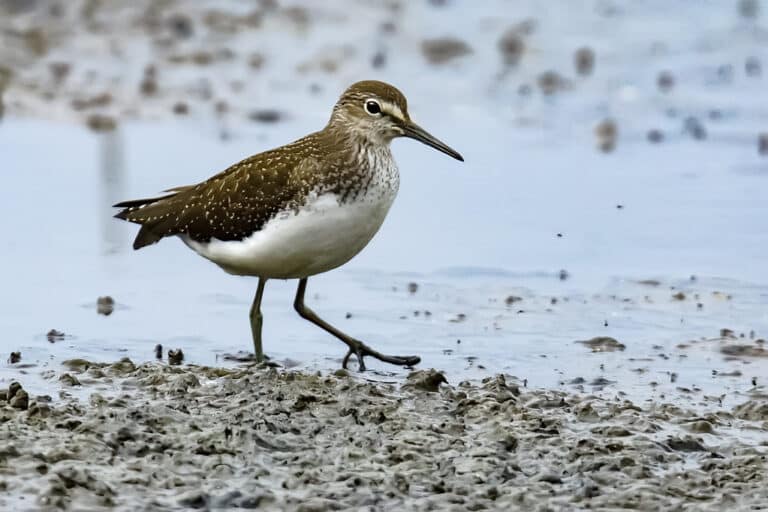
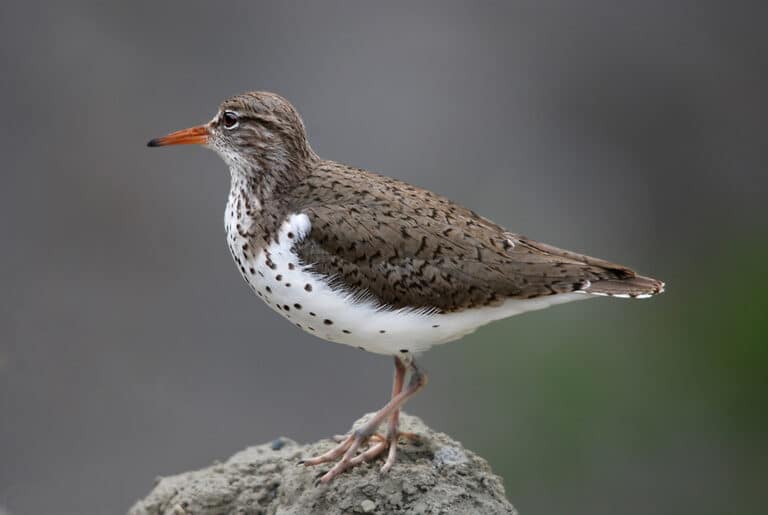
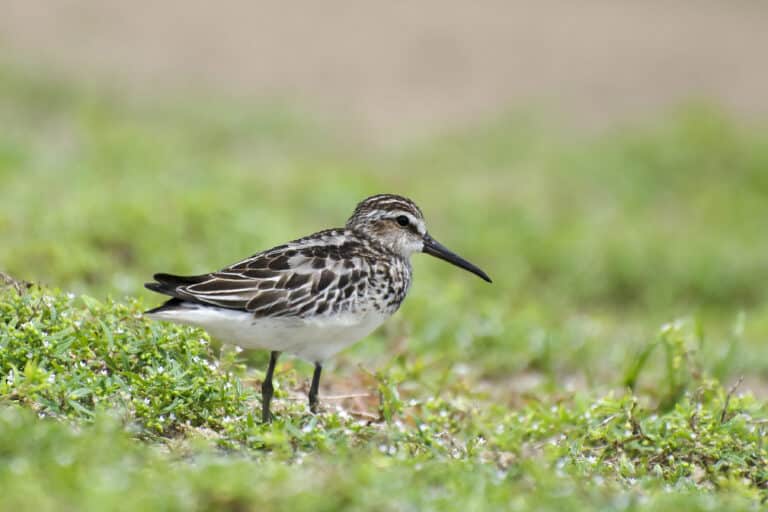
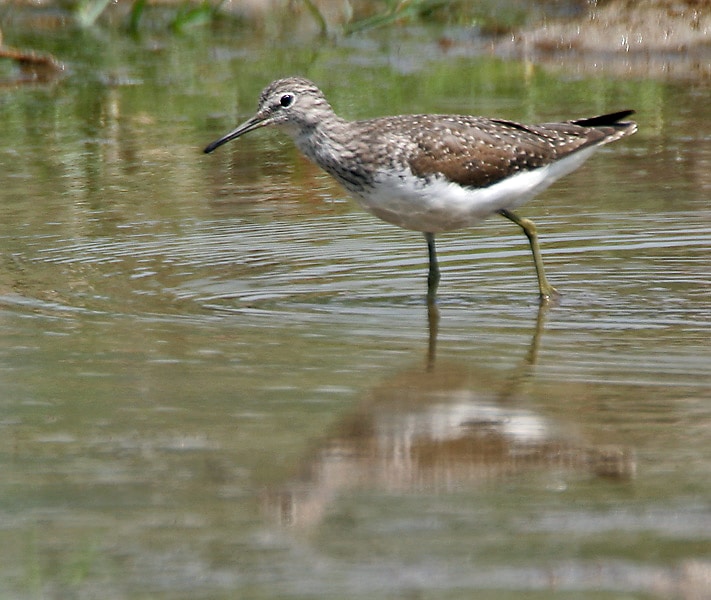
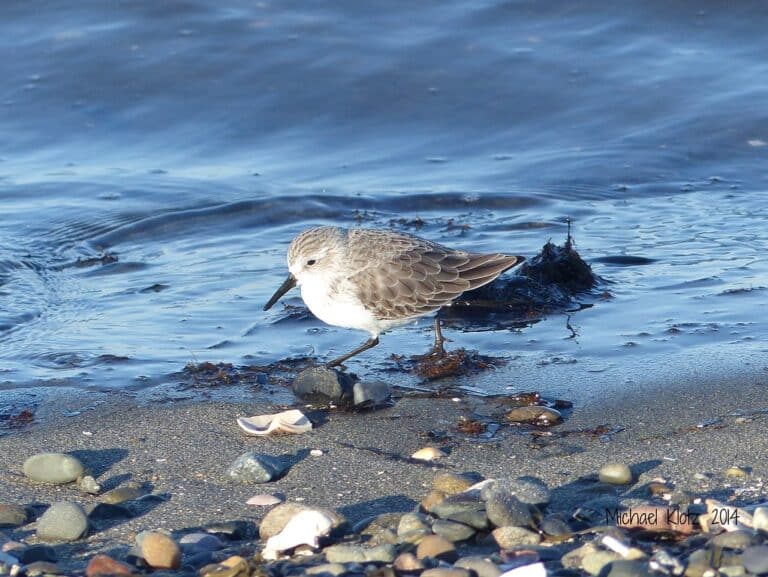
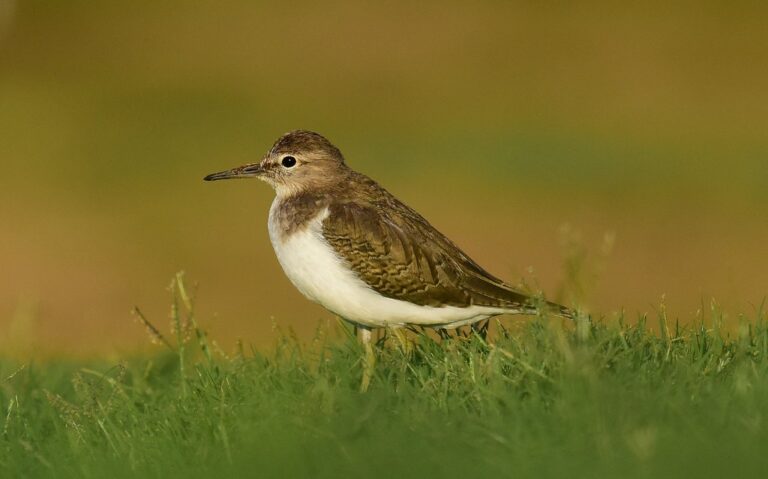
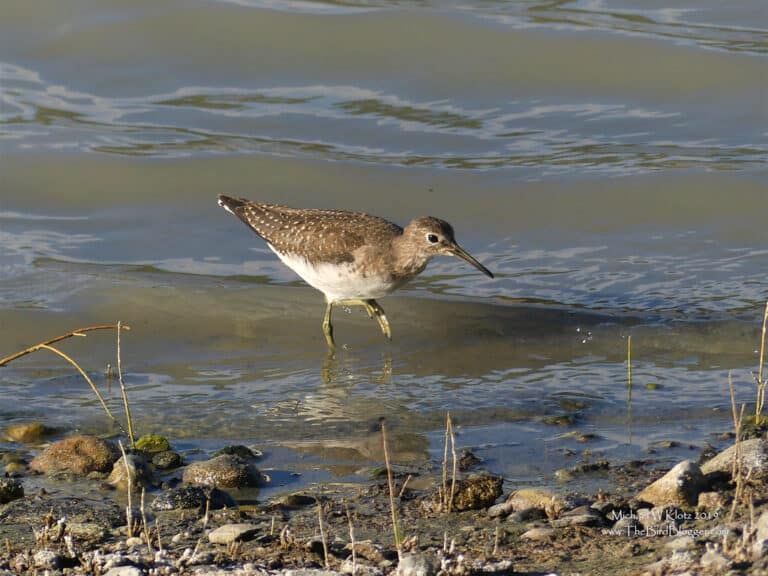
Sandpipers are lively little birds belonging to the family Scolopacidae. These feisty feathery friends typically measure between 5 to 8 inches long, making them perfect pint-sized residents of our wetlands and beaches!
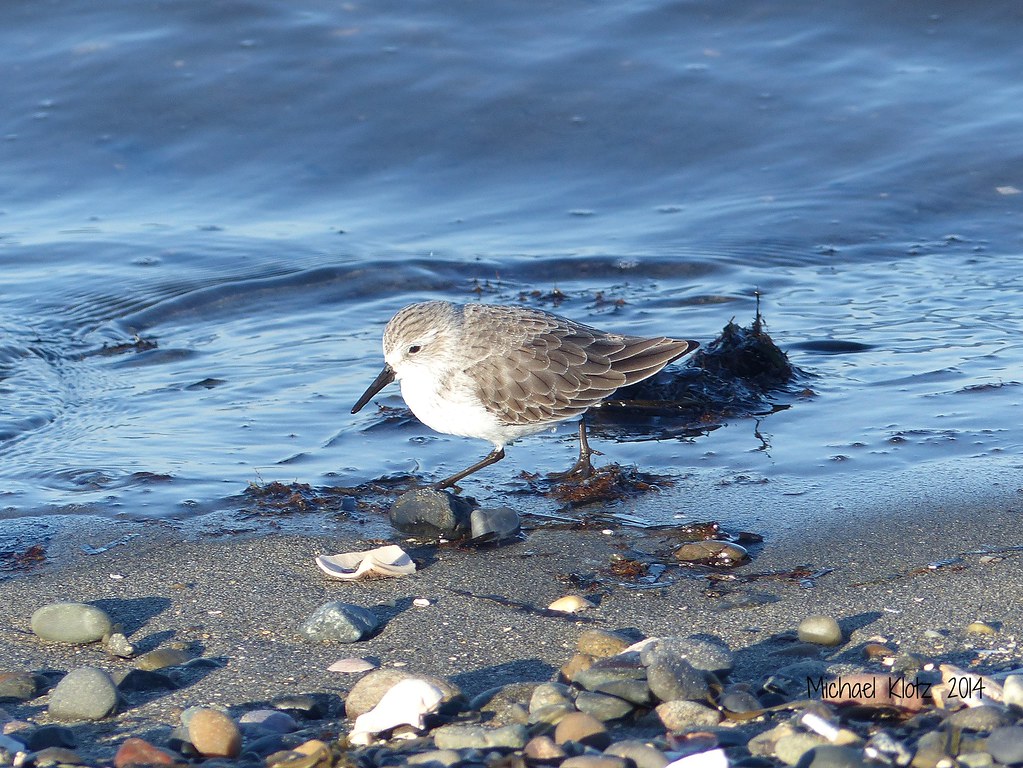
These curious critters belong to the class Aves within the animal kingdom. Sandpipers waddle along shores and mudflats, searching for delicious snacks like insects and small crustaceans. Talk about a tasty treat for these feathered foodies!
With a lifespan of 10 to 15 years, sandpipers have plenty of time to explore and enjoy their habitats. They strut their stuff across the globe, especially in Africa, showcasing their impressive wading and foraging skills.
Sandpipers are part of the order Charadriiformes, which also includes other shorebirds and gulls. These birds are expert foragers, using their delicate beaks to probe soft ground for hidden goodies. They really know how to dig in!
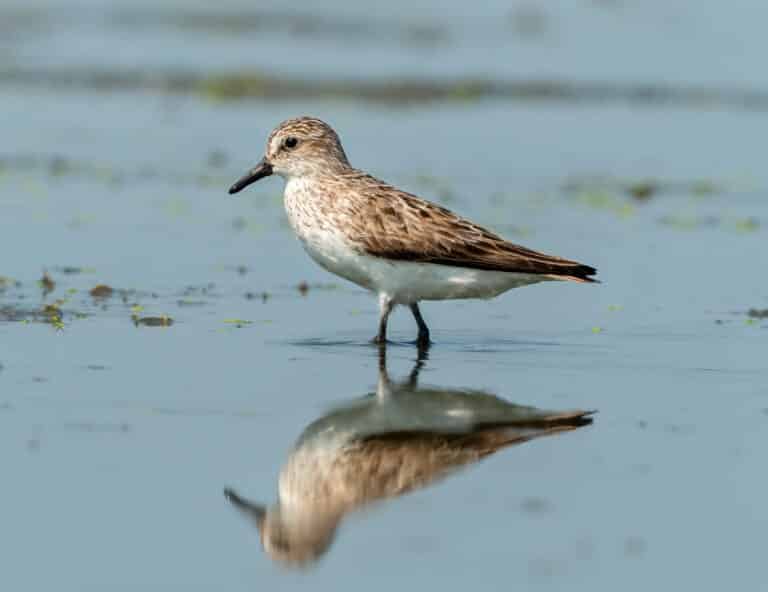
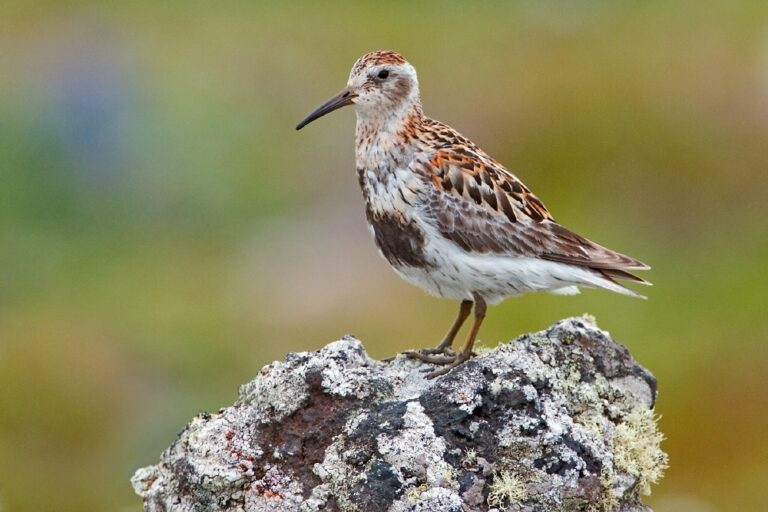
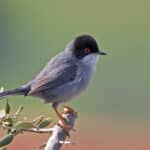
Their vibrant and varied plumage helps them blend into sandy and muddy environments, making them sneaky little hunters. Sandpipers may be small, but they definitely make a big splash in the bird world with their lively antics and stylish wading!
Next time you spot a sandpiper, remember to admire their energy and adaptability. These birds remind us that even the smallest creatures have big personalities and important roles in their ecosystems!

Where can you find a Sandpiper in the wild?
What does a Sandpiper eat?
How big can a Sandpiper grow?
How long does a Sandpiper typically live?
What is the conservation status of the Sandpiper?
What are the main threats to the Sandpiper?
Fun facts
Sandpipers can run really fast, reaching speeds of up to 40 kilometers per hour (25 miles per hour). They dash around the shore like mini race cars, searching for snacks!


These nifty birds have special leg muscles that let them wade through water while easily shifting direction. It’s like they are always ready for a dance-off with the waves!
Some sandpiper species migrate over 2,000 kilometers (1,200 miles) in a single journey. That's the equivalent of walking back and forth across an entire country!
Sandpipers often gather in large groups called flocks. These flocks create mesmerizing patterns as they take off and land together, like a feathered flash mob!
During the breeding season, male sandpipers perform fancy displays to impress females. They puff up their chests, spread their wings, and make charming calls, just like a birdy talent show!
Sandpipers can sleep with one eye open. They do this to stay alert for predators while resting, just like superheroes who never really take a break!
Their long, slender beaks help sandpipers probe into mud and sand, searching for yummy treats like crabs and worms. It’s like having a built-in treasure hunt tool!
Some sandpipers can adjust their feeding techniques based on the type of food they find. They can switch from probing to running after food, showing off their problem-solving skills!
Sandpipers have a quirky way of communicating. They use different calls for various situations, like warning others about danger or calling friends to join in a meal!
These birds can easily camouflage into their surroundings. Their feathers blend perfectly with sandy beaches and muddy shores, allowing them to sneak up on their dinner!
Photos





The Basics


explore more
Amphibians
Arachnids
Birds
Cats
Crustaceans
Fish
Fish Pet Guide
Gastropods
Insects
Invertebrates
Mammals
Pet Fish
Pet Rodents
Plants
Reptiles
Roundworms
Sea Slugs