
Successfully copied to clipboard!
Sarus Crane
Meet the tallest dancers of the wetlands: Crane Fiesta!
Let’s Explore
Overview
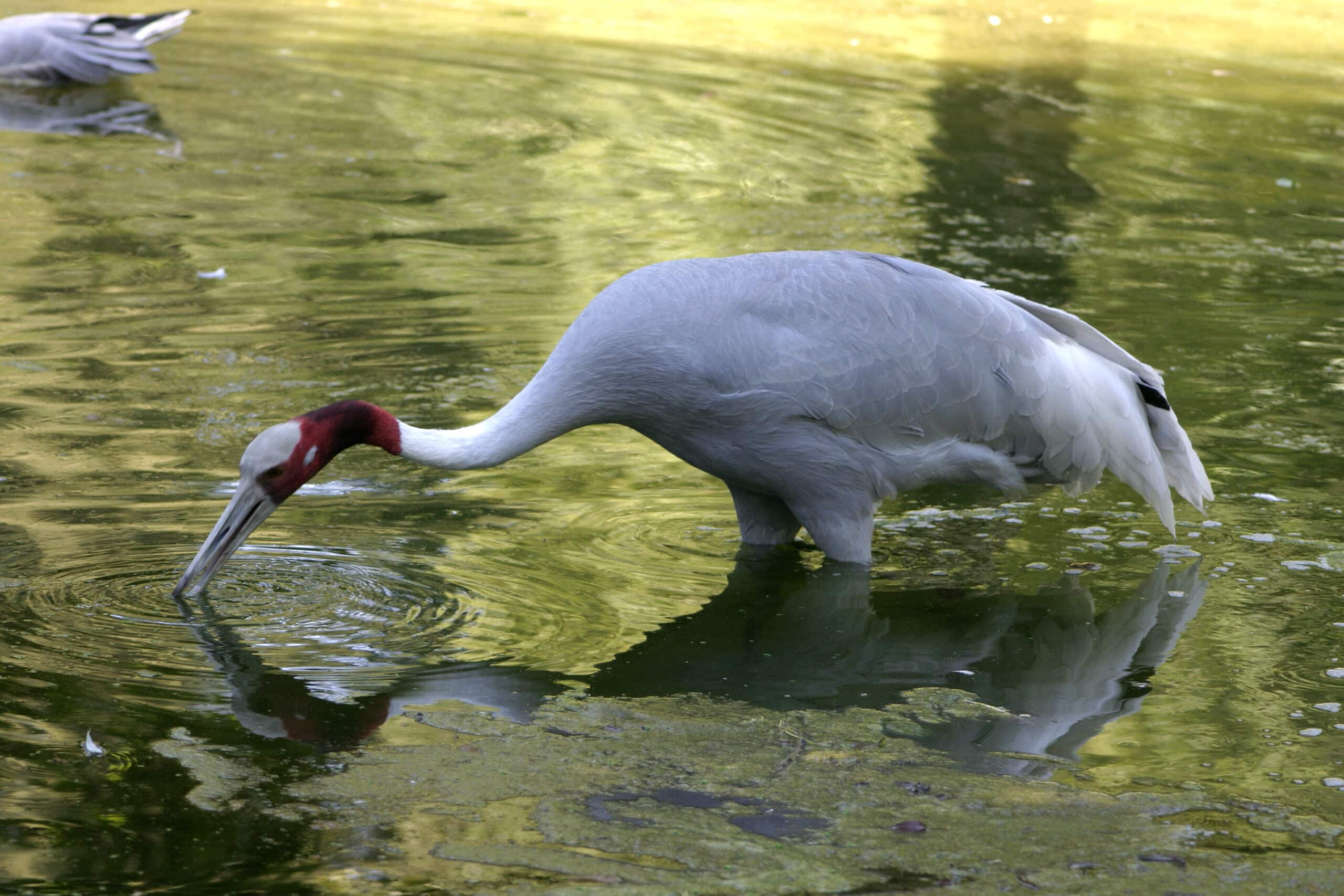
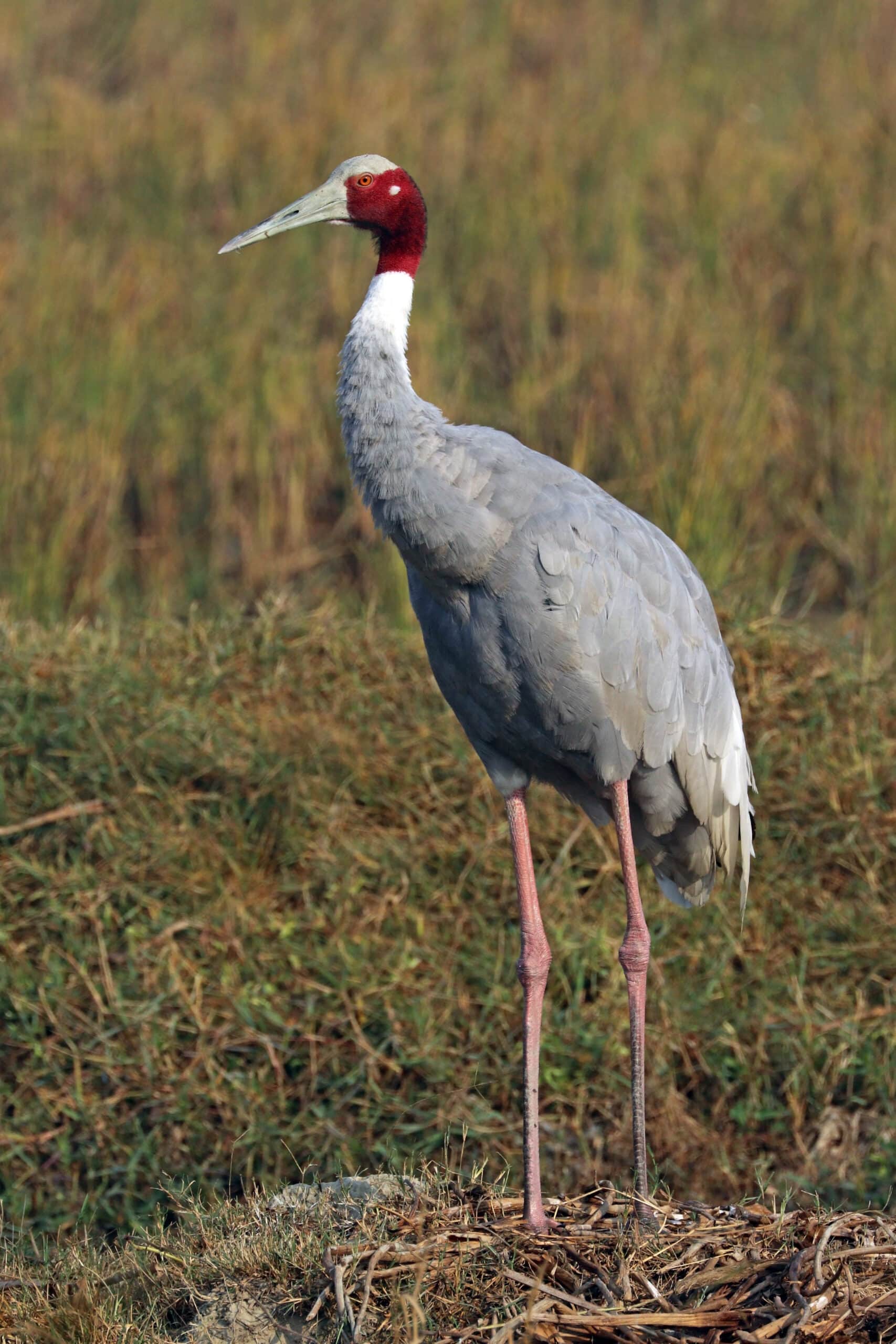
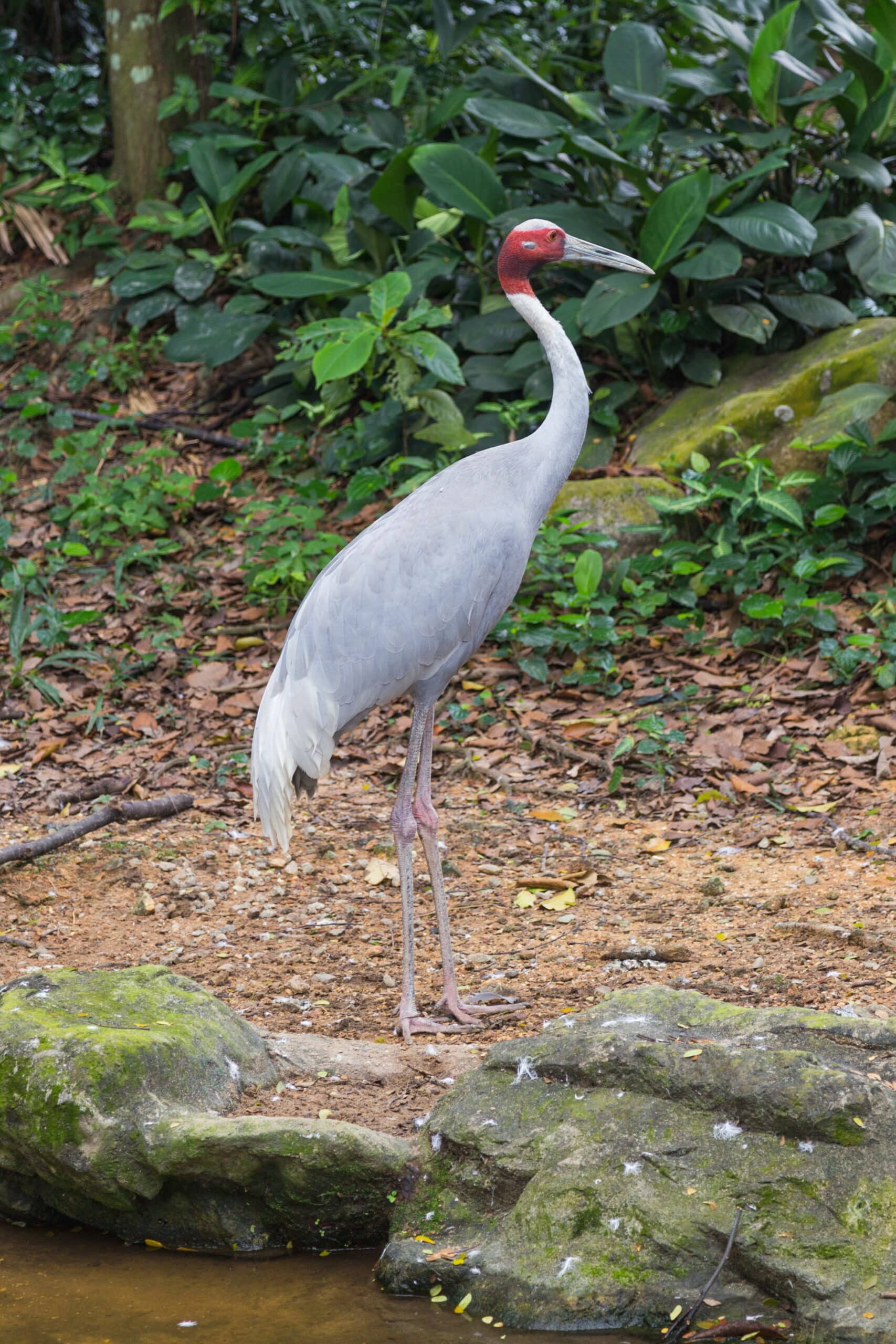
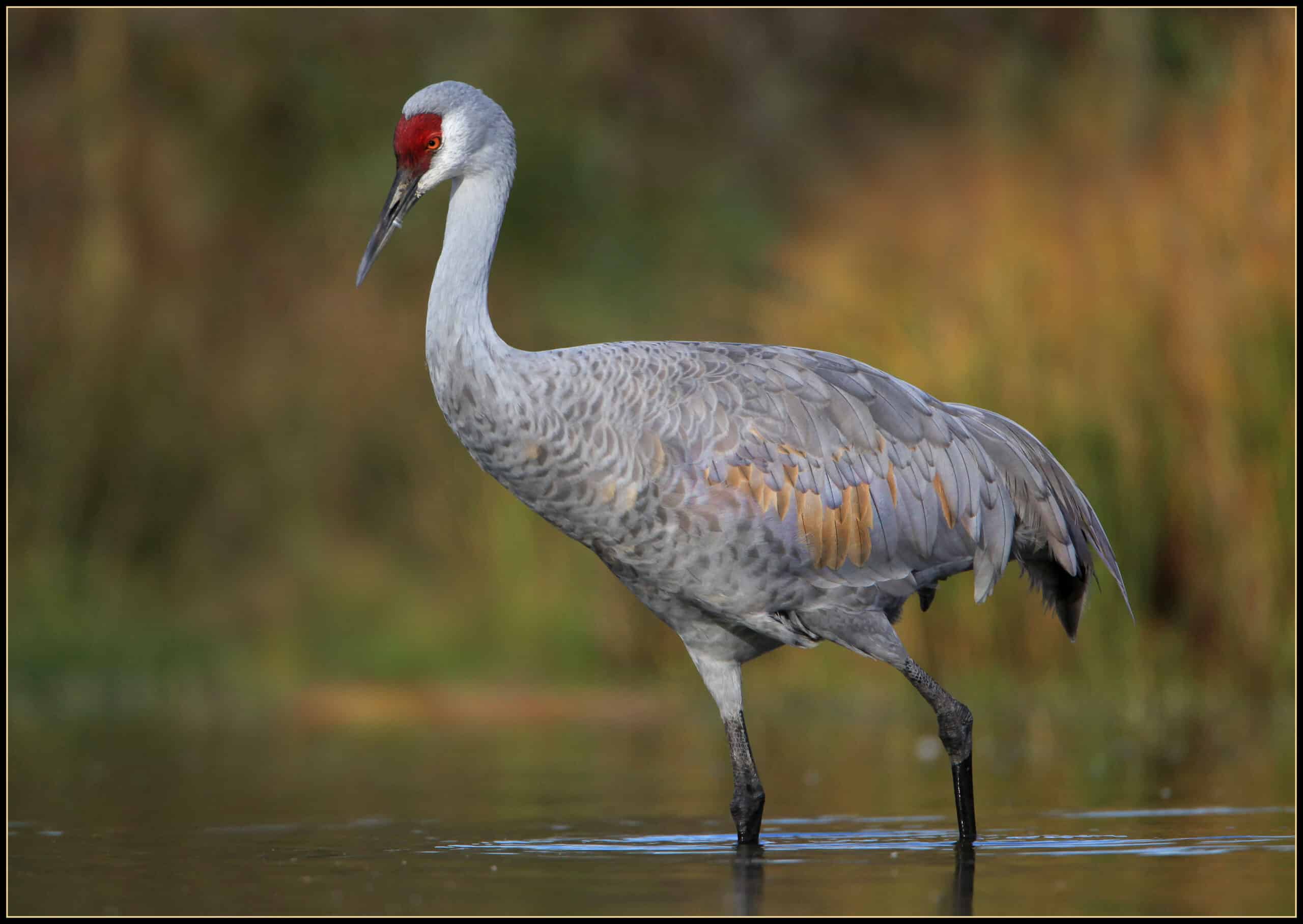
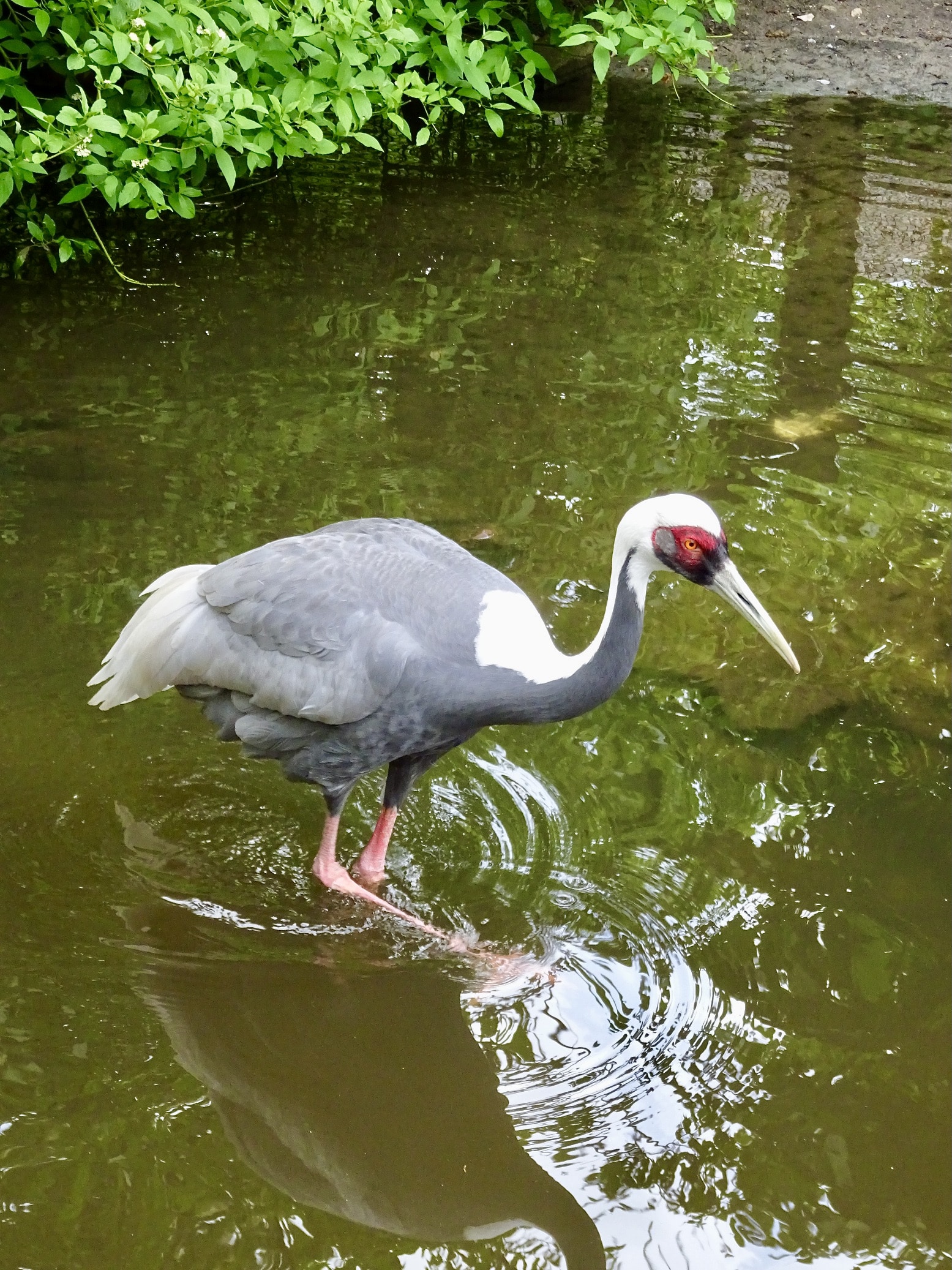
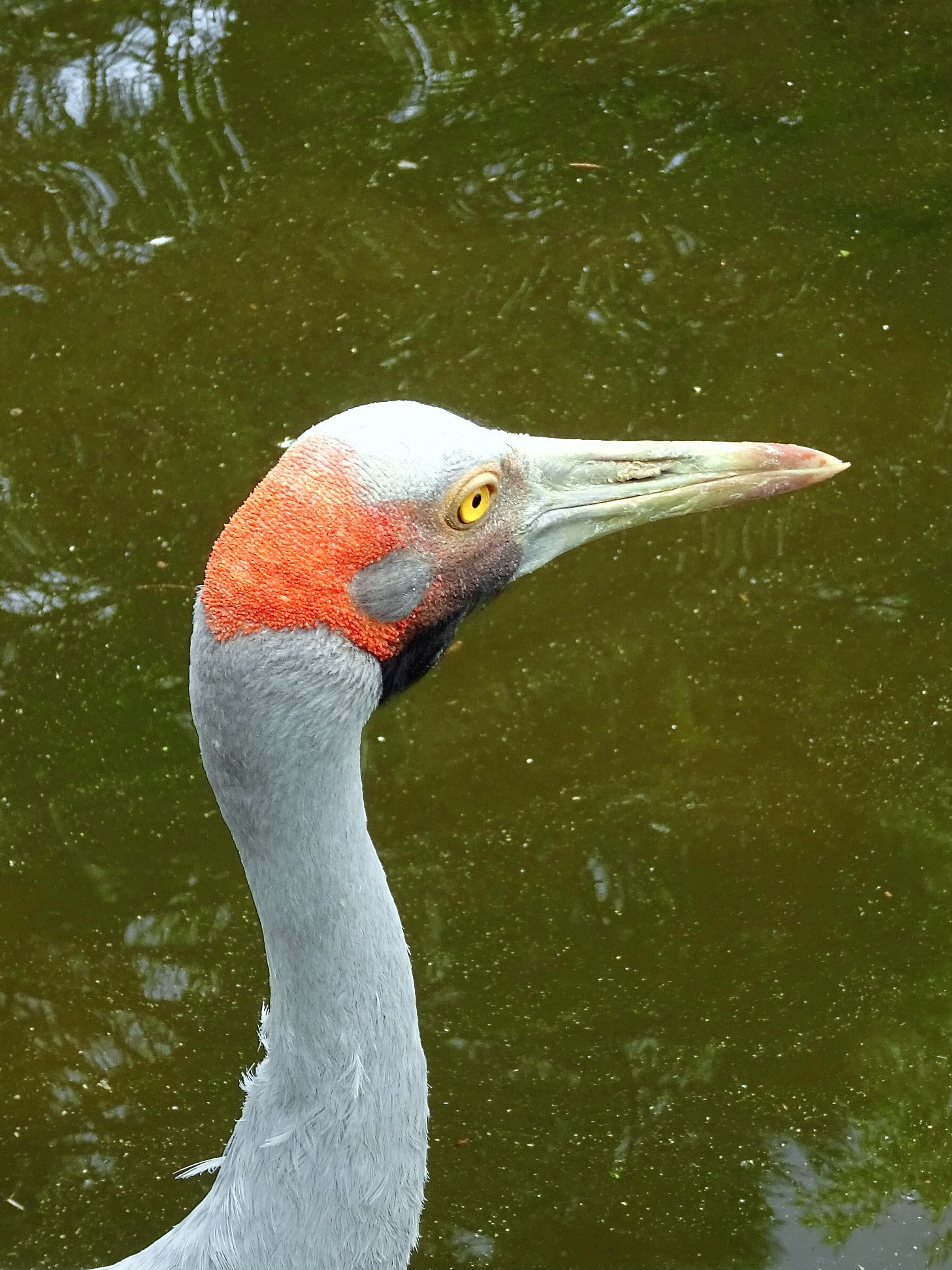
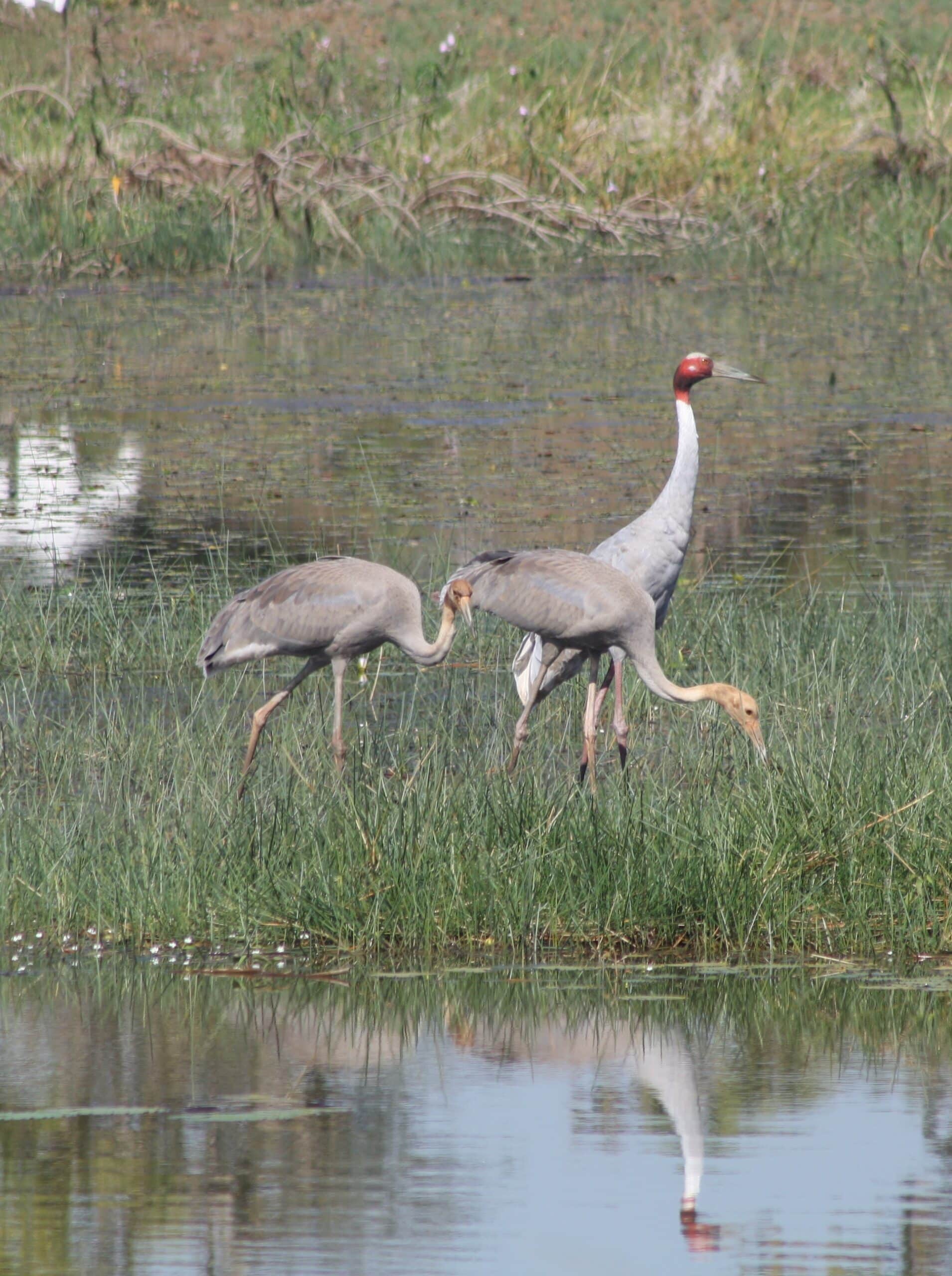
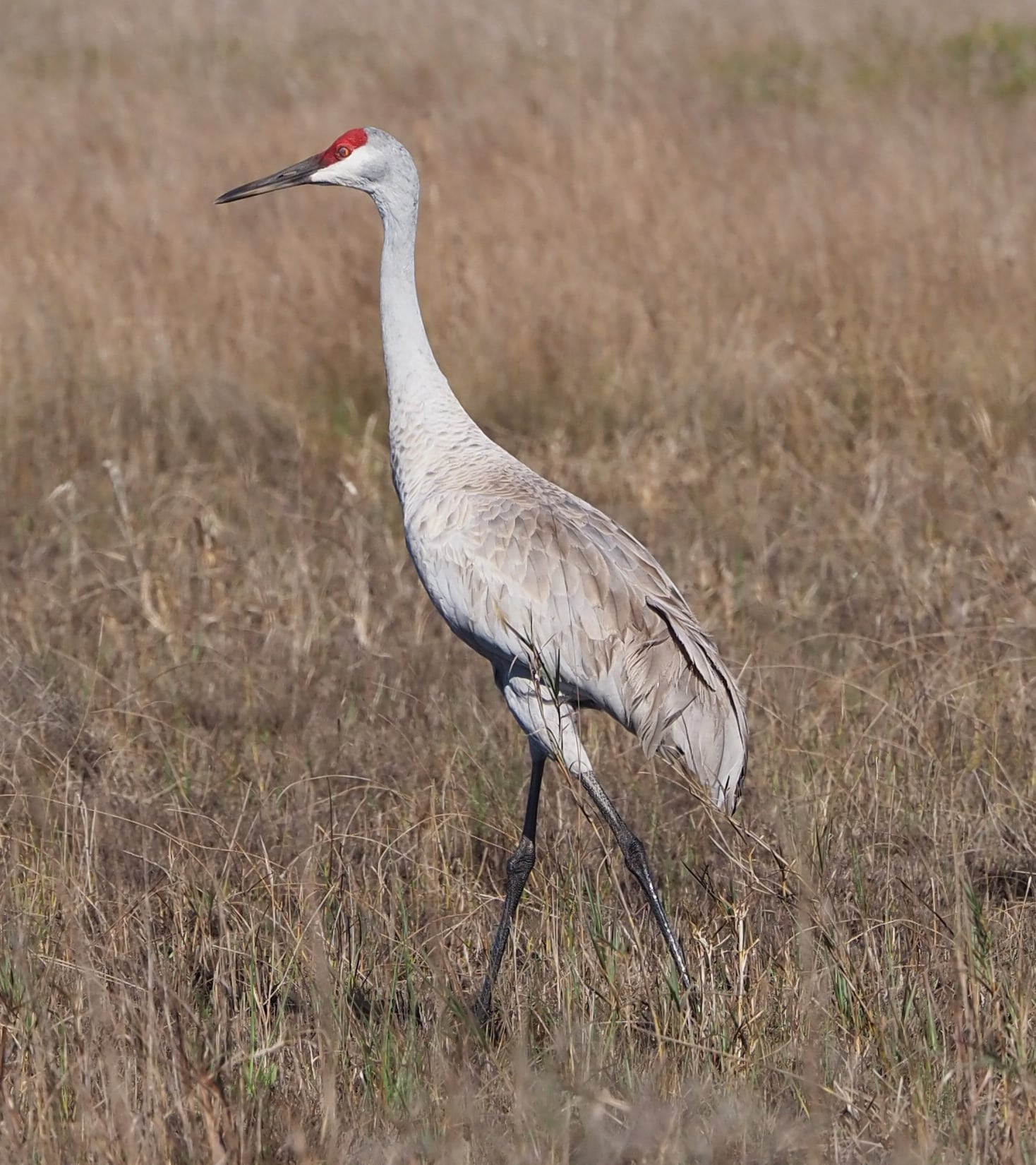
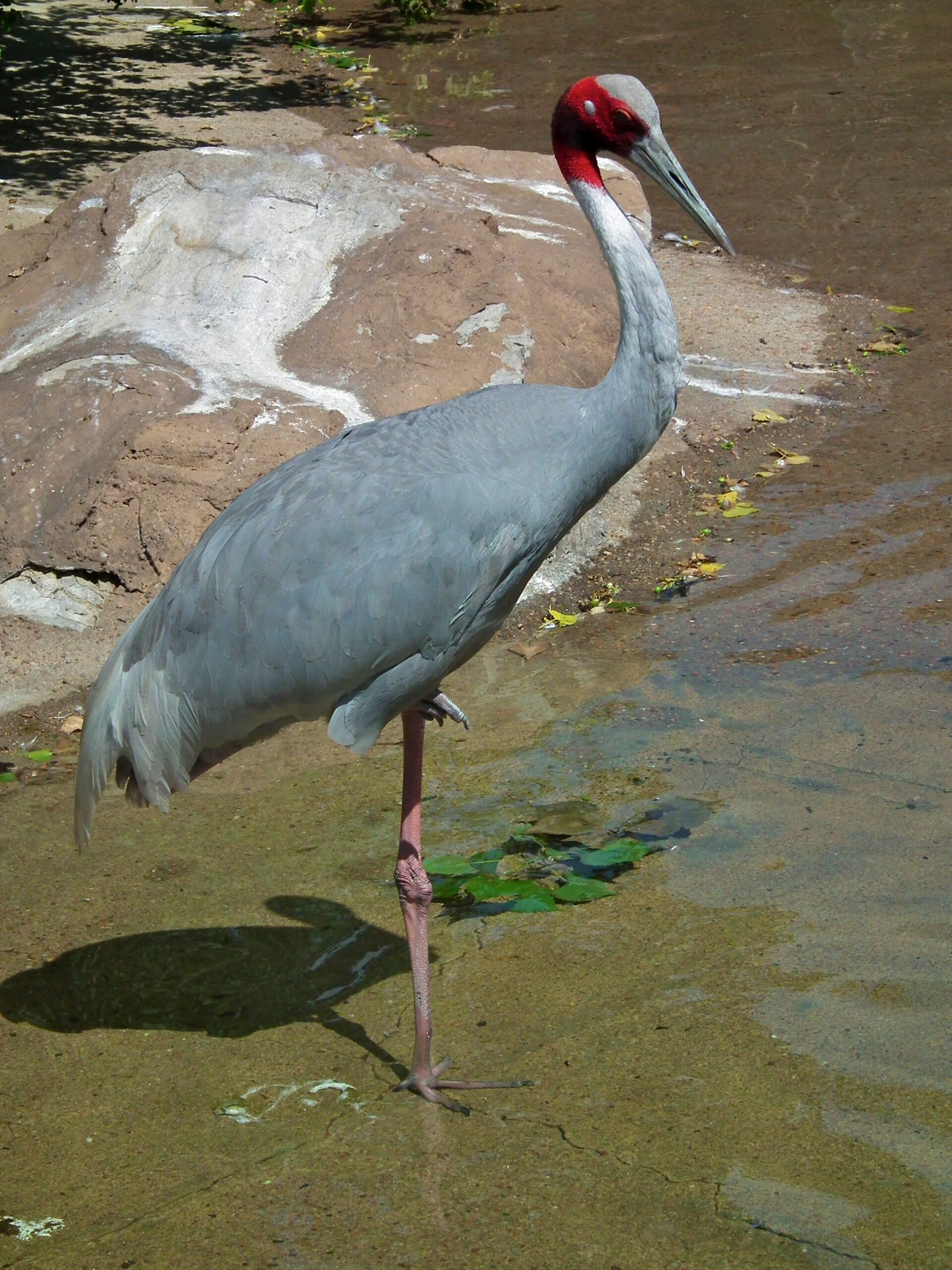
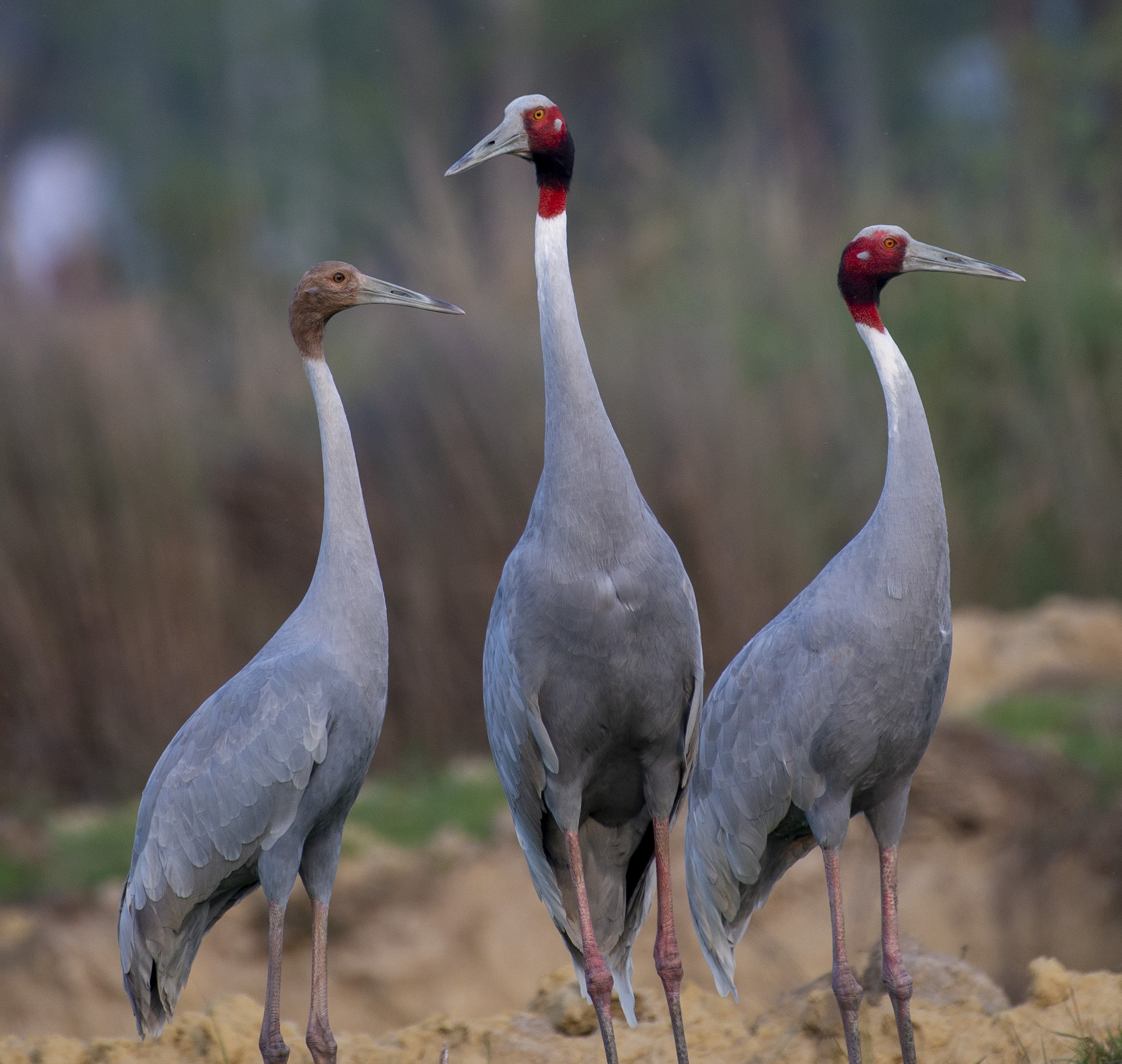
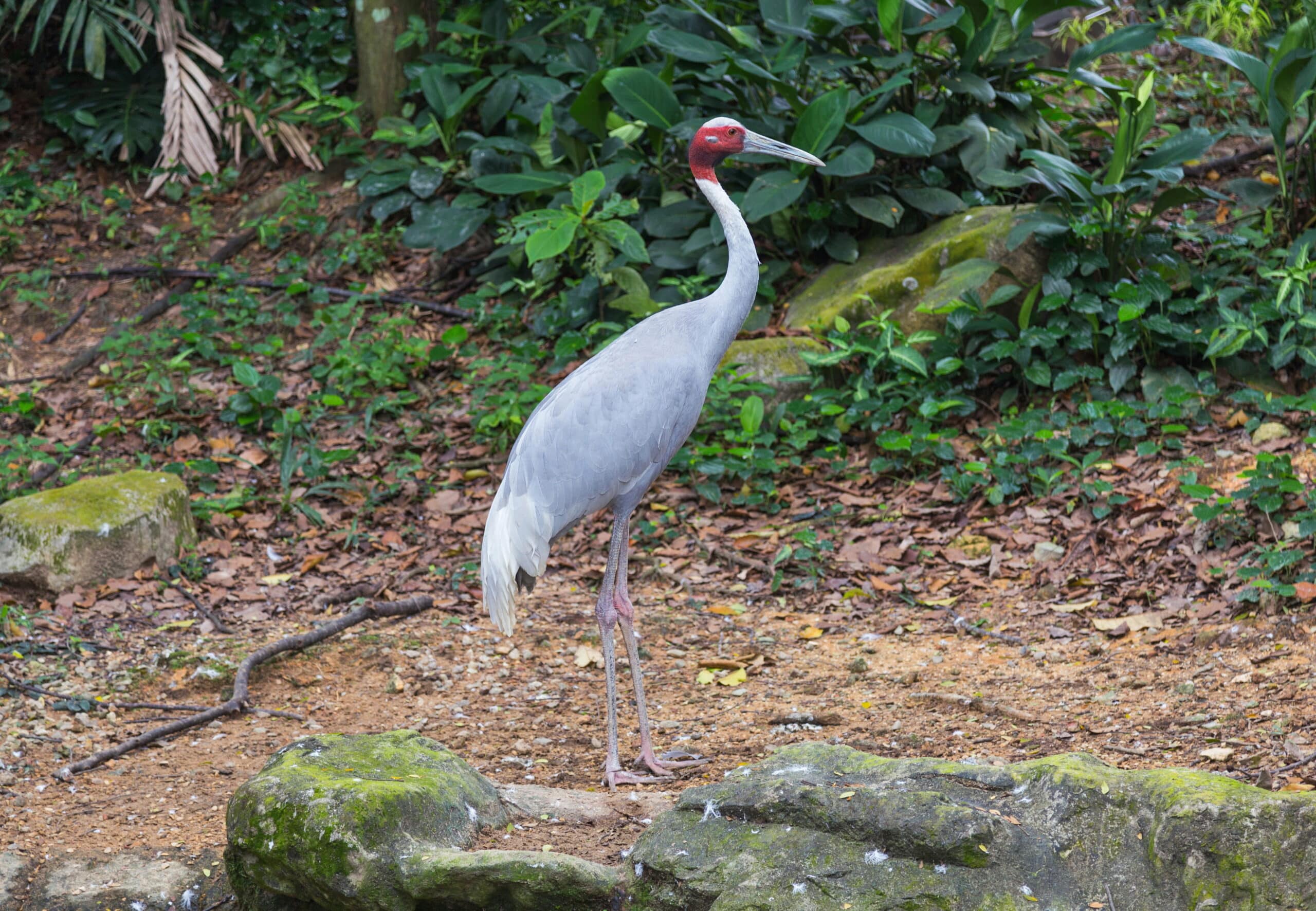
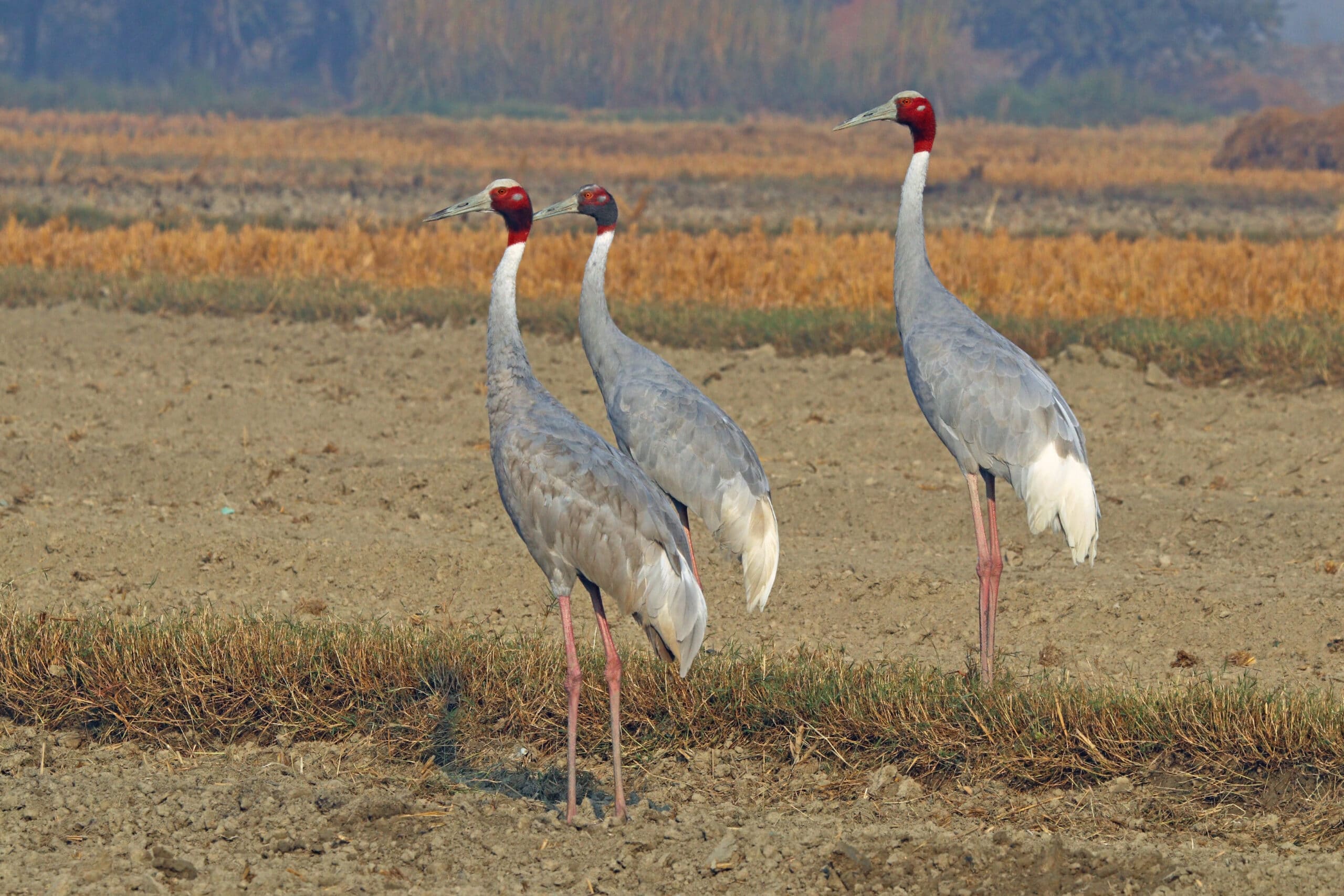
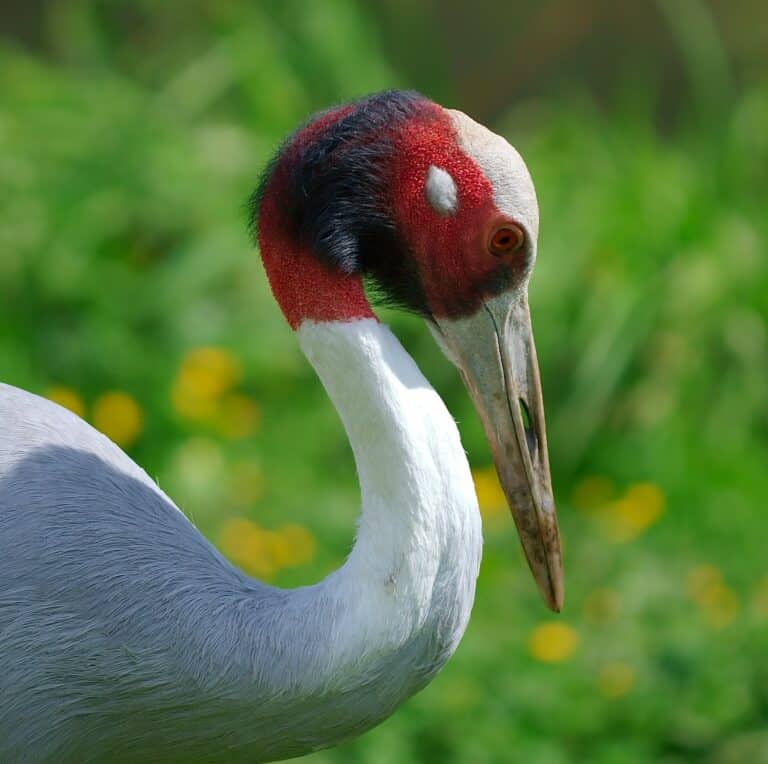
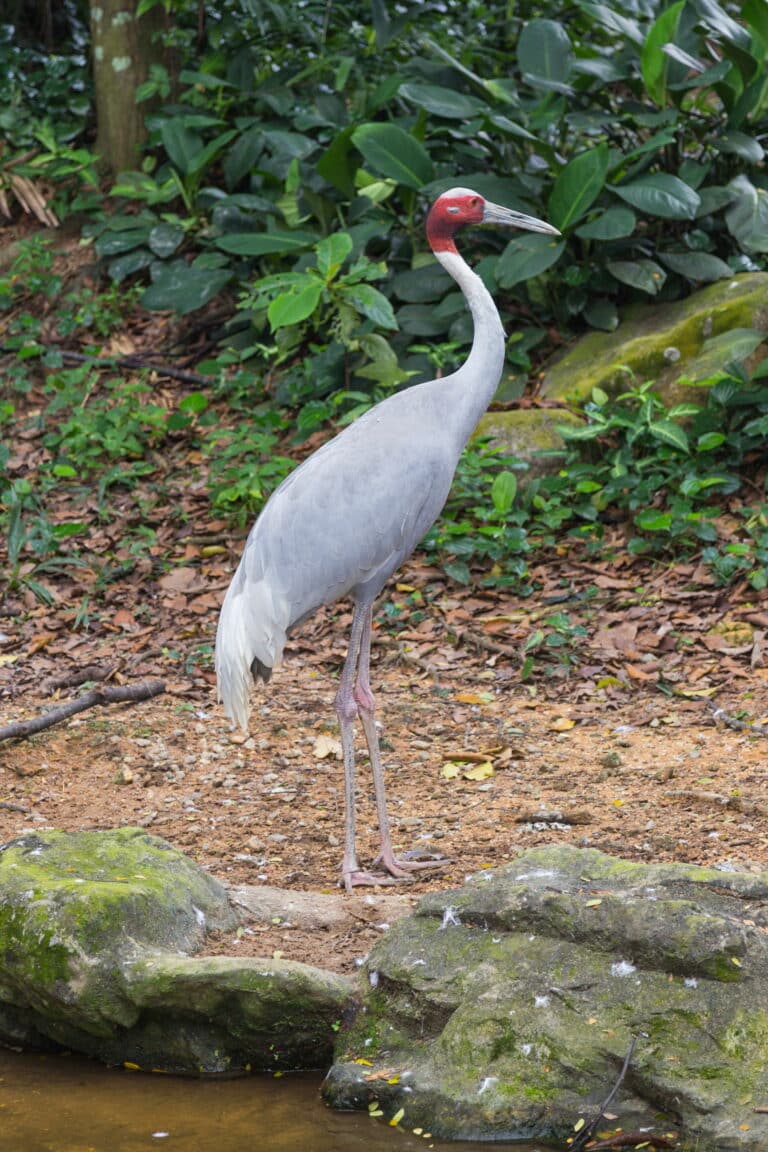
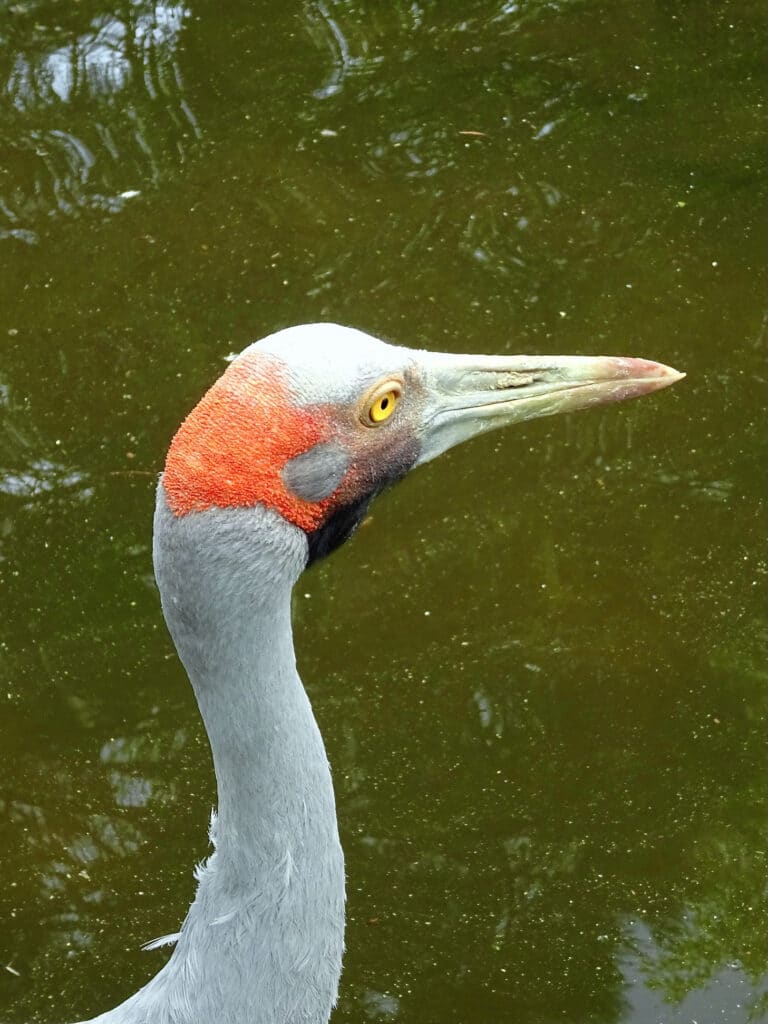
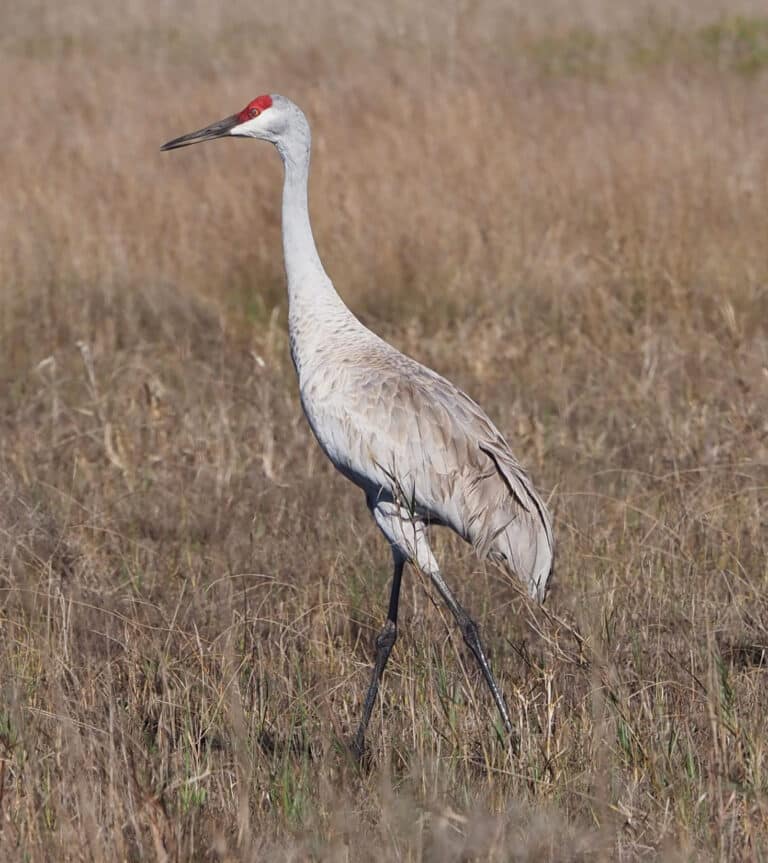
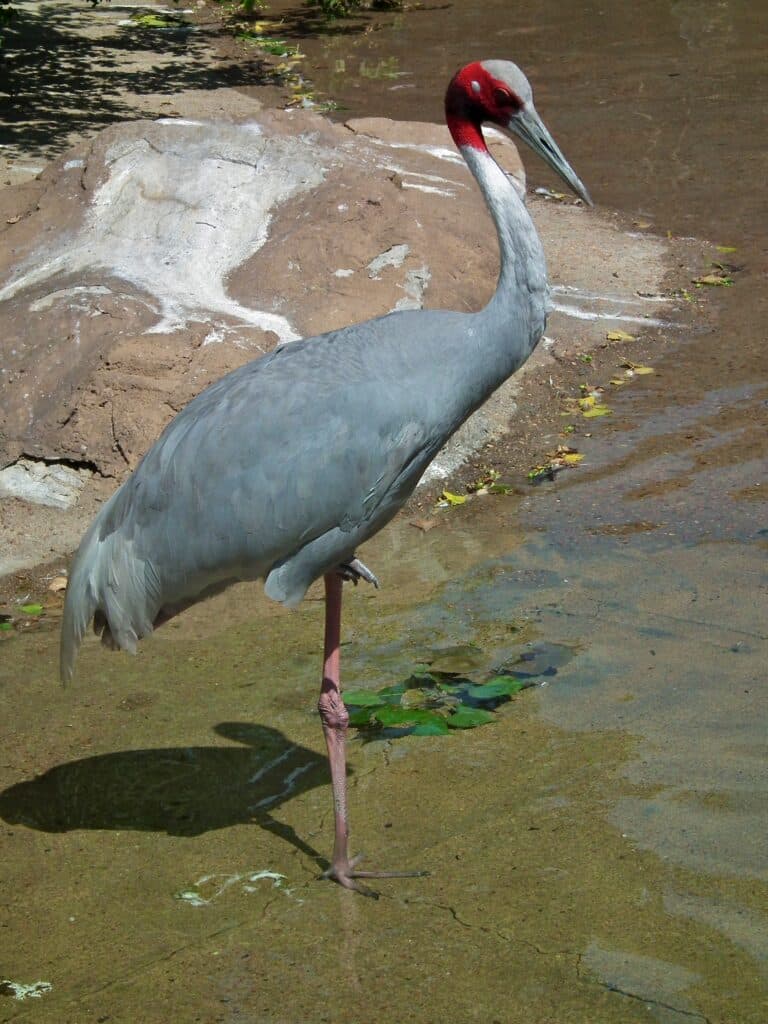
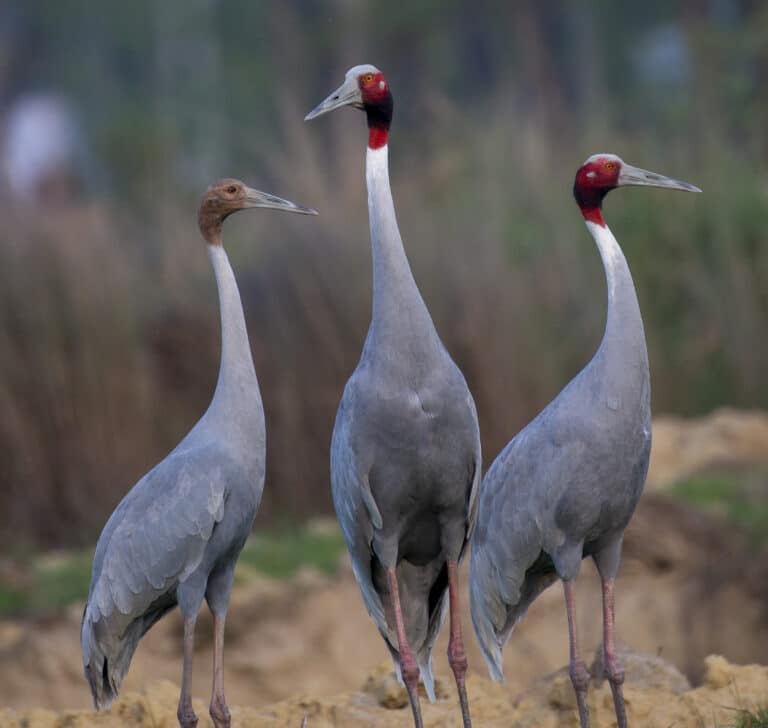
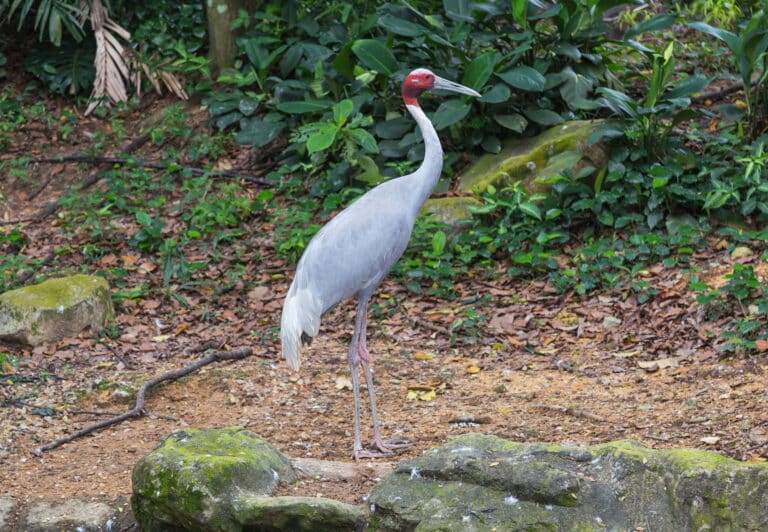
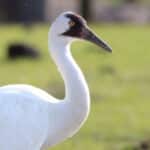
The Sarus Crane is an impressive bird that stands tall at about 1.5 to 1.8 meters (5 to 6 feet). With its elegant stature and striking red head, it is the tallest flying bird in the world that calls Asia its home.
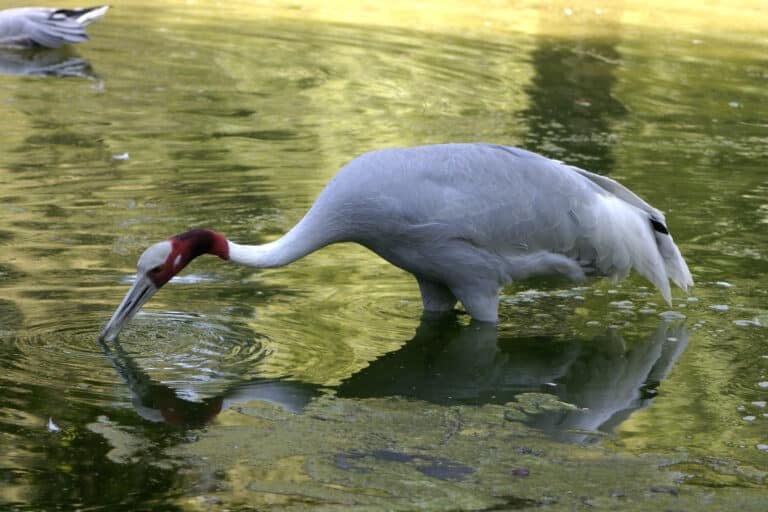
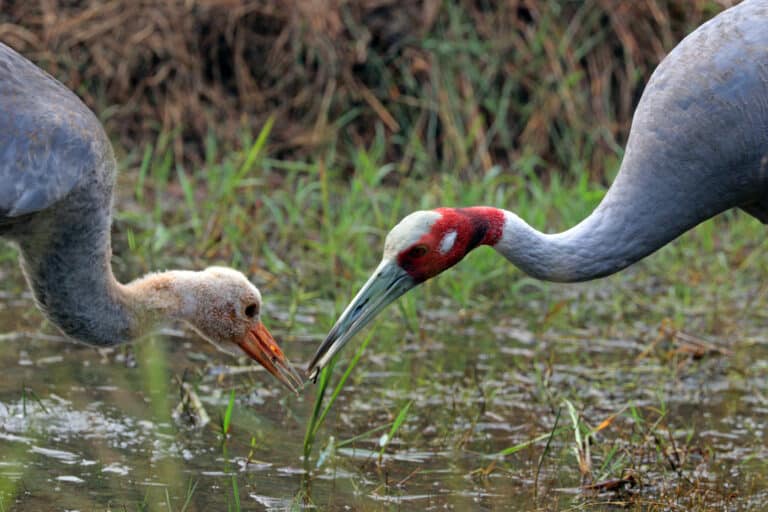
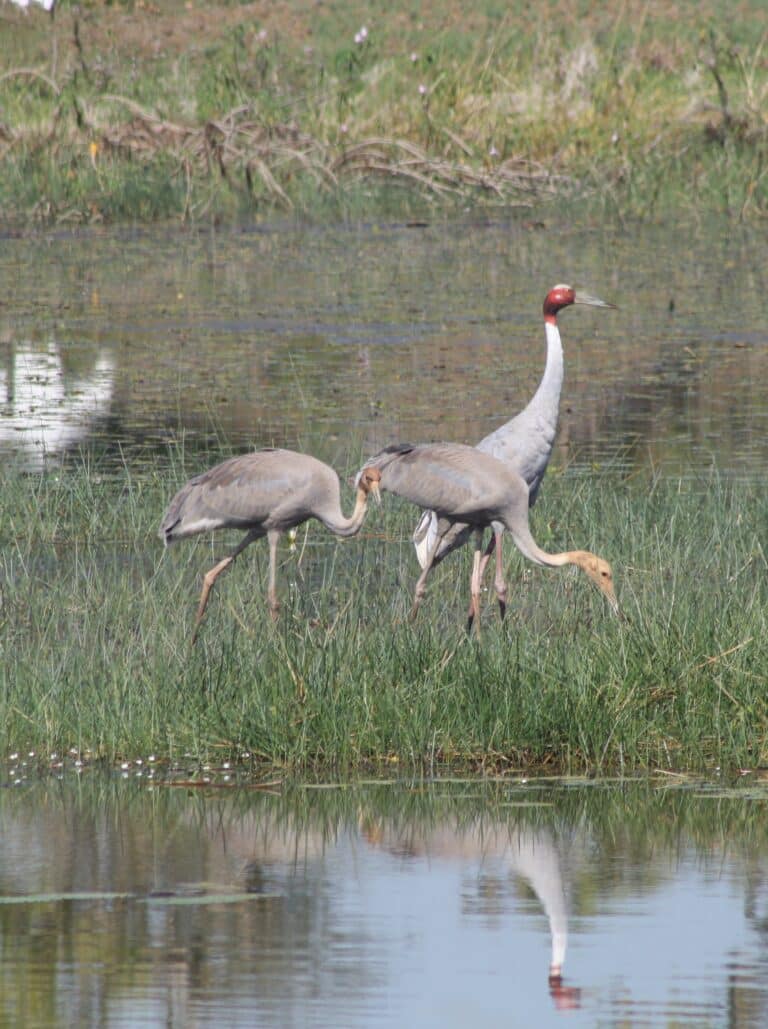
Sarus Cranes belong to the family Gruidae and are often seen wading in wetlands, where they stomp around looking for tasty treats. Their diet mainly includes plants, insects, and small animals, making them a delightful friend to the environment.
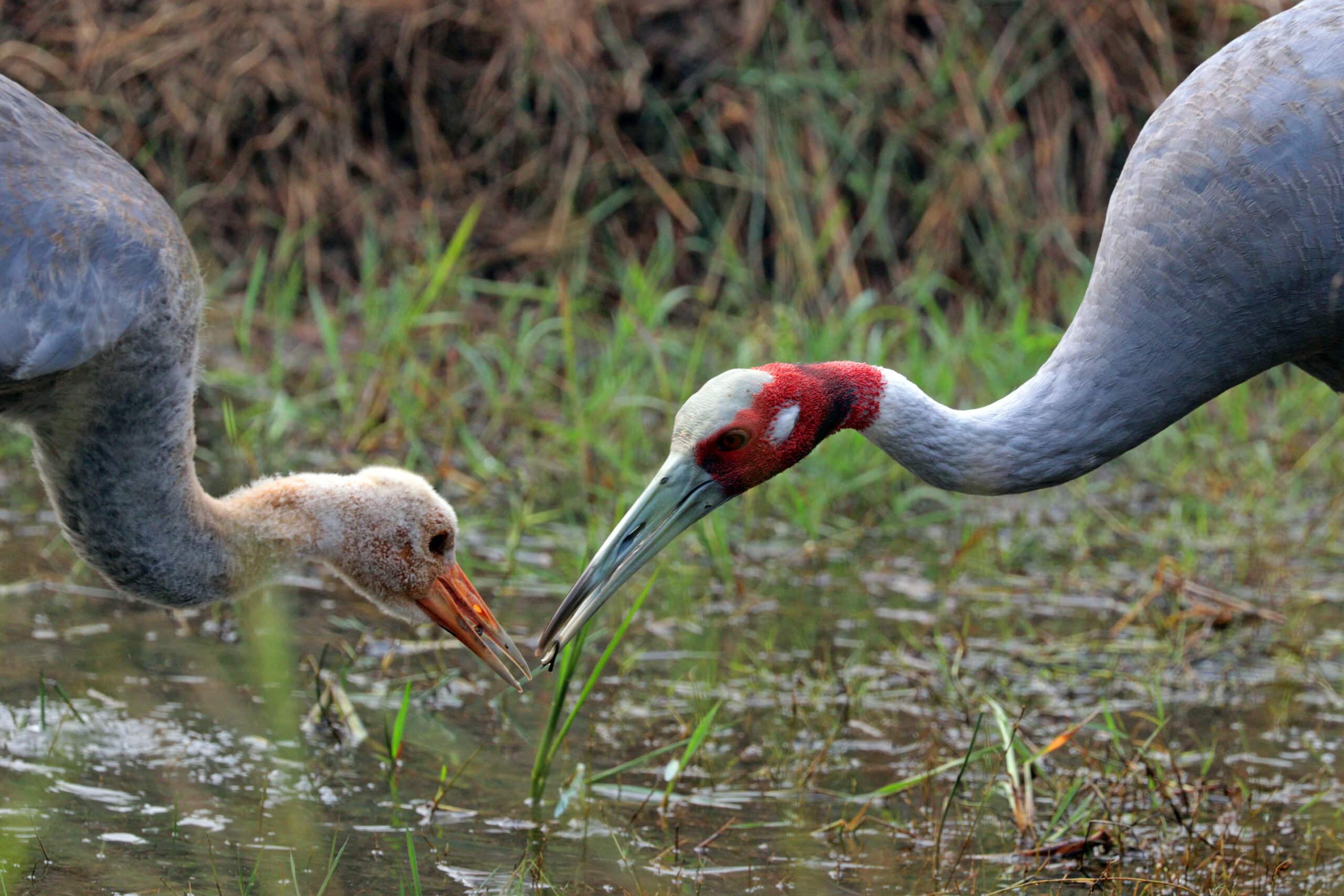
These magnificent cranes can live for an astonishing 30 years! This long life gives them plenty of time to bond with their partners and raise their young in family units.
Sarus Cranes are known for their impressive courtship dances. They perform graceful leaps and spins, flapping their wings, to impress each other. It is like a bird ballet, full of elegance!
During breeding season, Sarus Cranes create nests near water sources. They can lay anywhere from one to three eggs in a nest made of grass and reeds. Both parents help in keeping the eggs safe and warm.
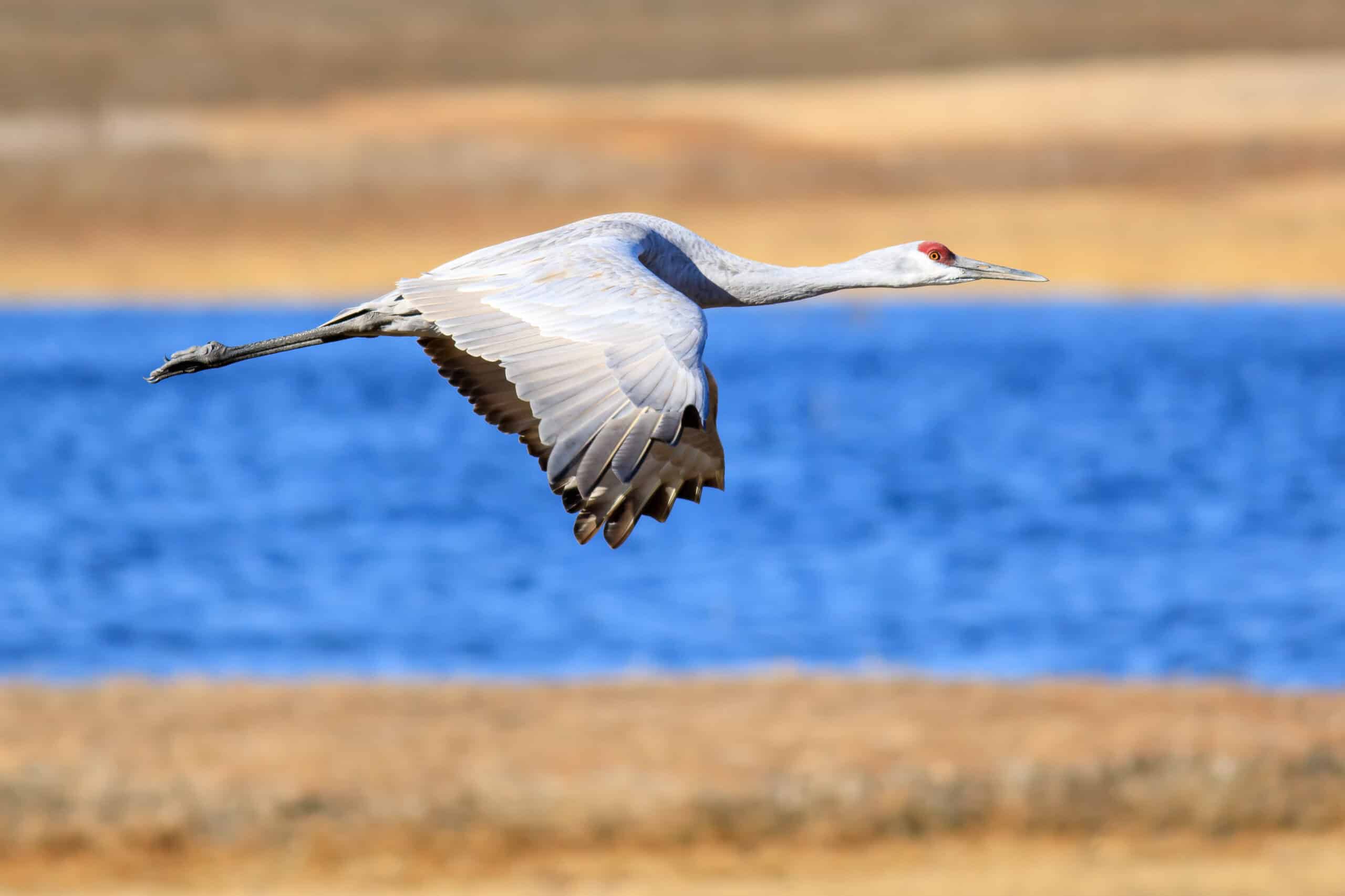
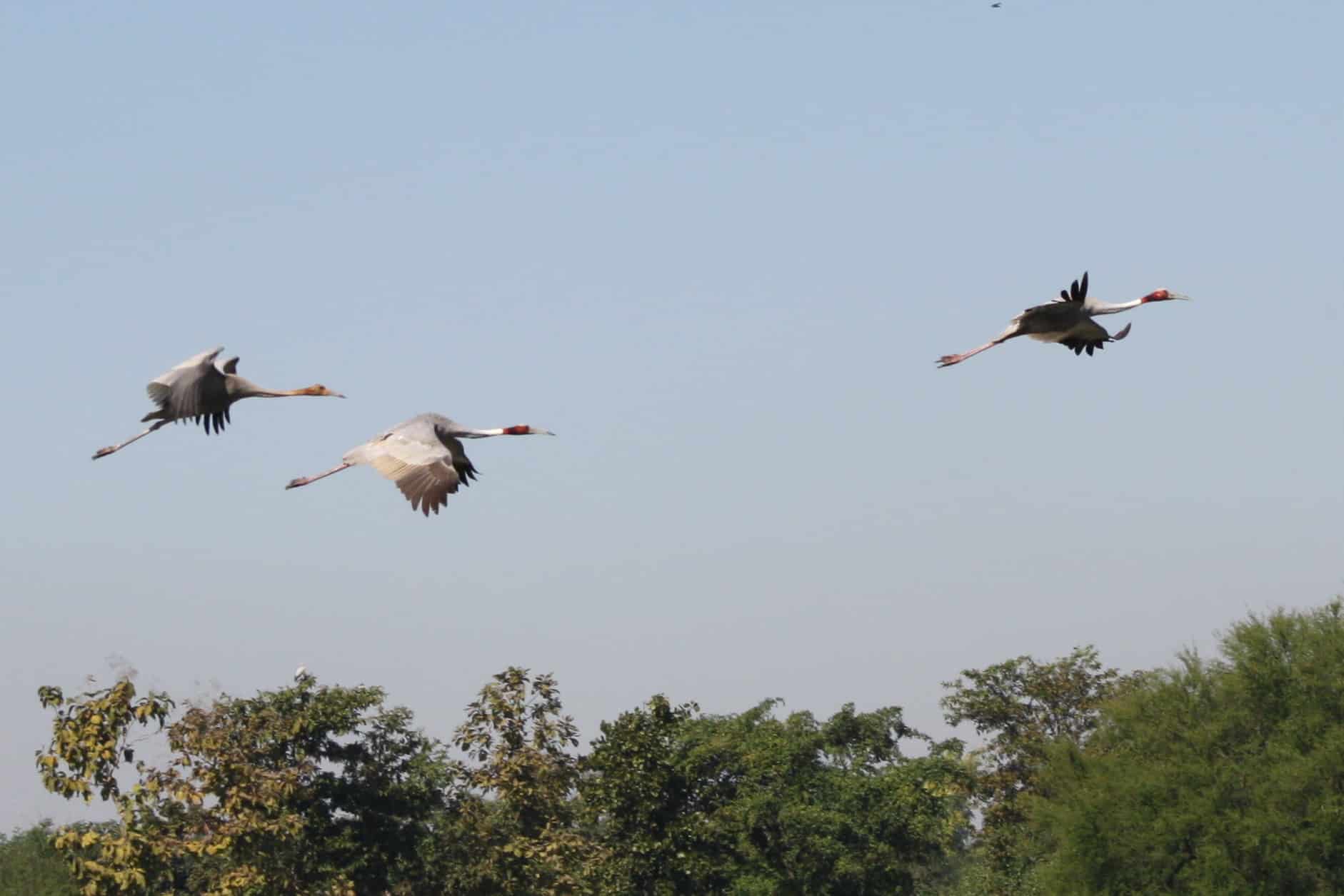
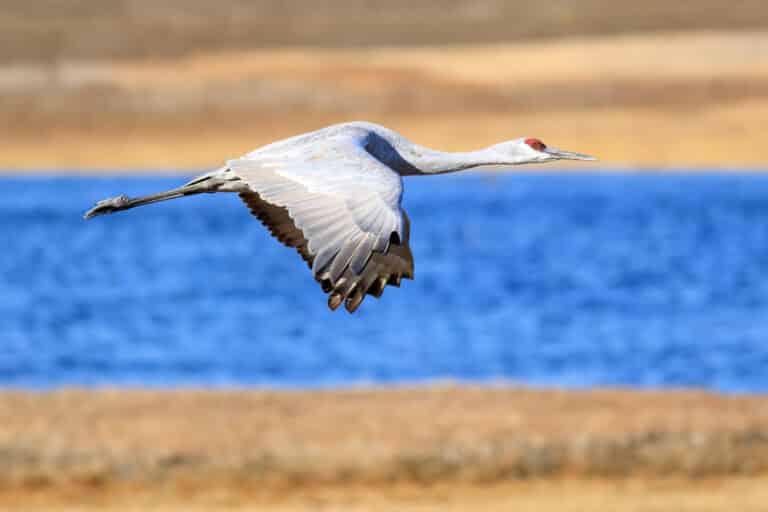
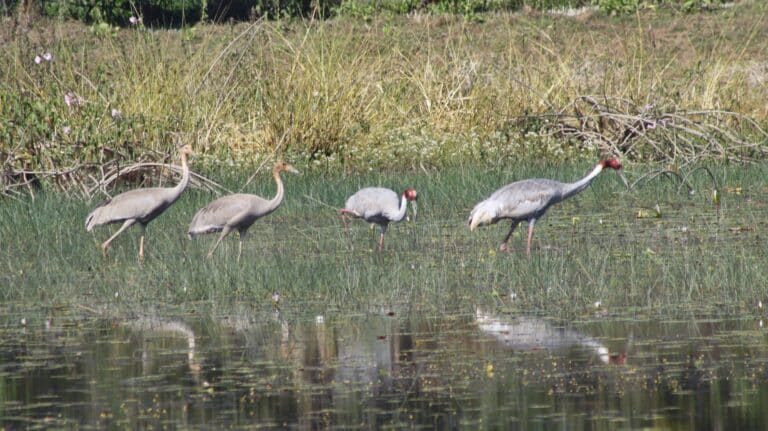
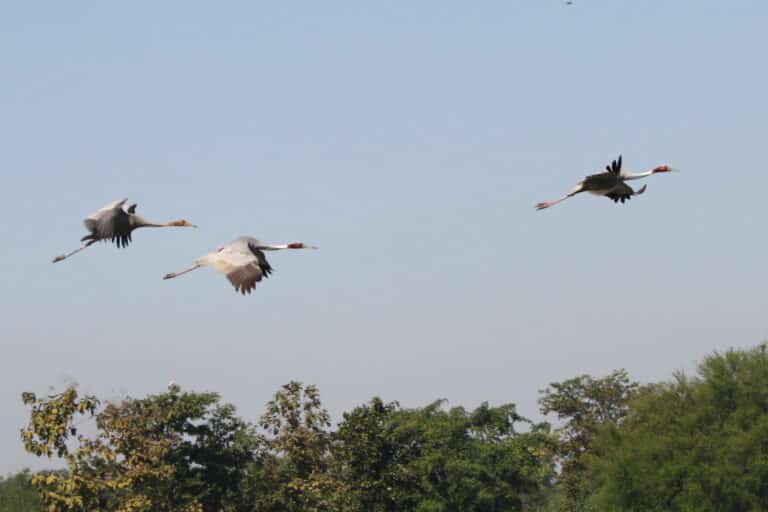
Sarus Cranes are social birds that often gather in groups. Watching them fly together in formation is a sight to behold! Their strong wings allow them to soar high above the wetlands.

Where can you find a Sarus Crane in the wild?
What does a Sarus Crane eat?
How big can a Sarus Crane grow?
How long does a Sarus Crane typically live?
What is the conservation status of the Sarus Crane?
What are the main threats to the Sarus Crane?
Fun facts
A Sarus Crane can use its long legs to wade in water that's about as deep as a small child’s waist, making it a champion of the wetlands!


Sarus Cranes can dance up to 35 different moves during their courtship displays, showcasing their talent! Imagine a bird version of a dance-off!
During their long lives, Sarus Cranes often stay with the same mate for many years, making them one of nature's most devoted couples.
These cranes can vocalize with deep trumpeting calls that can be heard up to a kilometer away, announcing their presence like nature's loudspeakers!
Sarus Cranes help their ecosystem by controlling insect populations, acting like feathered pest controllers as they search for snacks in the mud.
When resting, Sarus Cranes often stand on one leg, much like a flamingo, showing off their balancing skills!
The striking red patch on a Sarus Crane's head becomes brighter during mating season, signaling to potential partners that it's time to dance!
These cranes build their nests using reeds and grass, creating a cozy little home to keep their eggs safe, much like an avian construction project!
Sarus Cranes have been spotted living in family groups, where they play together and help each other keep an eye out for predators!
Scientists believe Sarus Cranes can recognize individual humans, allowing them to form unique bonds with their human caretakers.
Photos



The Basics


explore more
Amphibians
Arachnids
Birds
Cats
Crustaceans
Fish
Fish Pet Guide
Gastropods
Insects
Invertebrates
Mammals
Pet Fish
Pet Rodents
Plants
Reptiles
Roundworms
Sea Slugs