
Successfully copied to clipboard!
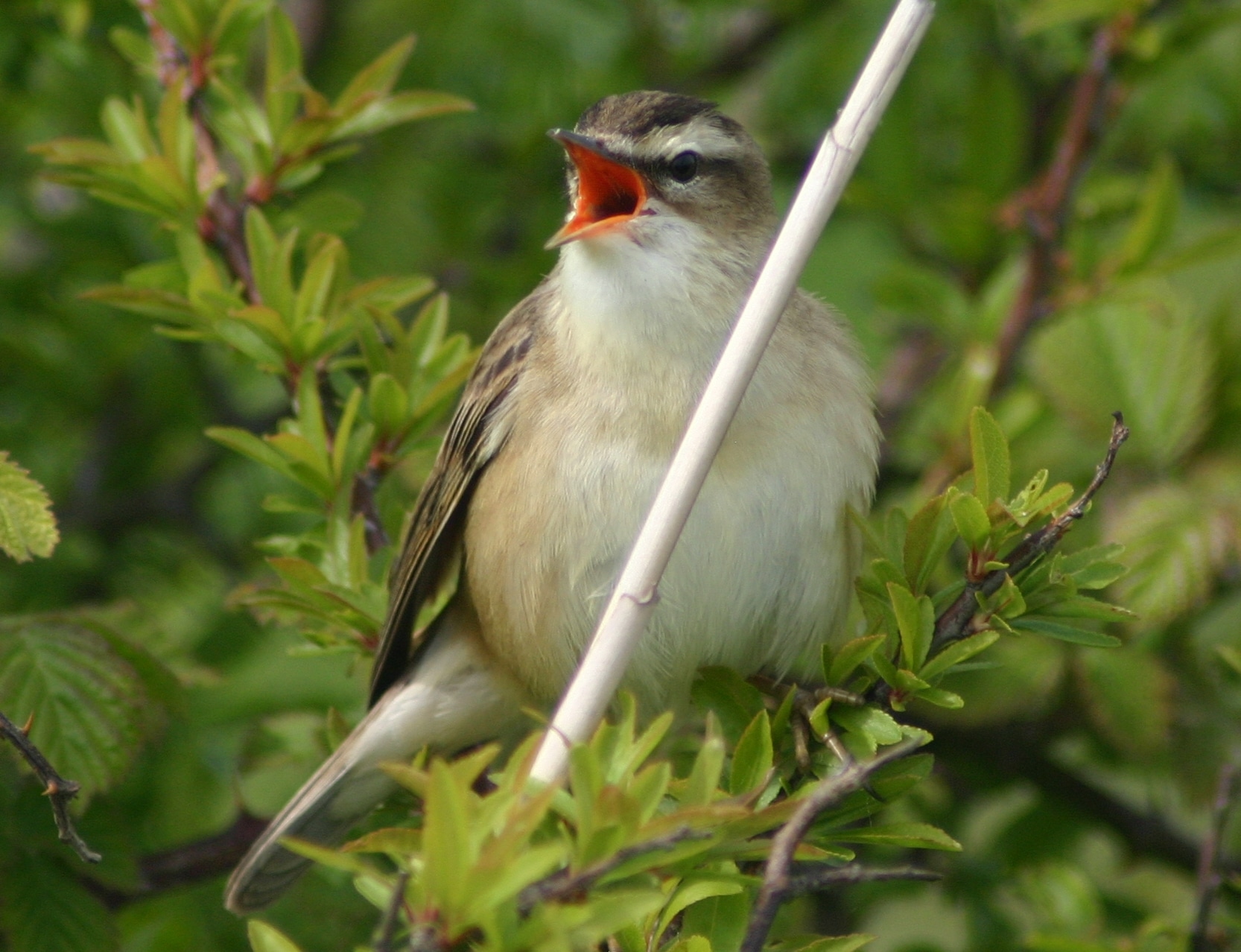
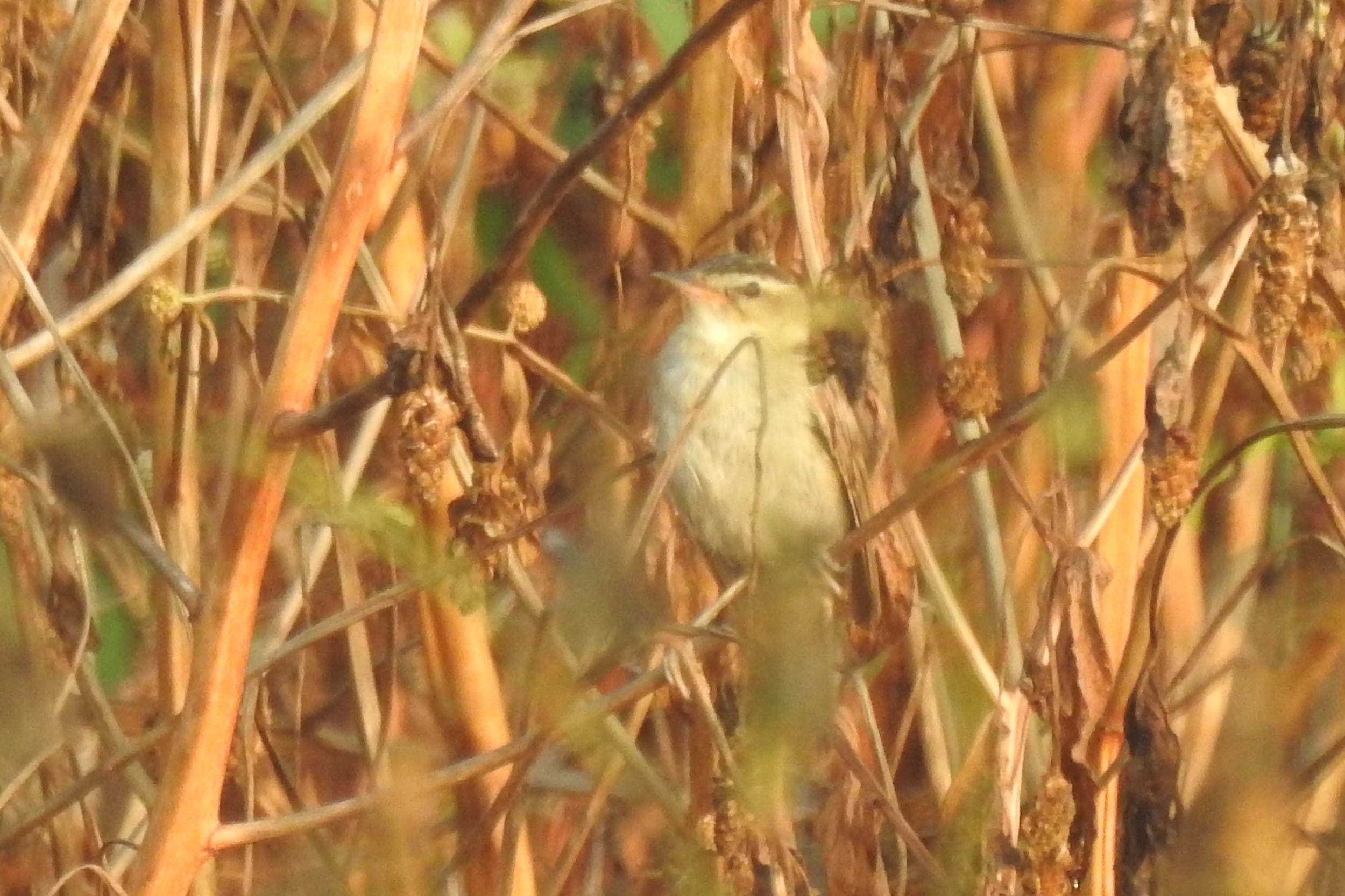
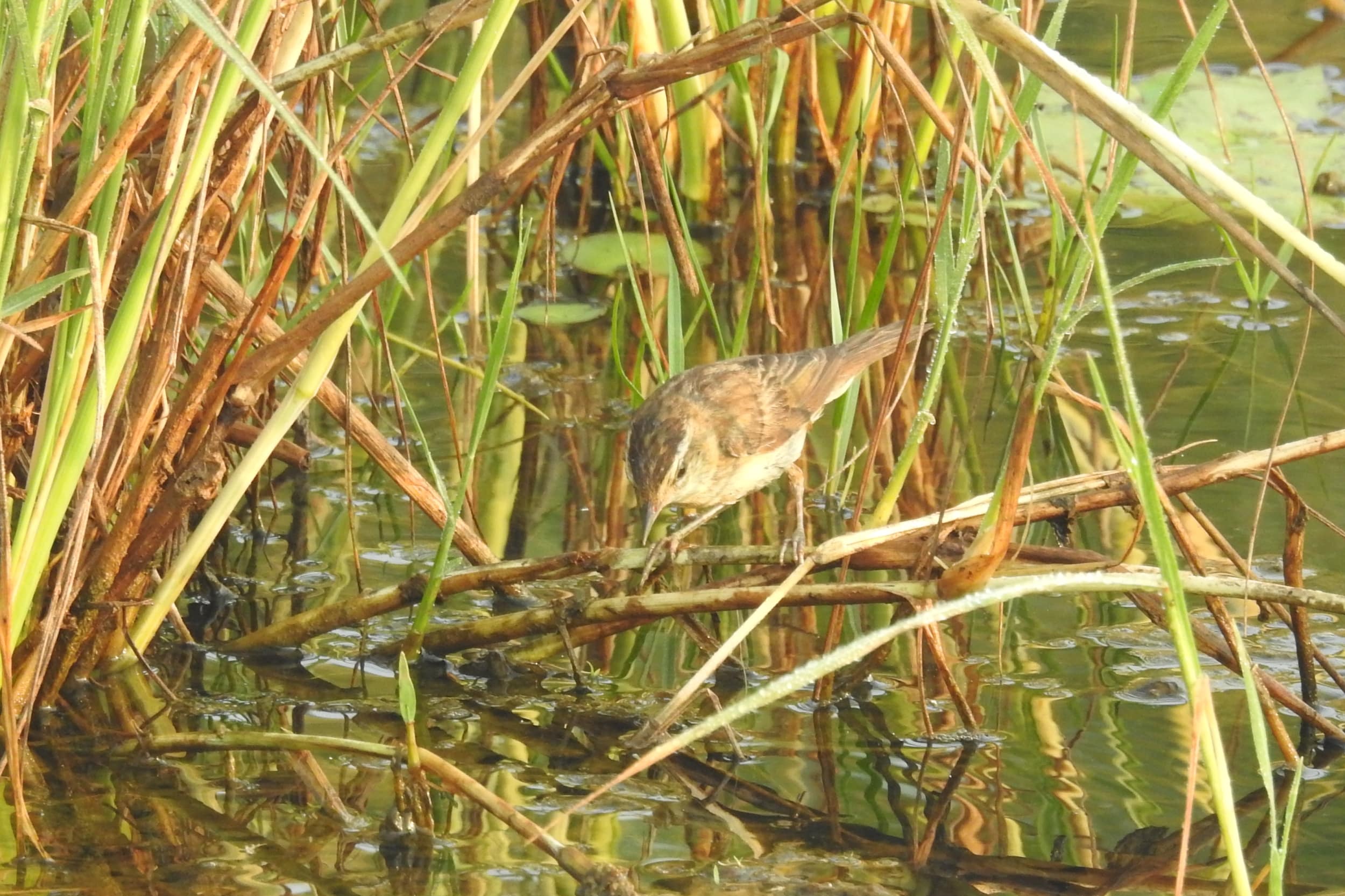
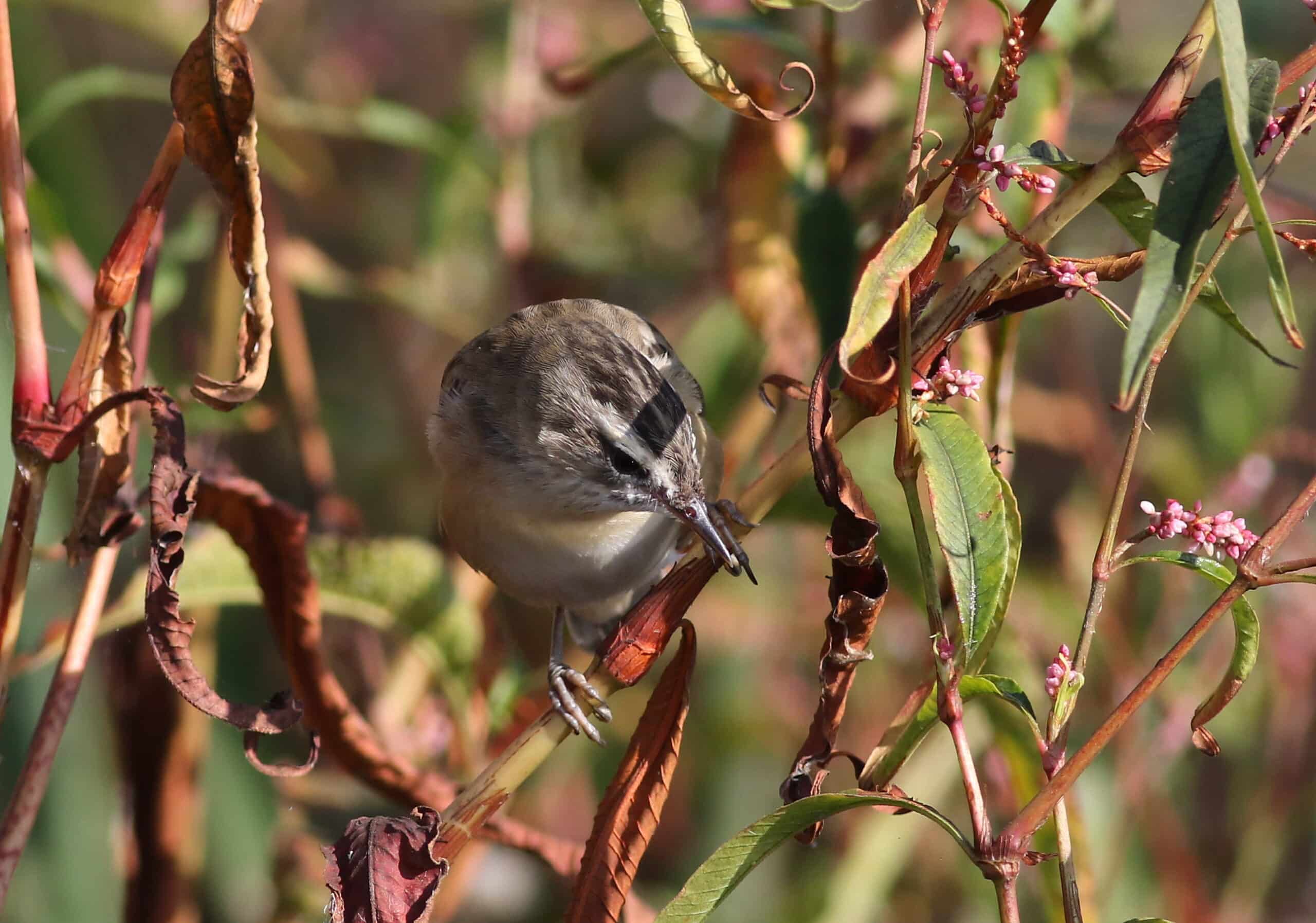
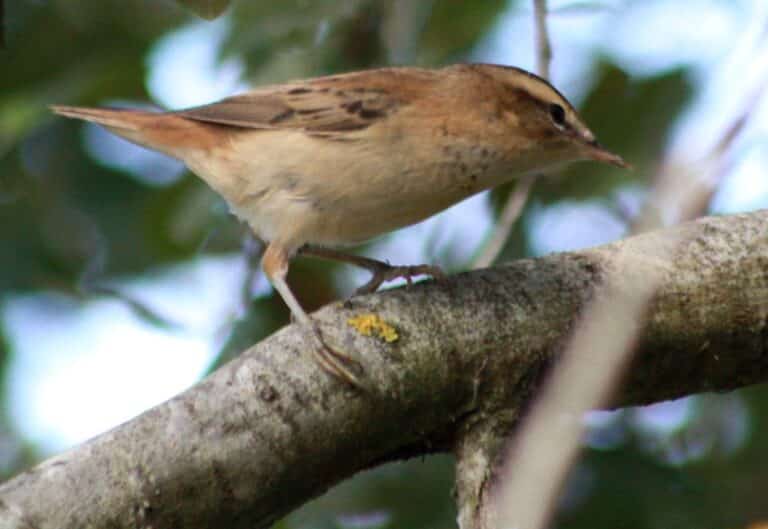
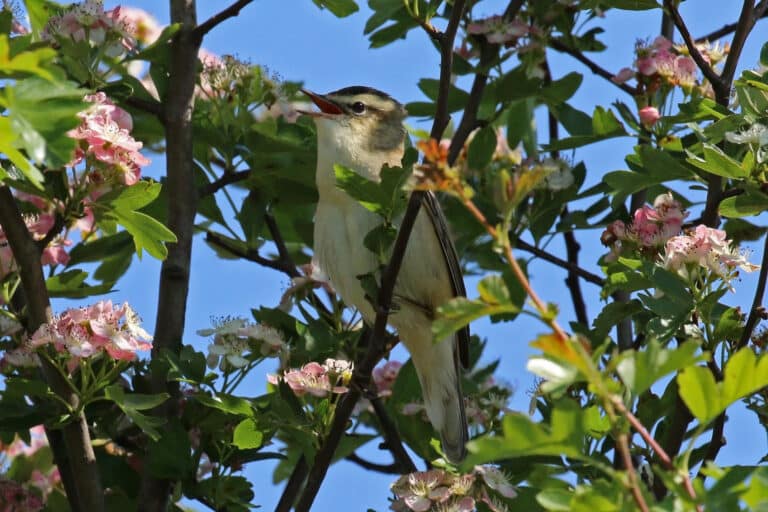
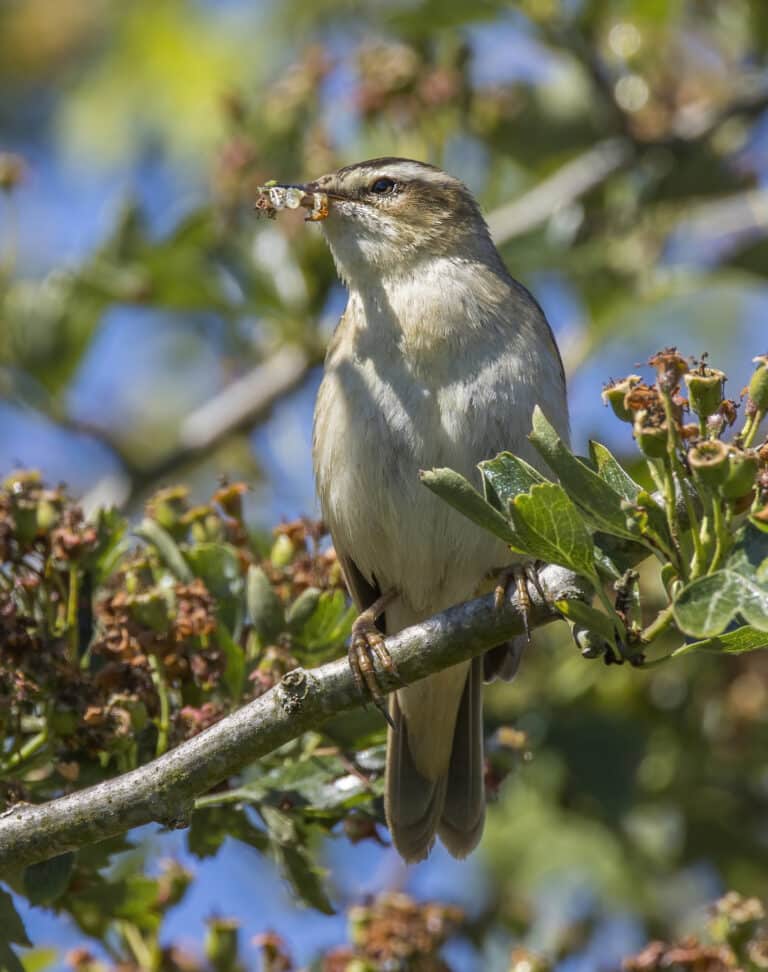
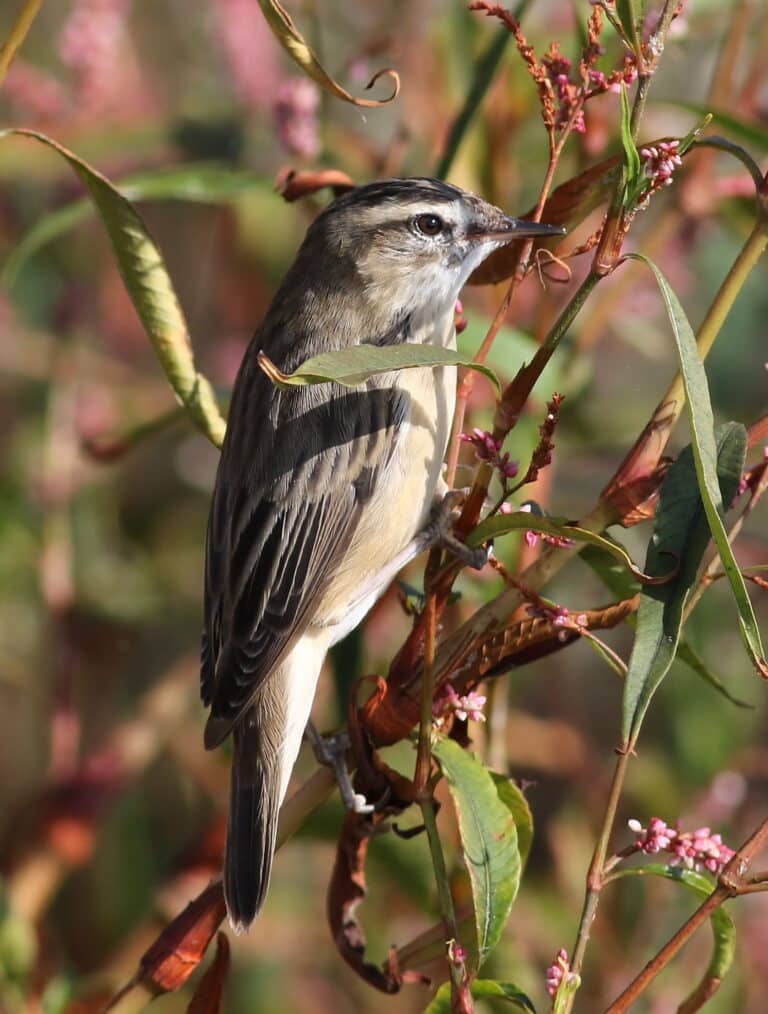
Sedge Warbler
Sing along with nature's lively little performers of the wetlands!
Let’s Explore
Overview
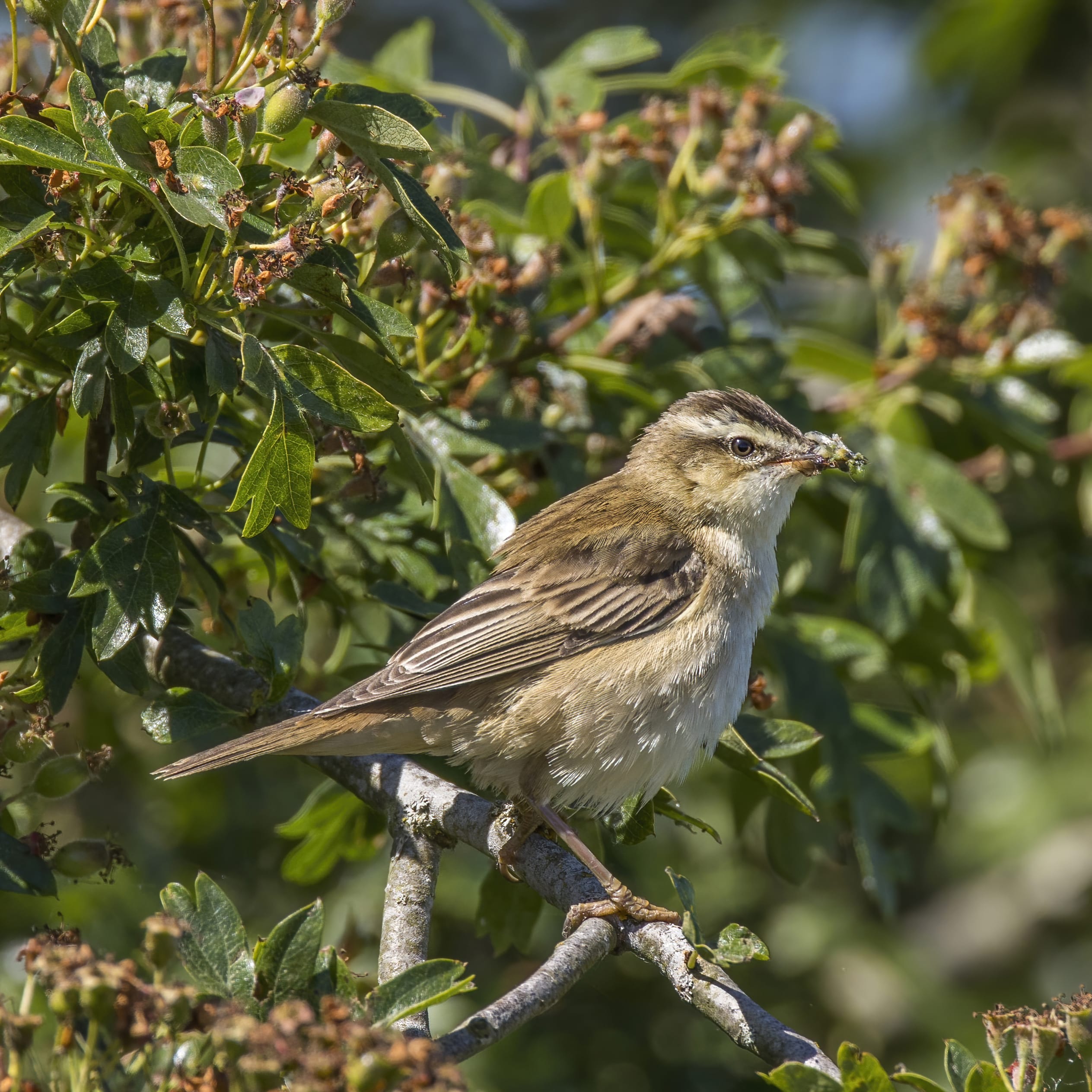
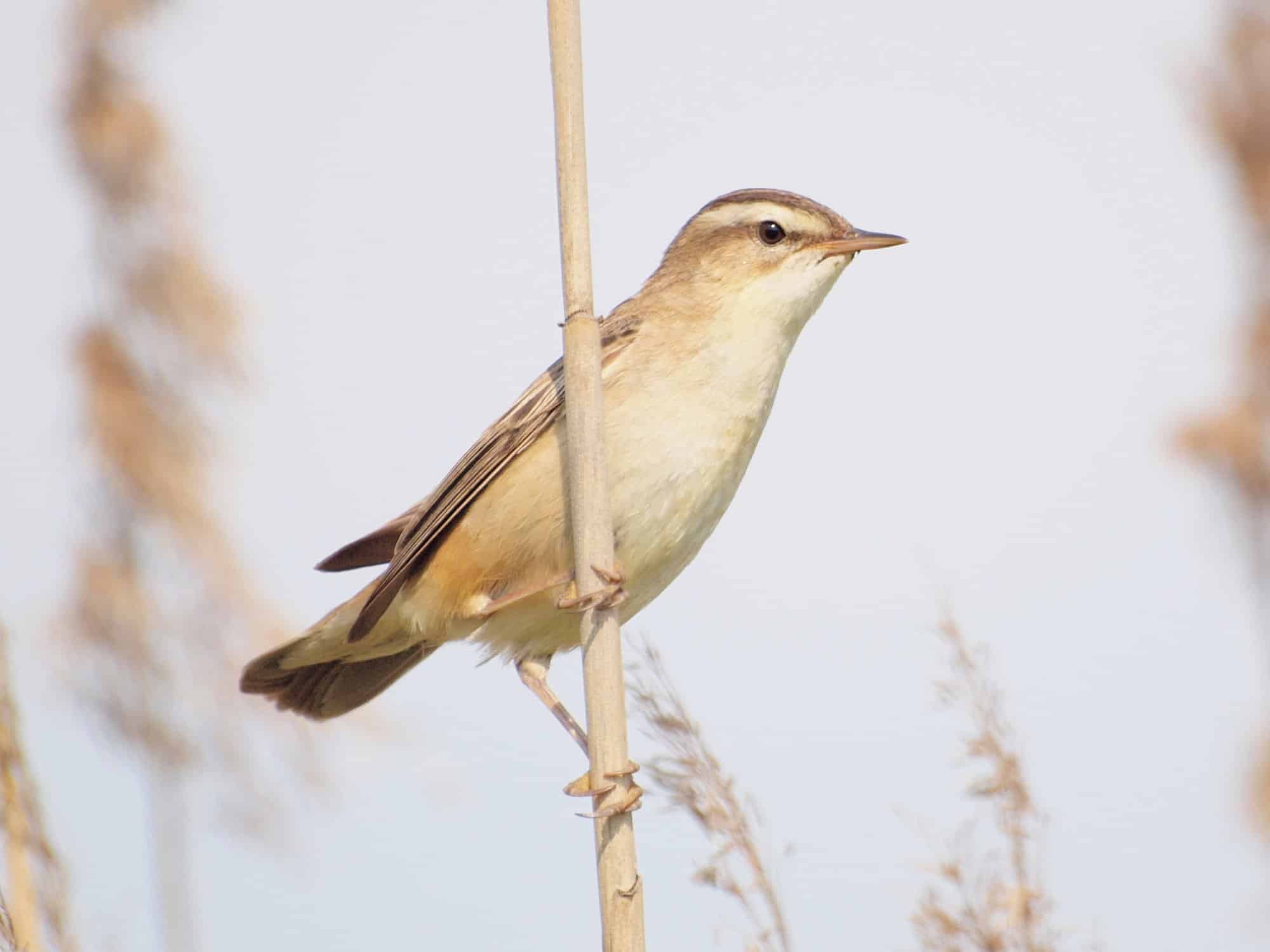
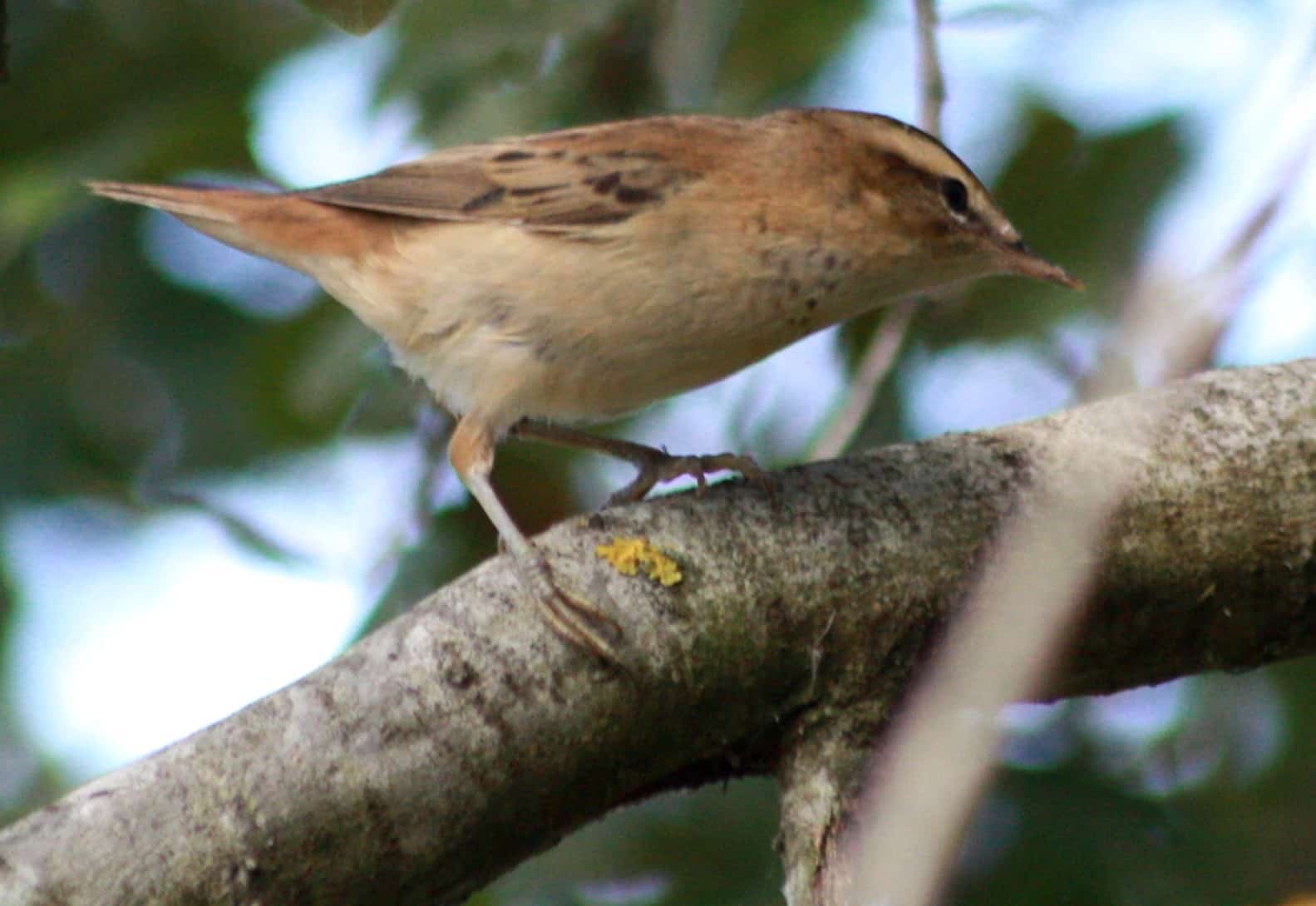
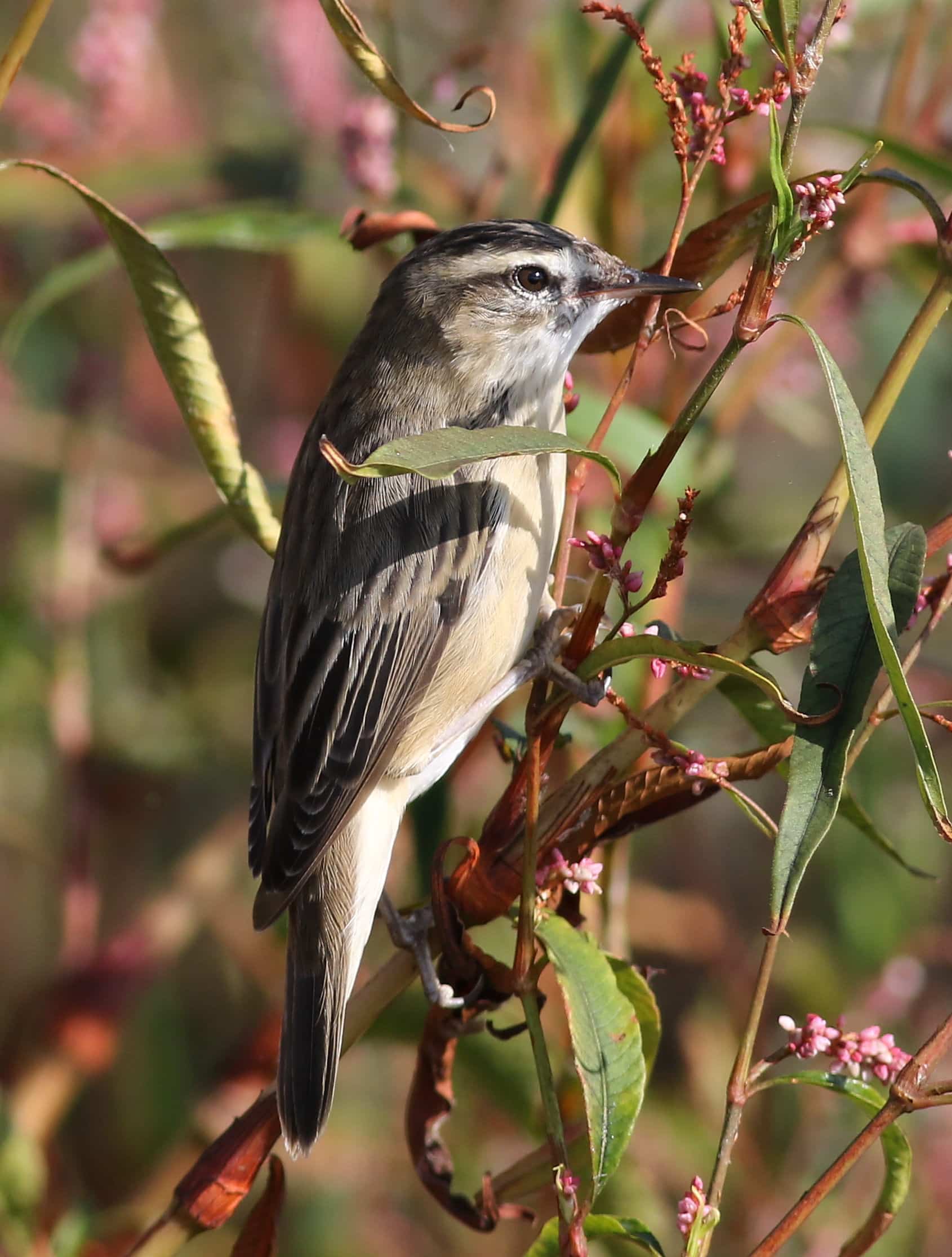
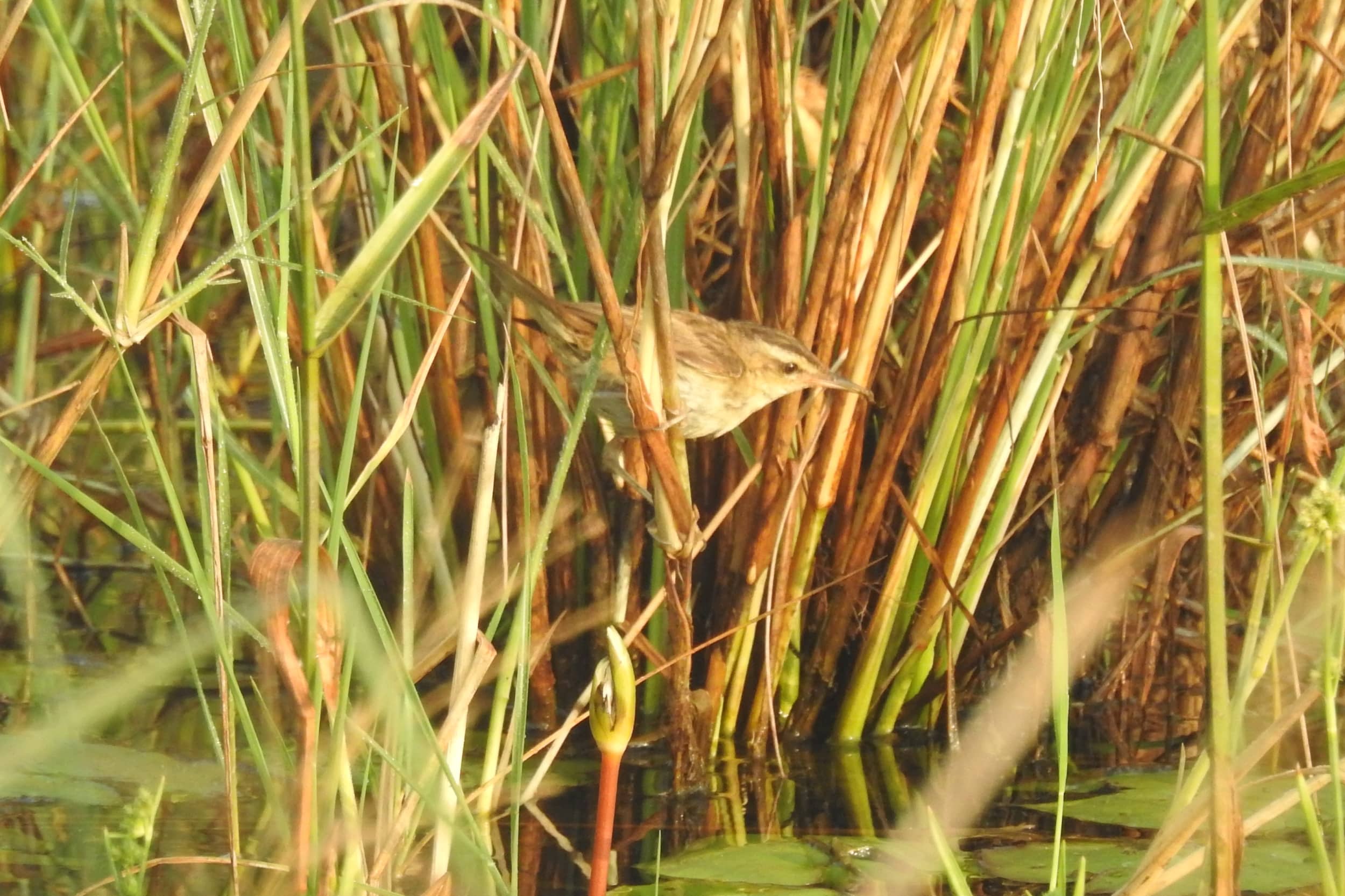
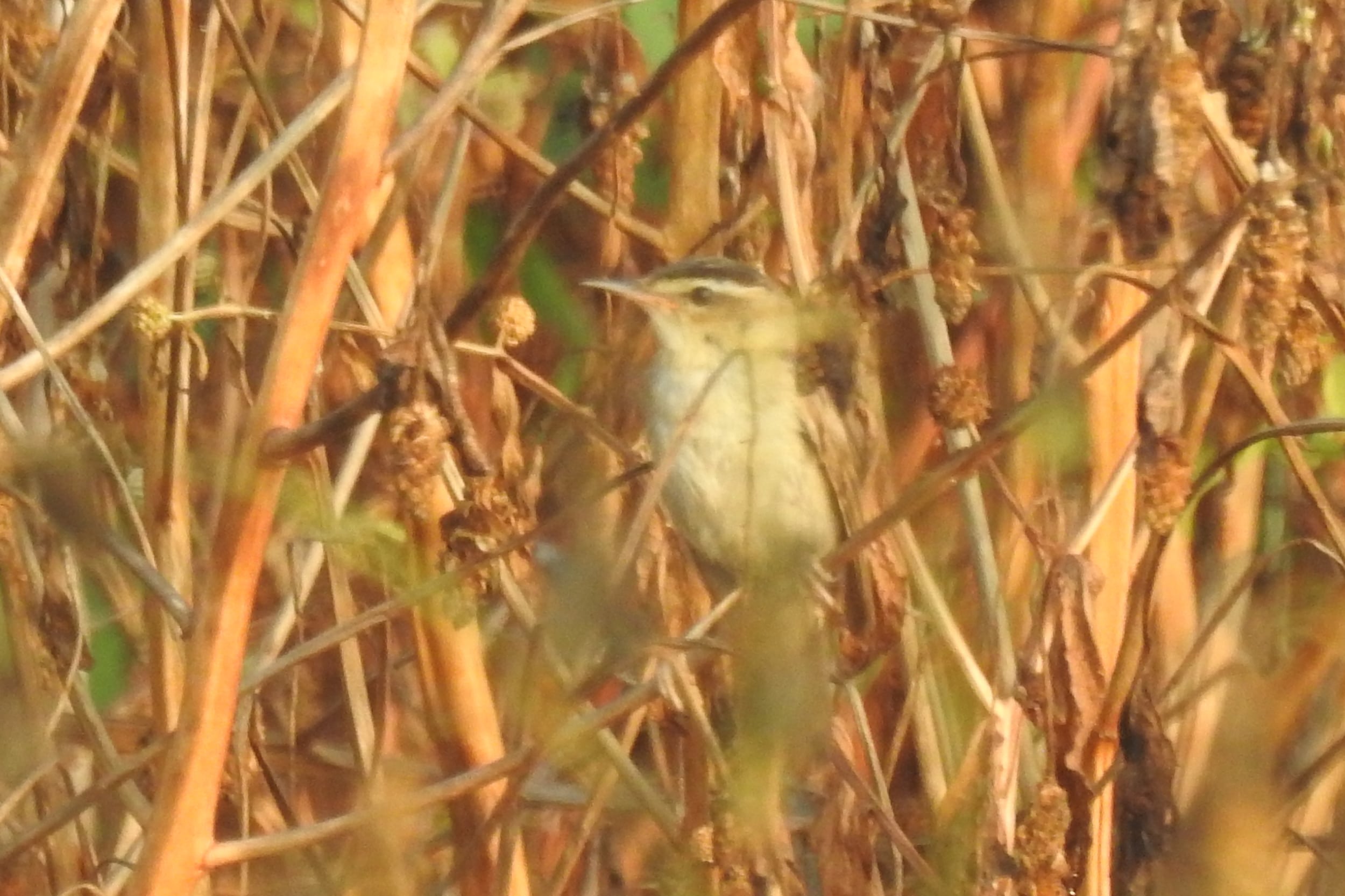
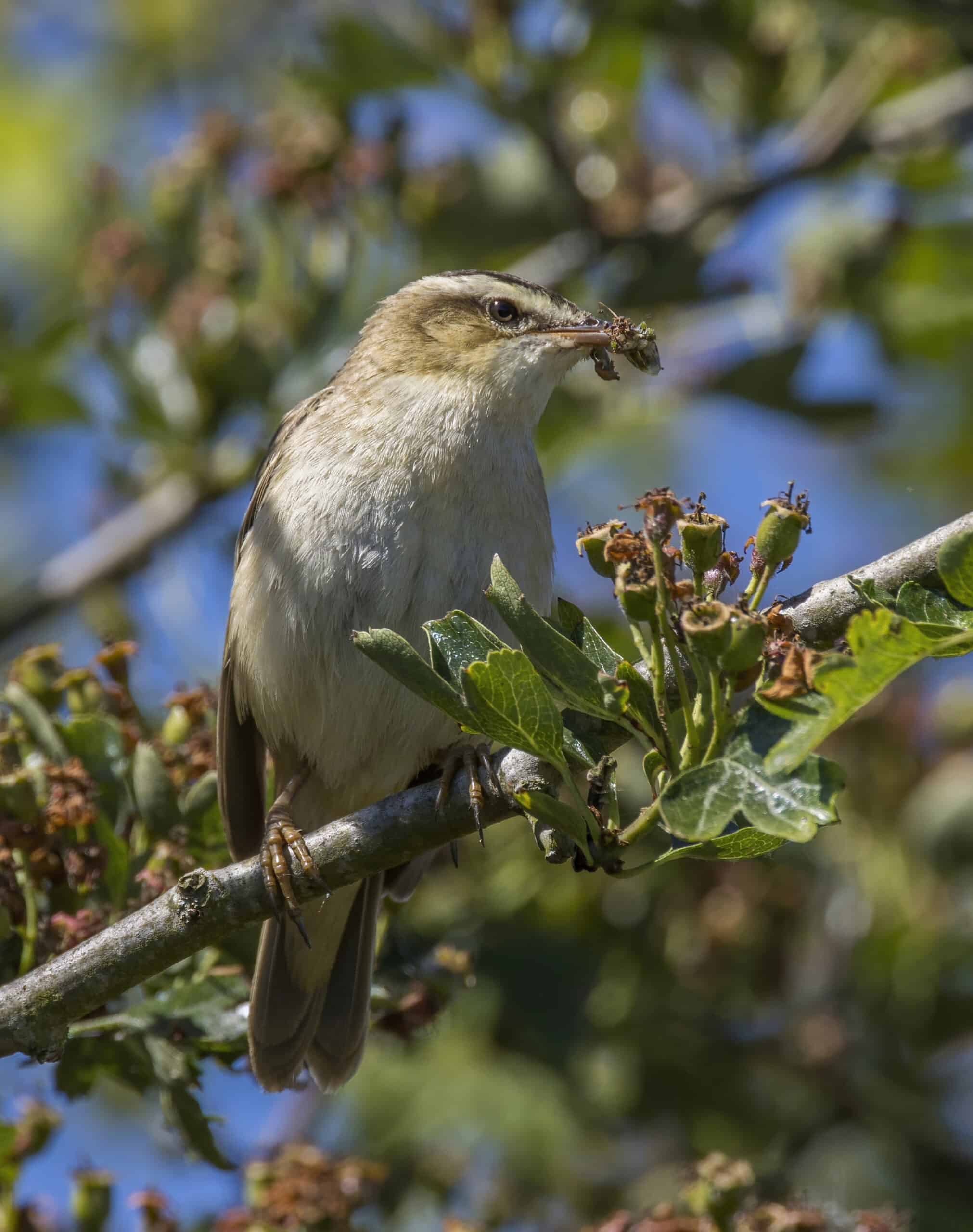
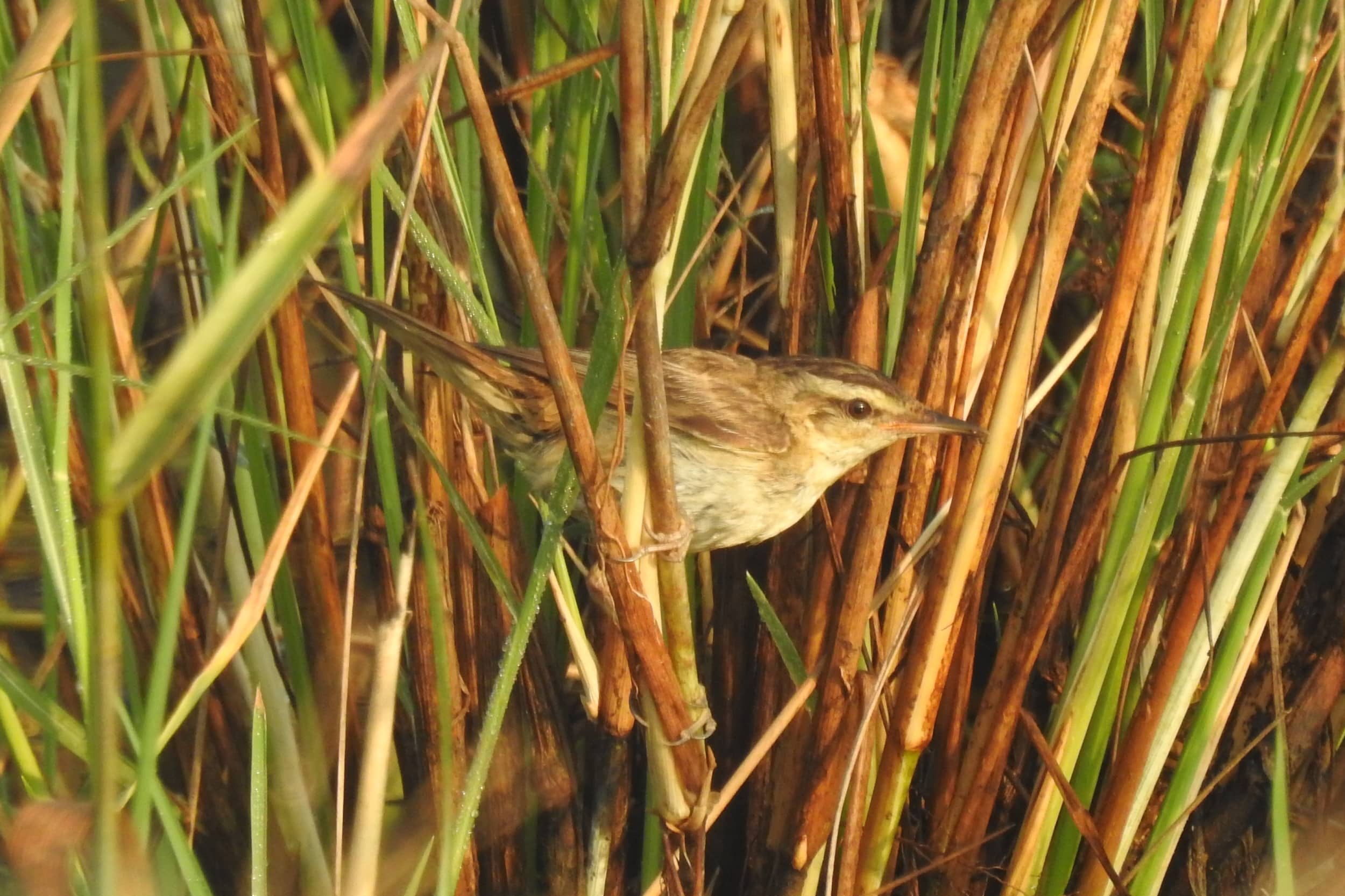
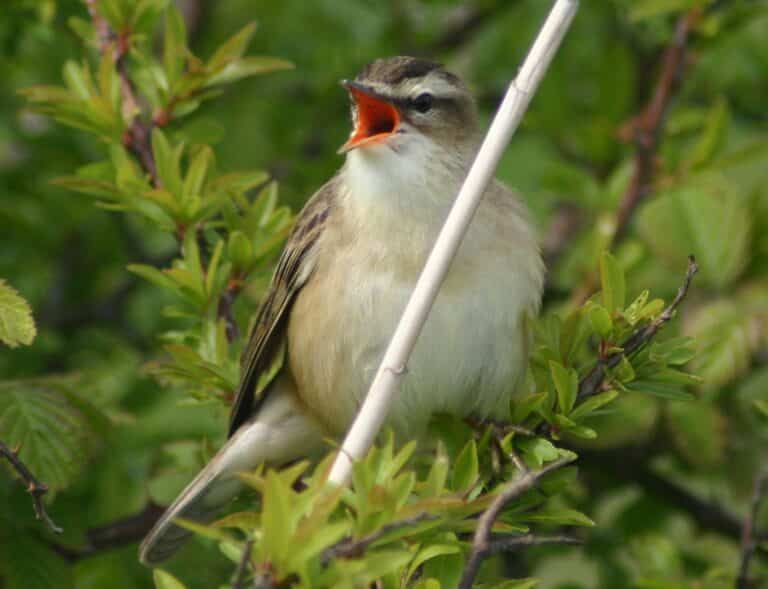
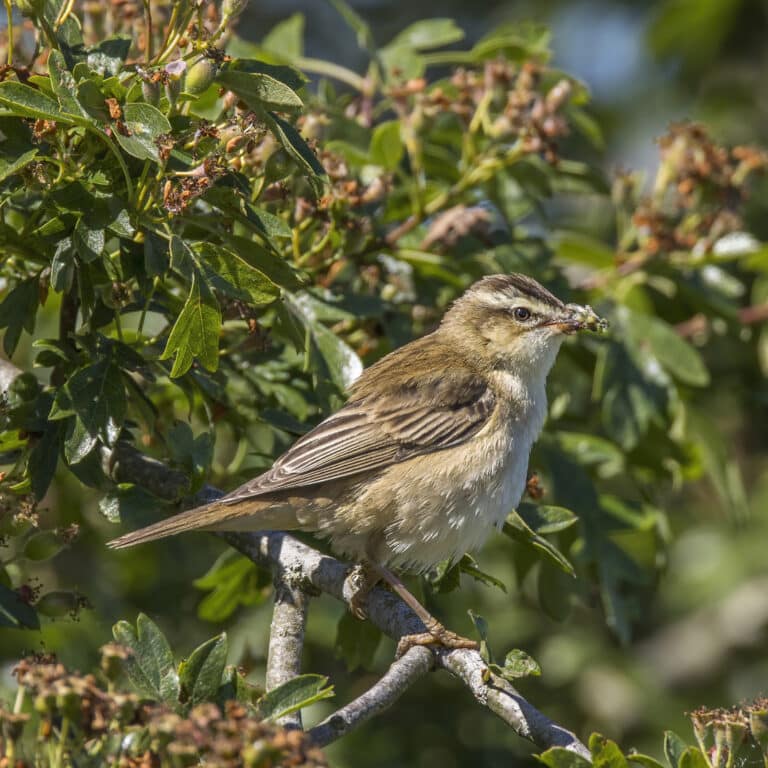
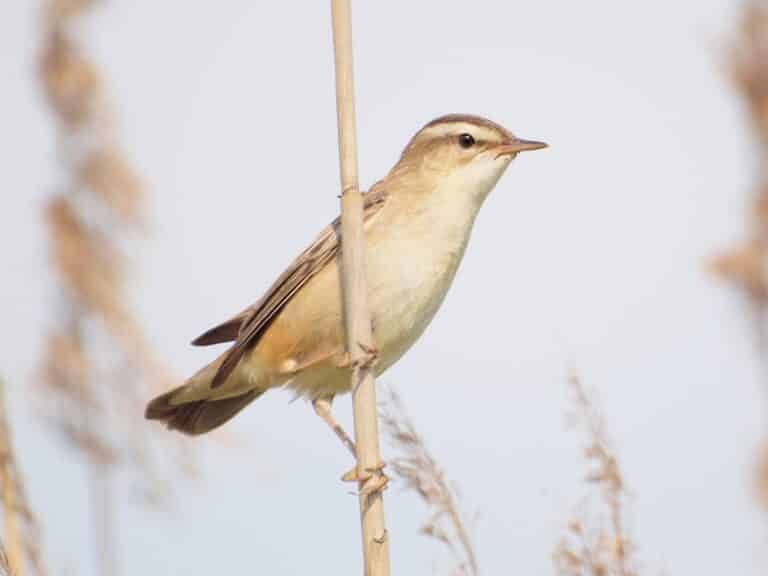
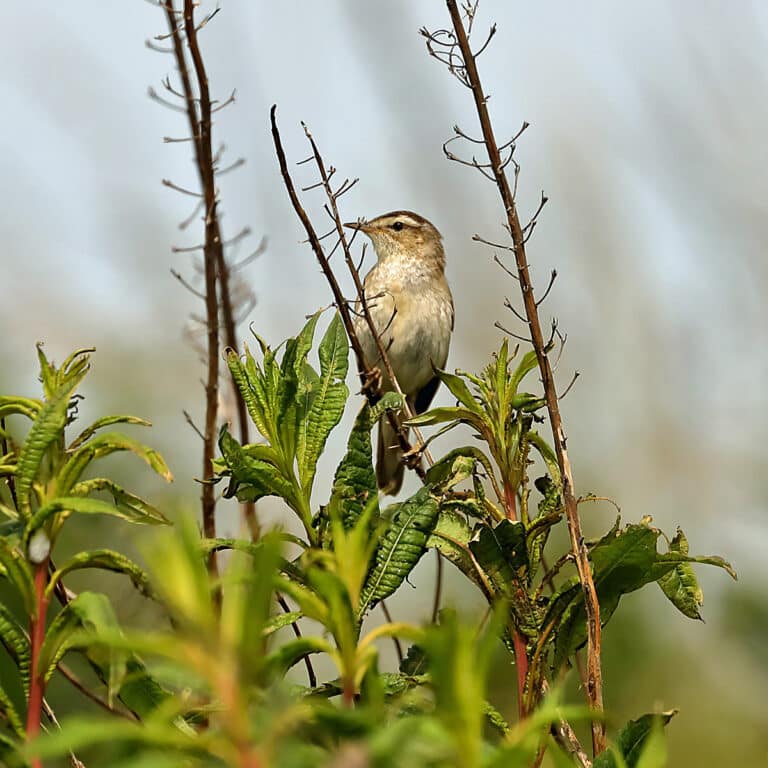
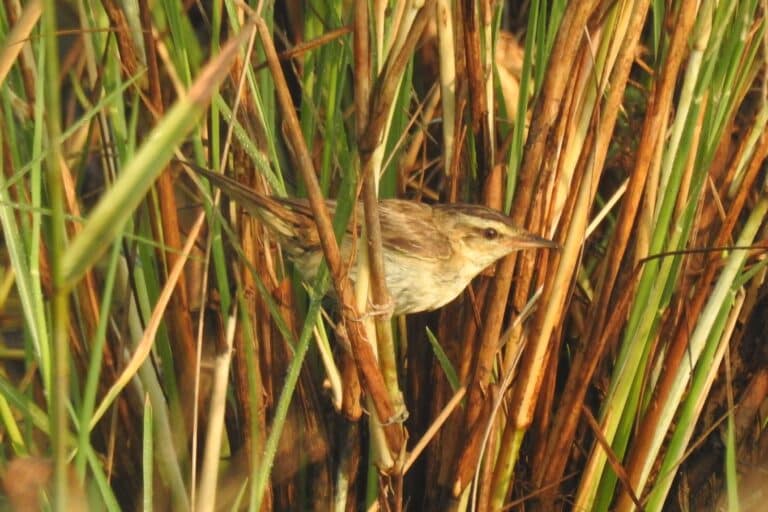
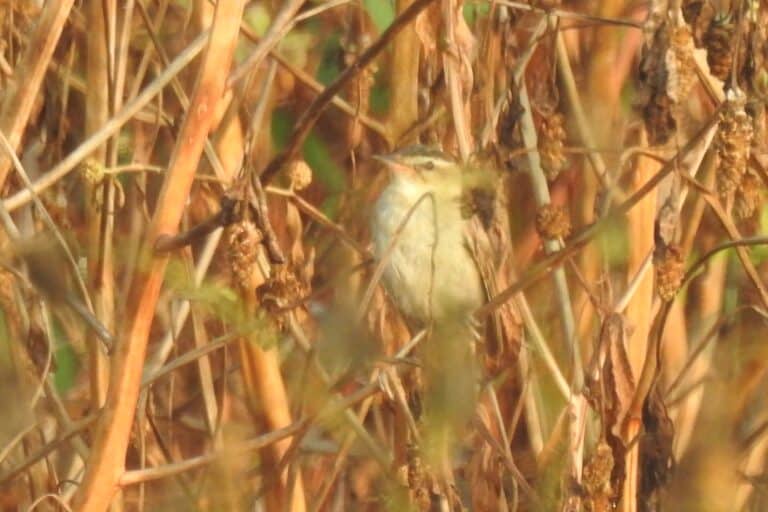
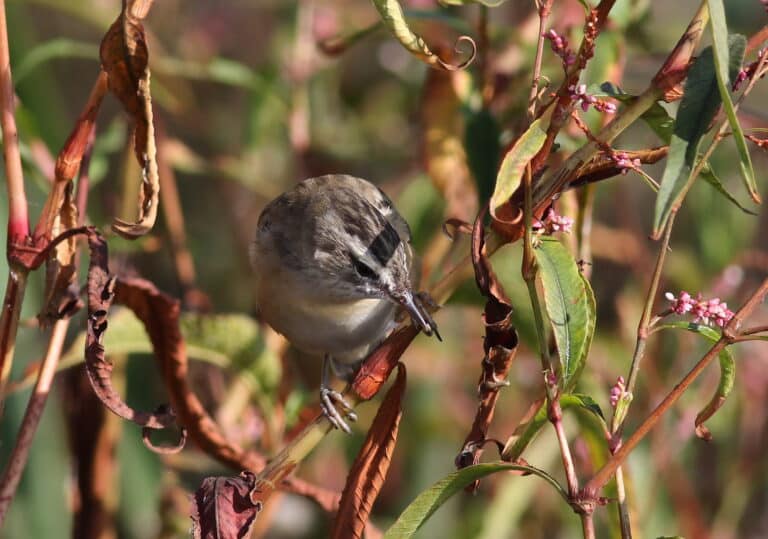
The Sedge Warbler is a charming little bird that measures about 13 centimeters, or 5 inches, in length. This feisty feathered friend belongs to the class Aves and flies around Africa, bringing joy wherever it flits!
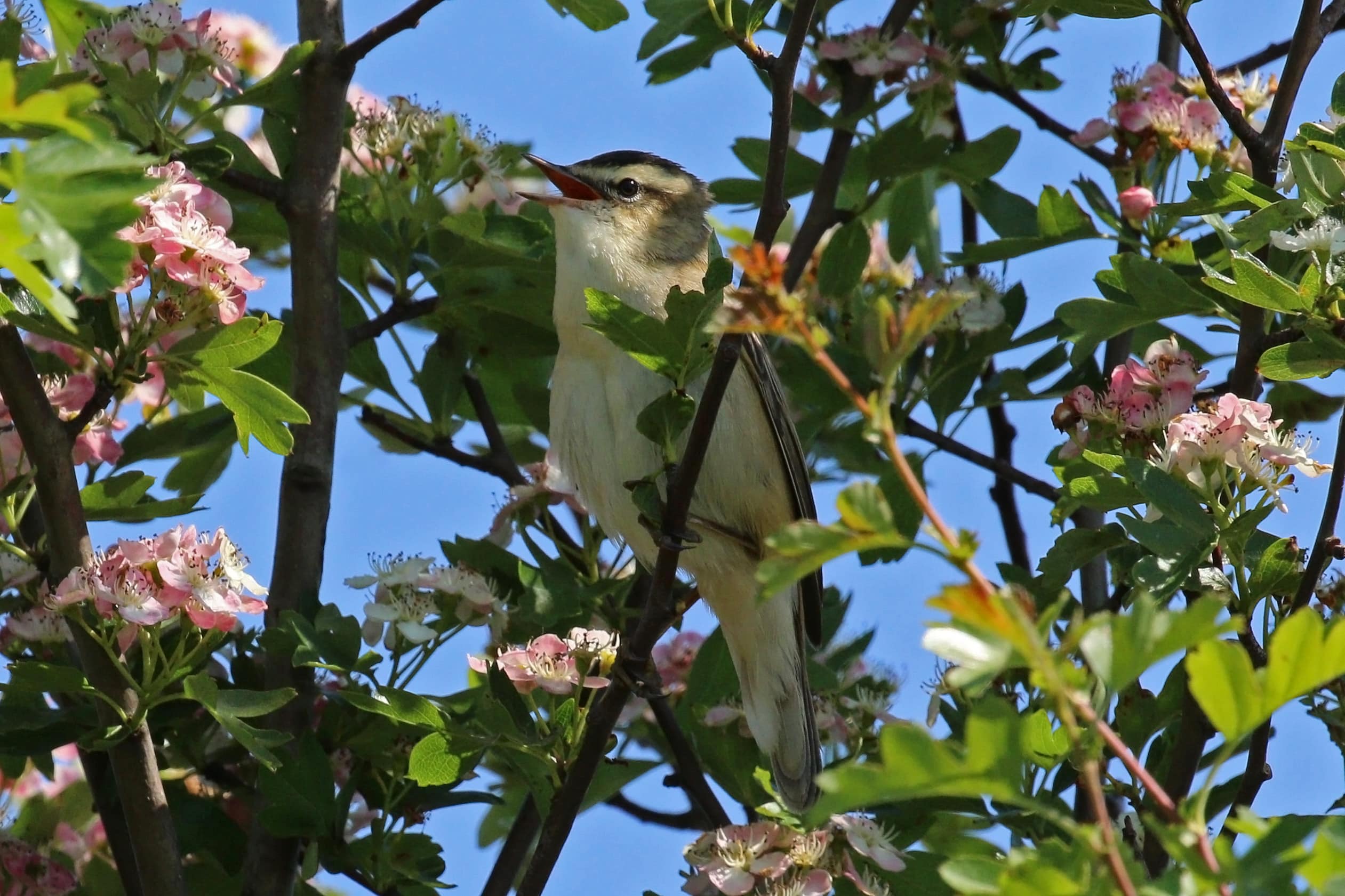
Sedge Warblers have a special talent for singing. Males produce a delightful song filled with trills and whistles, often mimicking other birds and sounds in their environment. This helps them attract females and claim their territory!
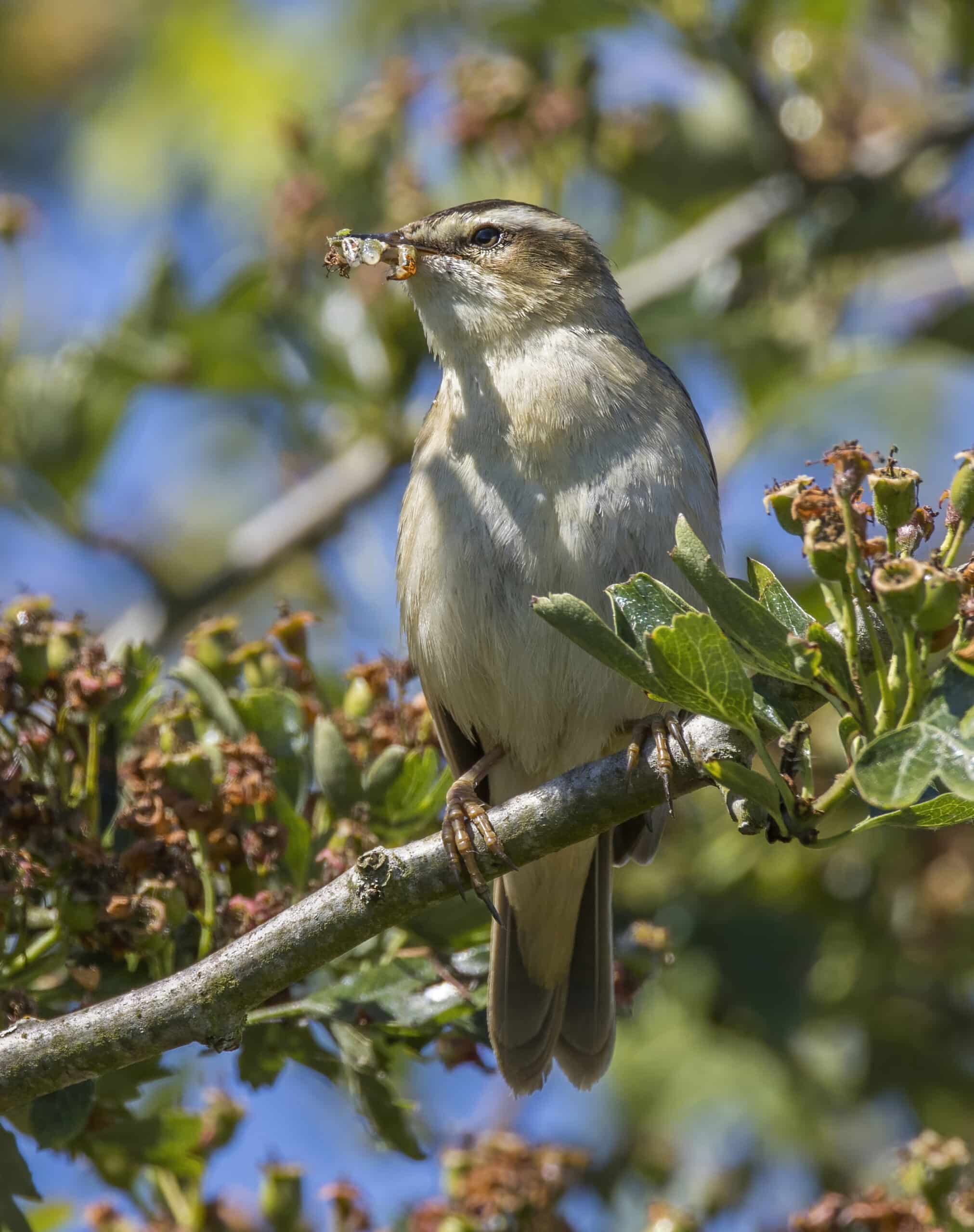
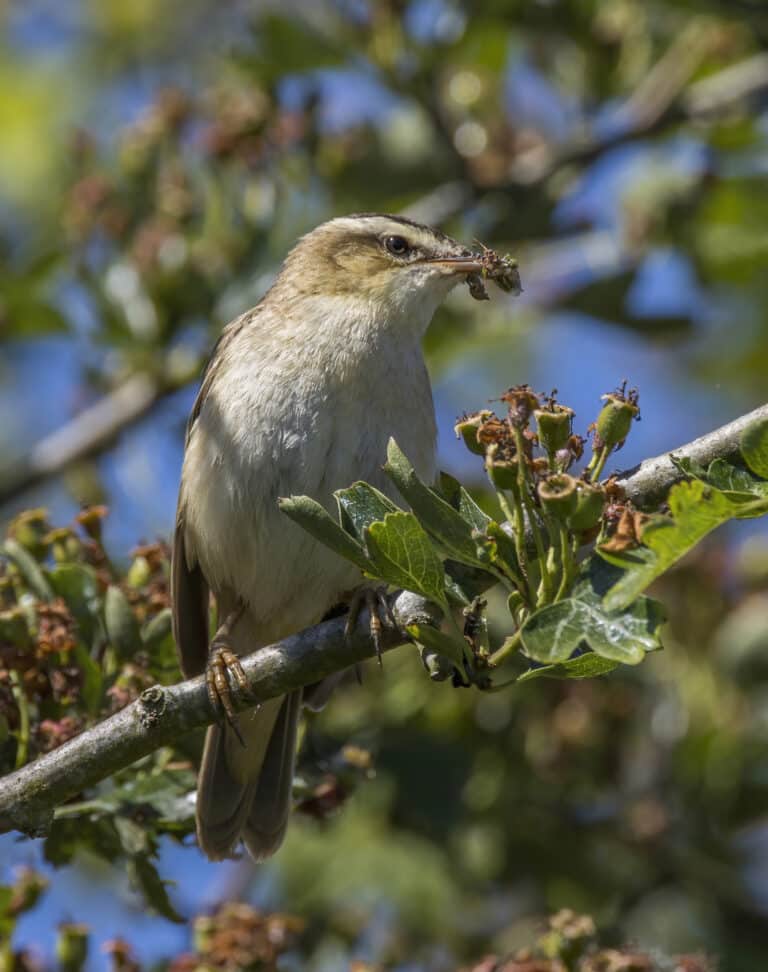
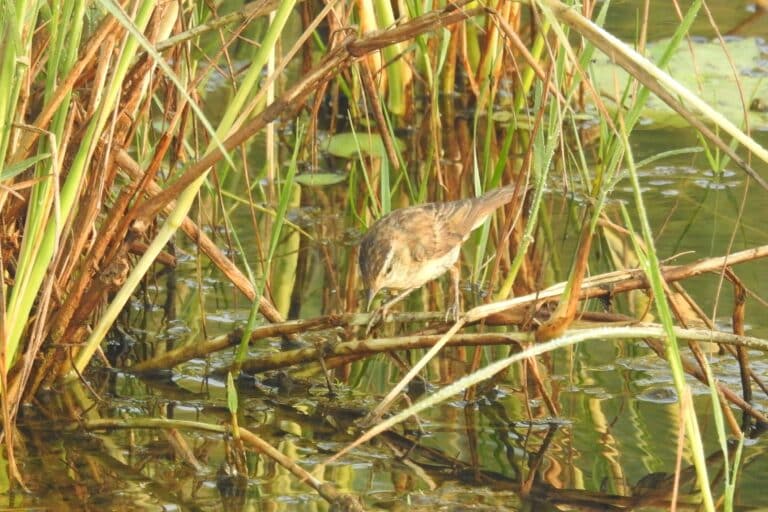
This bird loves a tasty snack! Its diet includes insects, spiders, and small mollusks, which provide the energy it needs for its adventures. Sedge Warblers are clever foragers, hunting for food among reeds and grasses.
Sedge Warblers lead a quick life, with an average lifespan of just 2 years. They grow up fast and learn to adapt to various environments, making them little survivors in the wild!
These birds belong to the family Acrocephalidae, which means they have many relatives that share similar traits. Their scientific name, Acrocephalus schoenobaenus, may sound complicated, but it simply helps scientists identify them correctly!
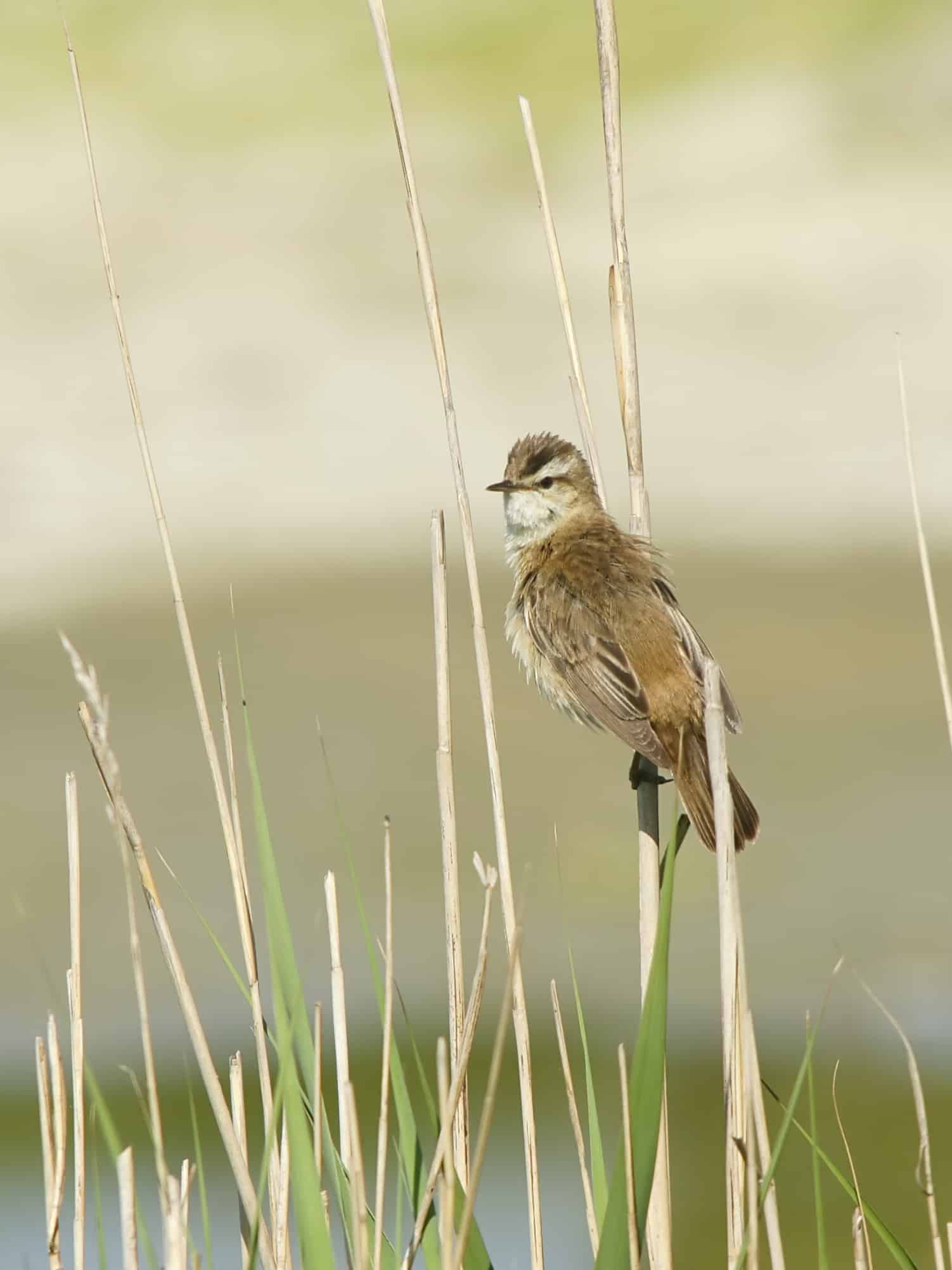
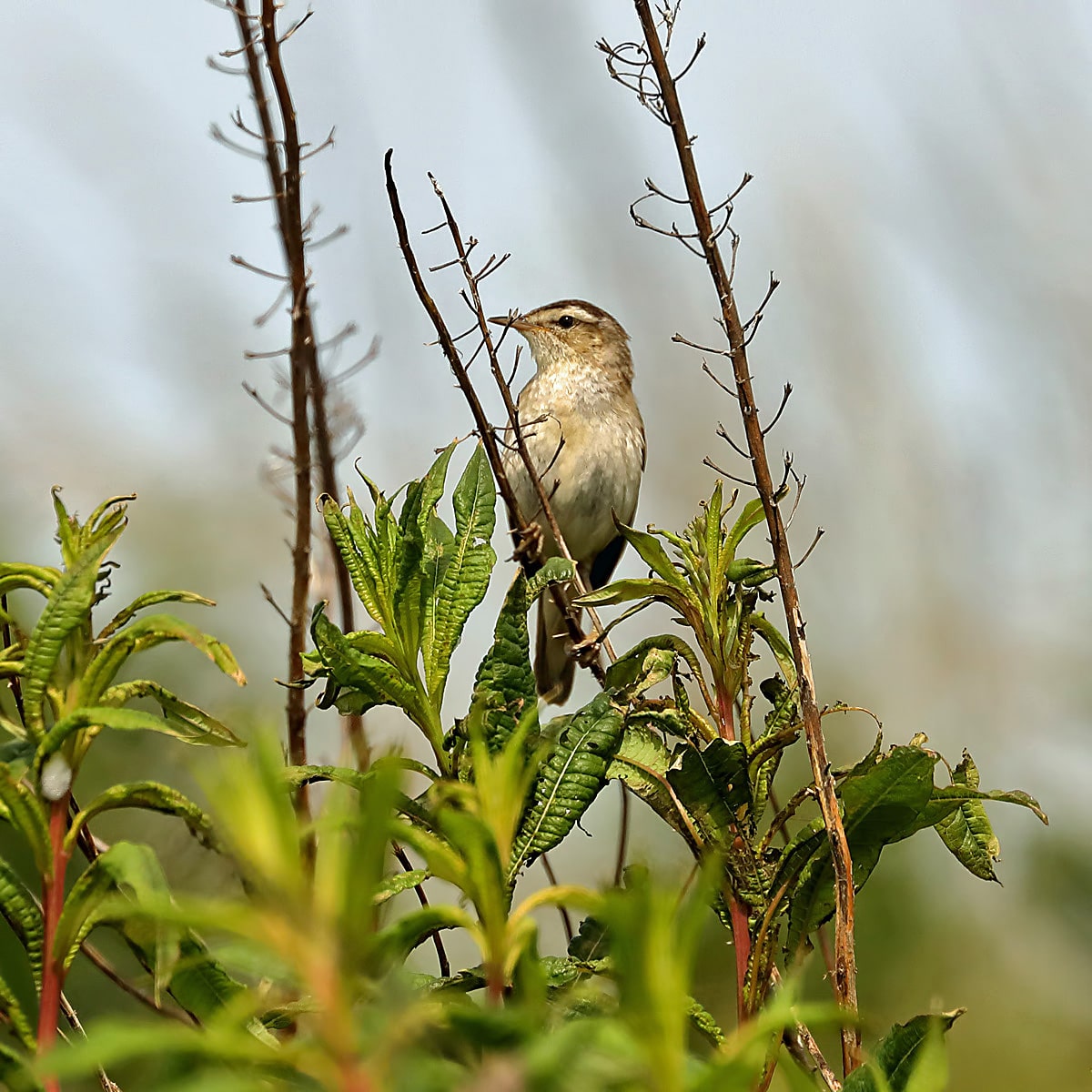
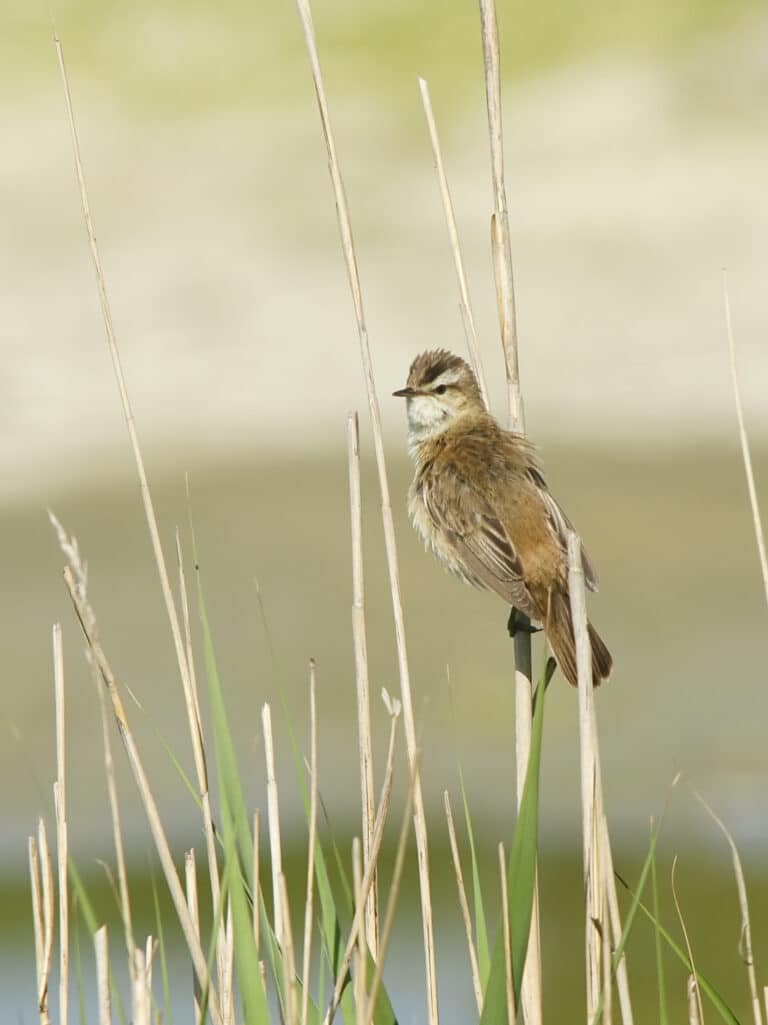
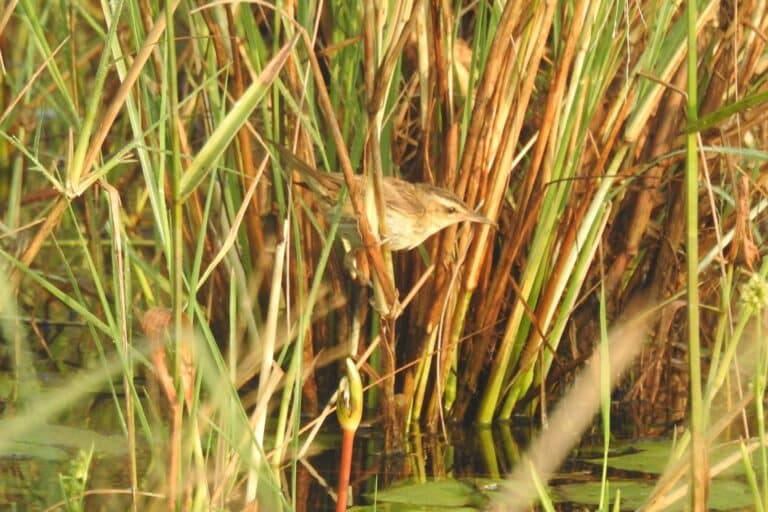
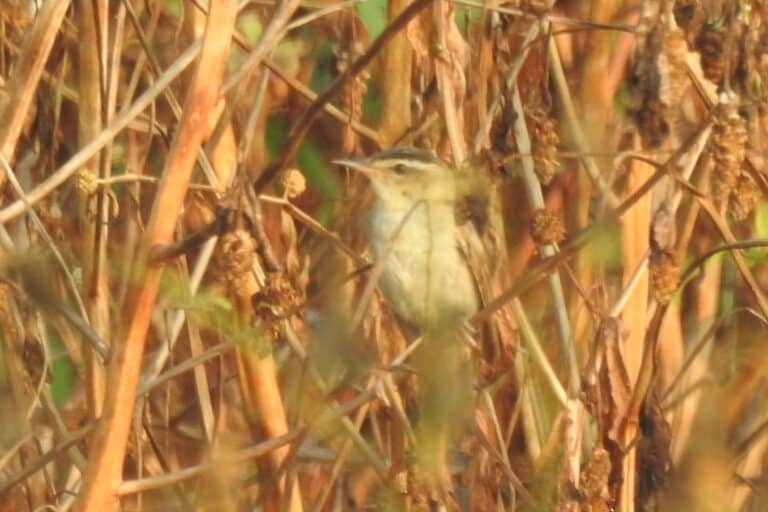
Sedge Warblers show off their adventurous spirit by migrating to different places for breeding and feeding. They thrive in wetlands and reed beds, making them experts in living among the reeds.
In the grand world of birds, the Sedge Warbler reminds us that even the smallest creatures can have the biggest personalities. With its cheerful song and playful nature, this little bird is a wonderful part of the animal kingdom!

Where can you find a Sedge Warbler in the wild?
What does a Sedge Warbler eat?
How big can a Sedge Warbler grow?
How long does a Sedge Warbler typically live?
What is the conservation status of the Sedge Warbler?
What are the main threats to the Sedge Warbler?
Fun facts
These birds get their name because they are often found in sedge, a type of tall grass that loves wet places. Sedge Warblers create their nests in the middle of these grasses, making them secret little houses!


Male Sedge Warblers are like nature's little entertainers! They sing a variety of melodies, even imitating the sounds of other birds, cars, and frogs, making a concert that all their feathered friends can enjoy.
Sedge Warblers can beat their wings up to 10 times a second when they fly, giving them a speedy way to dart away from hungry predators, like hungry hawks.
These feathered performers can migrate long distances. They travel up to 4,000 kilometers (2,485 miles) from their wintering grounds in Africa to breeding grounds in Europe, proving they have some serious travel skills!
During the mating season, male Sedge Warblers defend their territory with their songs, which can be so loud that they can be heard from over 1 kilometer (0.6 miles) away!
Sedge Warblers have a favorite trick for evading predators. They often play dead, making a quick dash for safety or hiding under reeds to keep their plans a secret!
These birds are not picky eaters. Insects, spiders, and even berries can become part of their diet, making them excellent foragers in their marshy homes.
Despite their small size, Sedge Warblers are very territorial. Males will chase away others to keep their patch of reeds just for themselves, showing they are small but mighty!
Photos


The Basics


explore more
Amphibians
Arachnids
Birds
Cats
Crustaceans
Fish
Fish Pet Guide
Gastropods
Insects
Invertebrates
Mammals
Pet Fish
Pet Rodents
Plants
Reptiles
Roundworms
Sea Slugs