Successfully copied to clipboard!
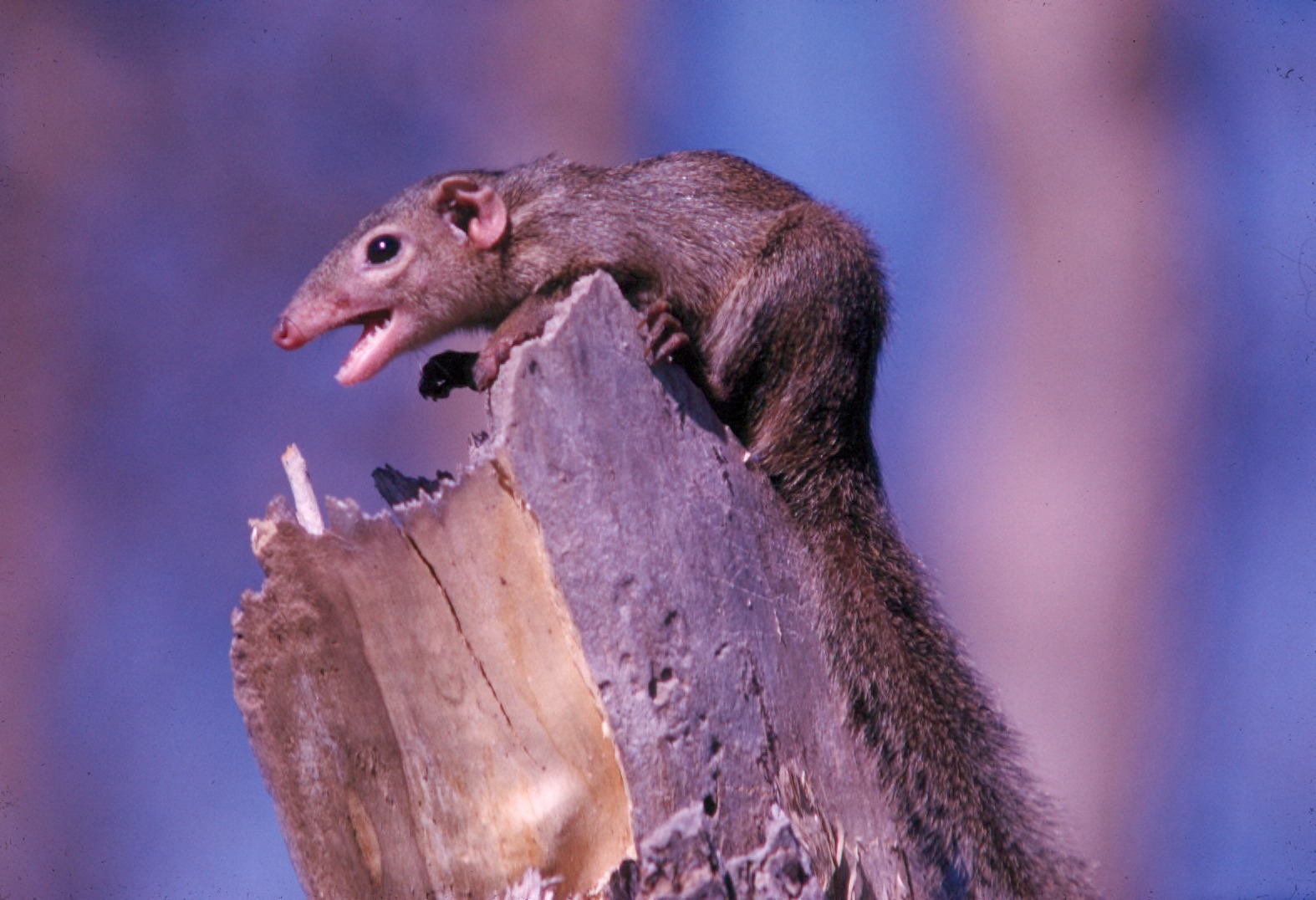
Mandras tree shrew sitting on top of tree stump
" by null is licensed under CC BY-SA 4.0Shrew
Uncover the bustling life of nature's tiny, furry hunters!
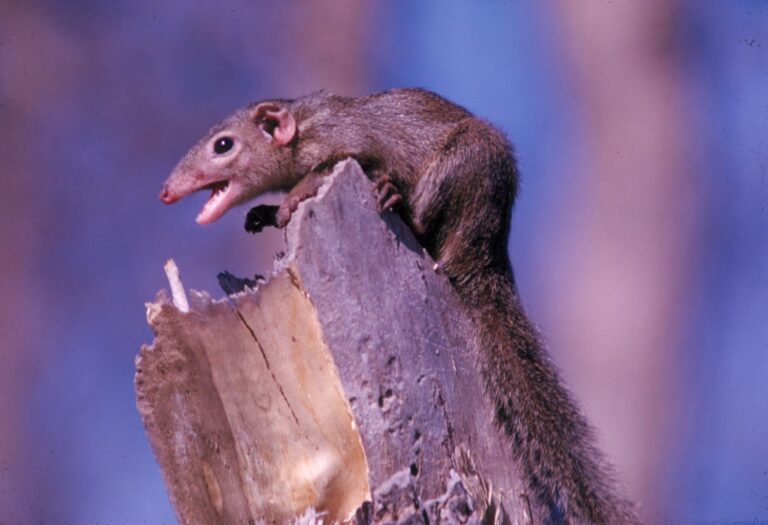
Mandras tree shrew sitting on top of tree stump
" by null is licensed under CC BY-SA 4.0Let’s Explore
Overview
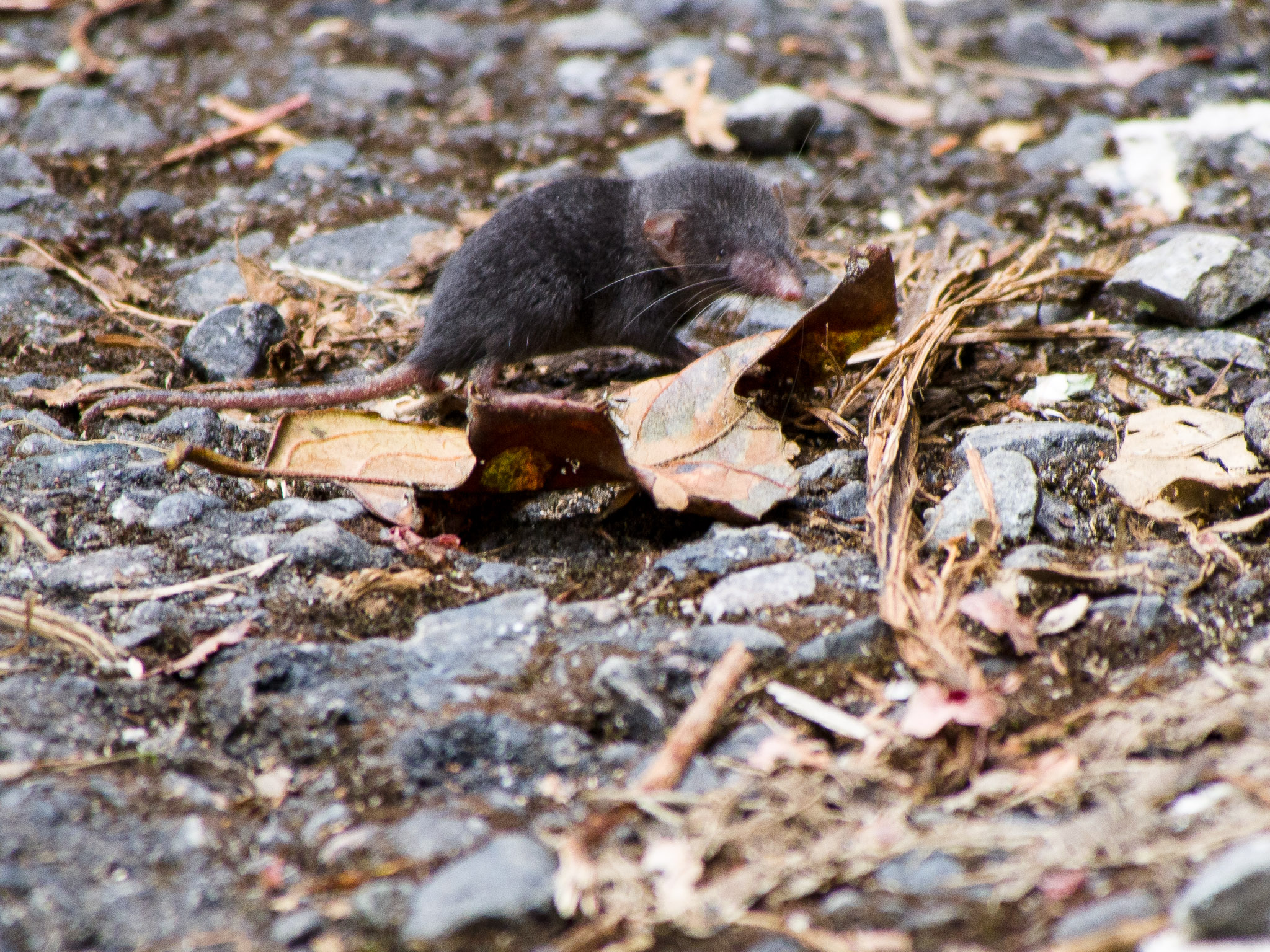
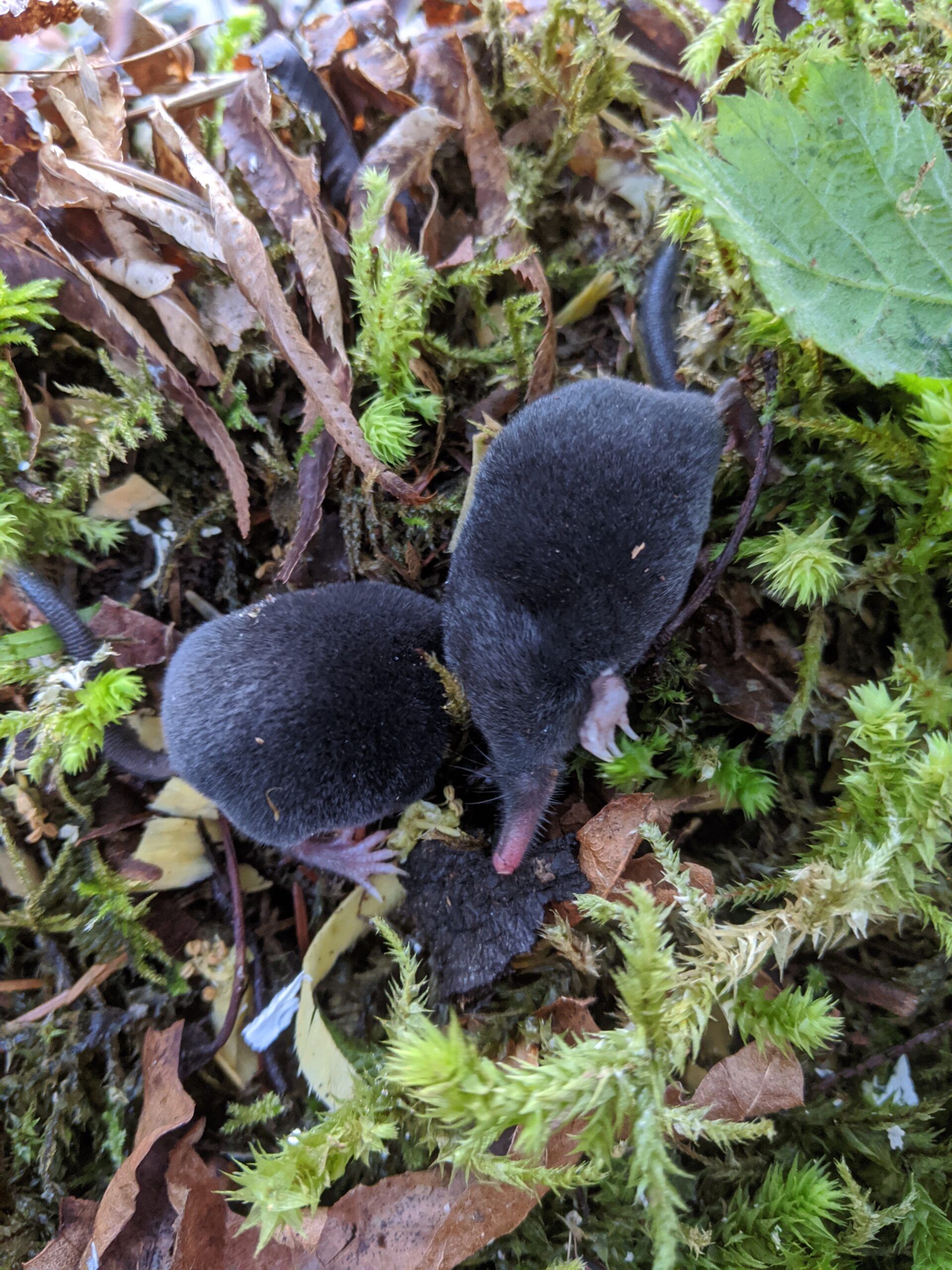
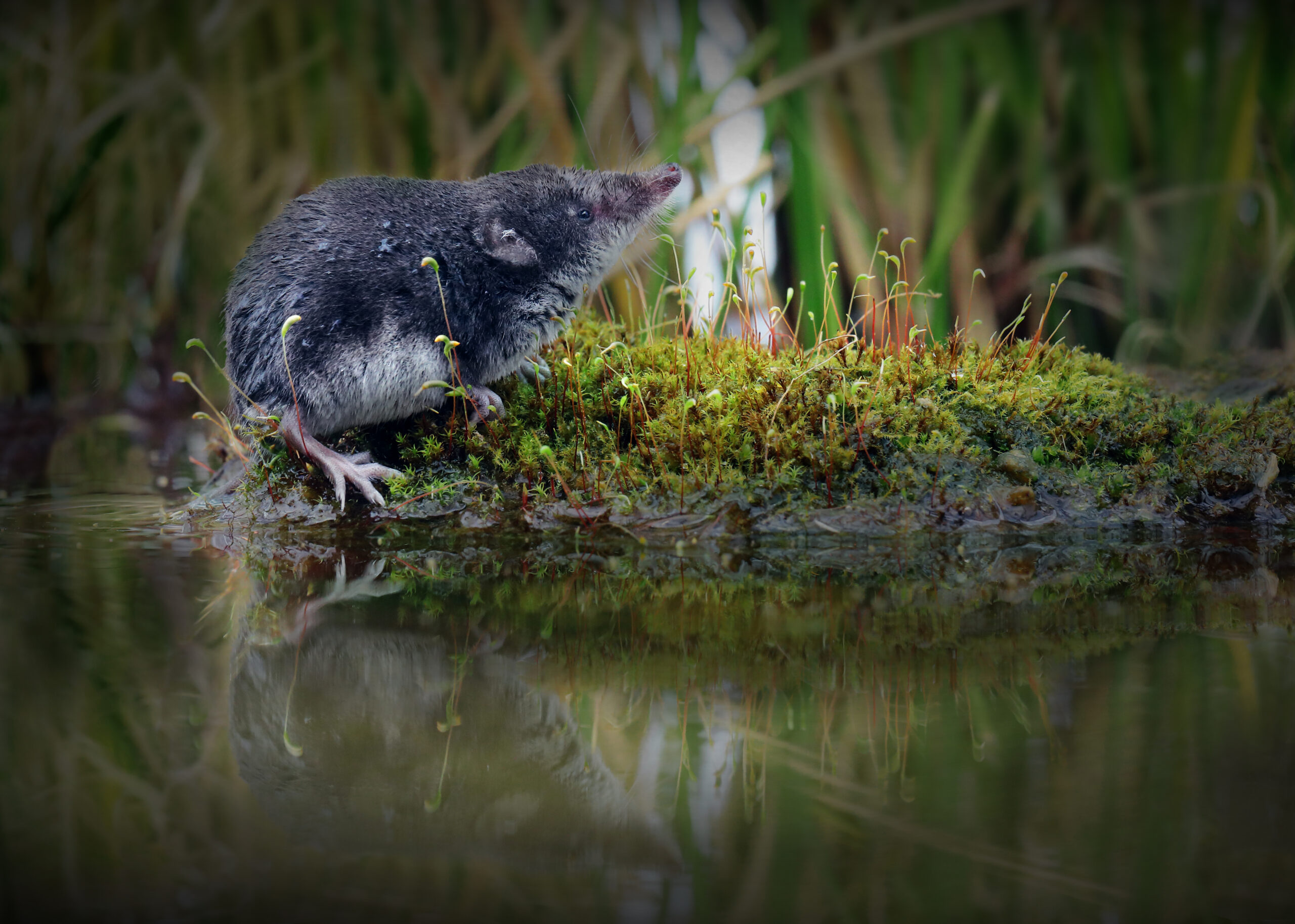
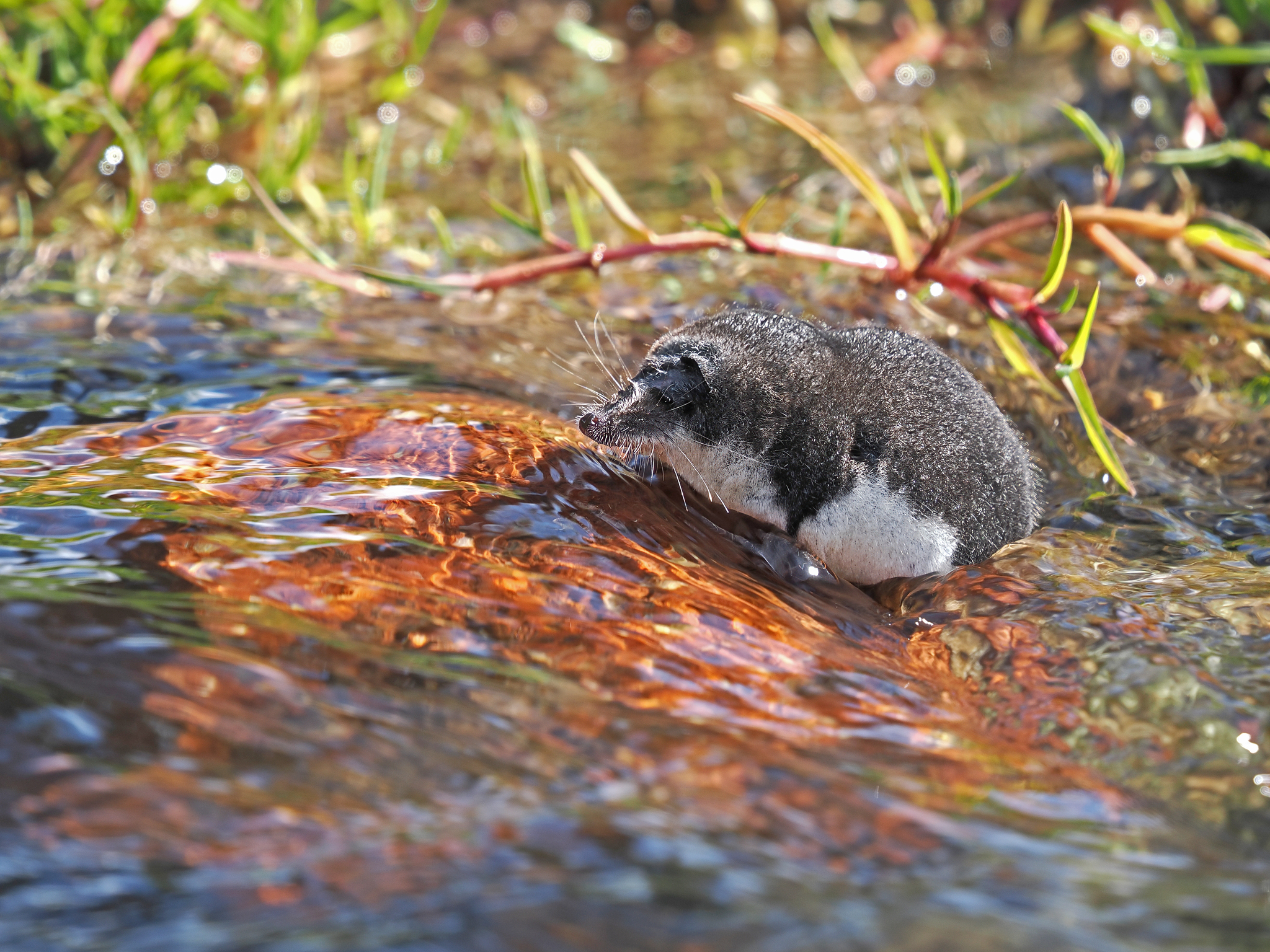
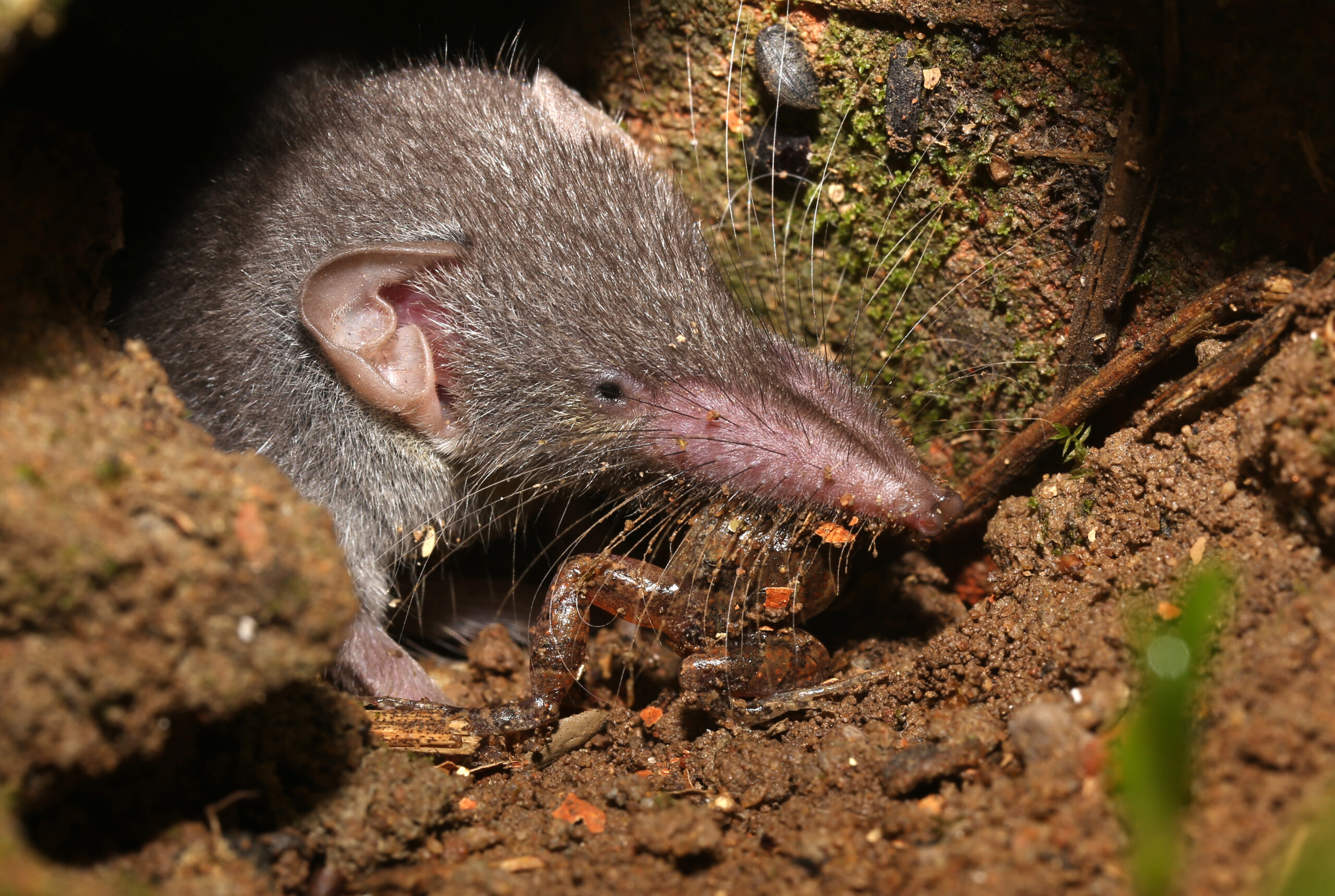
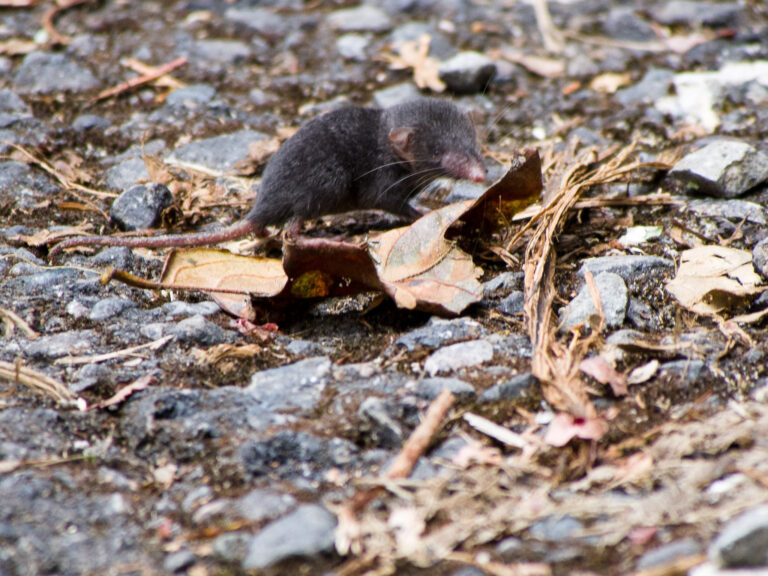
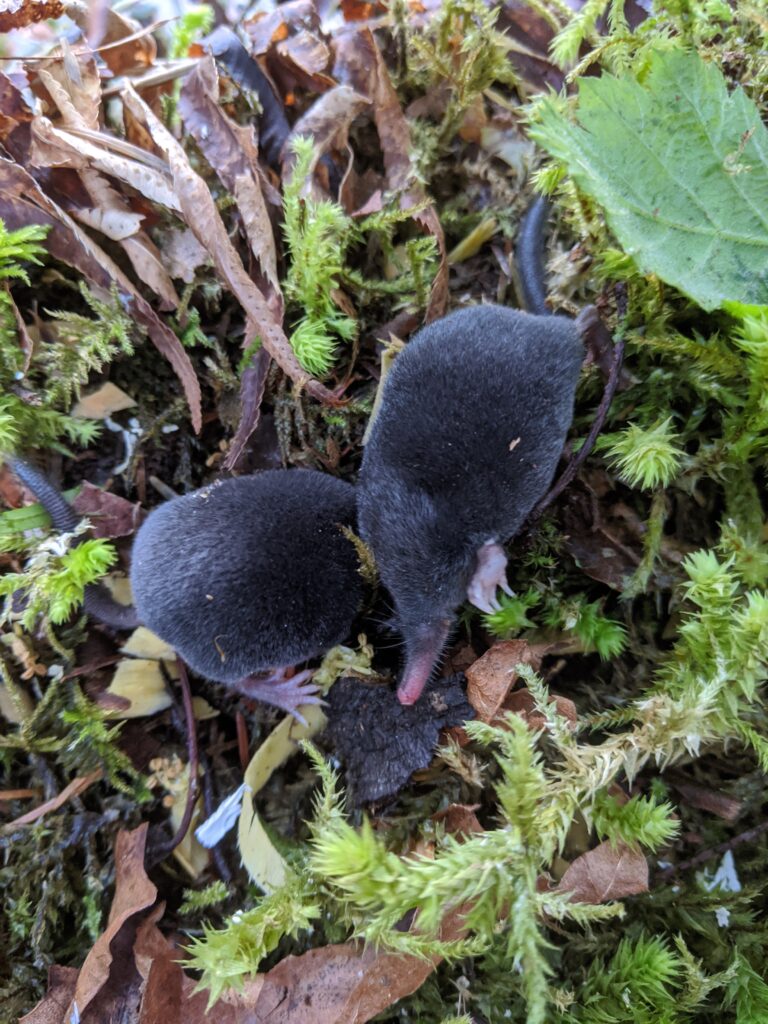
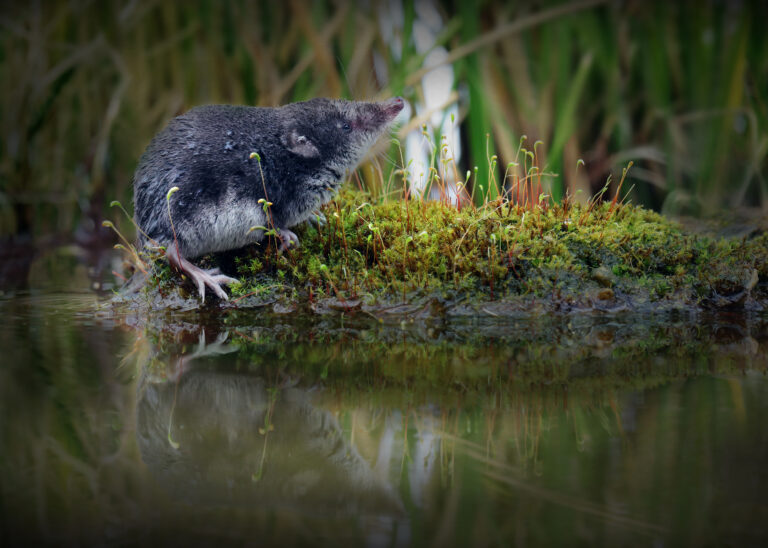
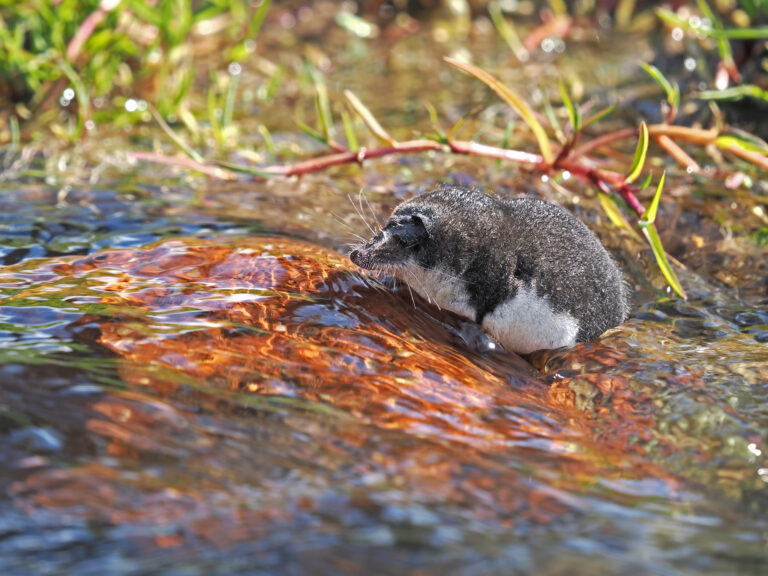
Shrews are tiny and mighty mammals that belong to the family Soricidae. These little furballs typically range from 5 to 10 centimeters (2 to 4 inches) long, making them some of the smallest animals in the world!
Shrews have impressively long snouts packed with sharp teeth. They might look cute, but they can feast on insects, seeds, and small animals, using their swift movements to hunt for meals.
You can find shrews in places all over the world, including Africa, Europe, Asia, and North America. They love to hide in habitats like forests, grasslands, and even your backyard!
Shrews may only live for about 1 to 2 years, but they sure know how to make every moment count! They have an adventurous spirit and are always on the lookout for their next yummy snack.
These little critters have another special talent: they can quickly find food because of their powerful sense of smell. Shrews are like nature's own search engines, always on the hunt!
With a booming heart that beats super fast to support their high-energy lifestyle, shrews zip around like tiny superheroes in their environment. They might be small, but they play a big role in pest control!

Where can you find a Shrew in the wild?
What does a Shrew eat?
How big can a Shrew grow?
How long does a Shrew typically live?
What is the conservation status of the Shrew?
What are the main threats to the Shrew?
Fun facts
Shrews have an astonishingly high metabolism; they must eat almost constantly to fuel their energy. These little munchers can consume up to three times their weight in food each day!


Shrews possess venomous saliva, which helps them immobilize their prey. This special trick allows them to capture insects and small animals even larger than themselves!
The common shrew can produce a series of high-pitched squeaks and clicks to communicate with other shrews. Their vocal abilities make them quite the chatty little critters in their bustling homes!
These tiny creatures have an impressive geographical range, living in diverse climates from European forests to Asian deserts. They are the ultimate adaptable adventurers in the animal kingdom!
Shrews can run up to 5 kilometers per hour (about 3 miles per hour), making them quick little athletes! They dash around in search of food and safety at lightning speed.
Unlike many mammals, shrews do not hibernate in winter. Instead, they stay active throughout the cold months, searching for food while showcasing their fearless spirit!
Female shrews can have multiple litters each year, usually with 2 to 10 babies in each. This high reproduction rate helps ensure their populations continue thriving in various habitats!
Shrews have incredibly sharp teeth that they use to capture and eat prey. Their teeth can be used to bite through tough insect armor, making them skilled hunters!
Some shrew species have a special adaptation: their fur can change color with the seasons! This helps them blend into their surroundings for extra protection from predators.
Shrews can be found in your own backyard or local park! Their hidden lives full of snuffling and scurrying can happen right under our noses without us even noticing.
Photos

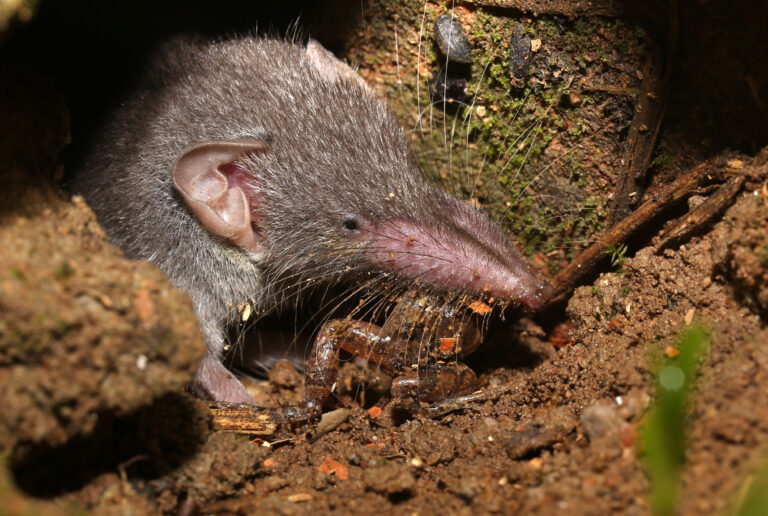
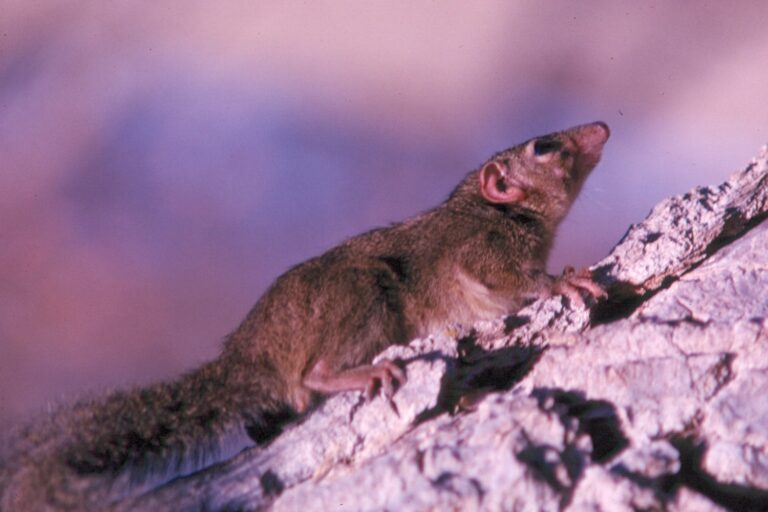
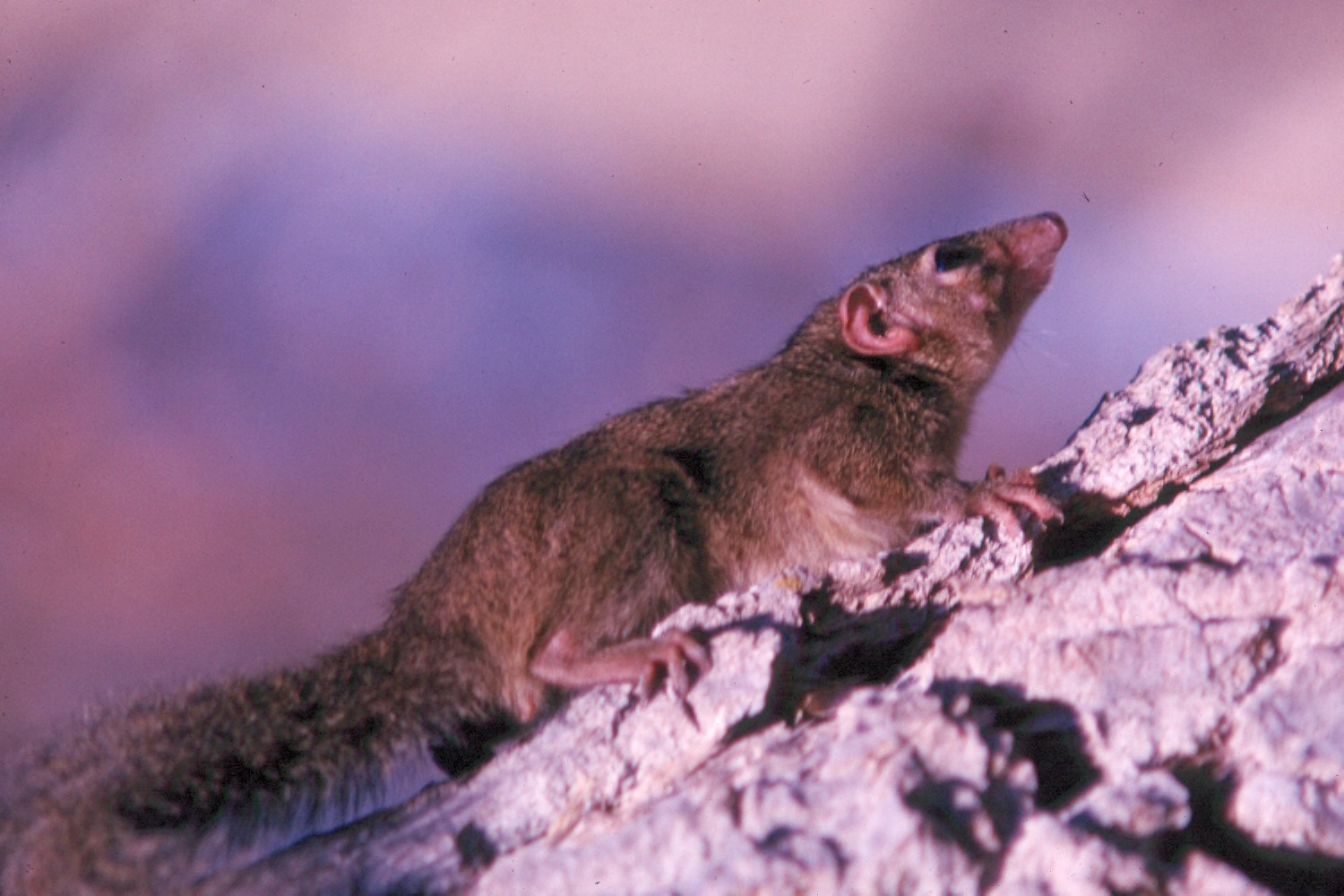
Mandras tree shrew clinging to tree
" by null is licensed under CC BY-SA 4.0 Mandras tree shrew sitting on top of tree stump
" by null is licensed under CC BY-SA 4.0



The Basics


explore more
Amphibians
Arachnids
Birds
Cats
Crustaceans
Fish
Fish Pet Guide
Gastropods
Insects
Invertebrates
Mammals
Pet Fish
Pet Rodents
Plants
Reptiles
Roundworms
Sea Slugs