Successfully copied to clipboard!
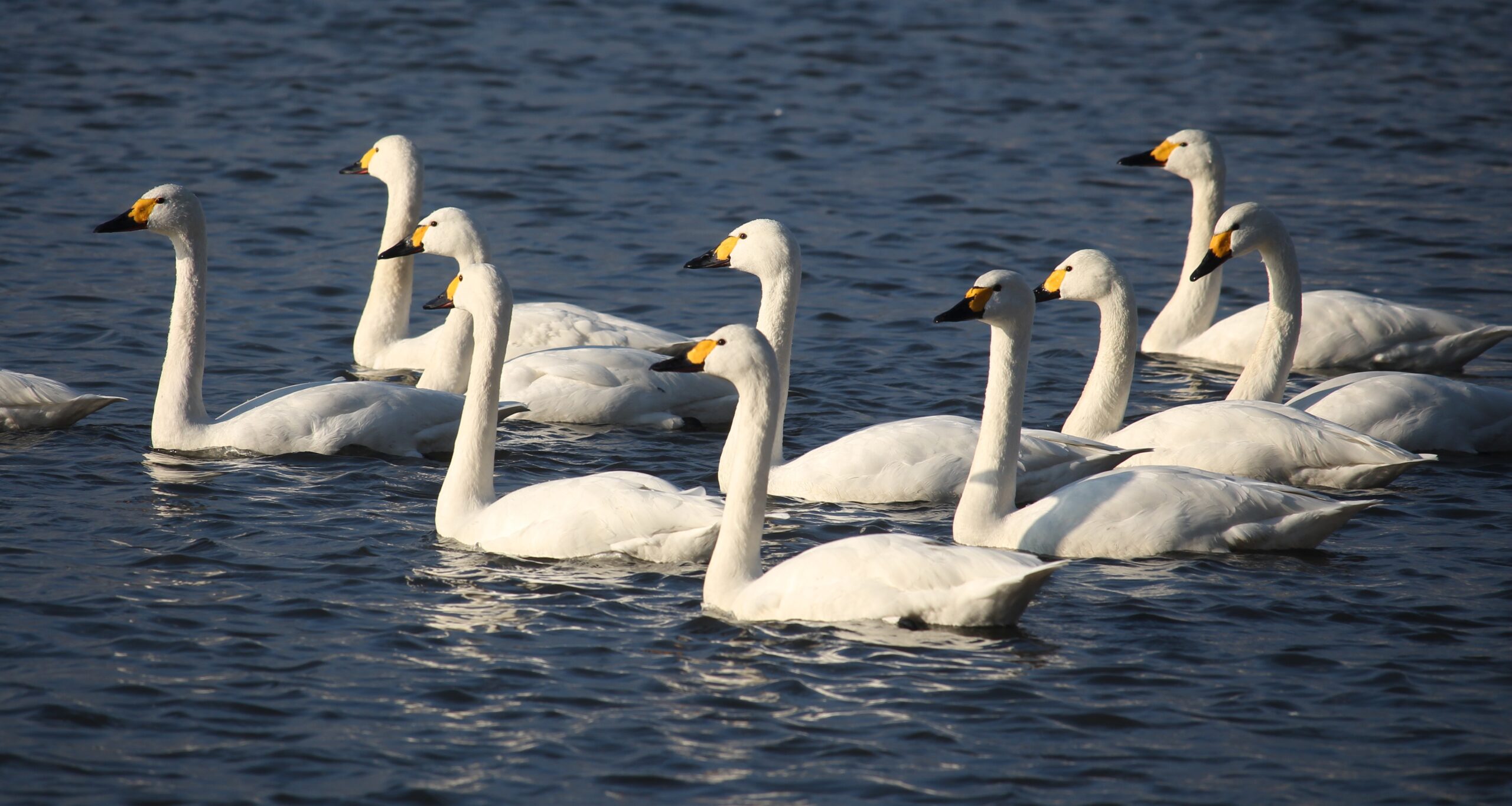
Tundra Swan
Experience the grace and beauty of nature's flying wonders!
Let’s Explore
Overview
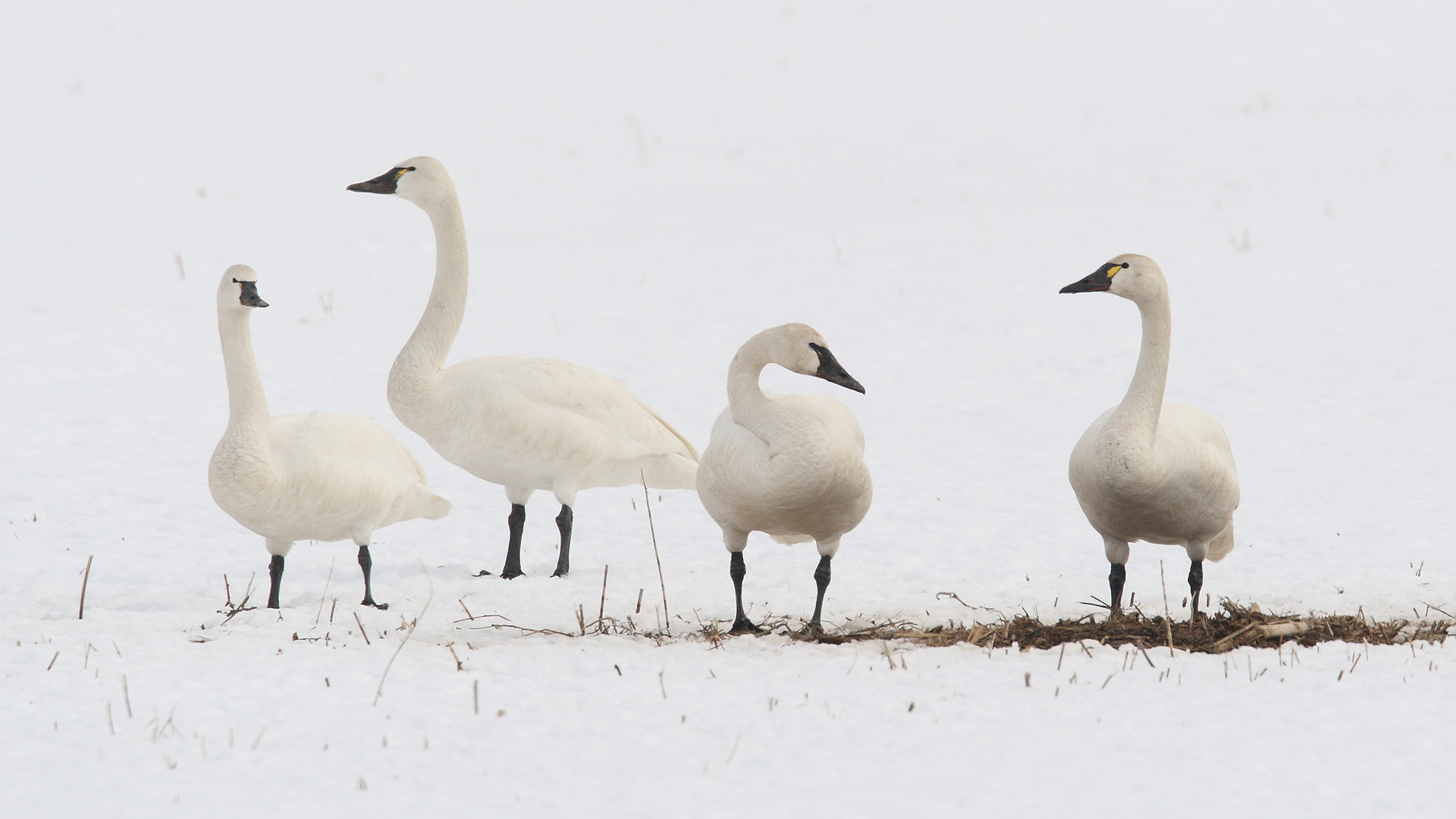
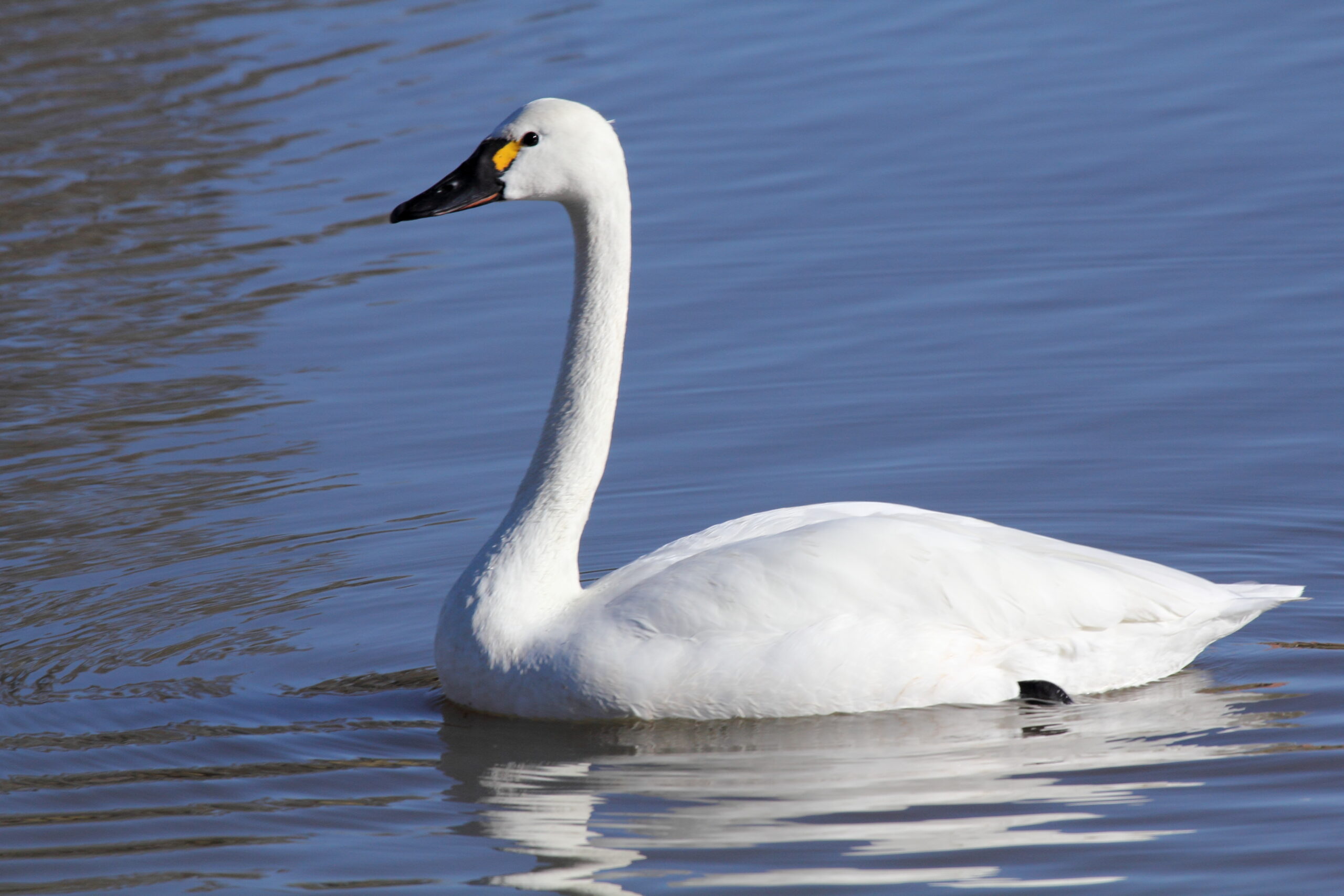
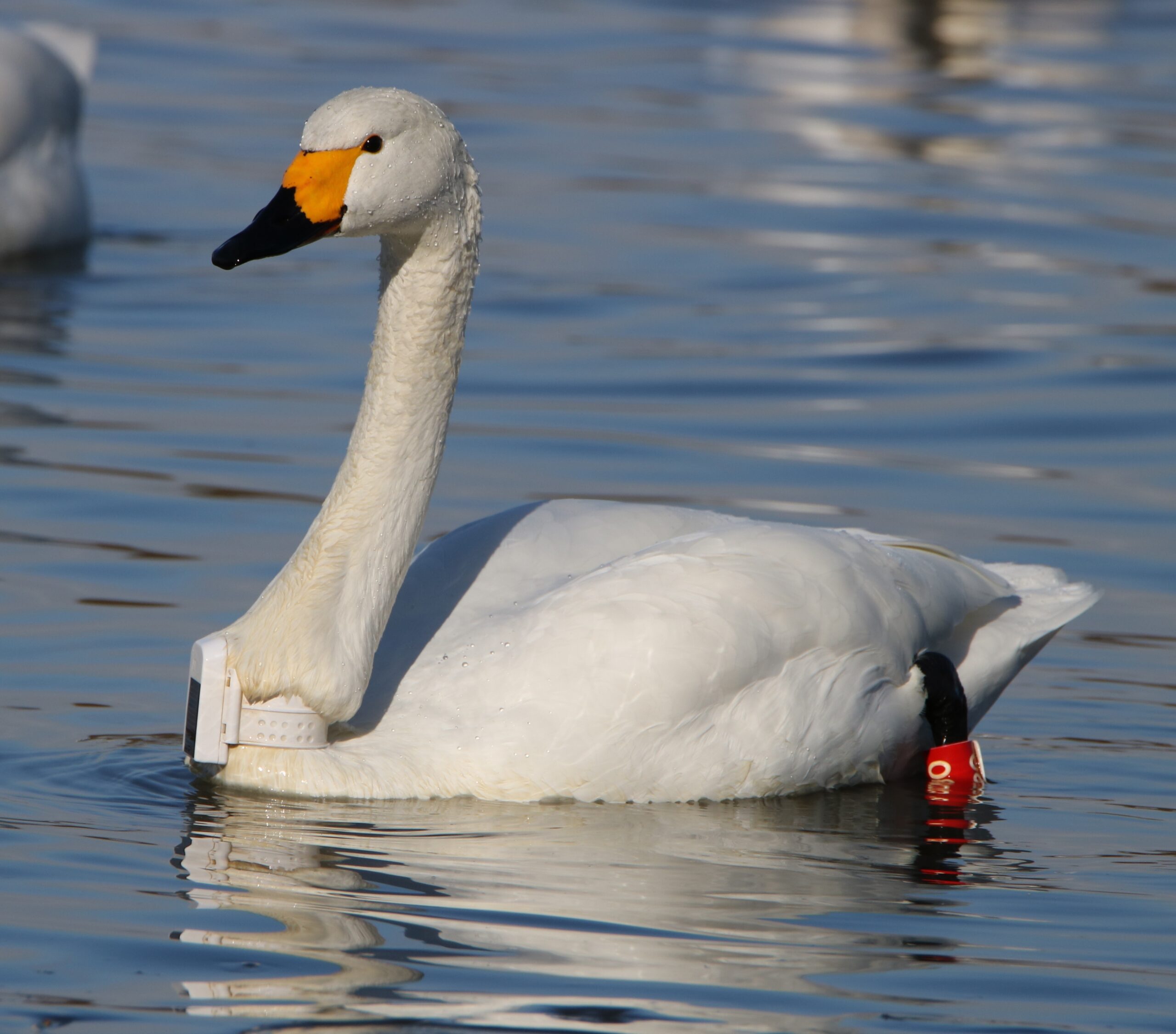
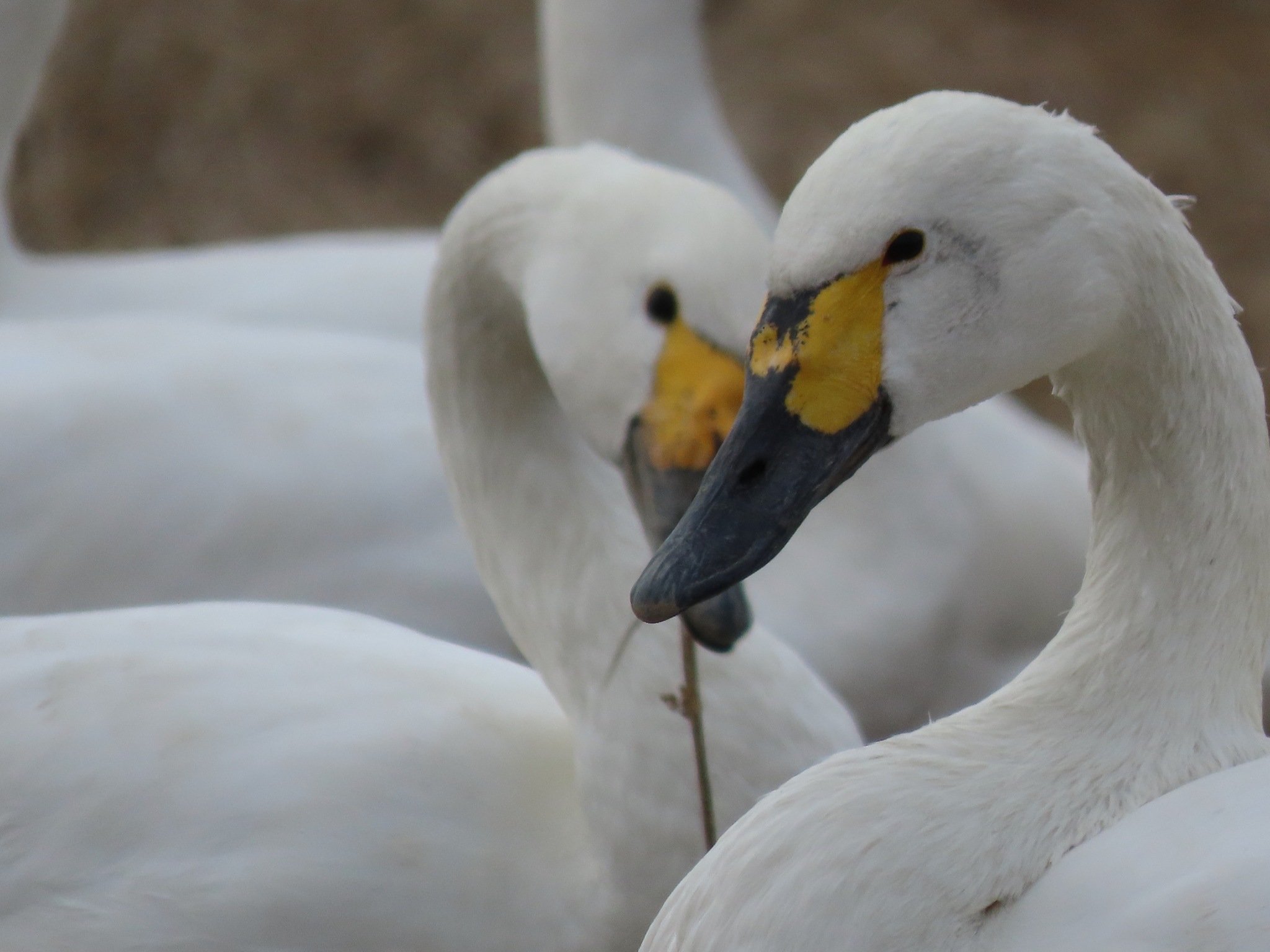
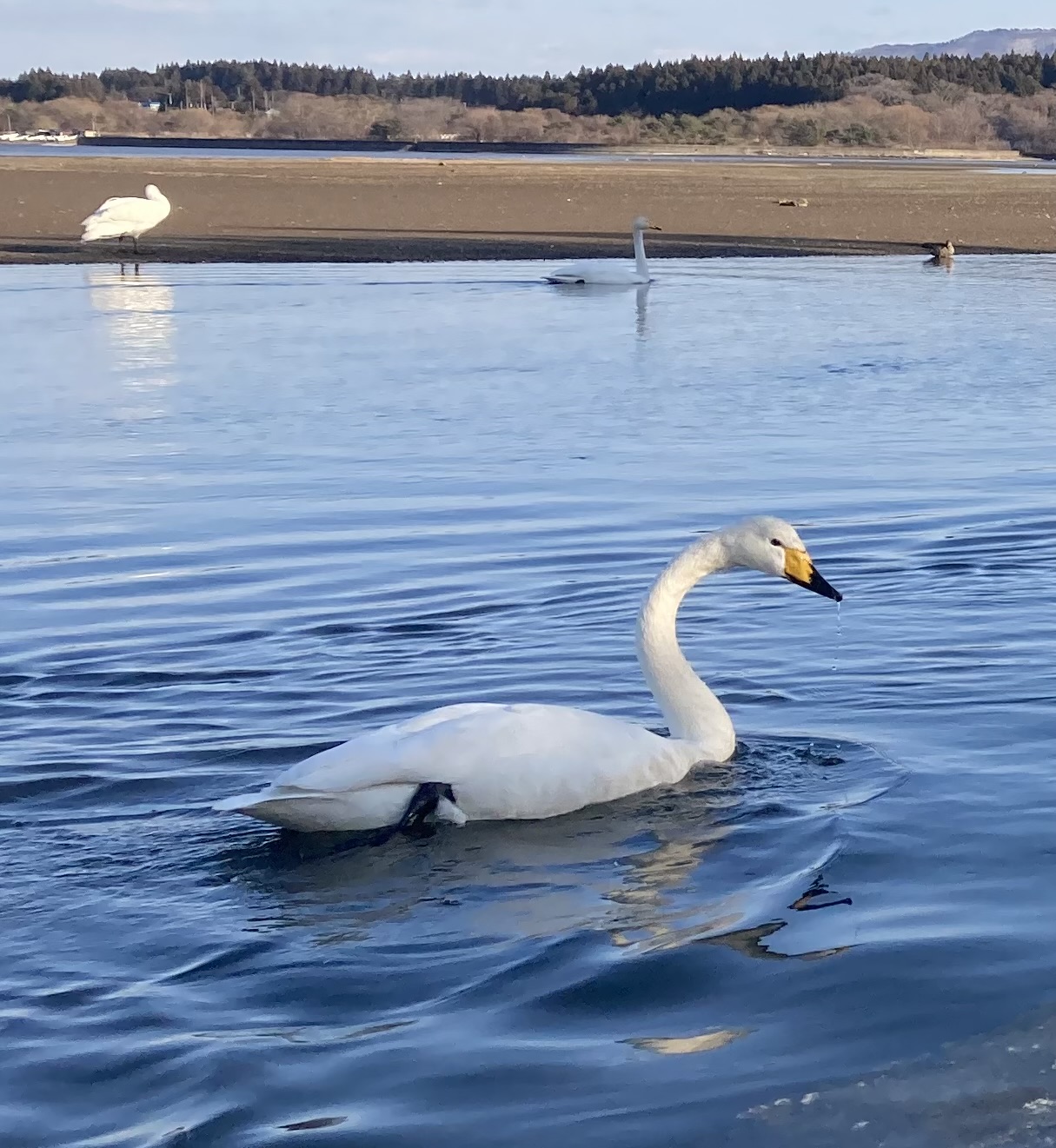
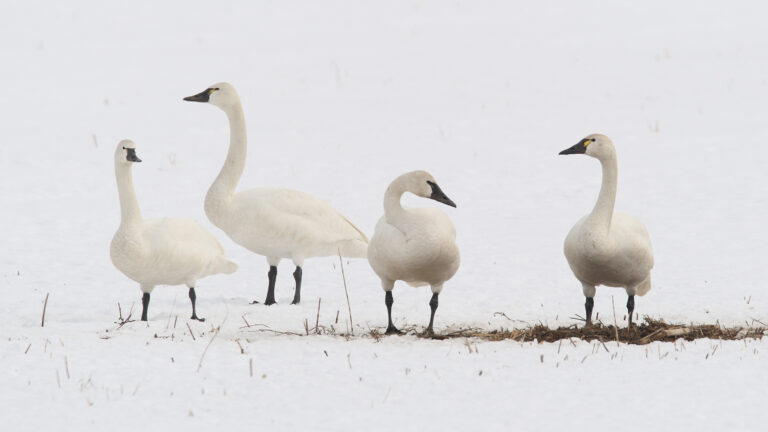
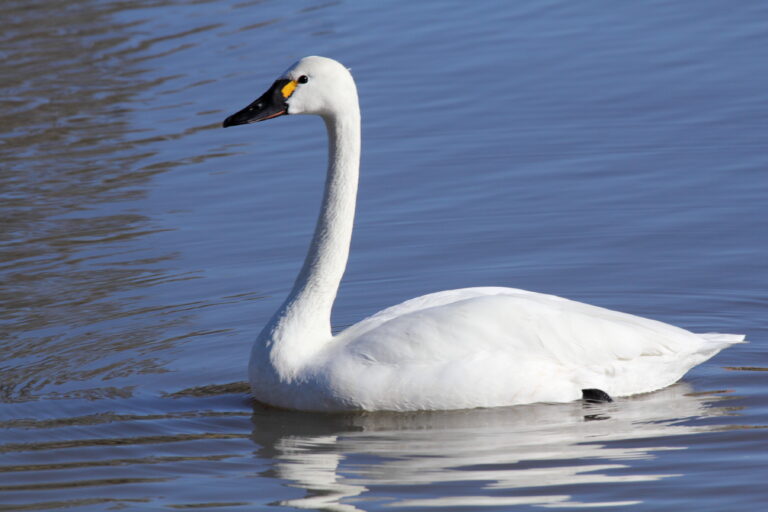
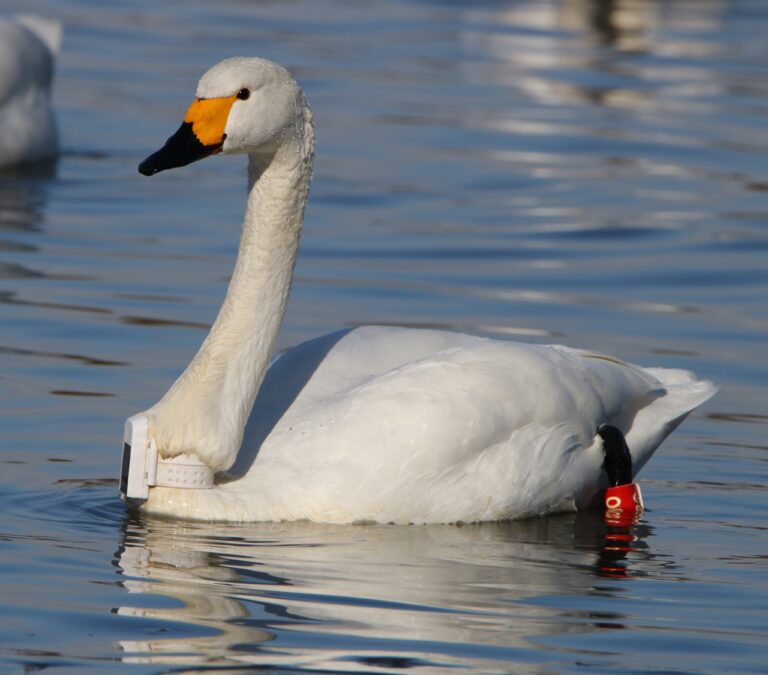
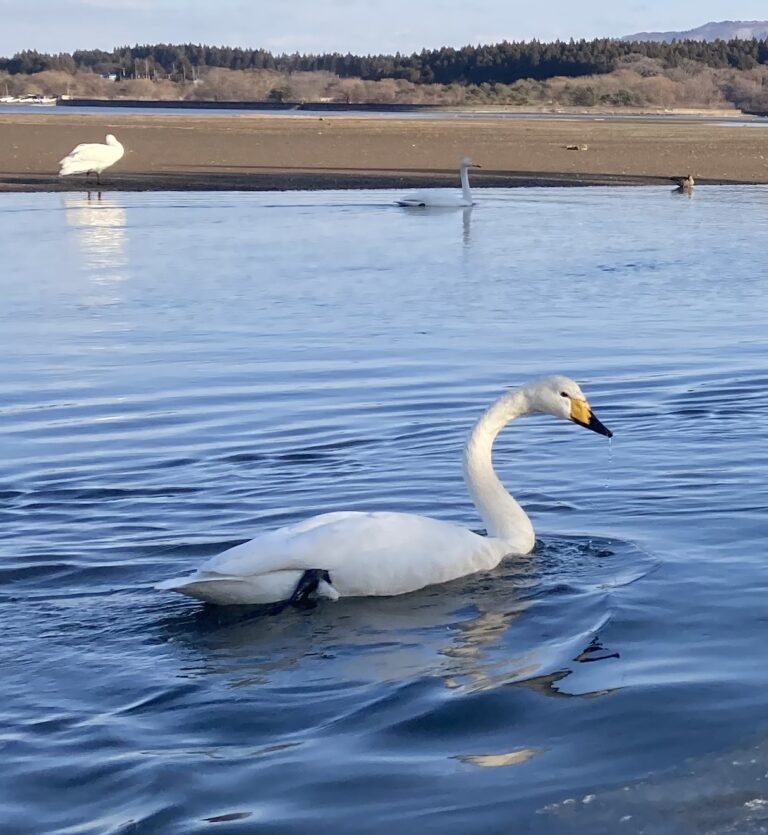
The Tundra Swan is a beautiful bird often found in the cold regions of Eurasia. These elegant swans can grow to be between 1.0 to 1.7 meters (3.4 to 5.5 feet) long, showcasing their graceful form as they glide over water.
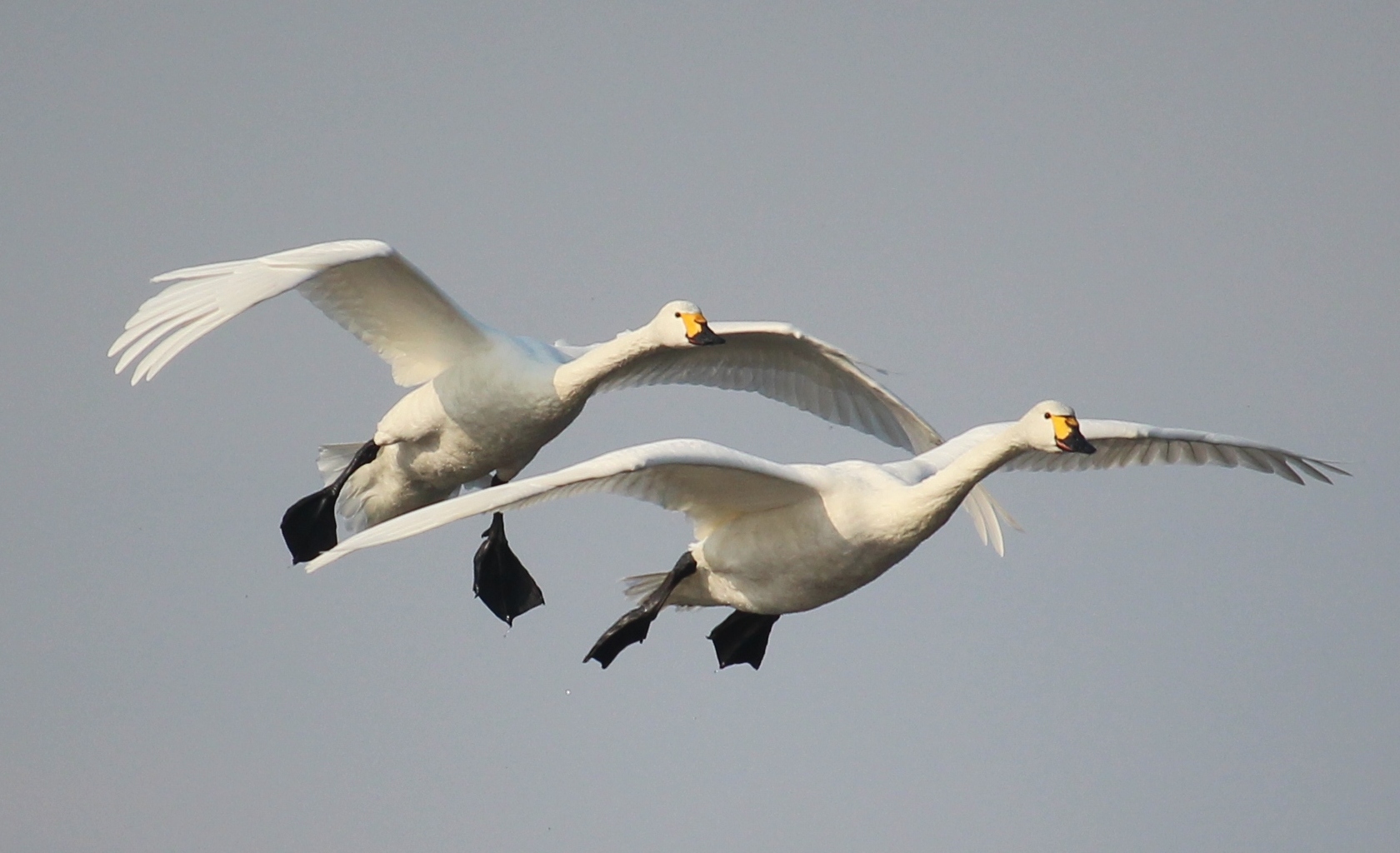
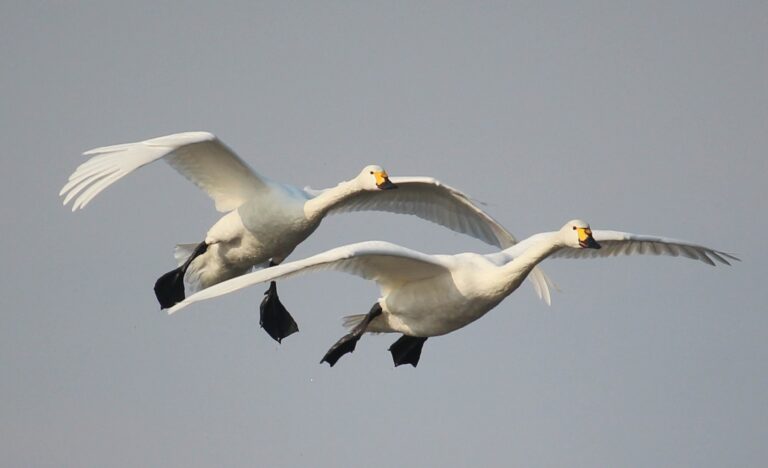
Tundra Swans delight us with their striking white feathers and long necks. Their strong wings allow them to soar high and travel long distances, sometimes migrating thousands of kilometers in search of warmer waters during wintertime.
This swan enjoys a diet full of tasty treats! Tundra Swans munch on aquatic plants, grains, and grasses, making them excellent foragers in their wetland homes. With their long necks, they can reach underwater vegetation, which is a real feather in their cap!
Tundra Swans can live impressively long lives, typically reaching ages between 20 to 25 years. That’s a whole lot of time to enjoy paddle-paddle-paddling around and serenading the world with their lovely calls.
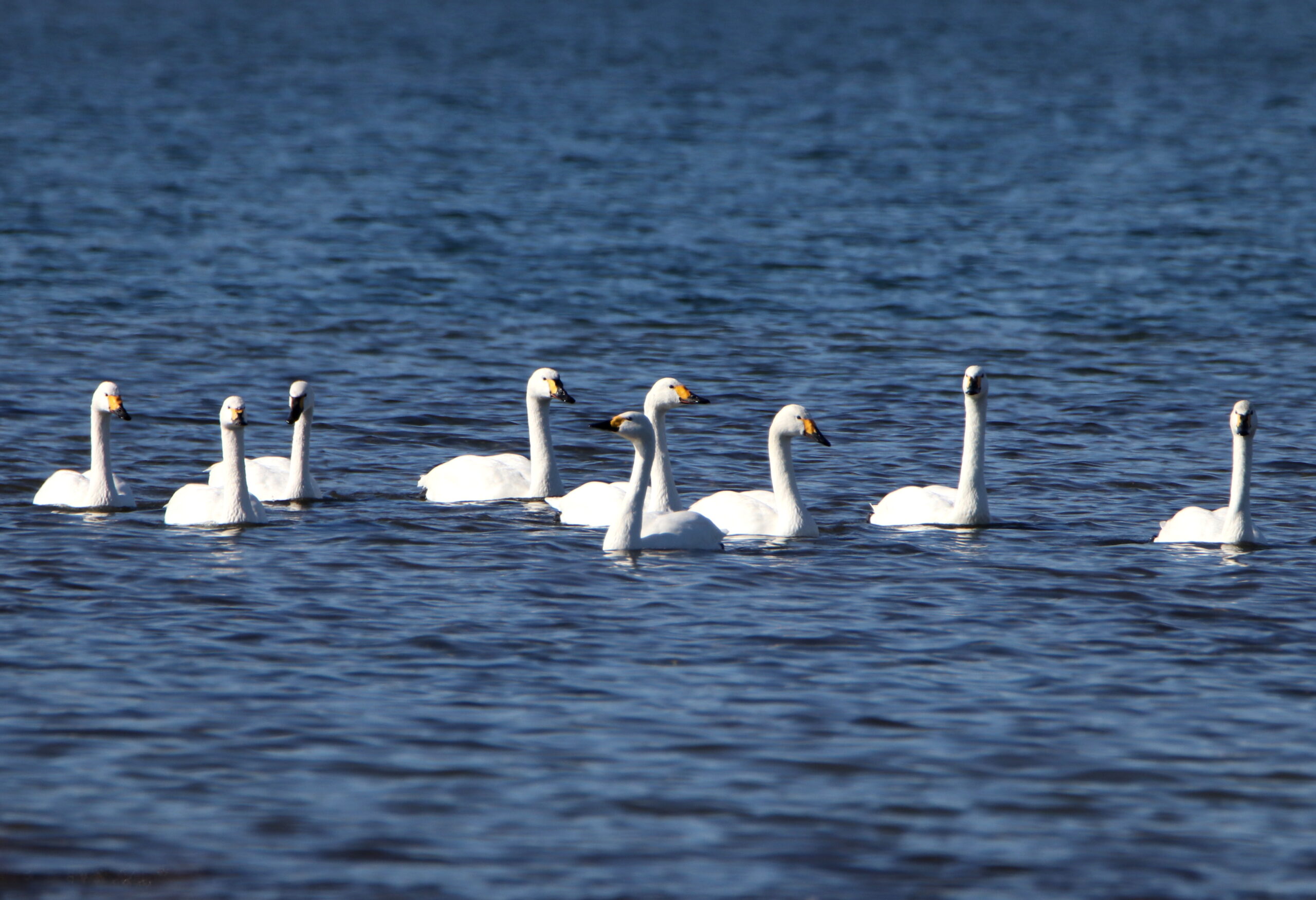
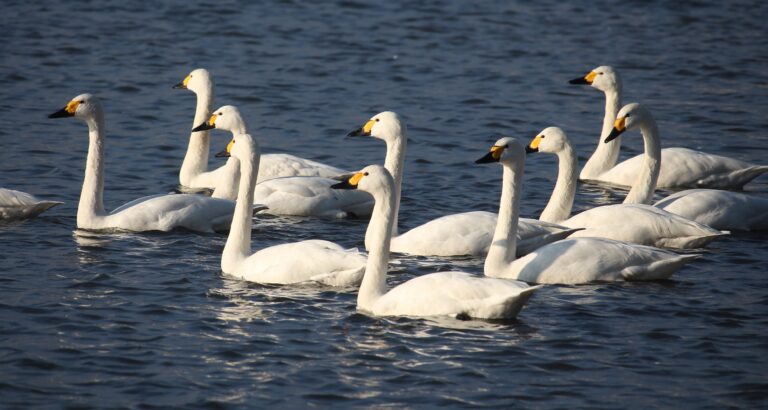
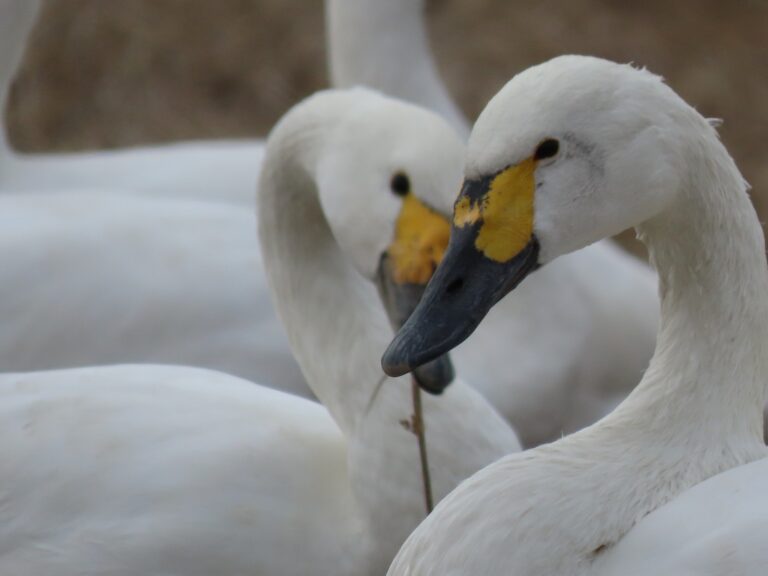
These social birds often gather in flocks, creating a truly breathtaking sight as they take off and land together. Watching a group of Tundra Swans is like seeing nature's very own air show with performances full of honking and splashing fun!

Where can you find a Tundra Swan in the wild?
What does a Tundra Swan eat?
How big can a Tundra Swan grow?
How long does a Tundra Swan typically live?
What is the conservation status of the Tundra Swan?
What are the main threats to the Tundra Swan?
Fun facts
Tundra Swans have super strong voices. They can make sounds that range from honks to trumpets, which can be heard from over a mile away!


These swans are skilled flyers, capable of reaching speeds up to 80 kilometers per hour (50 miles per hour) during migration. That’s faster than a speeding car in some neighborhoods!
When Tundra Swans prepare for migration, they can fly up to 3,200 kilometers (2,000 miles) without stopping. That's like flying from New York to Florida non-stop!
A pair of Tundra Swans often mate for life. They show their love by performing synchronized swimming and gentle head bobbing, making them the ultimate lovebirds of the wetland!
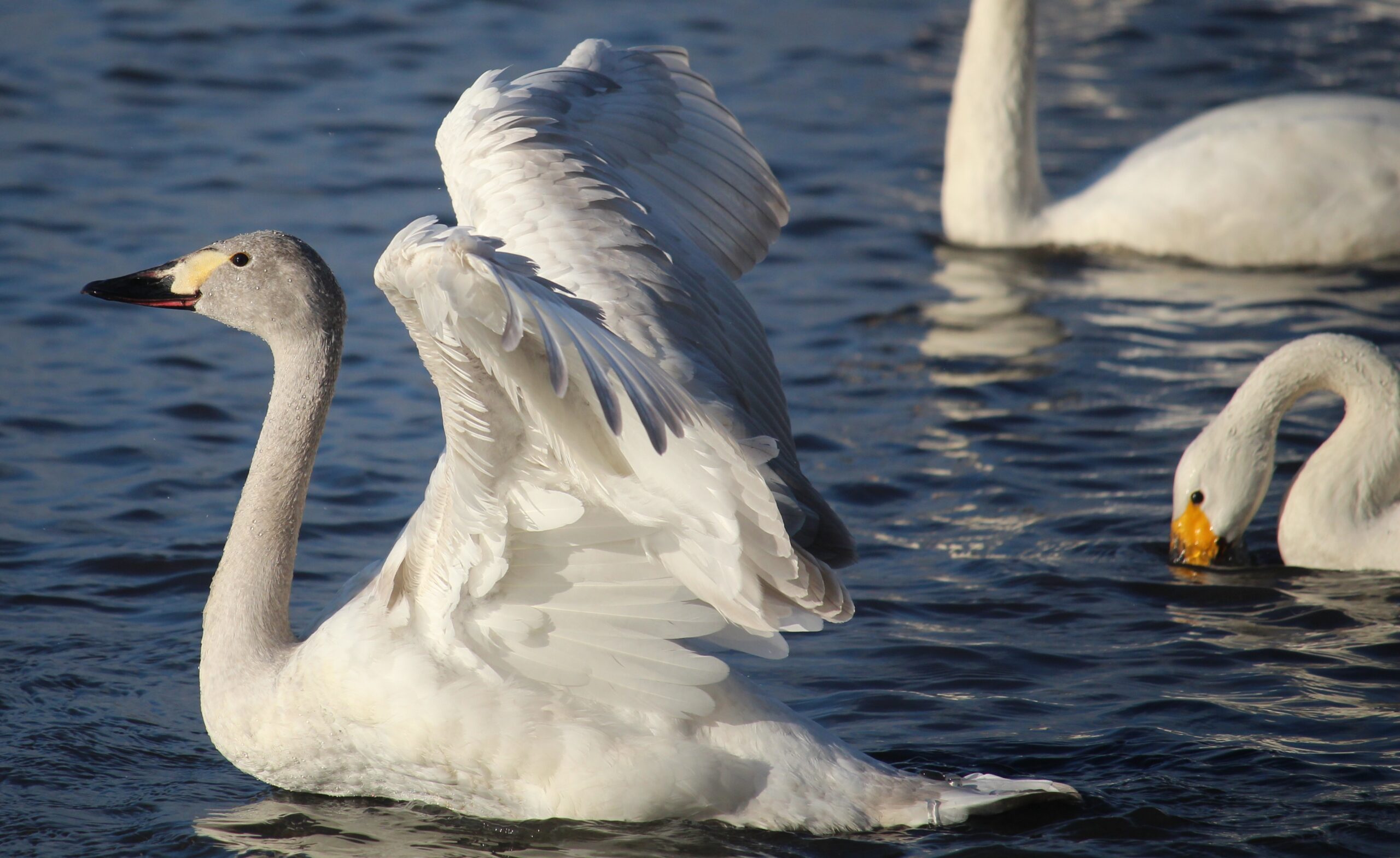
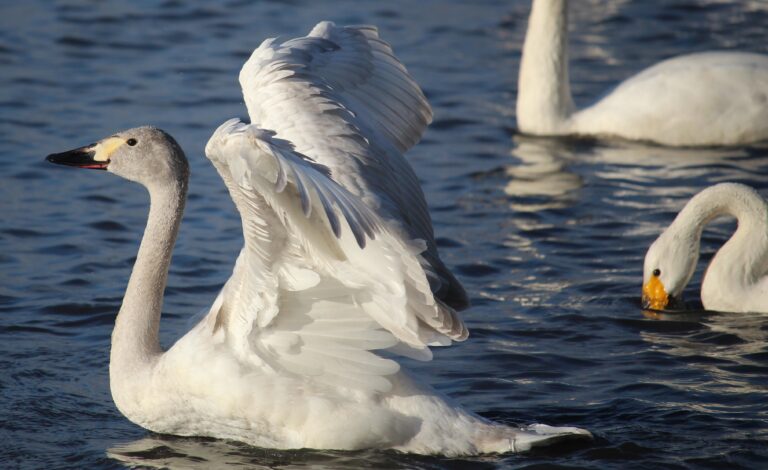
These lovely swans are not born white. Tundra Swan cygnets (baby swans) start their lives covered in gray downy feathers before turning into beautiful white adults.
Tundra Swans can stay underwater for up to 30 seconds when they dive to eat underwater plants. They might look elegant on the surface, but under the water, they become expert snack hunters!
In some areas, Tundra Swans are known to steal food from each other. It's not exactly polite, but their cheeky behavior can lead to a real swan showdown!
During the breeding season, these swans create a nest using built-up vegetation in wetland areas. It’s like they are little architects constructing their safe home.
Scientists believe that Tundra Swans have a great sense of direction. They can navigate during migration using the position of the sun, stars, and even the Earth's magnetic field.
Tundra Swans can sometimes be seen in mixed flocks with other birds like ducks and geese. It's like an exclusive bird club that throws the most fantastic outdoor parties!
Photos





The Basics


explore more
Amphibians
Arachnids
Birds
Cats
Crustaceans
Fish
Fish Pet Guide
Gastropods
Insects
Invertebrates
Mammals
Pet Fish
Pet Rodents
Plants
Reptiles
Roundworms
Sea Slugs