Successfully copied to clipboard!
Turkey Vulture
Soar high while nature's cleanup crew keeps the world fresh!
Let’s Explore
Overview
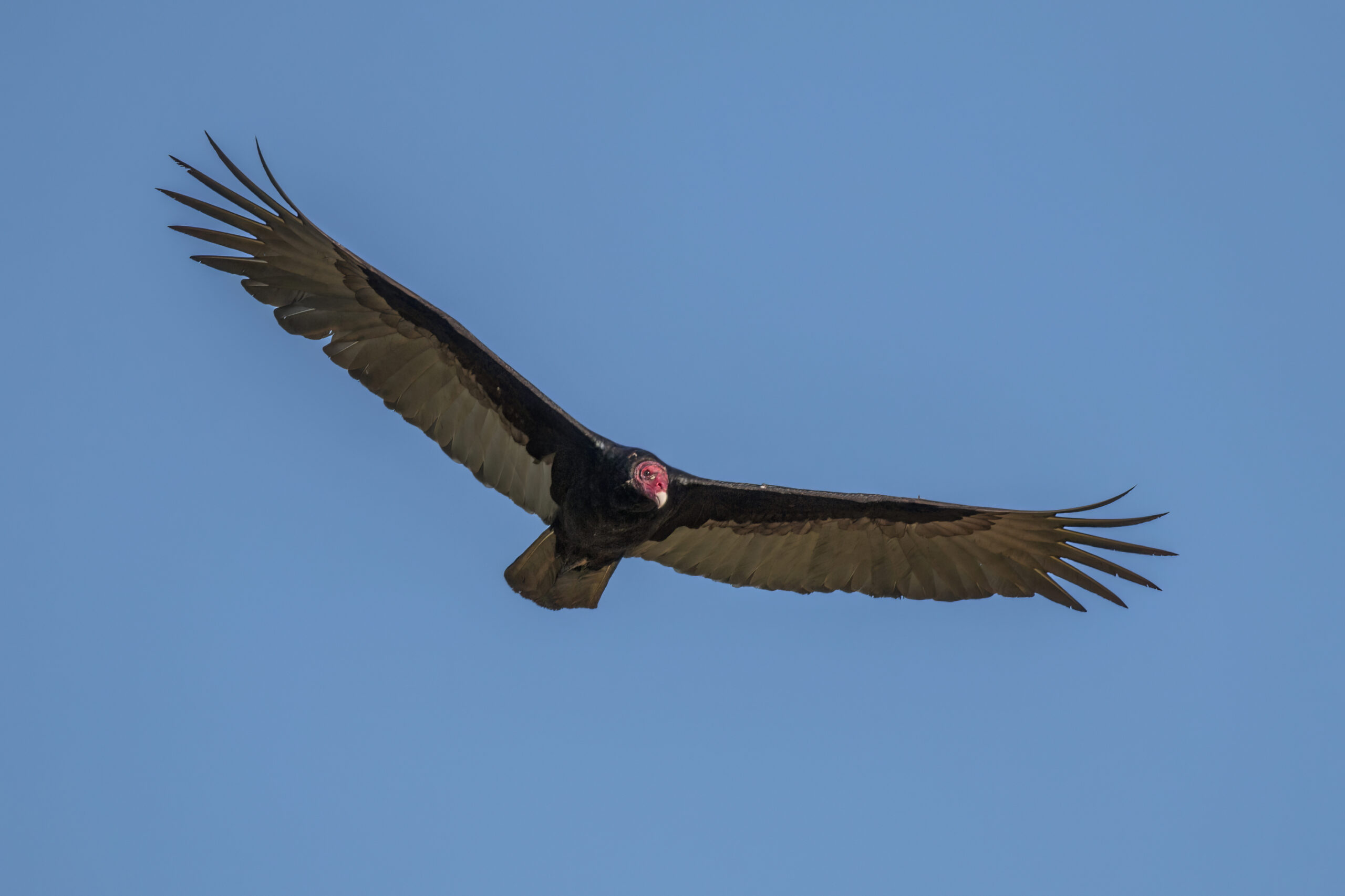
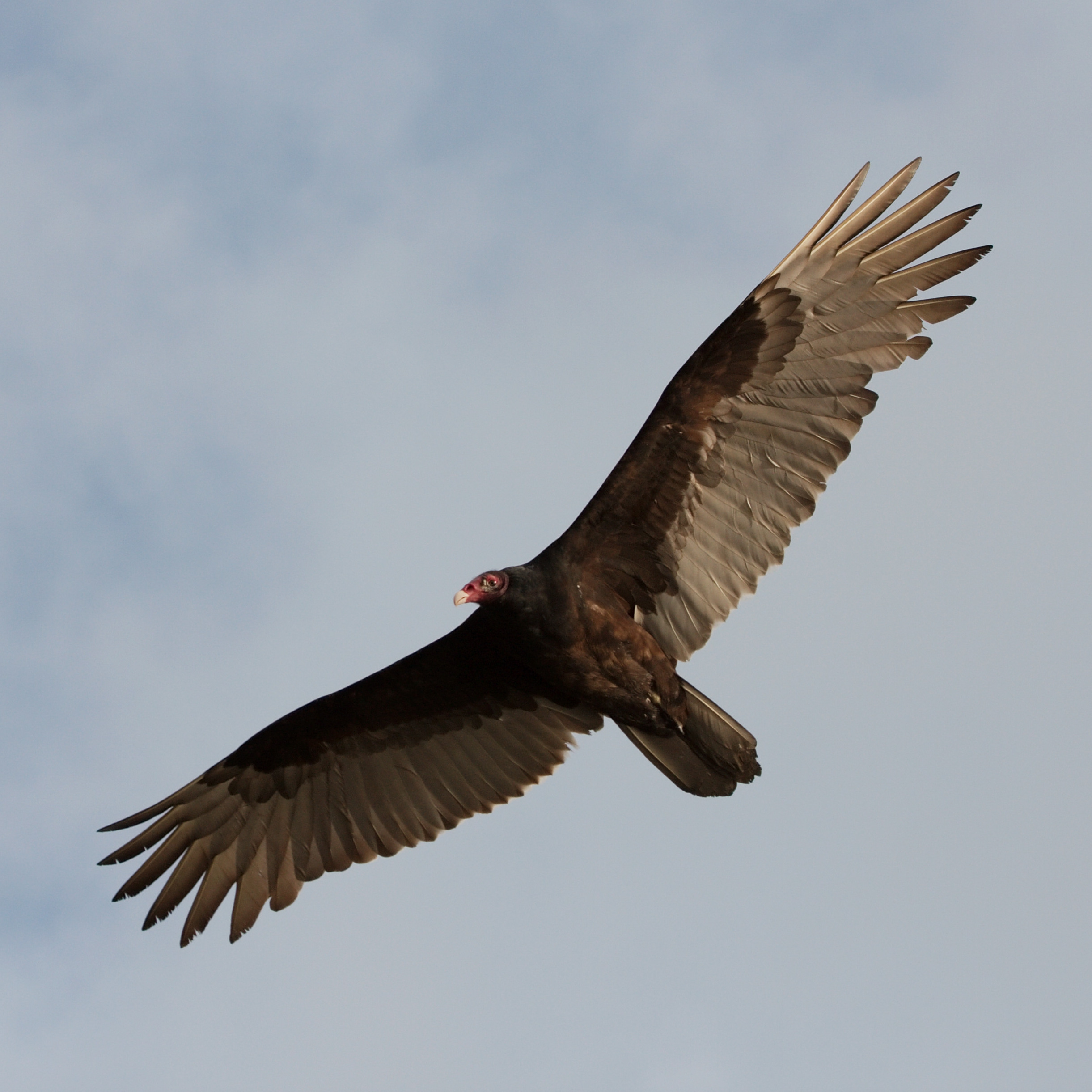
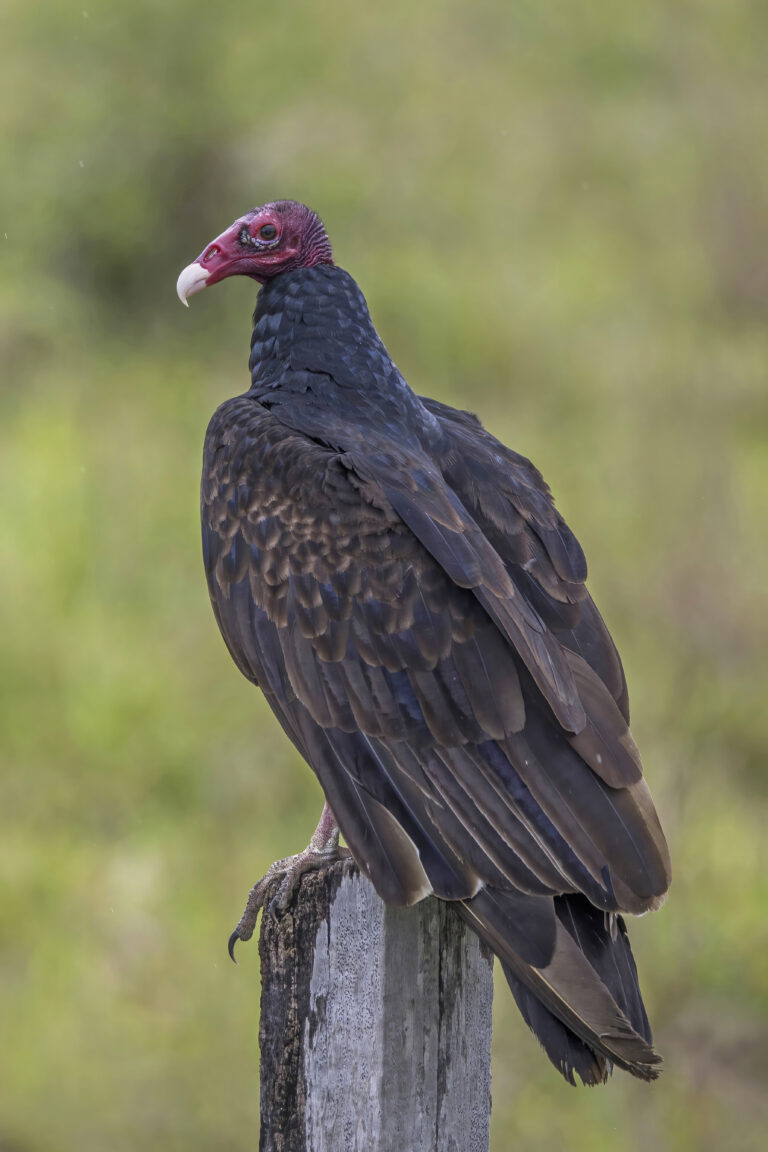
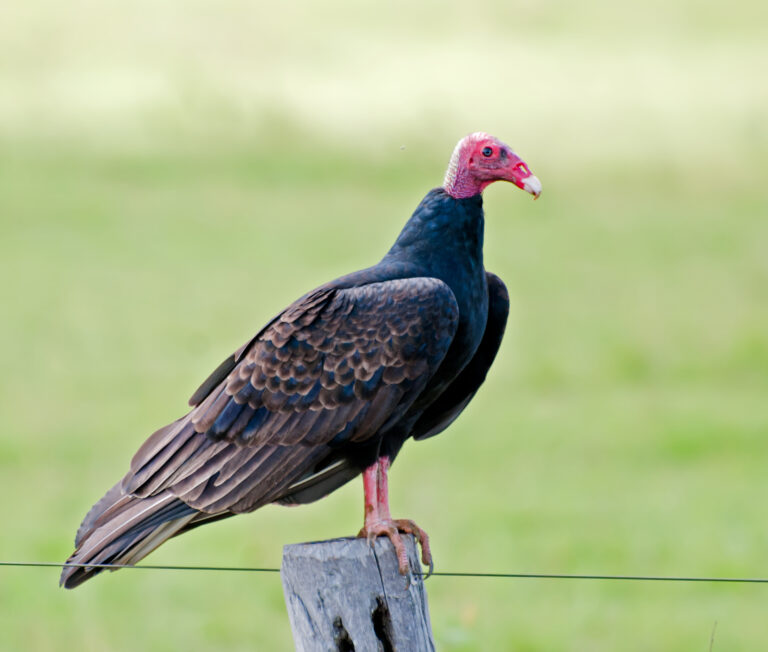
The Turkey Vulture is a remarkable bird with an impressive wingspan of about 1.8 meters (5.9 feet) and a height of 66 centimeters (26 inches). These birds are native to Central America and are known for their keen sense of smell, which helps them locate food from great distances.
Turkey Vultures have a unique diet that mainly consists of carrion, which is the remains of dead animals. This diet makes them nature's clean-up crew, helping to keep our environment free of decomposing matter and preventing the spread of disease.
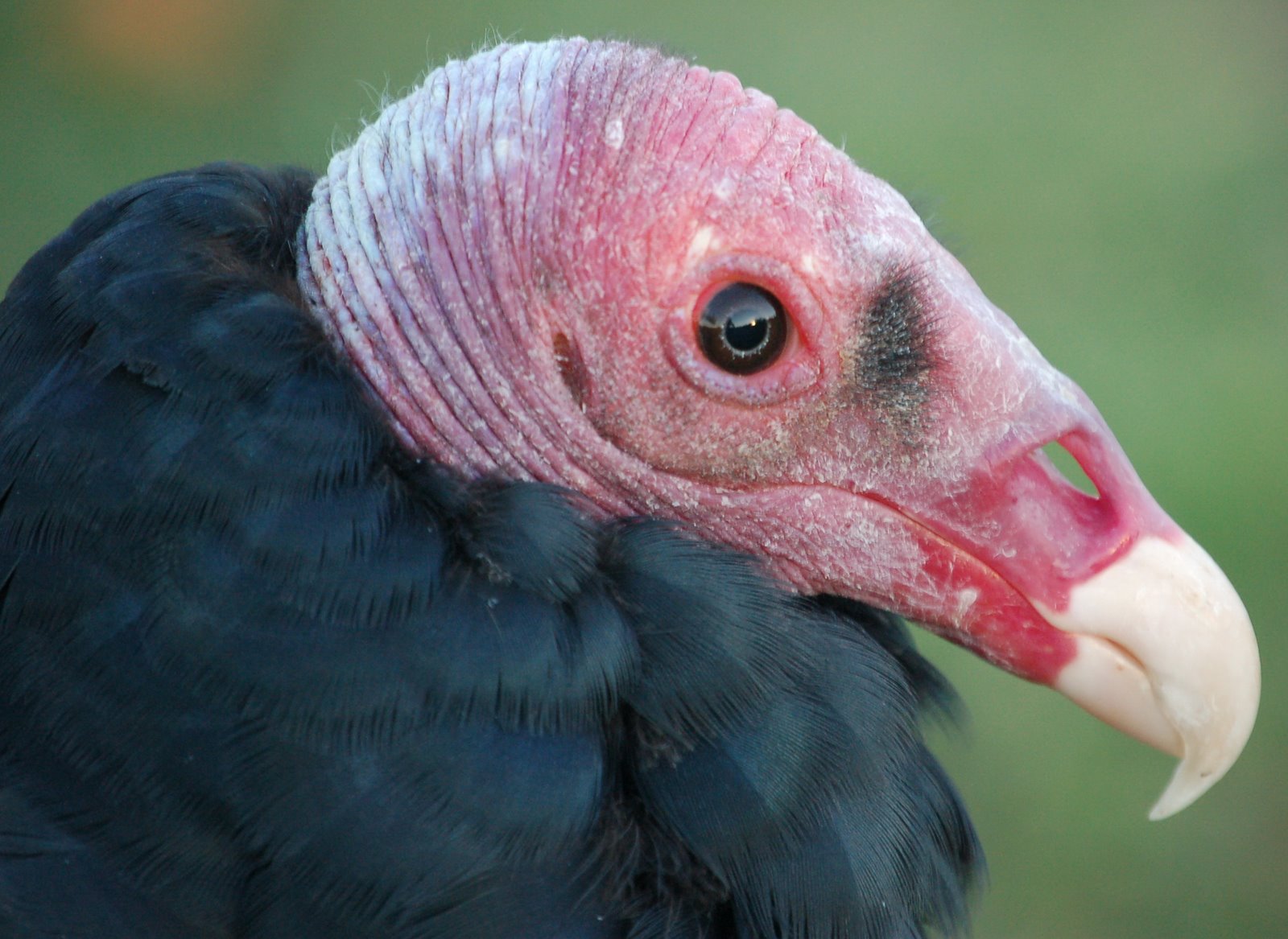
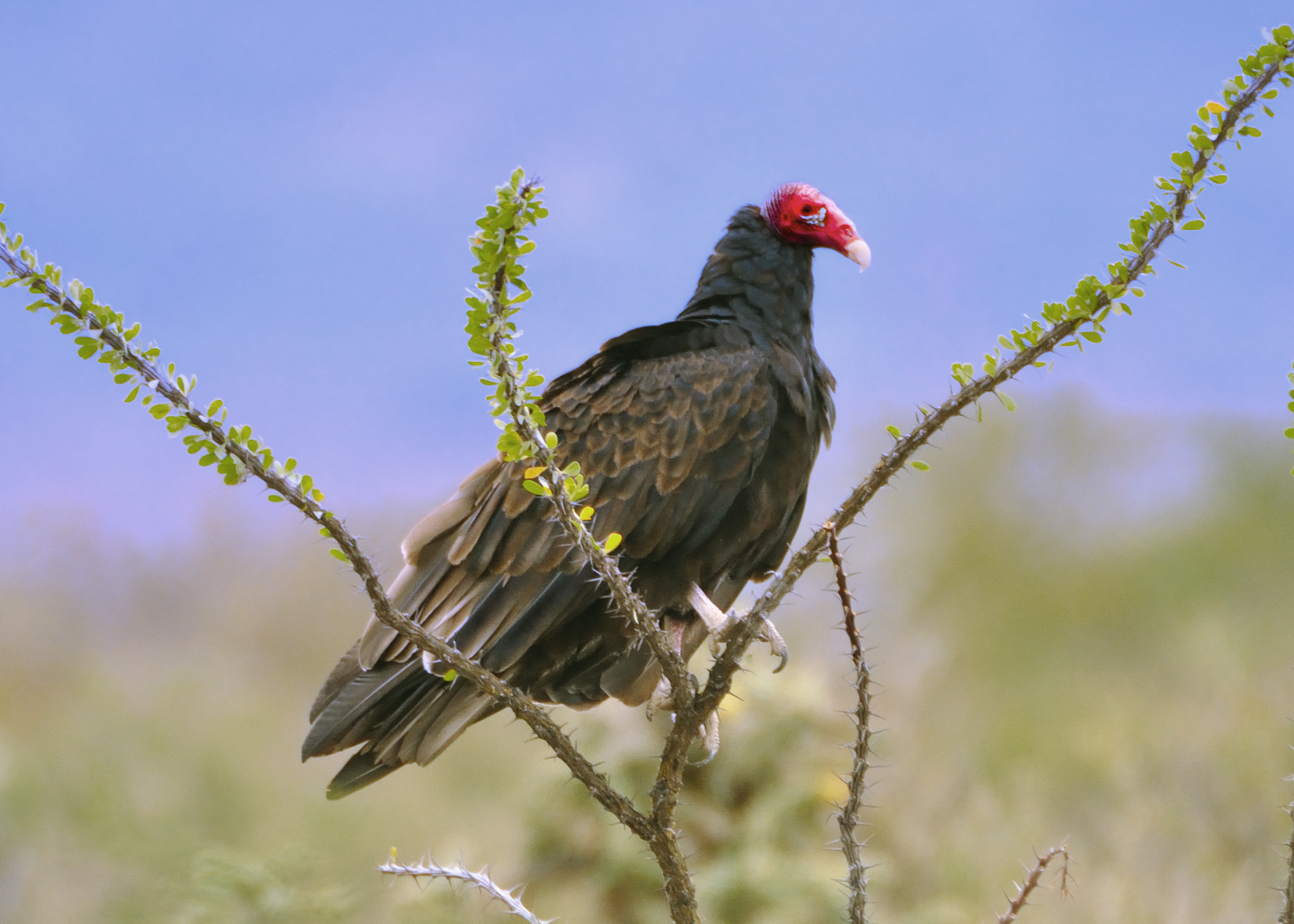
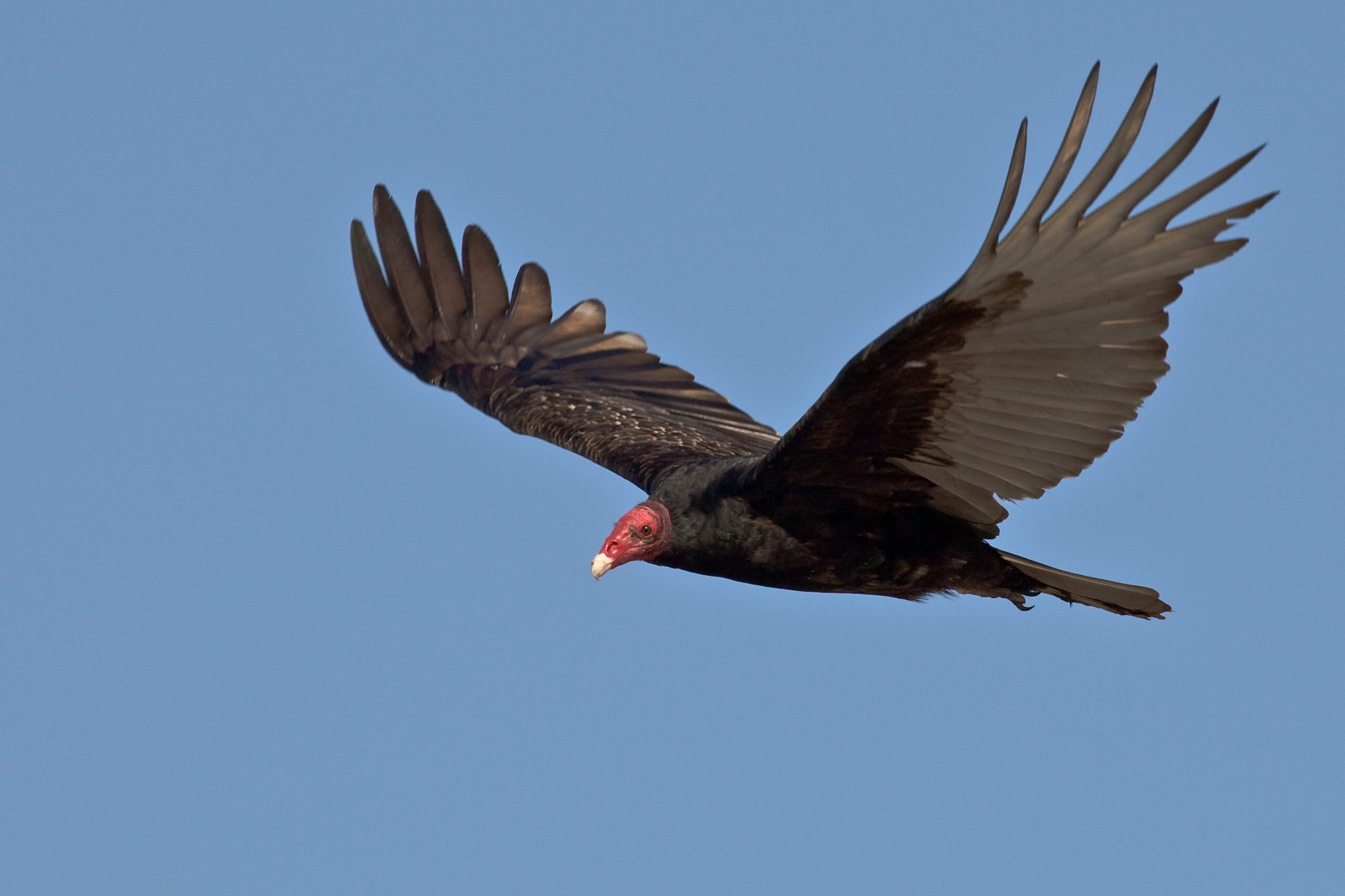
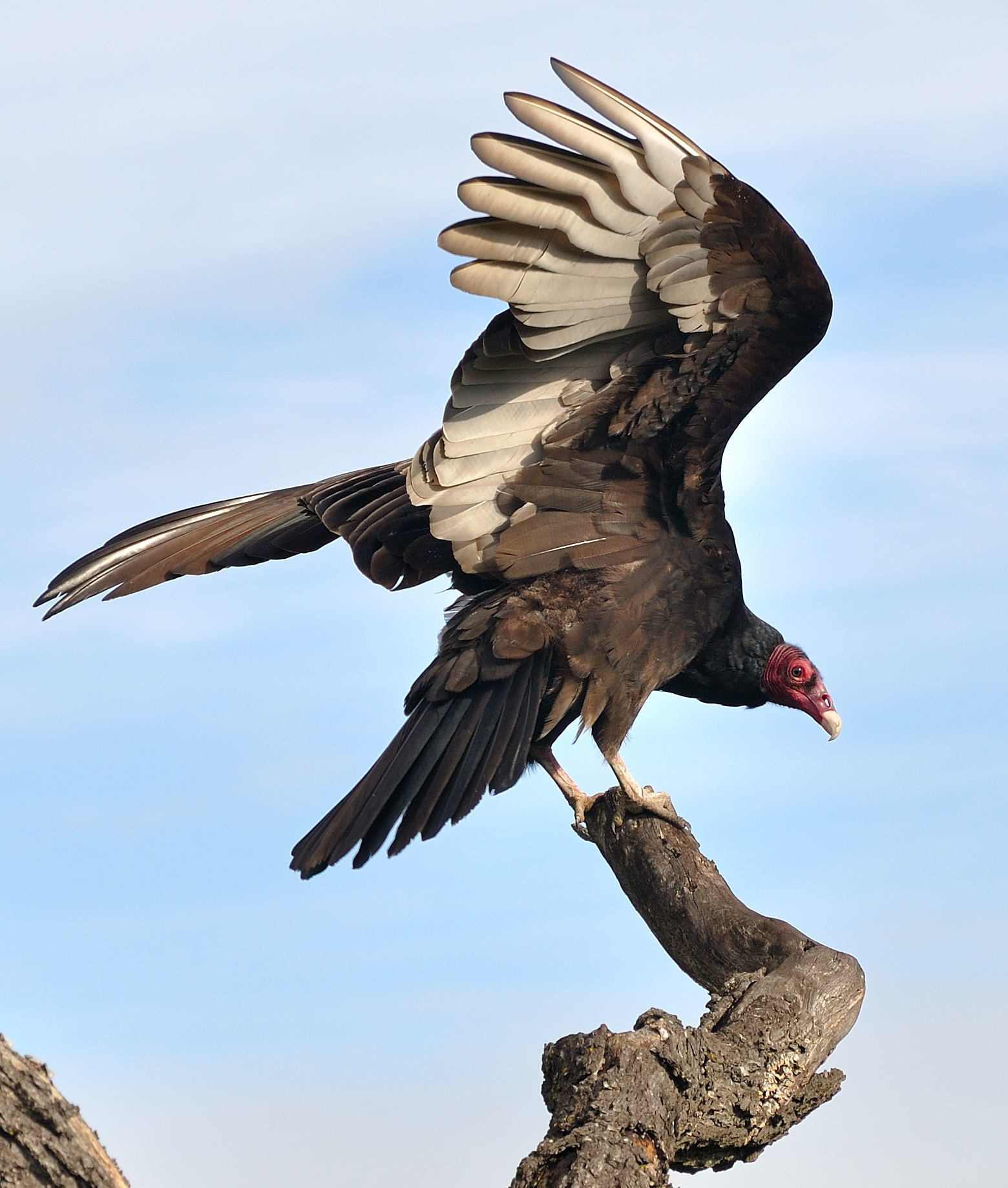
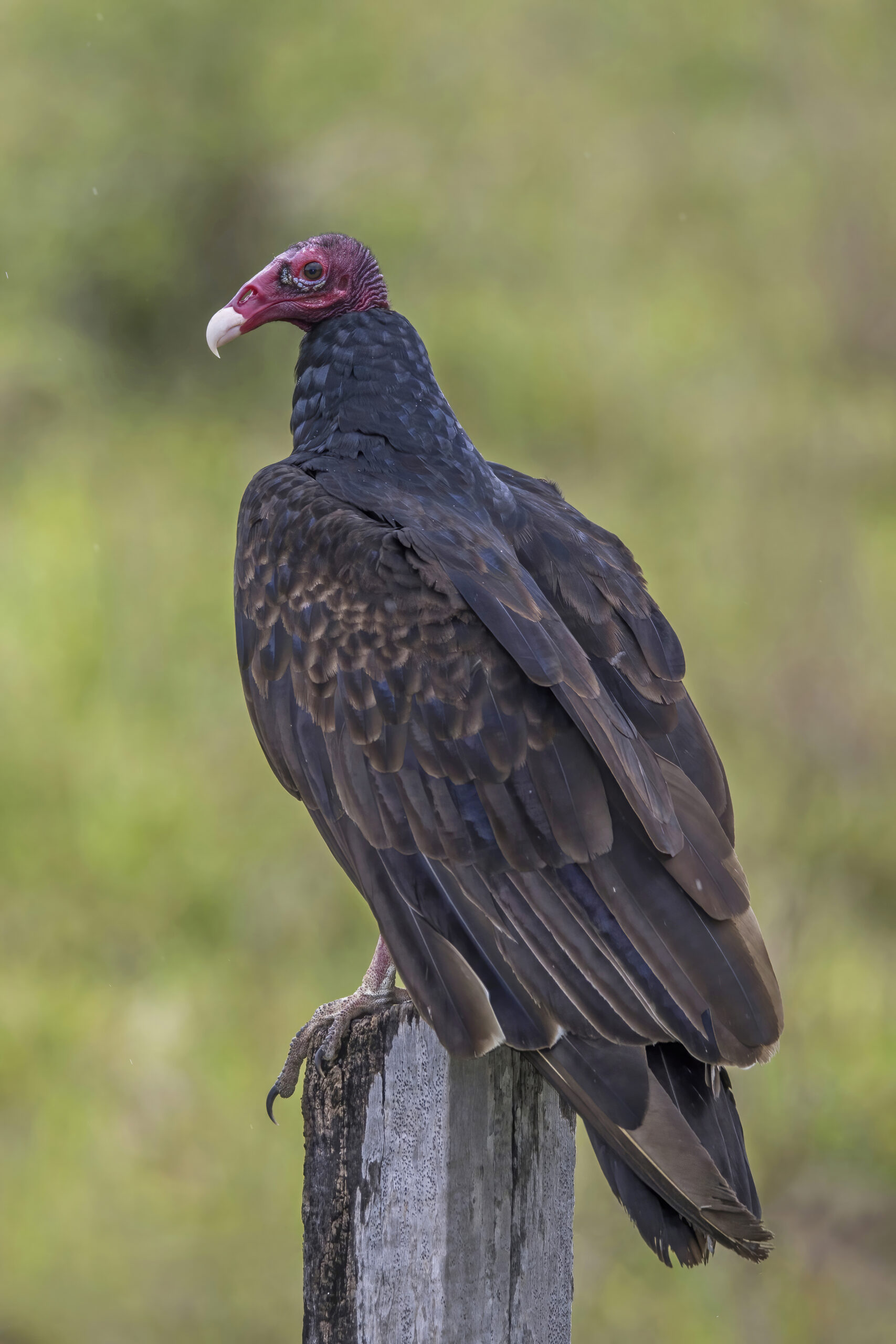
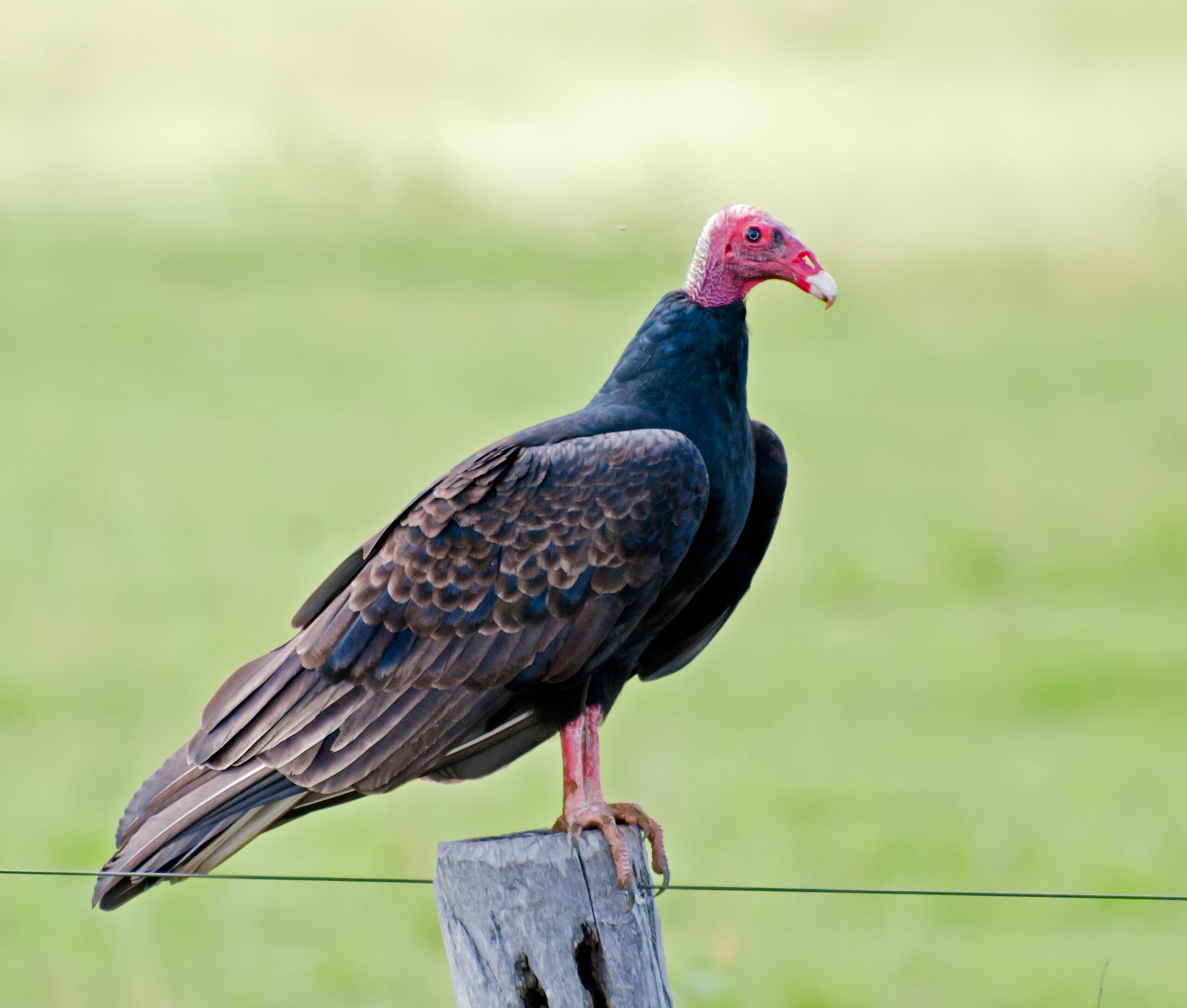
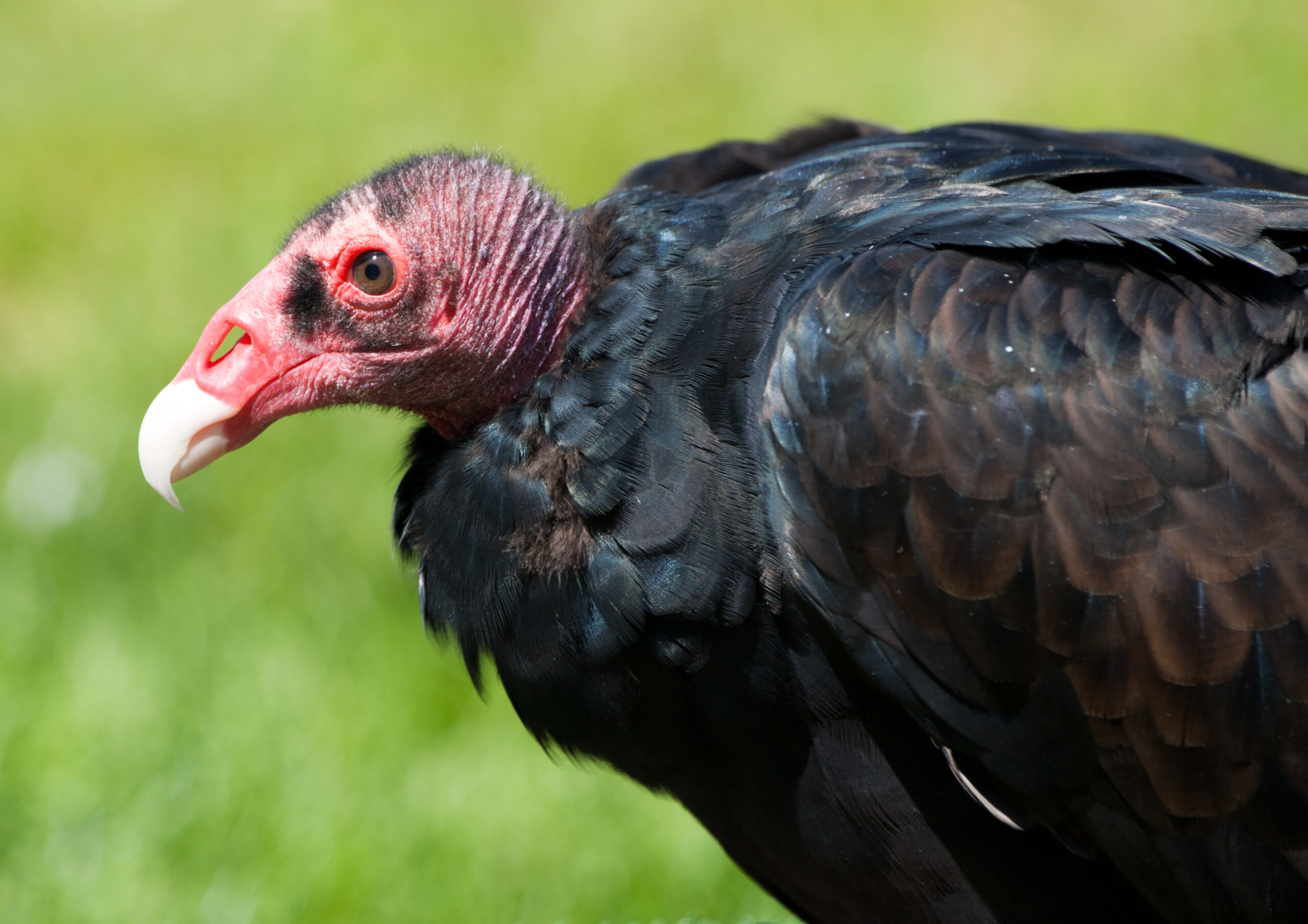
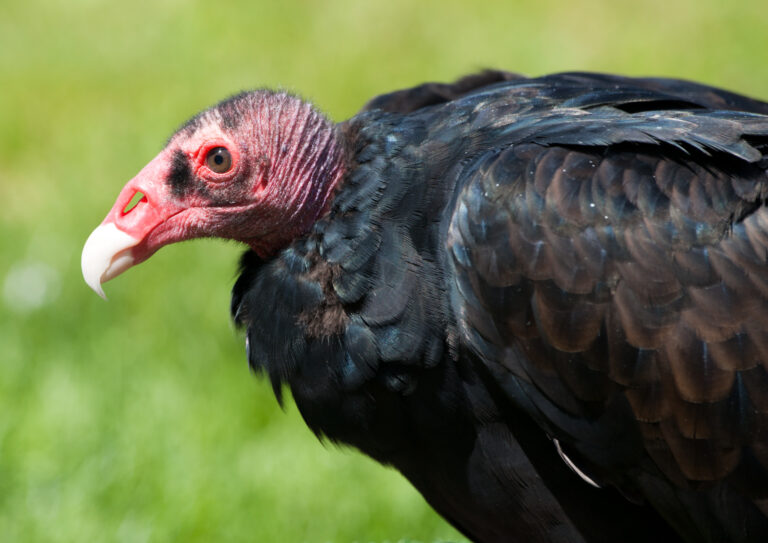
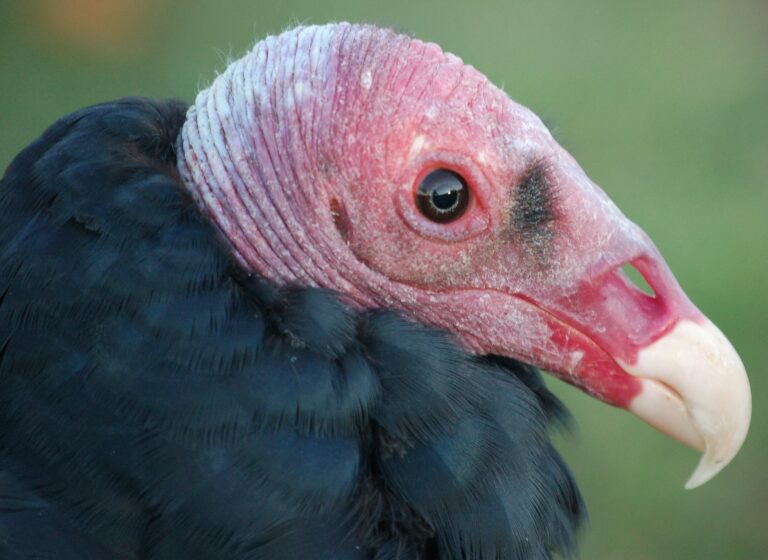
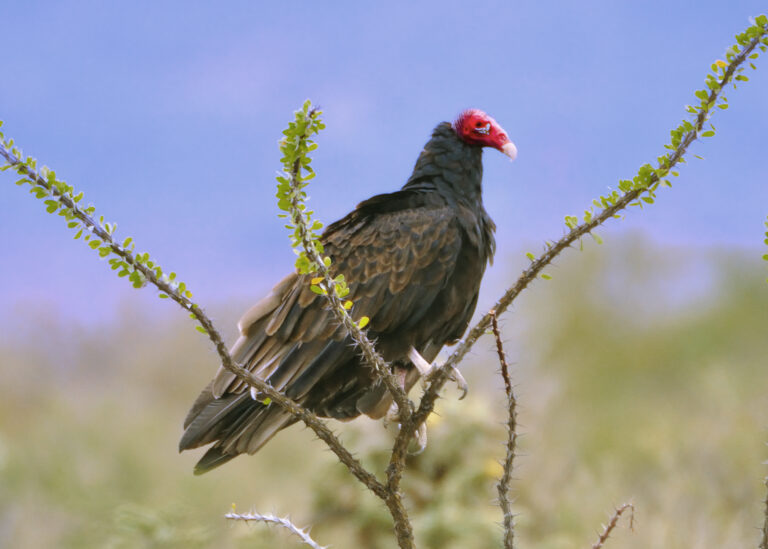
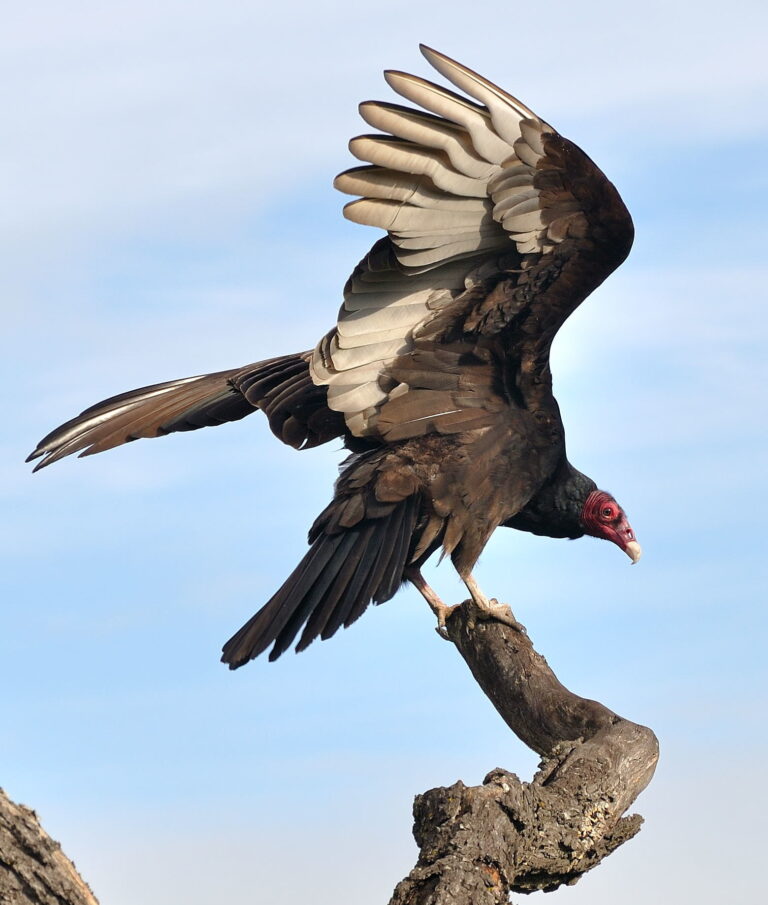
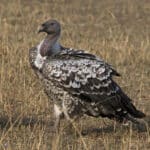
These birds have a distinct appearance with their dark brown and black feathers contrasted by a bare red head. The lack of feathers on their heads helps them stay clean while feeding on carcasses, as it prevents bacteria from getting trapped in their feathers.
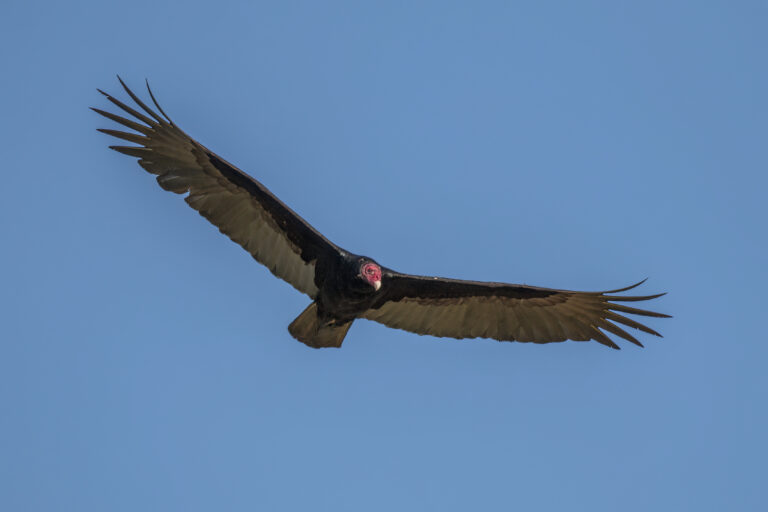
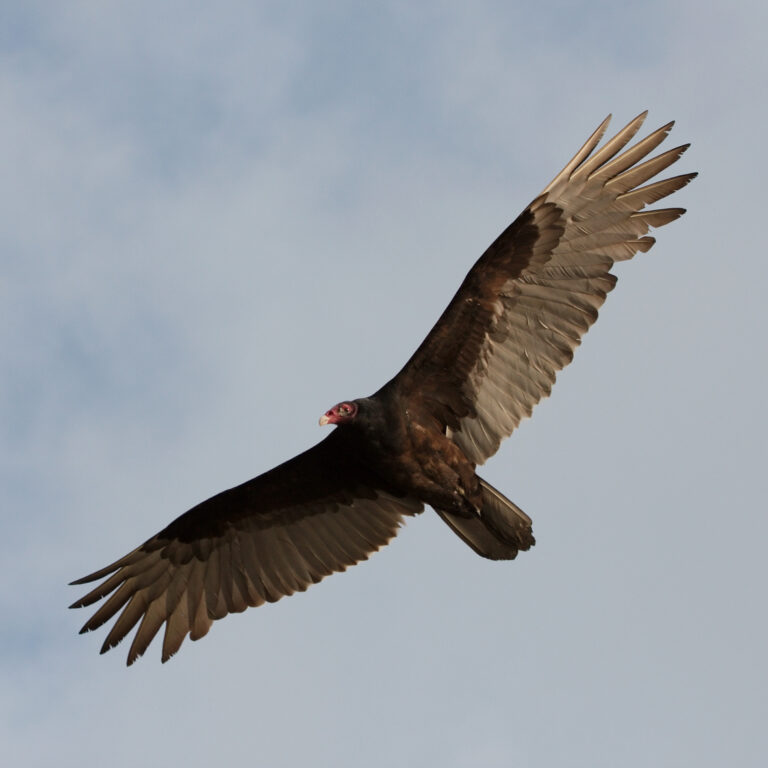
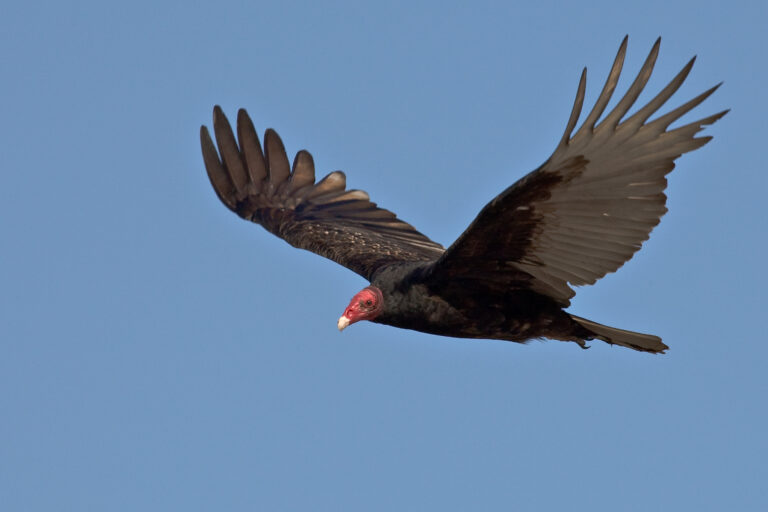
Turkey Vultures are excellent soarers! They can ride thermals, which are upward currents of warm air, allowing them to travel long distances without flapping their wings. This soaring ability makes them energy-efficient hunters of the sky.
These scavengers live for up to 16 years in the wild, showing us that they can enjoy a long life while performing their important ecological role. When they find food, they have a special way of communicating with each other through hissing and grunting sounds to signal their find to fellow vultures, creating a party of feasting birds!

Where can you find a Turkey Vulture in the wild?
What does a Turkey Vulture eat?
How big can a Turkey Vulture grow?
How long does a Turkey Vulture typically live?
What is the conservation status of the Turkey Vulture?
What are the main threats to the Turkey Vulture?
Fun facts
Turkey Vultures have an incredible sense of smell that helps them find food. They can detect the odor of rotting flesh from up to 1.6 kilometers (1 mile) away!


These birds can soar at altitudes of up to 6,100 meters (20,000 feet). They ride the warm air currents, gliding gracefully without flapping their wings, like aerial acrobats!
When Turkey Vultures eat, they might get a bit messy. Their bald heads help them stay clean because feathers would trap bacteria while they feast on carcasses.
Turkey Vultures sometimes engage in ‘feasting parties.’ They communicate their discoveries with hissing and grunting sounds, inviting fellow vultures to join in the meal!
While Turkey Vultures seem scary, they play the ultimate role of nature’s clean-up crew. They help control diseases by consuming dead animals that might spread germs!
In hot weather, Turkey Vultures cool off by urinating on their feet. This might sound odd, but it actually helps regulate their body temperature!
These birds have a surprisingly long lifespan. Turkey Vultures can live up to 16 years, which is quite a feat for a bird known to face many threats!
When threatened, Turkey Vultures might act a bit like performance artists. They can vomit to distract predators, making a quick getaway!
Photos

The Basics


explore more
Amphibians
Arachnids
Birds
Cats
Crustaceans
Fish
Fish Pet Guide
Gastropods
Insects
Invertebrates
Mammals
Pet Fish
Pet Rodents
Plants
Reptiles
Roundworms
Sea Slugs