Successfully copied to clipboard!
Turkey
Join the vibrant dance of North America's charming feathered friend!
Let’s Explore
Overview
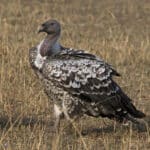
The turkey is a charming bird native to North America that can grow about 1 to 1.2 meters (3 to 4 feet) long. Turkeys belong to the class Aves, which means they are part of the amazing world of birds where feathers and flight are the name of the game!
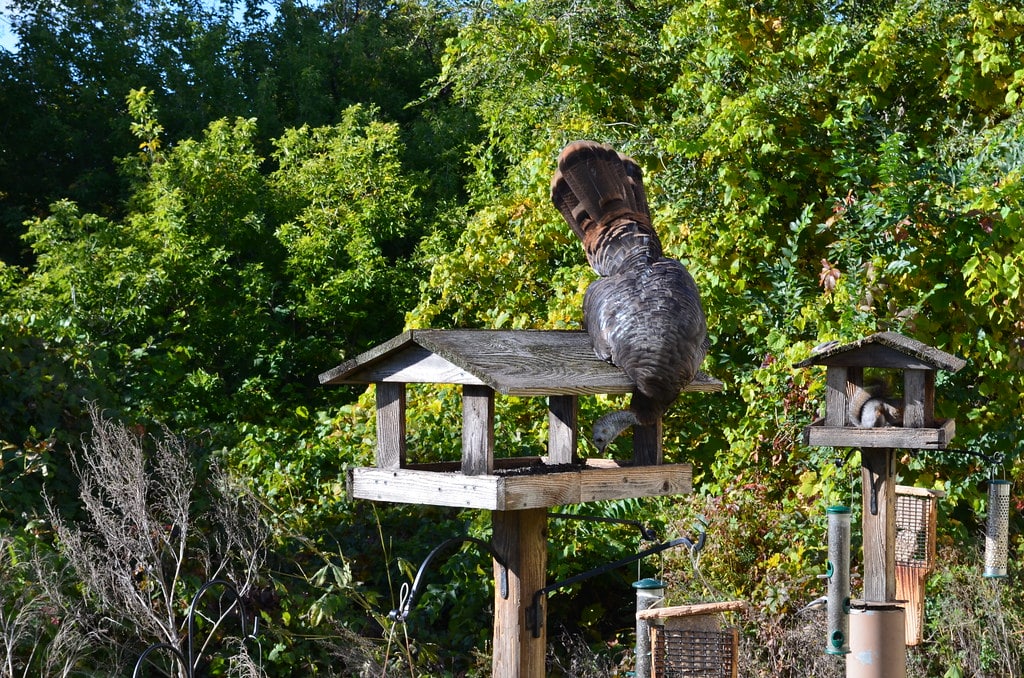
Turkeys have a tasty diet that includes seeds, nuts, berries, and even insects. These feathered foodies love to roam around looking for their next snack in fields and forests.
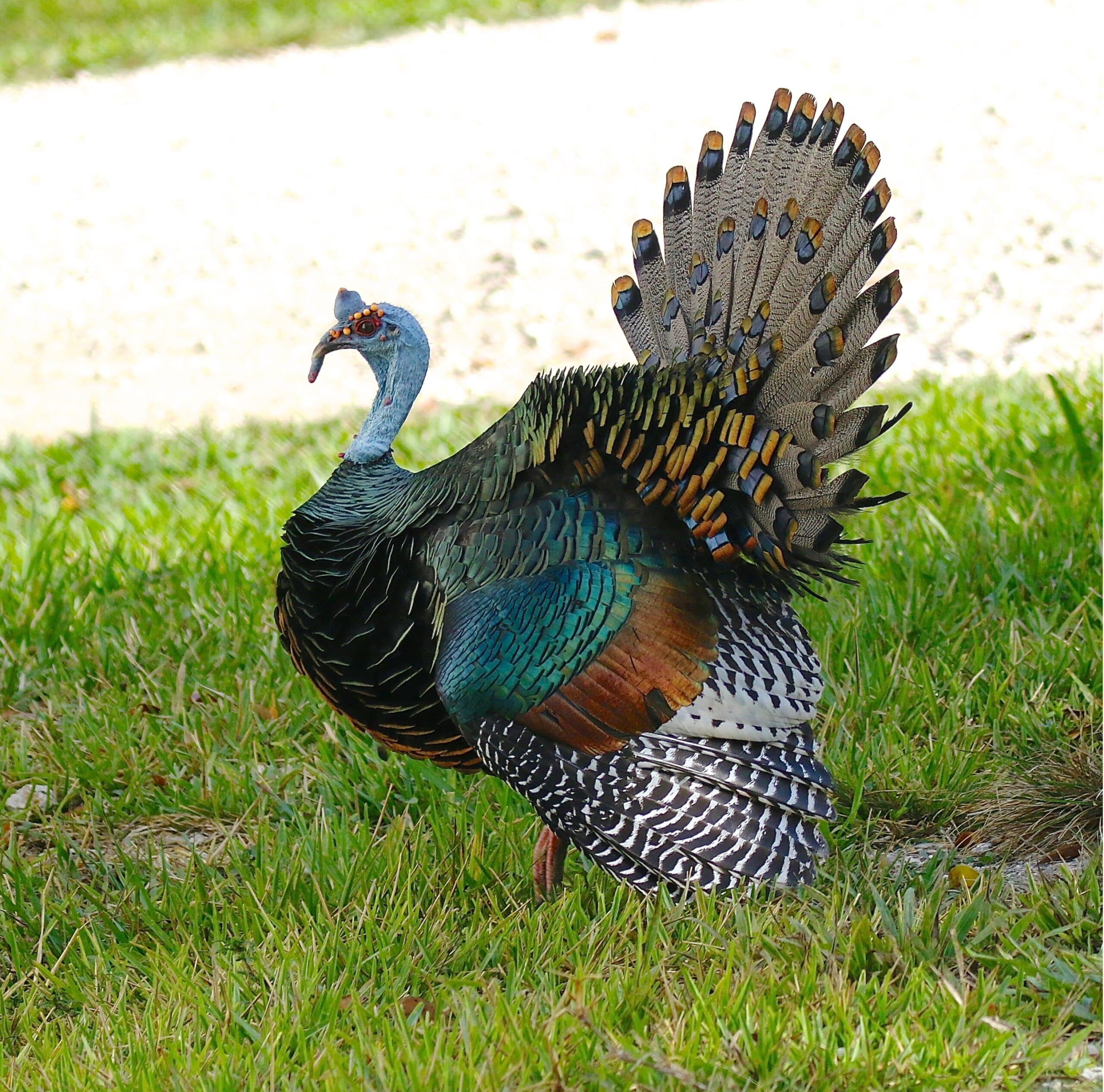
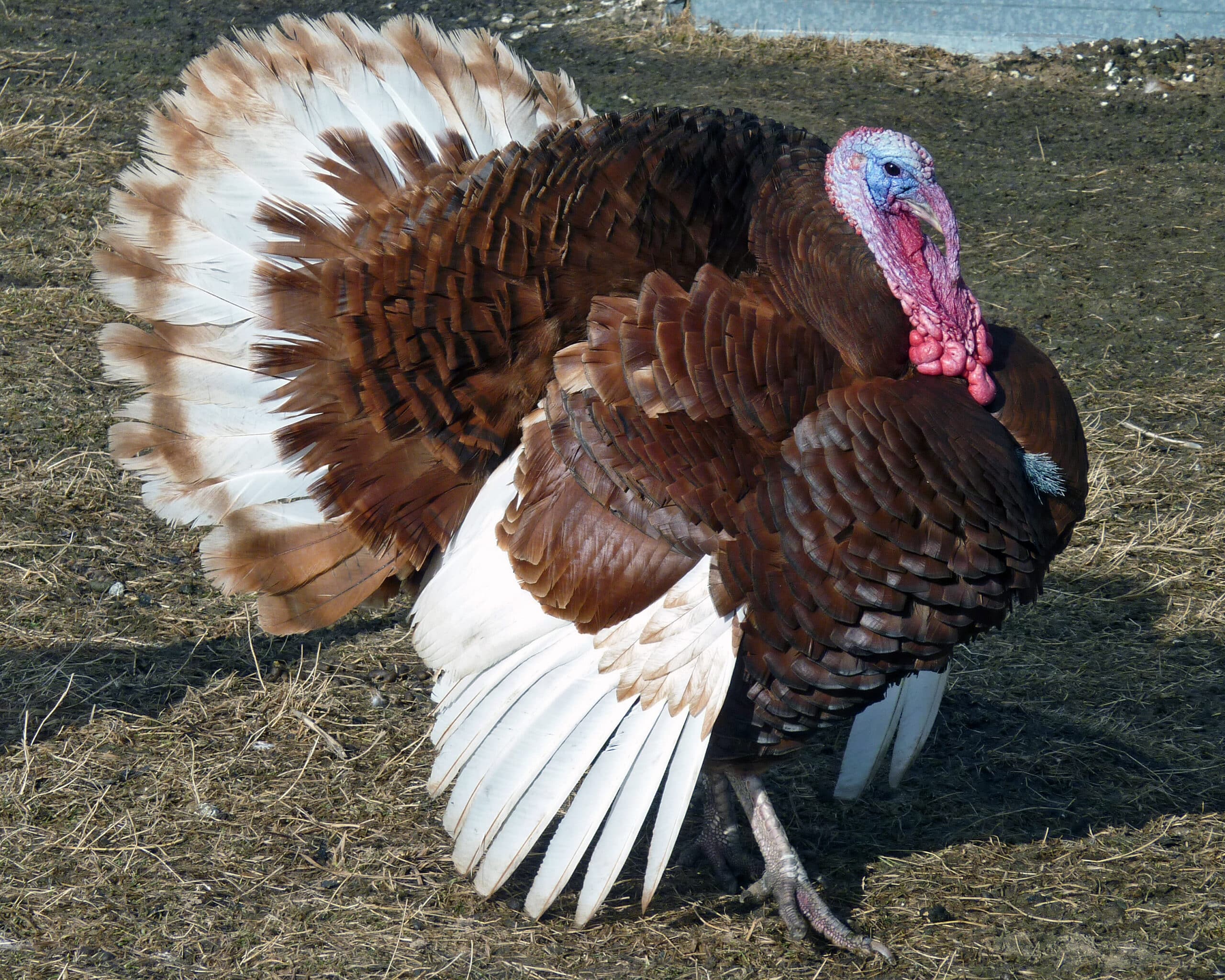
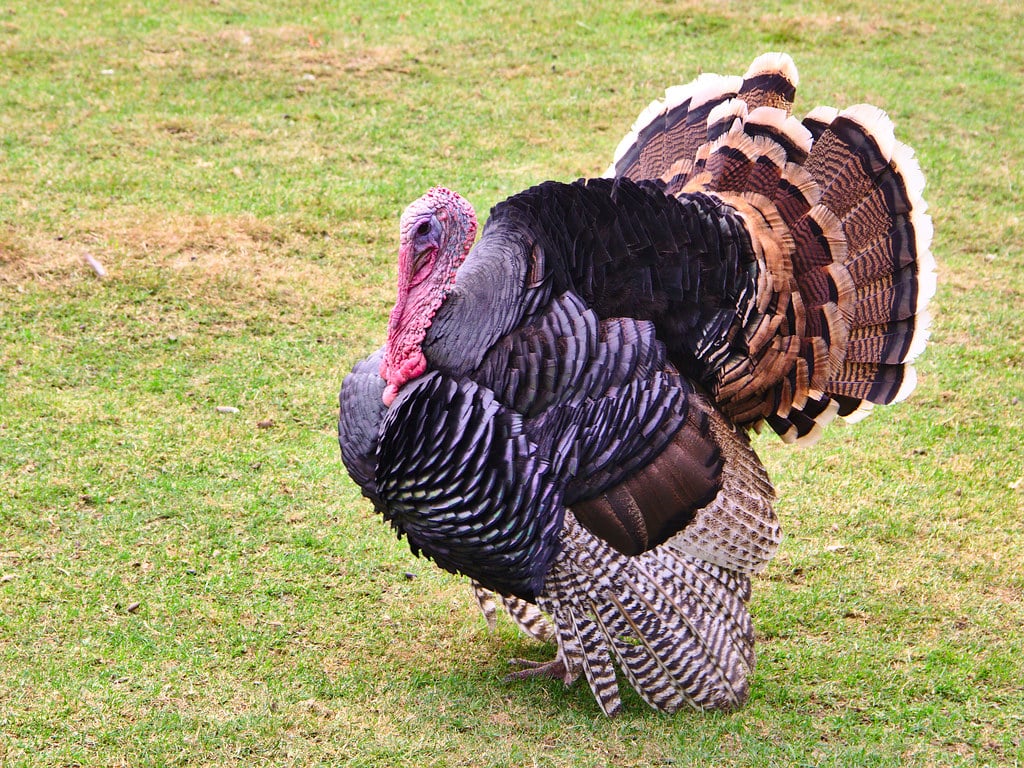
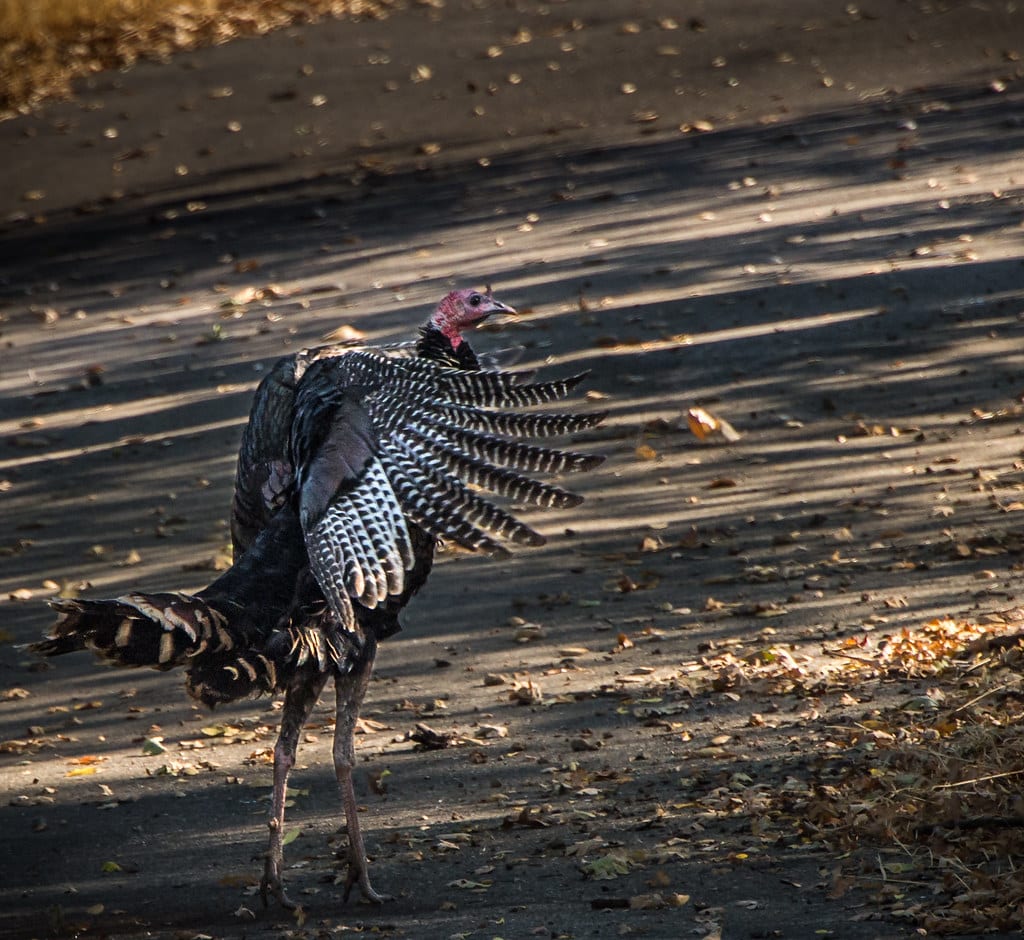
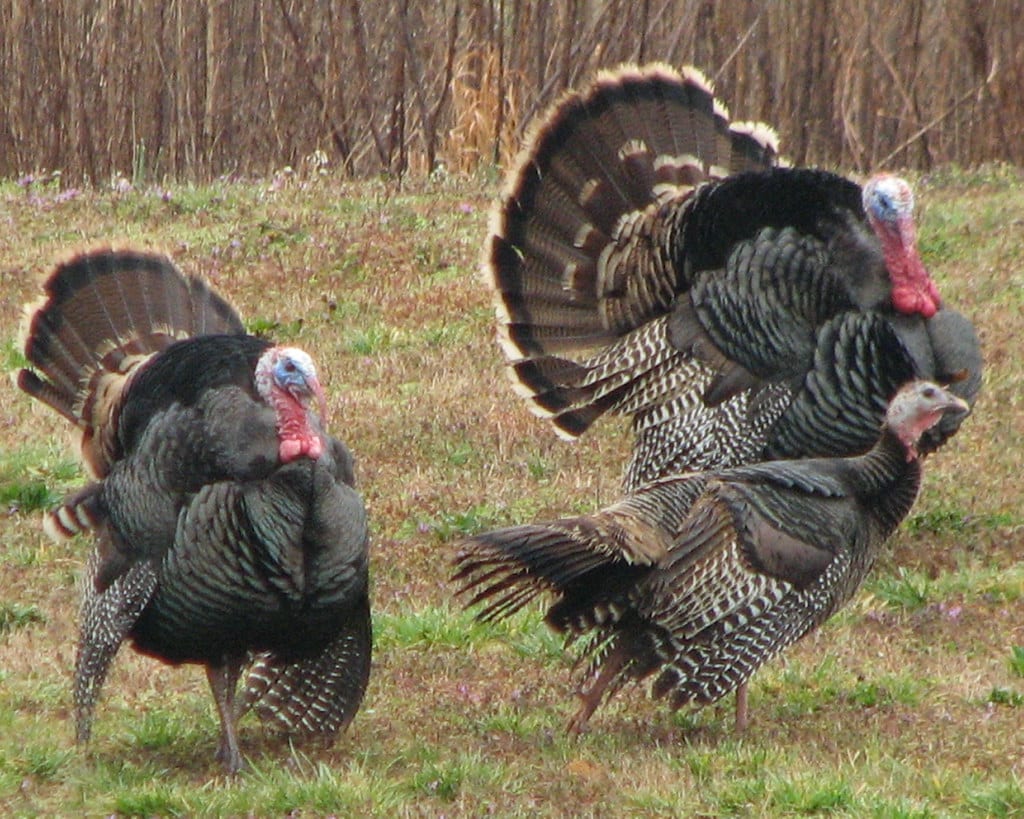
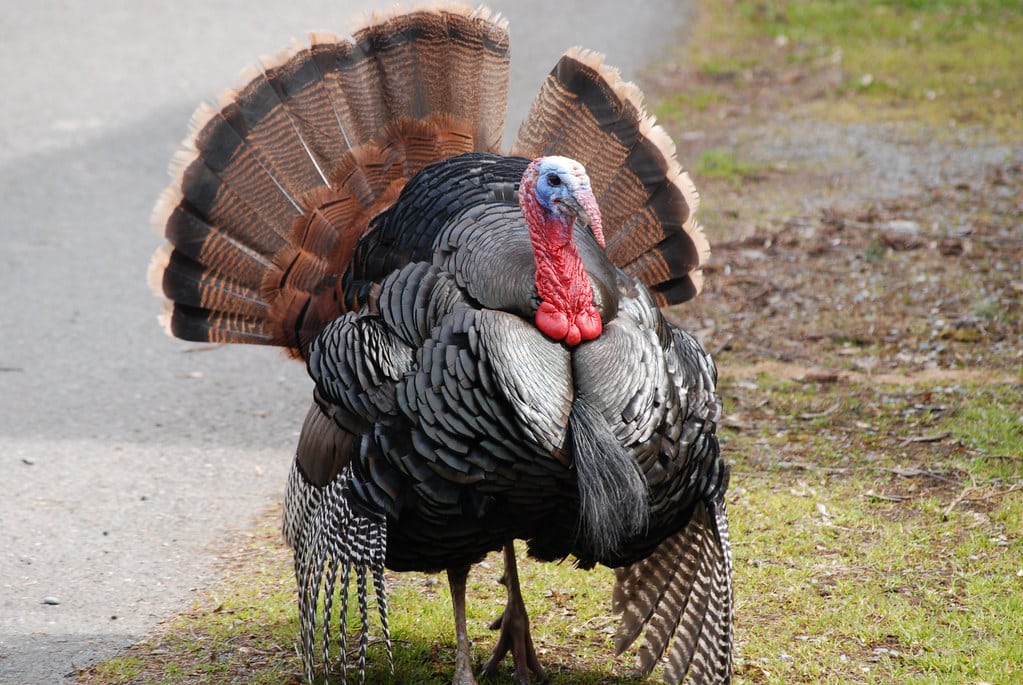
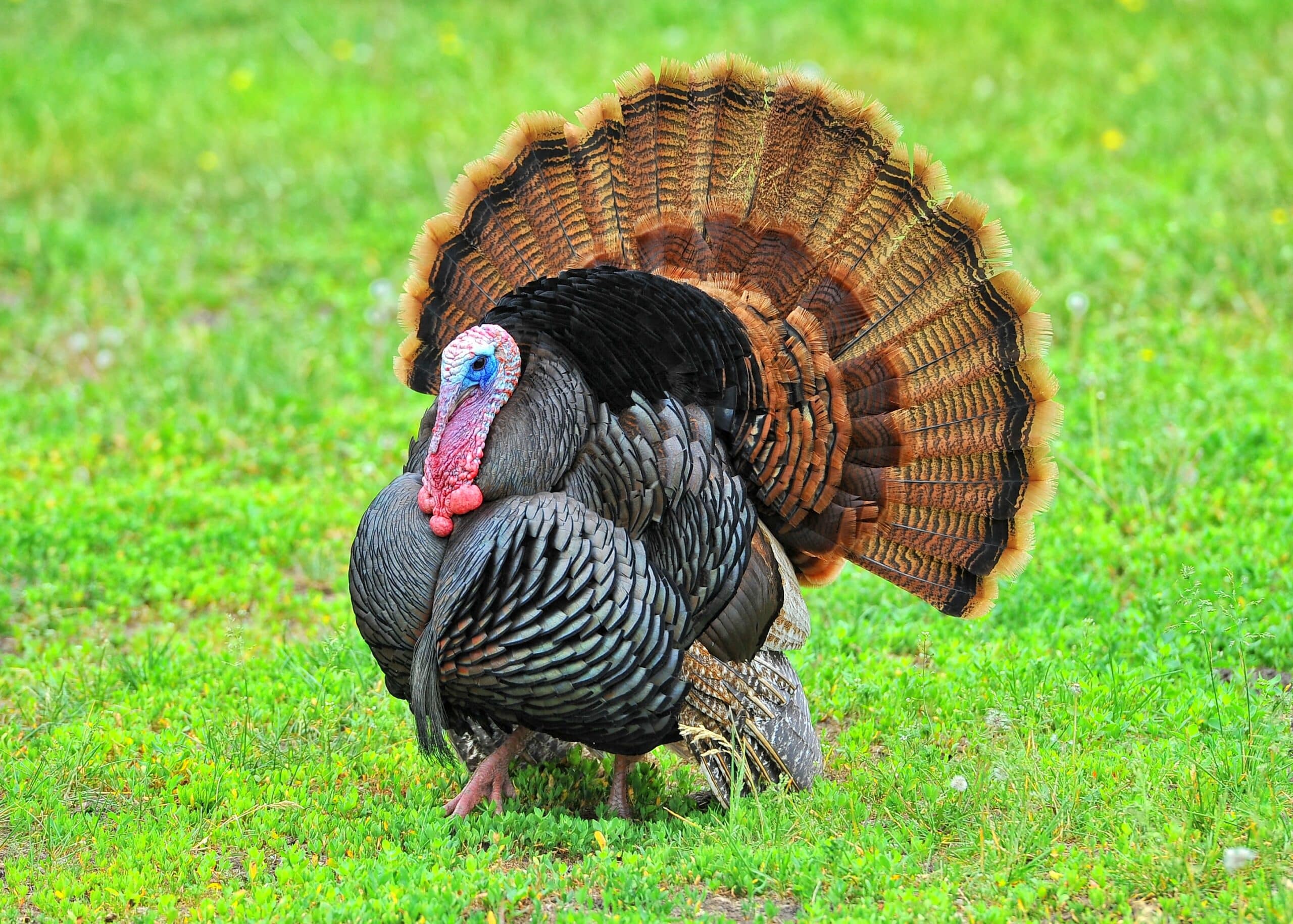
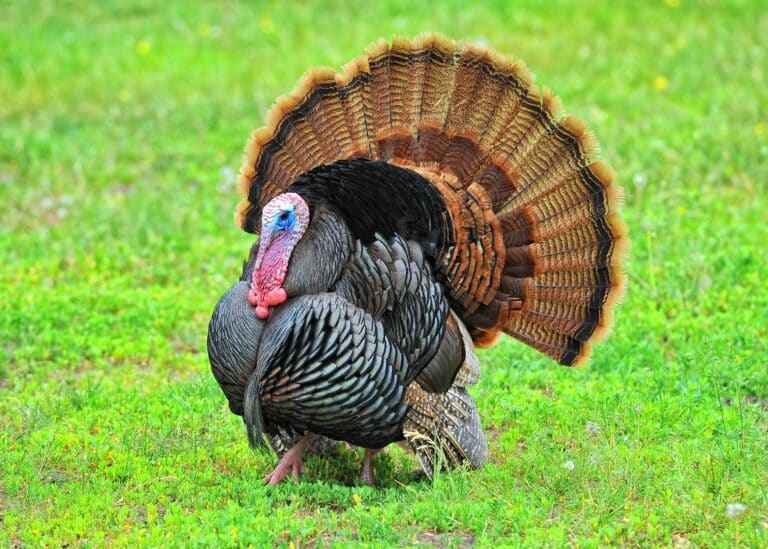
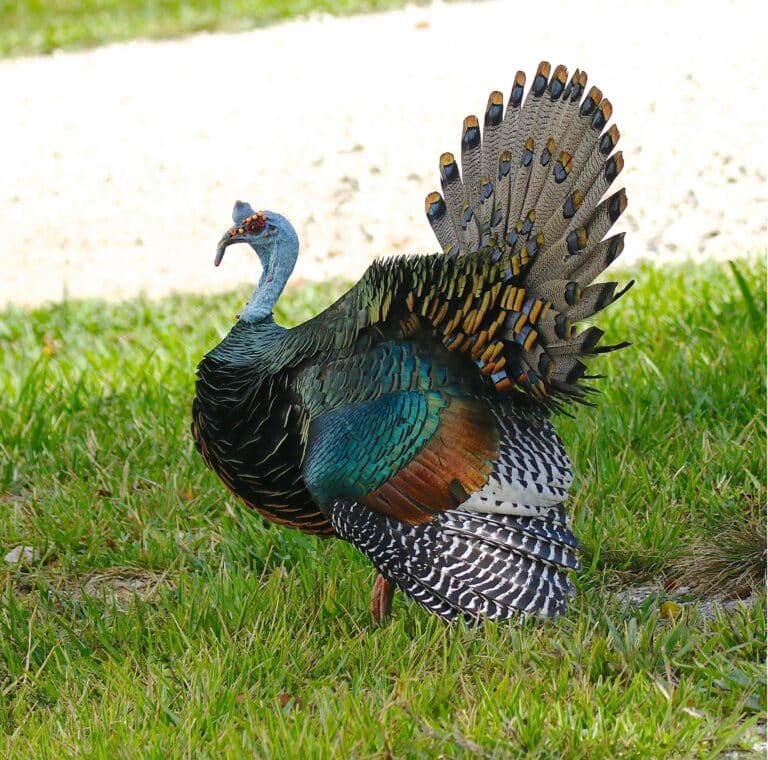
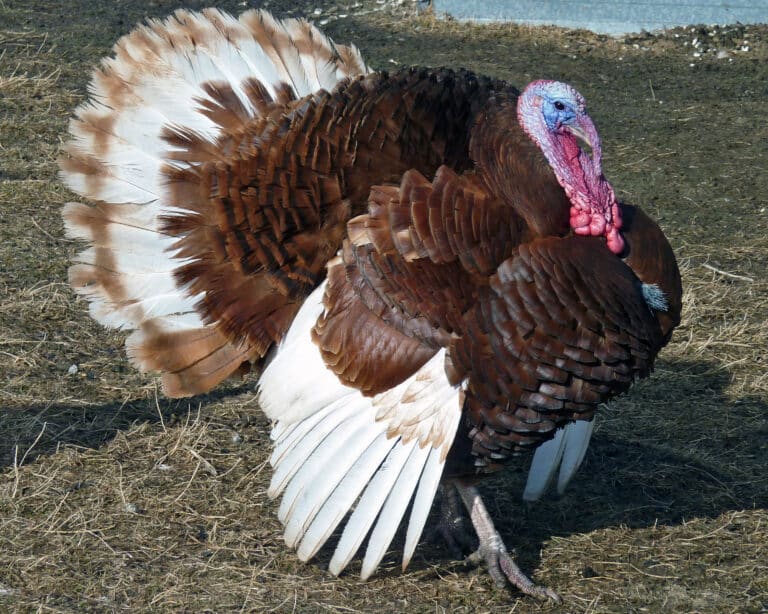
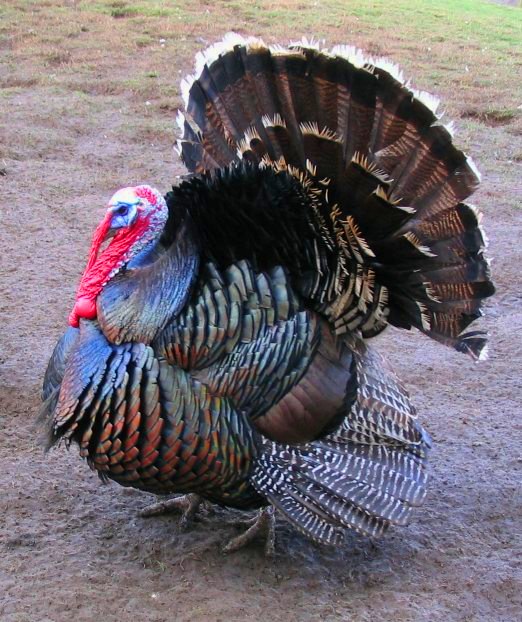
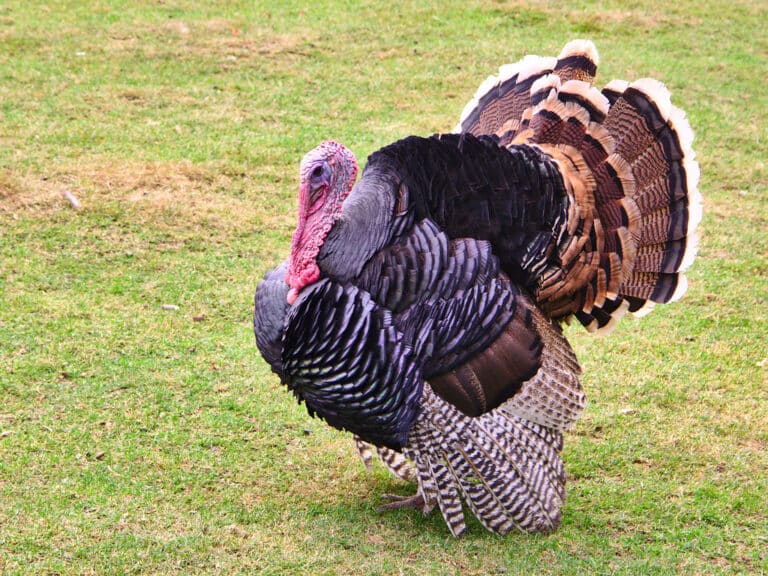
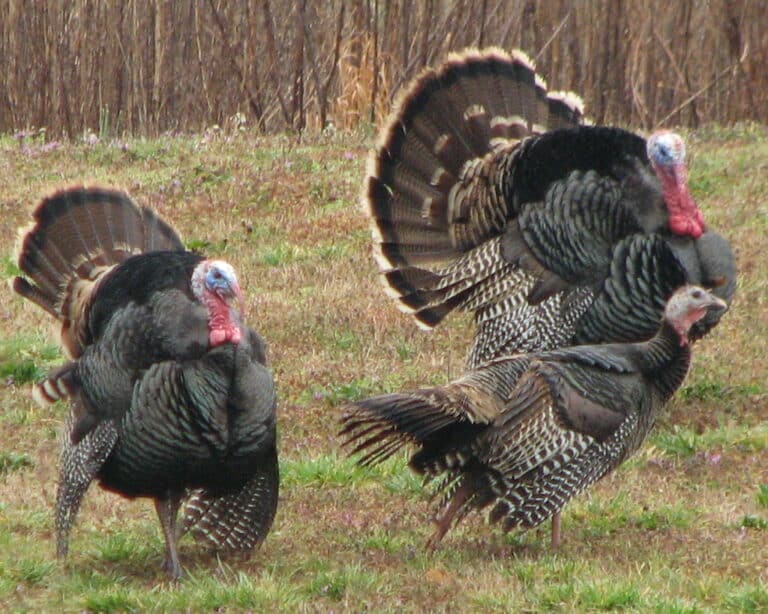
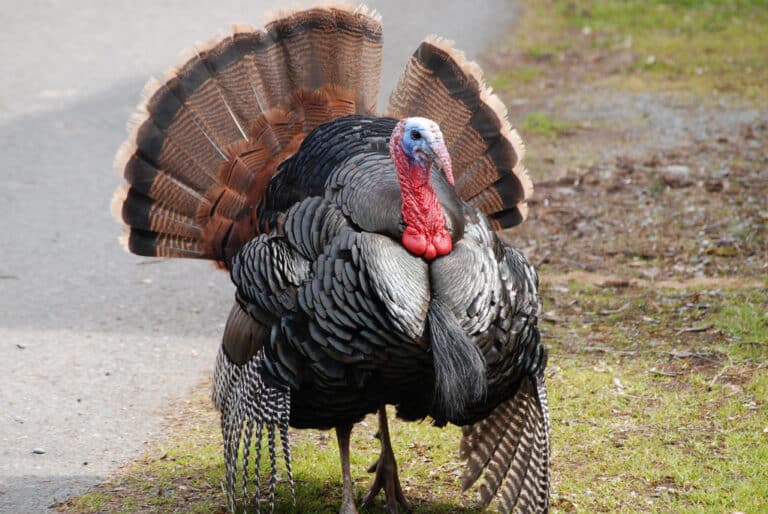
Turkeys are often known for their distinctive features, especially the male turkeys or toms, who display vibrant feathers and a splendid tail fan during courtship. The sight of a tom strutting around to attract hens is like nature’s version of a dance-off, and it showcases their beautiful plumage!
Did you know a turkey’s lifespan can reach anywhere from 3 to 5 years? That’s plenty of time for them to wobble around and show off their quirky personalities to other birds and critters in their habitat!
Turkeys are fascinating animals, and they belong to the family Phasianidae in the order Galliformes. They are just one of the many feathered friends you can find in the avian world, and they certainly bring a lot of joy wherever they roam!

Where can you find a Turkey in the wild?
What does a Turkey eat?
How big can a Turkey grow?
How long does a Turkey typically live?
What is the conservation status of the Turkey?
What are the main threats to the Turkey?
Fun facts
Male wild turkeys can weigh between 5.4 to 11.3 kilograms (12 to 25 pounds), and during mating season, they puff up their feathers and fan out their tails to impress the hens, looking like a feathered peacock!


Wild turkeys can run at speeds up to 48 kilometers per hour (30 miles per hour) when they feel threatened, making them faster than some human sprinters!
These birds have excellent eyesight, allowing them to see in color and detect motion from a great distance, which helps them spot potential dangers and delicious snacks!
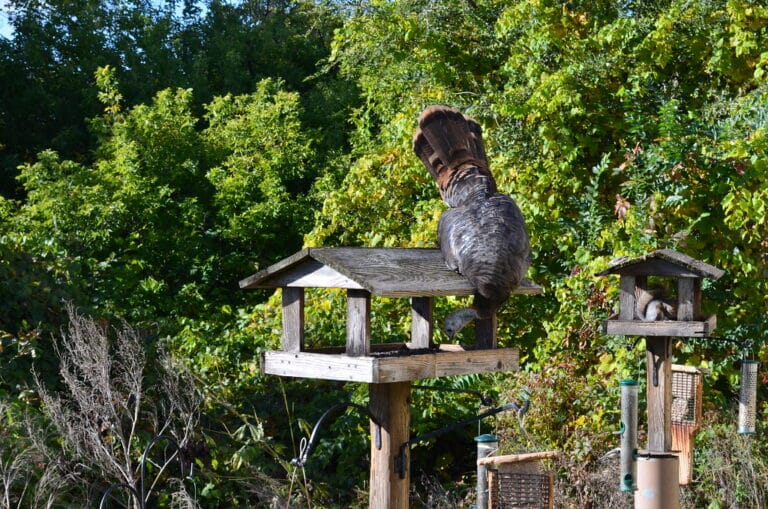
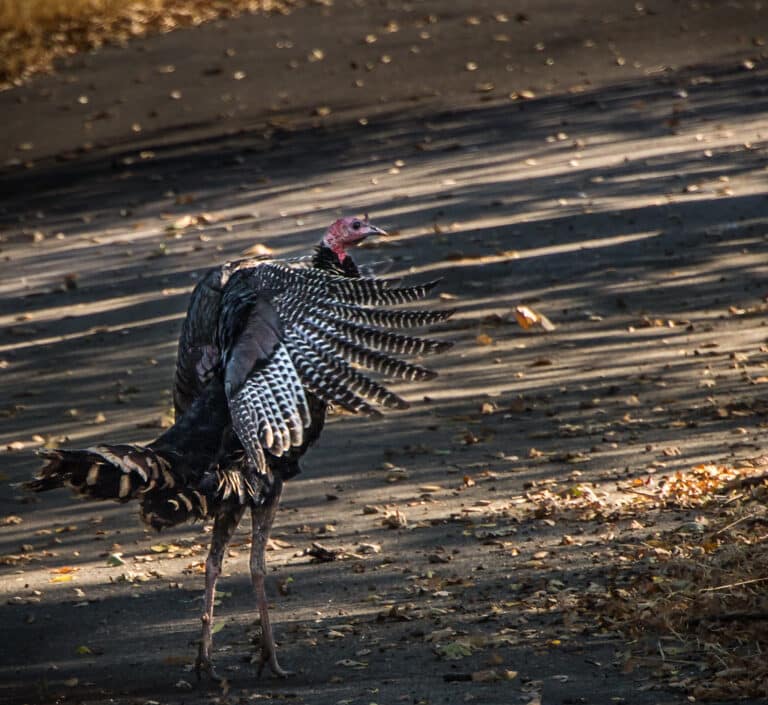
Wild turkeys can fly short distances at speeds up to 88 kilometers per hour (55 miles per hour). They usually fly to escape predators or reach their roosting spots at night!
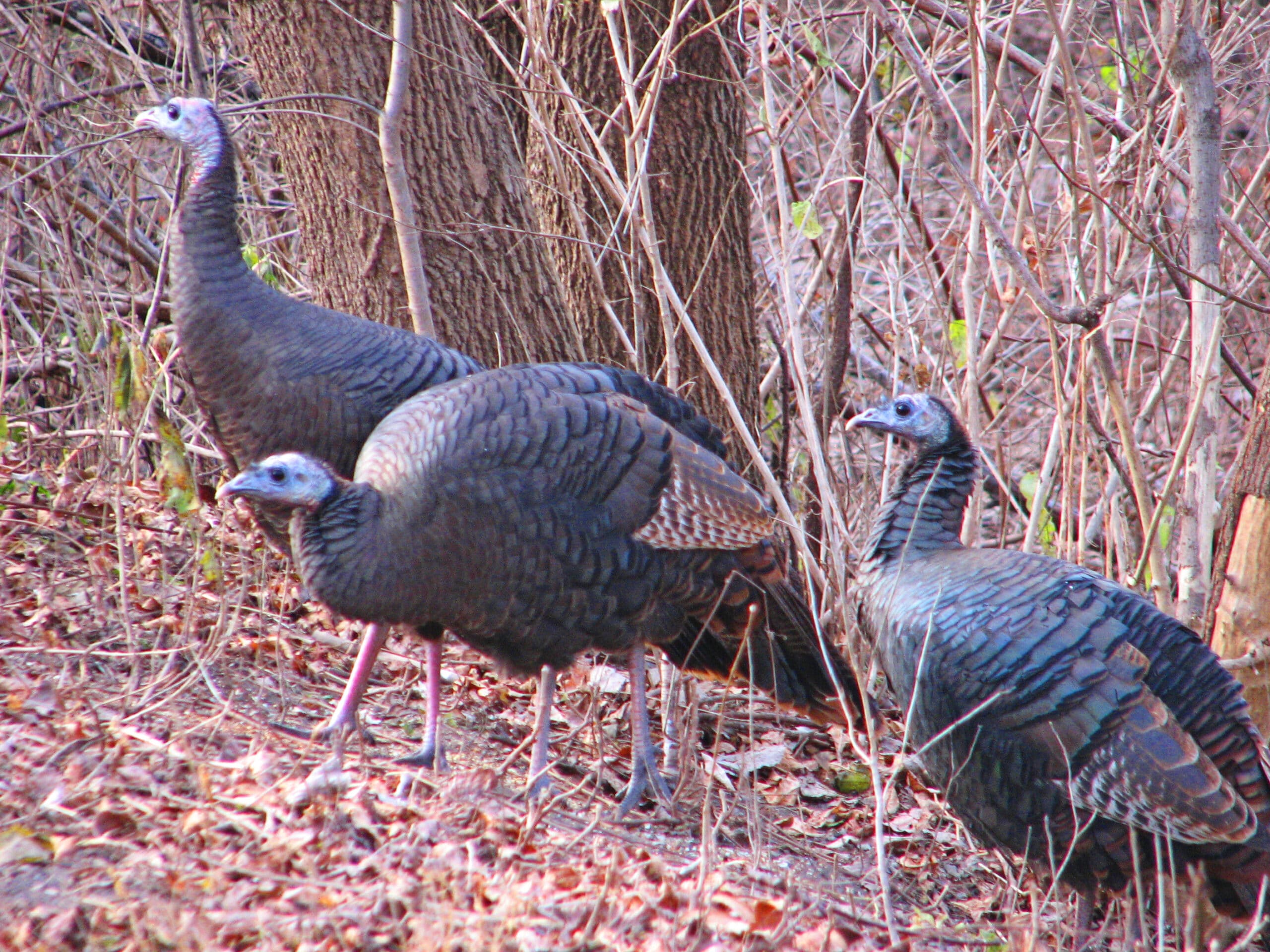
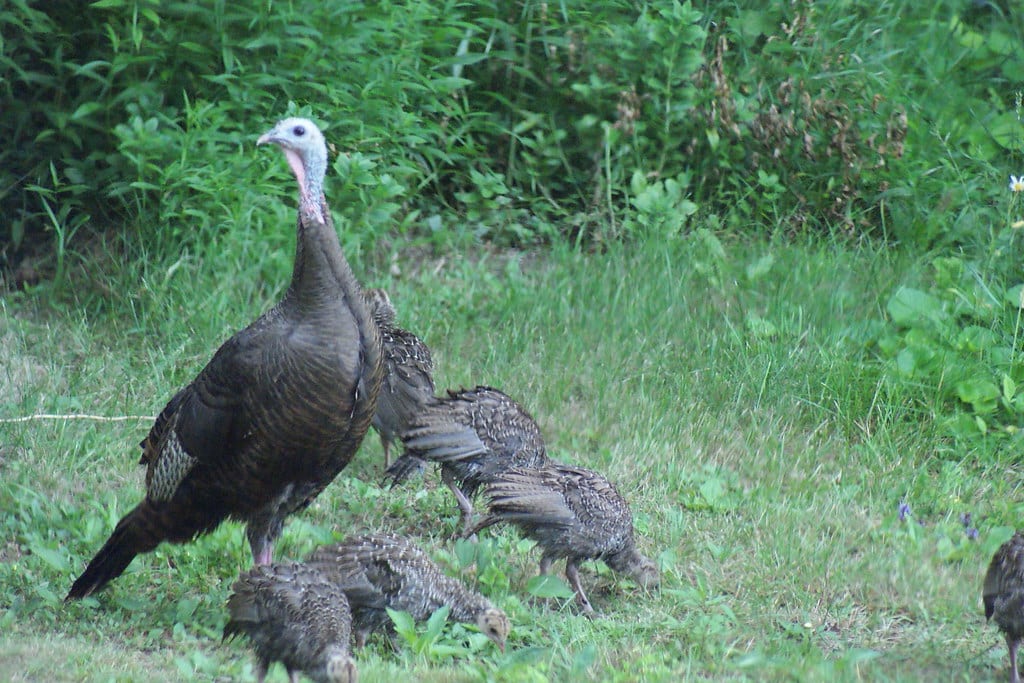
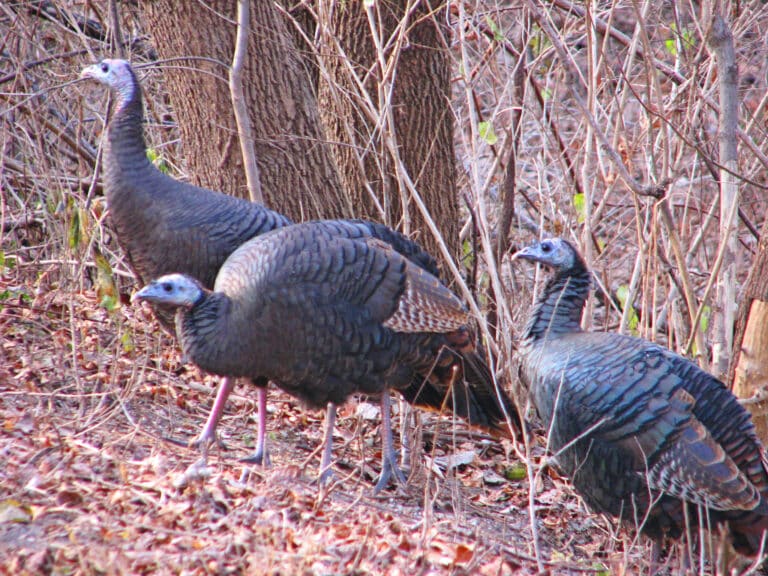
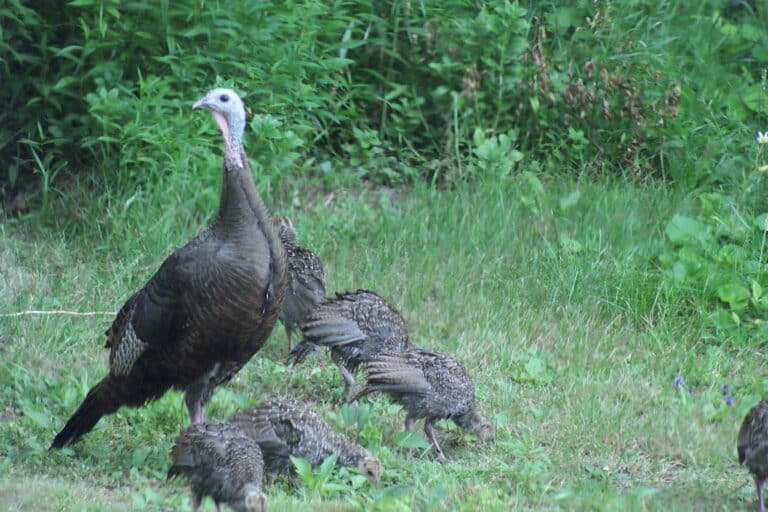
Turkeys have a unique social structure; they often form flocks when foraging and rely on group communication. If one turkey is startled, it can alert the whole flock with a special call!
Wild turkeys have a special digestive system that allows them to eat tough seeds and nuts. They often swallow small stones called gastroliths, which help grind up food in their gizzards like a built-in food processor!
Wild turkeys can make over 20 different sounds. Their most famous call, the gobble, is used by males to attract females and establish their territory!
These birds are excellent foragers and can eat a wide variety of foods like nuts, seeds, fruits, and even small insects. They also help the ecosystem by spreading seeds as they move around!
A wild turkey's feathers are not just for style! Their unique feather structure traps air and keeps them warm during cold weather, proving that fashion can be functional too!
In Native American cultures, wild turkeys held special significance and were often seen as symbols of abundance and gratitude. They even played a role in traditional ceremonies and feasts!
Photos

The Basics


explore more
Amphibians
Arachnids
Birds
Cats
Crustaceans
Fish
Fish Pet Guide
Gastropods
Insects
Invertebrates
Mammals
Pet Fish
Pet Rodents
Plants
Reptiles
Roundworms
Sea Slugs