Successfully copied to clipboard!
Urial
Leap into adventure with agile mountain dwellers of Asia!

Let’s Explore
Overview
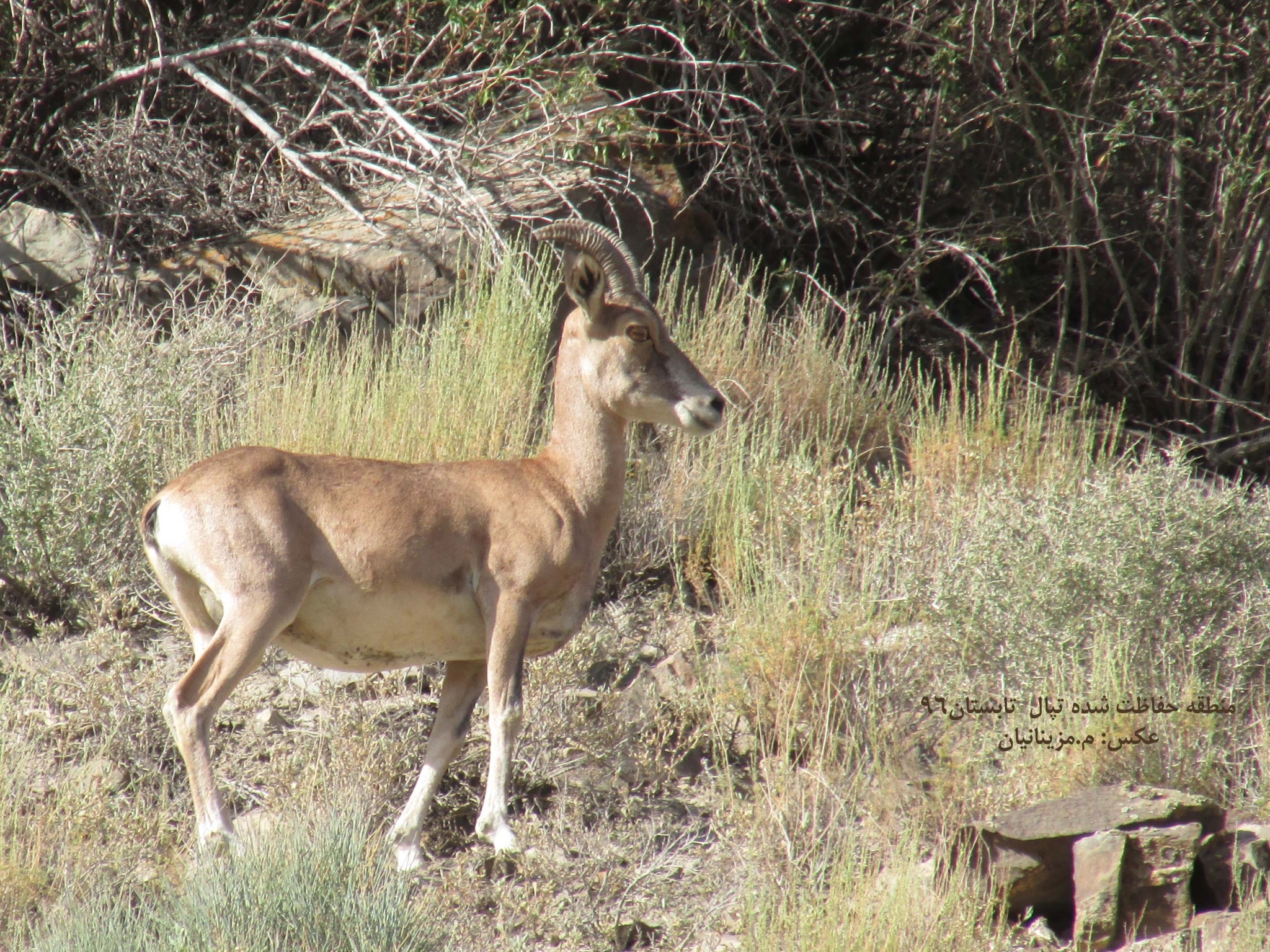
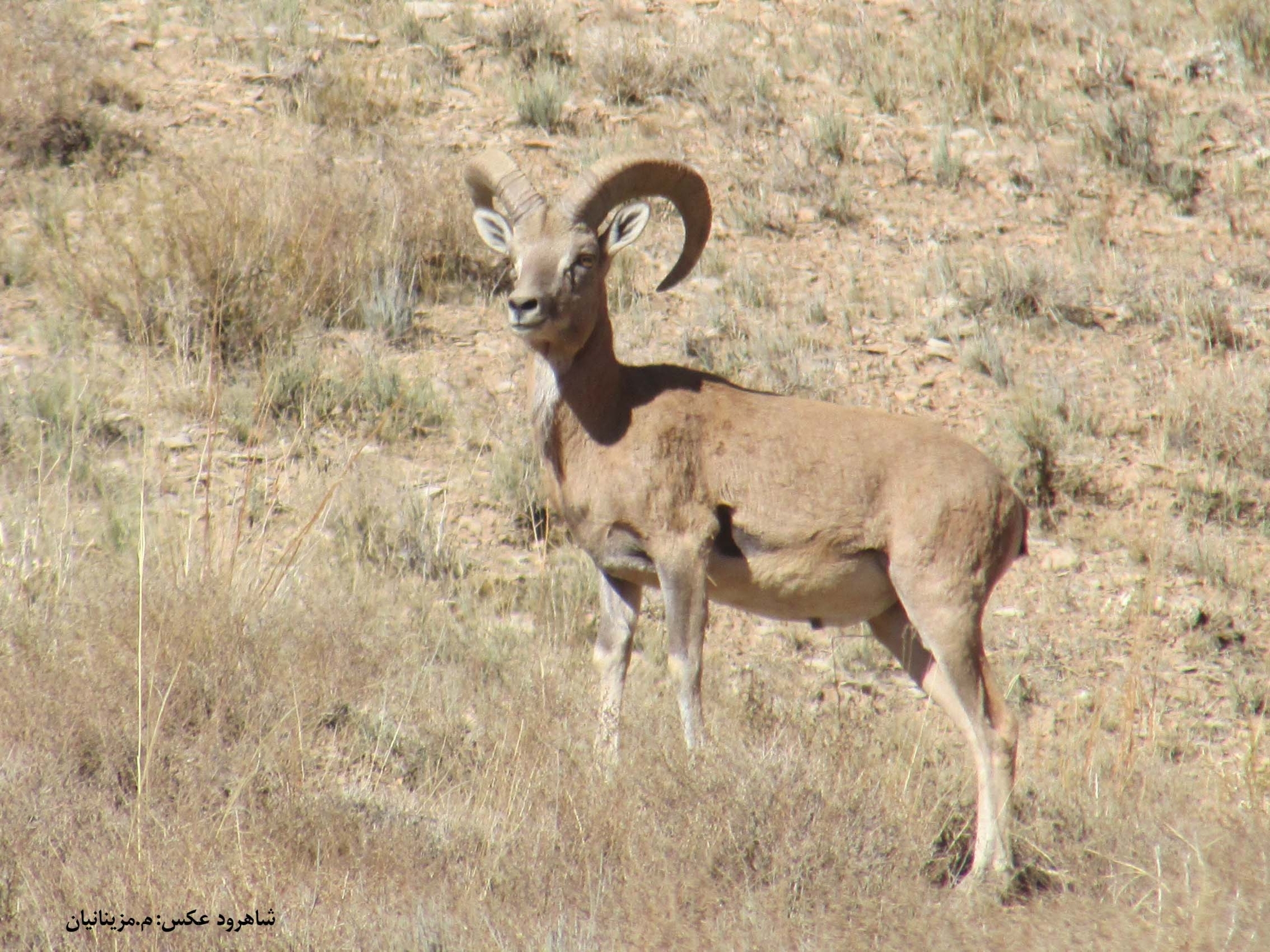
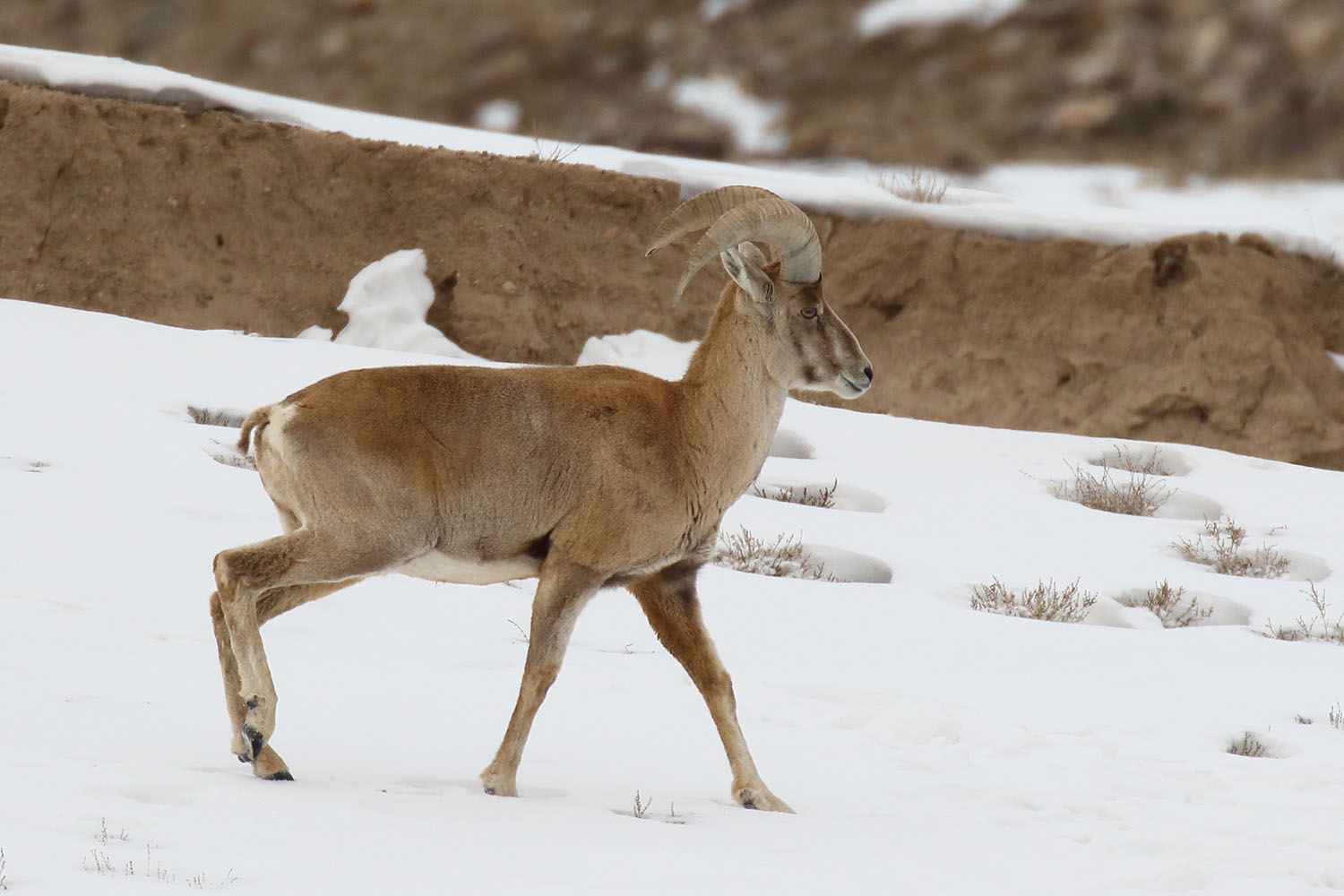
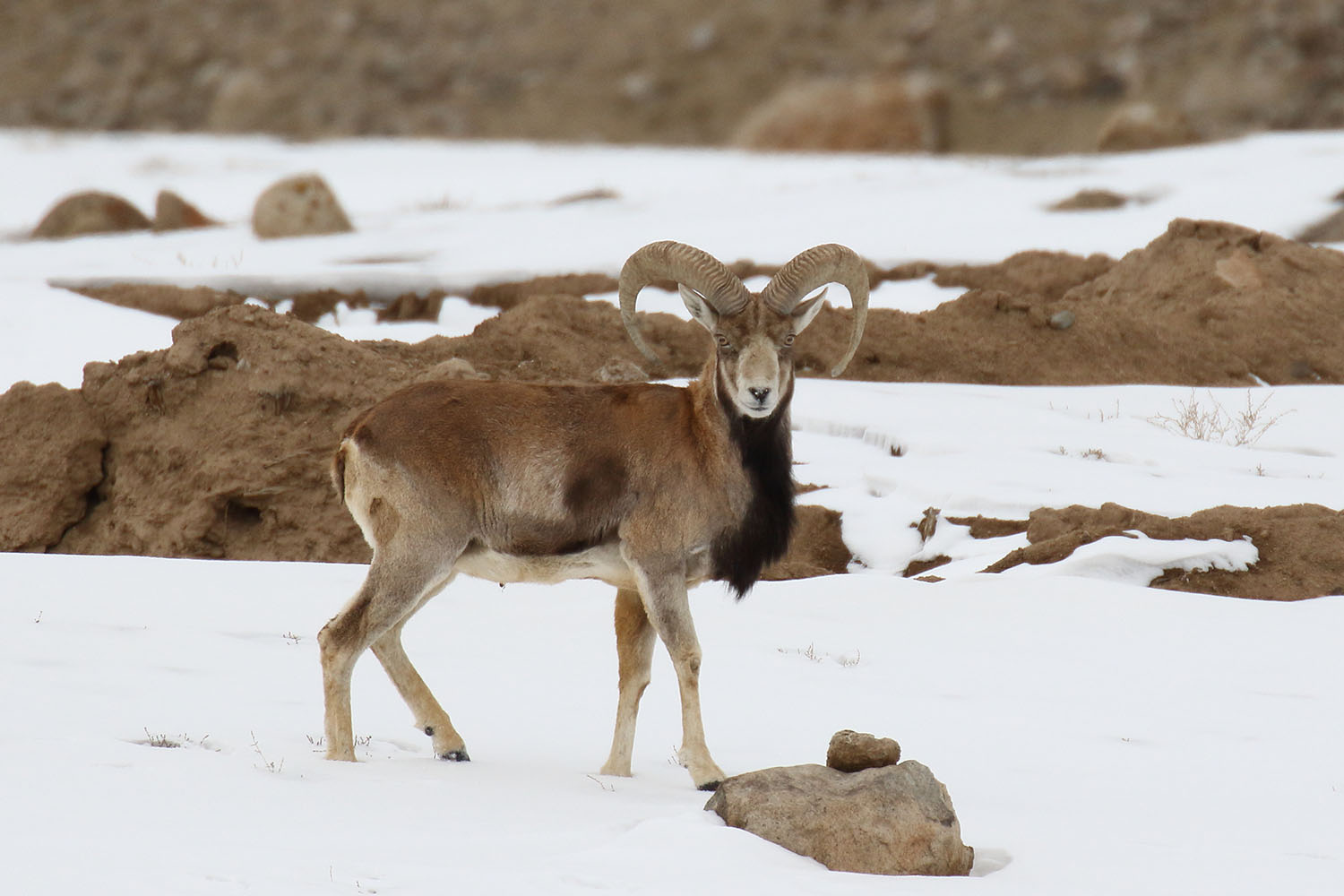
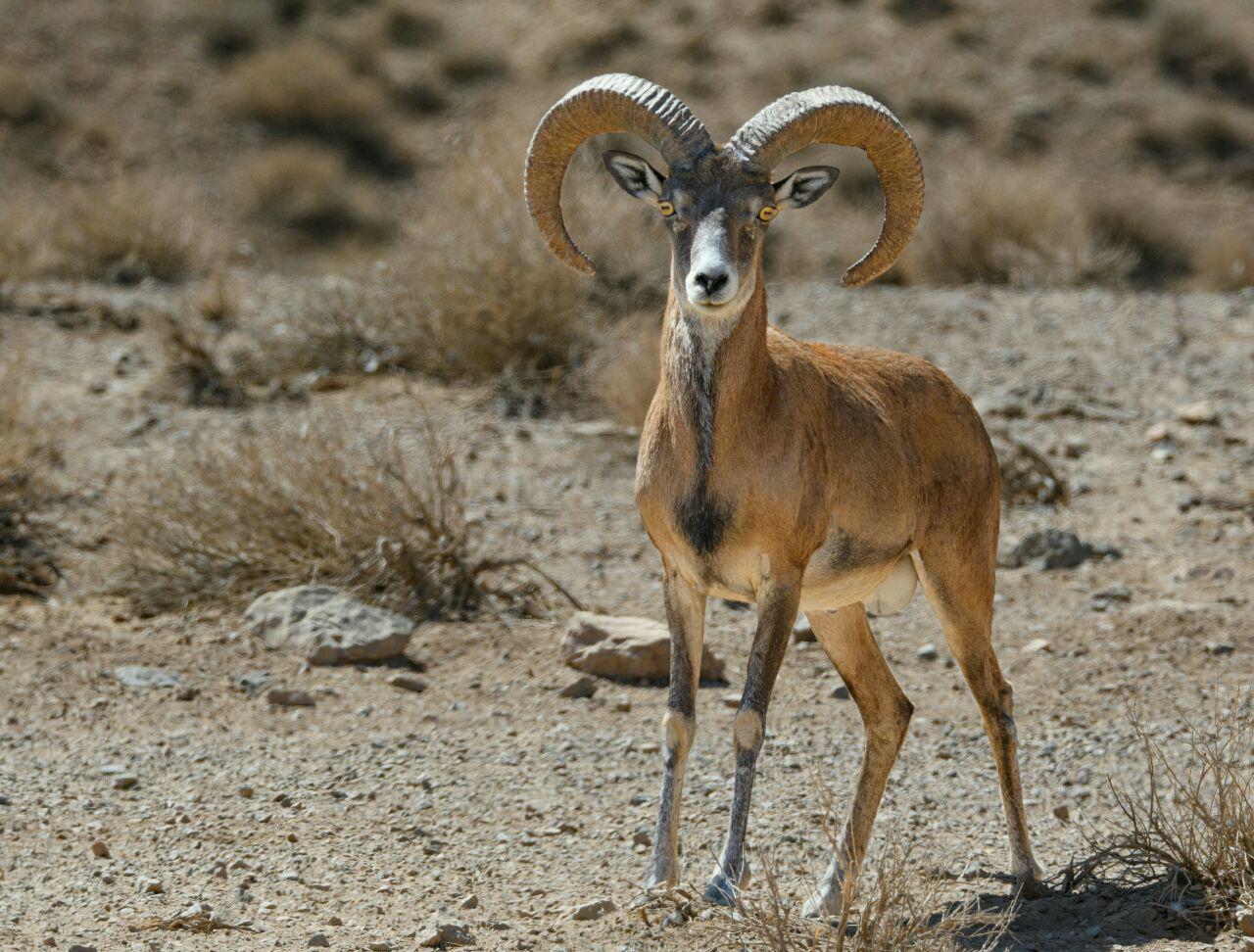
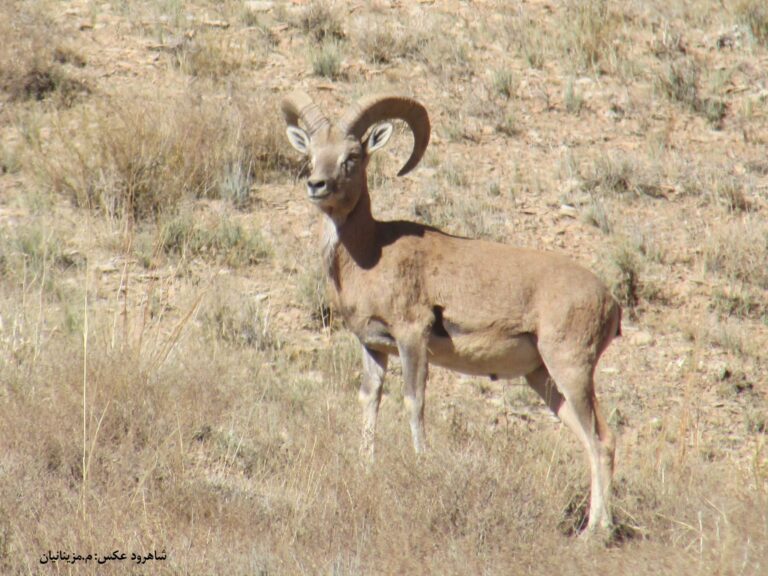
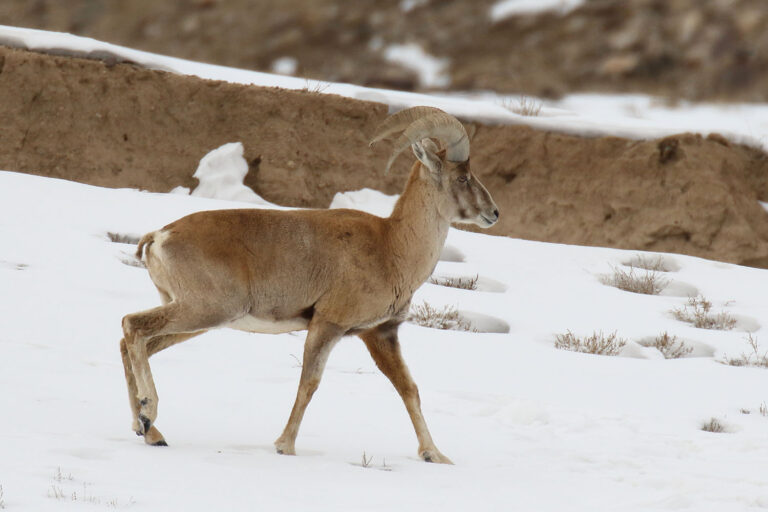
The Urial, also known as the Asiatic wild sheep, roams the grassy hillsides of Asia with a swagger only a sheep can muster. Standing about 0.76 to 0.91 meters (2.5 to 3 feet) tall at the shoulder, these woolly wonders certainly know how to make an impression!
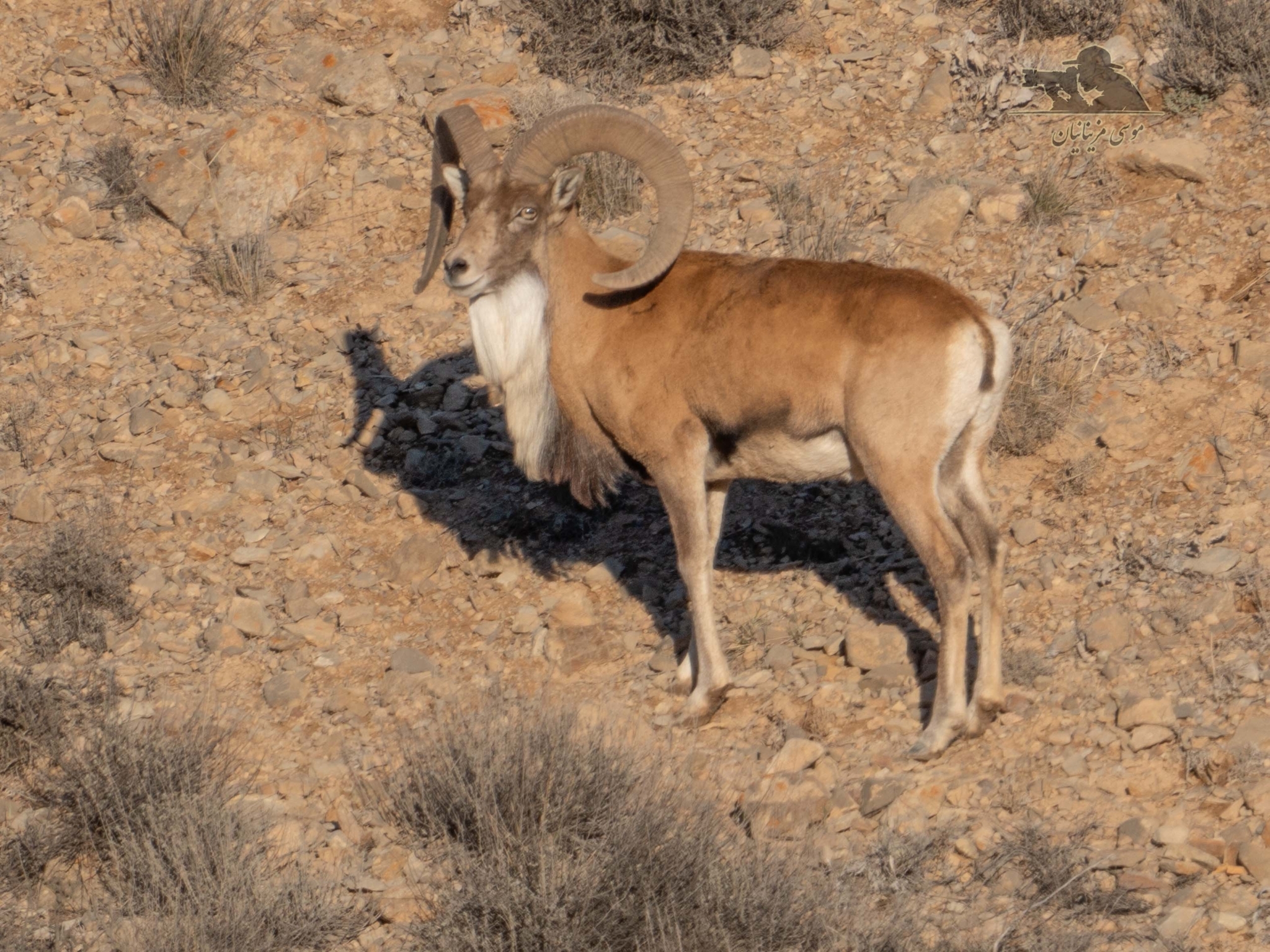
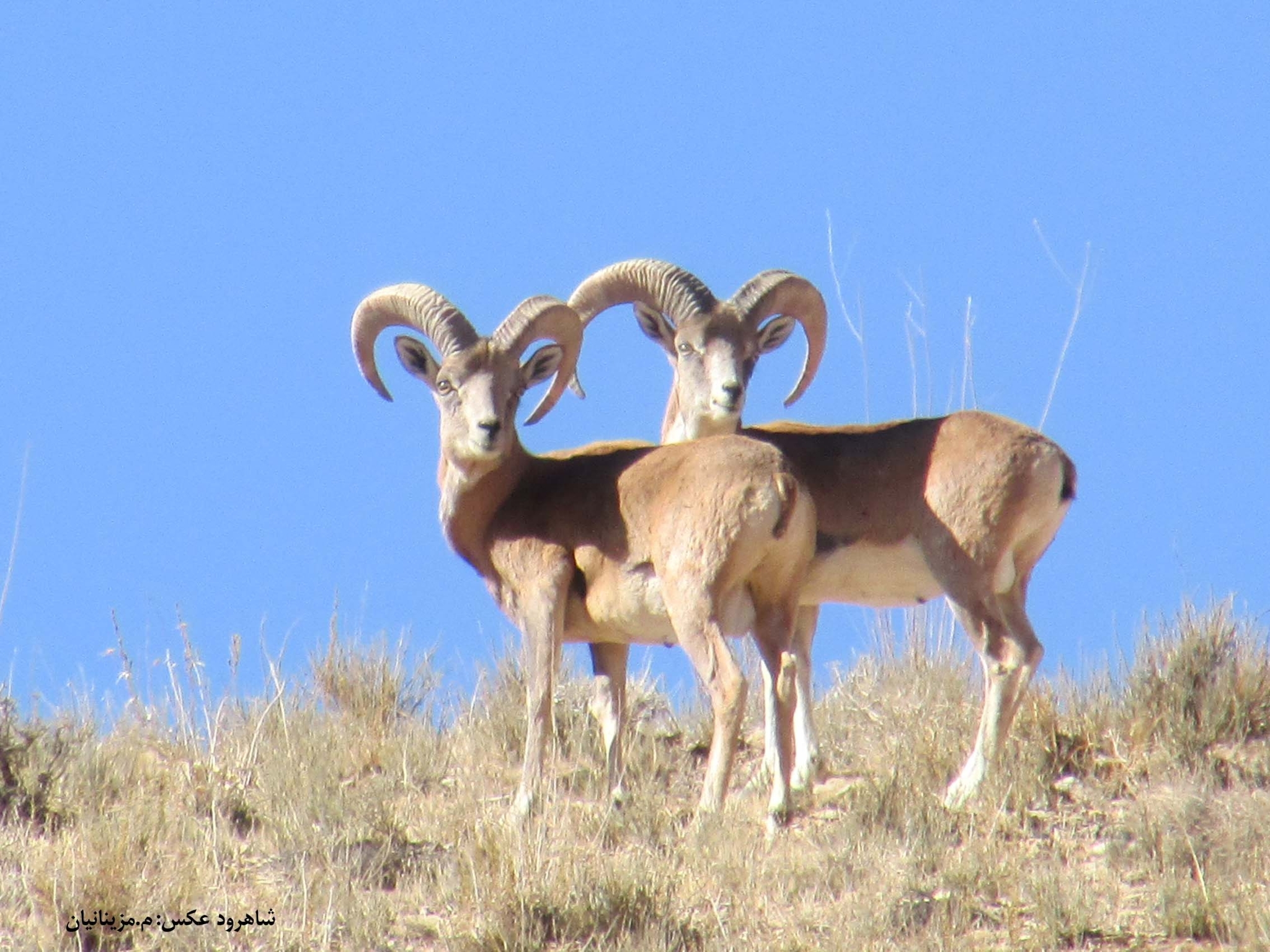
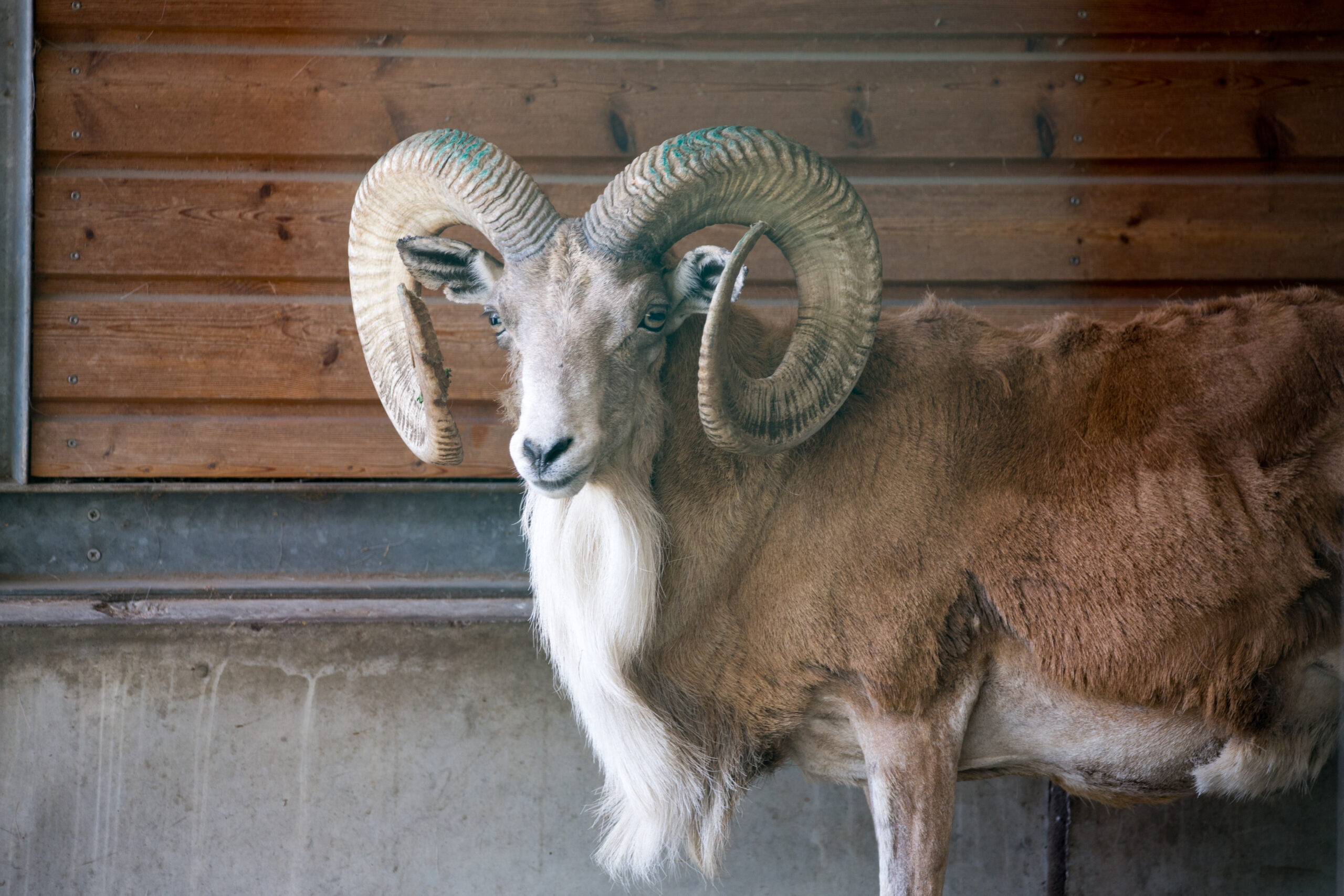
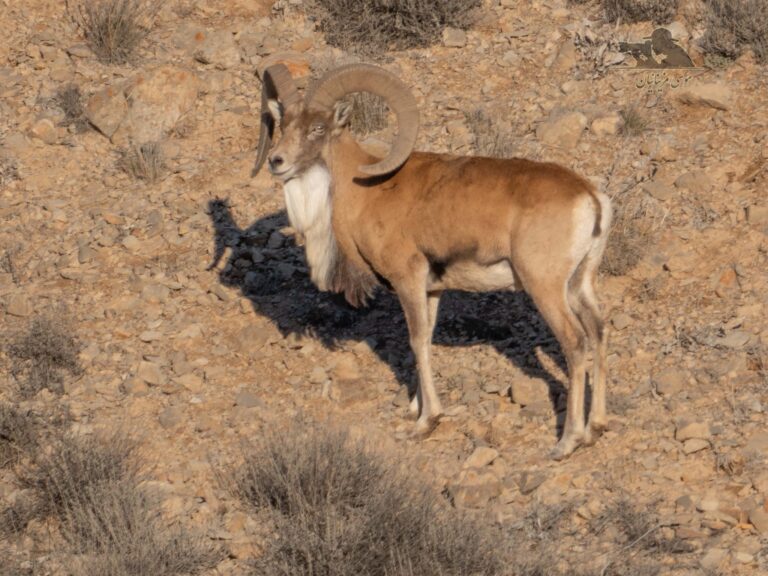
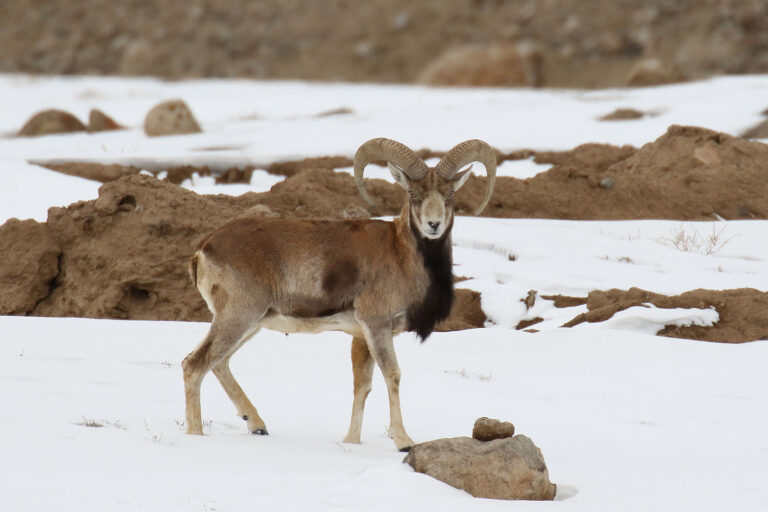
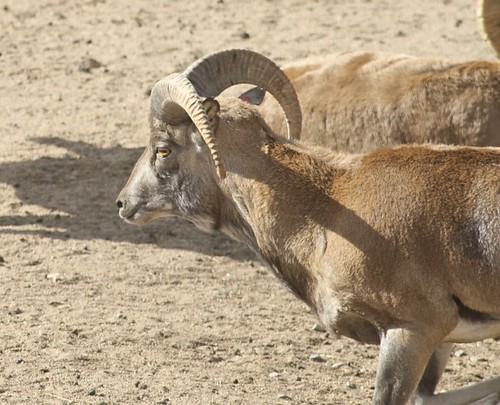
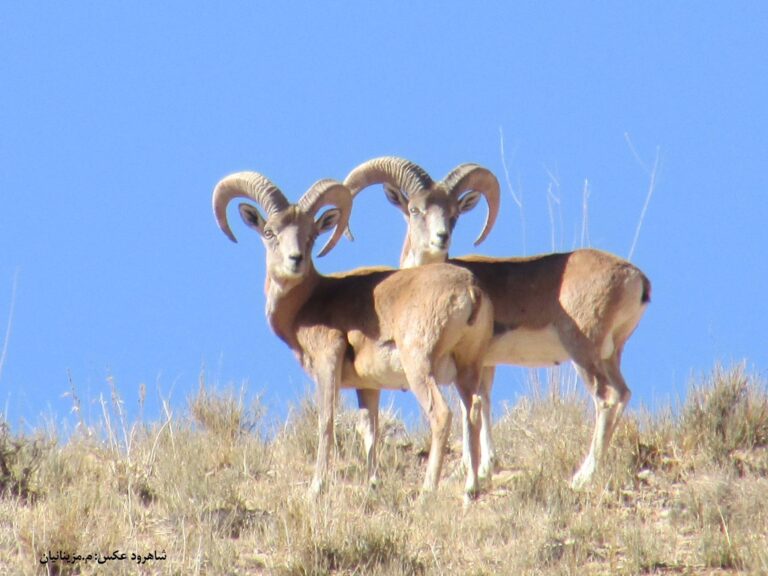
Urials belong to the family Bovidae, which means they are related to animals like goats and cattle. With their strong, curved horns, males can possess horns measuring up to 1 meter (3.3 feet) in length, making them look quite regal!
What do Urials eat, you ask? They munch on a delicious diet of grass, leaves, and shrubs, helping to keep their habitats in tip-top shape. These herbivores play a key role in their ecosystems, eating vegetation and promoting growth in their environment.
Urials usually live for about 10 to 12 years, so they have plenty of time to enjoy their grassy adventures. These clever critters often move in small groups, offering friendship and protection to each other while navigating steep terrains.
These playful sheep can be found across various regions in Asia, from the rugged mountains of Iran to the arid landscapes of Mongolia. Their adaptive skills allow them to thrive in diverse environments, making Urials true champions of the wilderness!
Next time you think of sheep, remember the Urial and its vibrant life among the rocky hills. With each leap and bound, they remind us that nature is full of surprising and wonderful creatures!

Where can you find a Urial in the wild?
What does a Urial eat?
How big can a Urial grow?
How long does a Urial typically live?
What is the conservation status of the Urial?
What are the main threats to the Urial?
Fun facts
Urials have curly horns that can twist and curve elegantly back over their heads. These horns can grow up to about 1 meter (3.3 feet) long, creating a stunning crown that shows off their strength.


During the mating season, males put on an elaborate display by engaging in head-butting contests. They charge at each other with their horns, creating an impressive clash of power and agility to attract females!
These clever sheep can jump as high as 1.5 meters (4.9 feet) to navigate rocky terrains, which helps them escape from predators and reach tasty shrubs on steep cliffs.
Urials often show off their fancy footwork in playful games, leaping and bounding around each other. This fun behavior not only keeps them healthy but also strengthens friendships within their groups.
Urials can communicate with each other using a variety of sounds, including bleats and grunts, making them a chatty bunch! They use these sounds to stay connected and warn one another of dangers.
These fluffy sheep sport a thick coat that keeps them warm during cold mountain nights. Their woolly fur acts like a cozy blanket, allowing them to stay comfortable even in frosty weather.
Urials are great at finding food, using their keen sense of smell to locate delicious leaves and grass hidden under the snow. They can sniff out tasty treasures no matter the season.
These social animals often groom one another as a way to bond. They nibble at each other's fur, making for a nice spa day while also keeping their coats clean and free from parasites.
Urials can adapt to different environments, thriving in both mountainous and semi-desert areas. They have mastered the art of finding food and shelter, no matter where they roam!
Urials have a unique way of keeping track of their young. Mothers recognize their lambs by their distinctive bleats, ensuring that they never lose sight of each other, even in a crowded group.
Photos







The Basics


explore more
Amphibians
Arachnids
Birds
Cats
Crustaceans
Fish
Fish Pet Guide
Gastropods
Insects
Invertebrates
Mammals
Pet Fish
Pet Rodents
Plants
Reptiles
Roundworms
Sea Slugs