Successfully copied to clipboard!
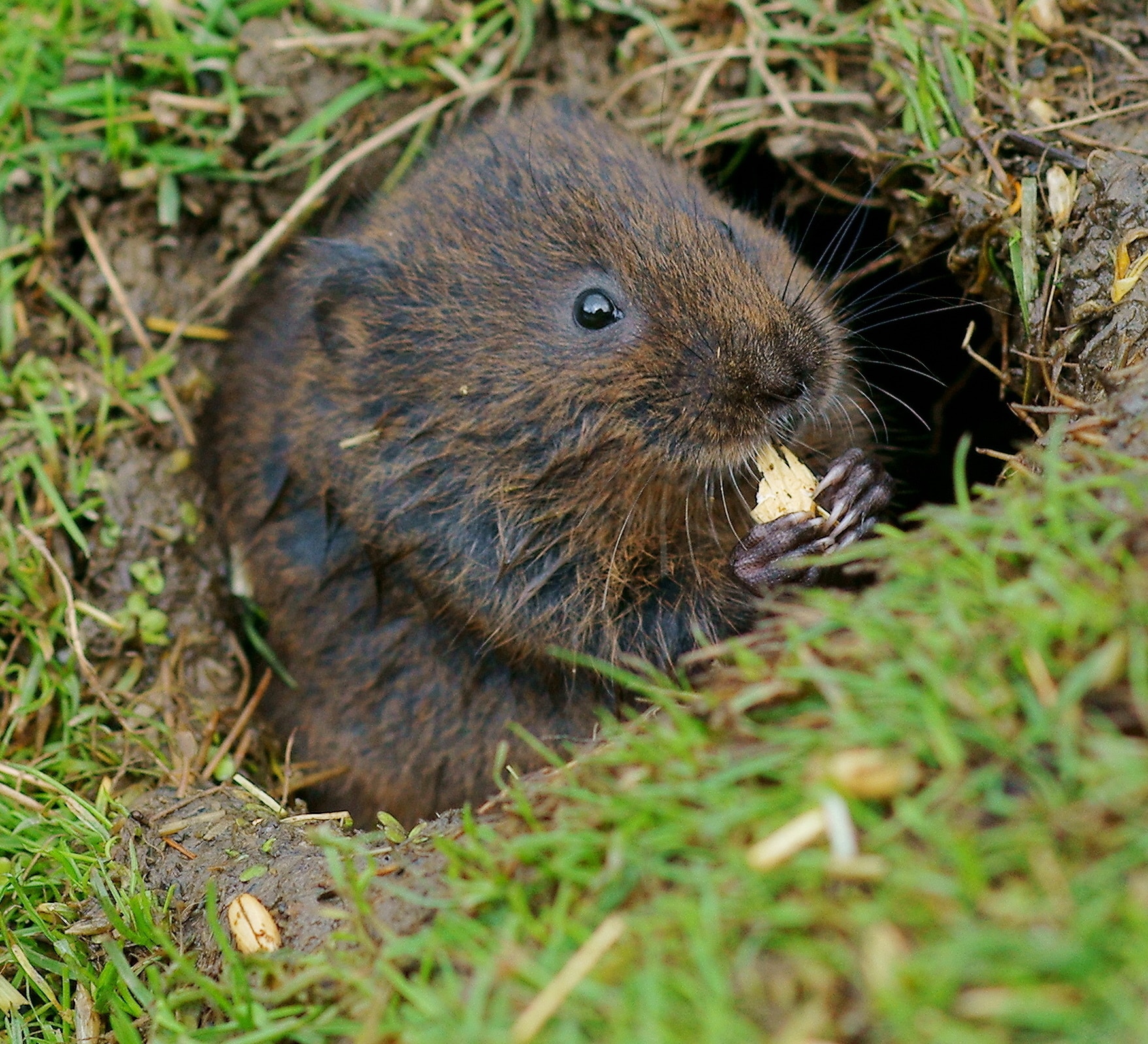
Vole
Join the fun with these speedy, tunnel-digging furballs!
Let’s Explore
Overview
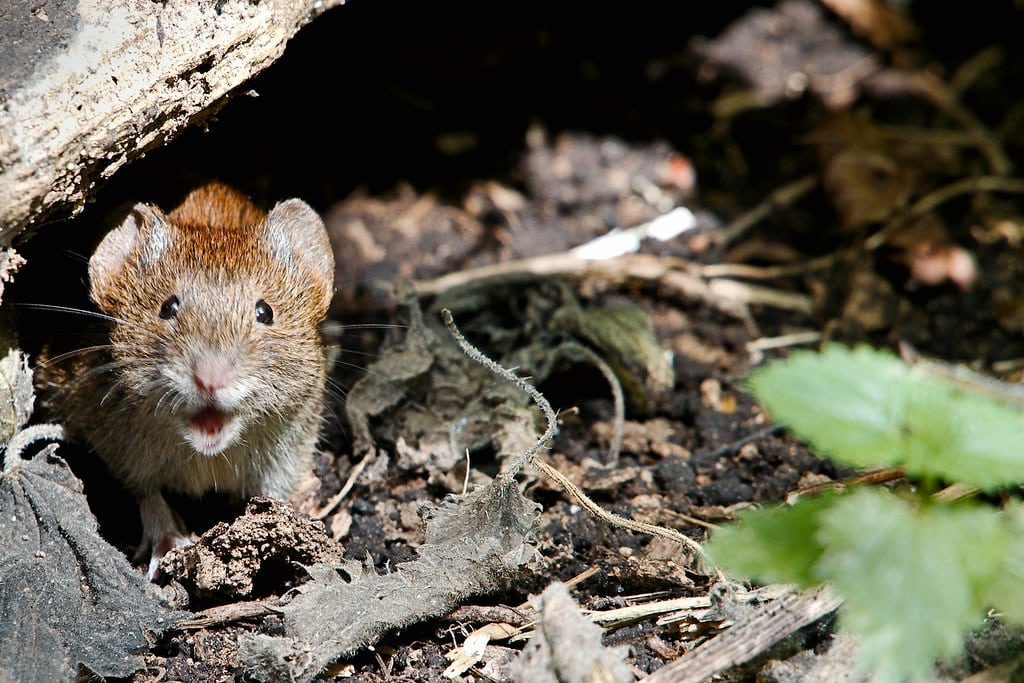
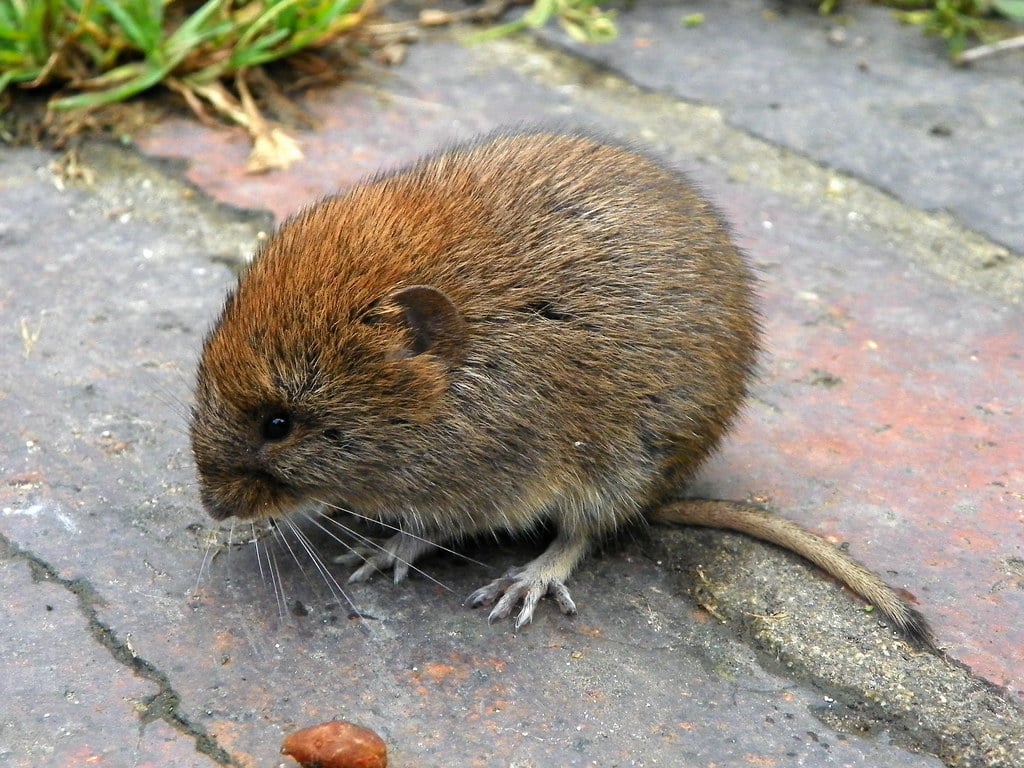
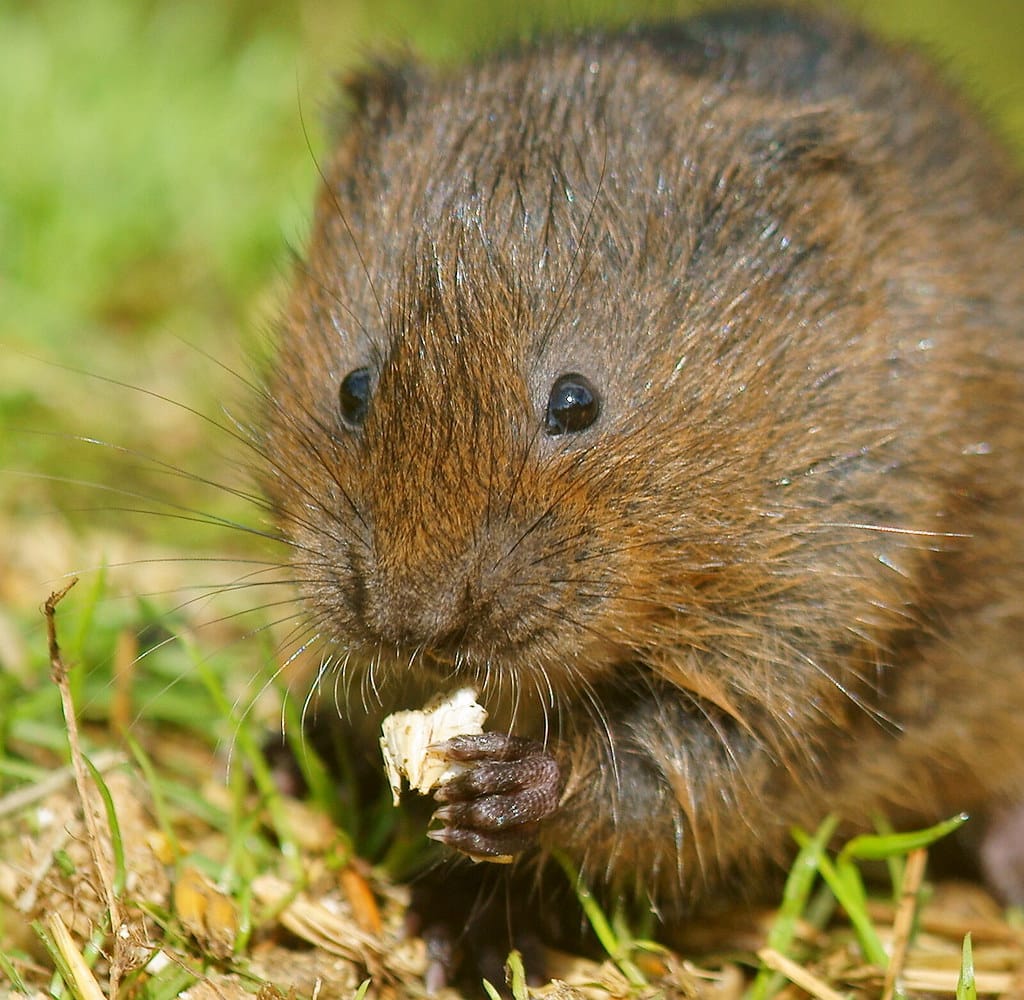
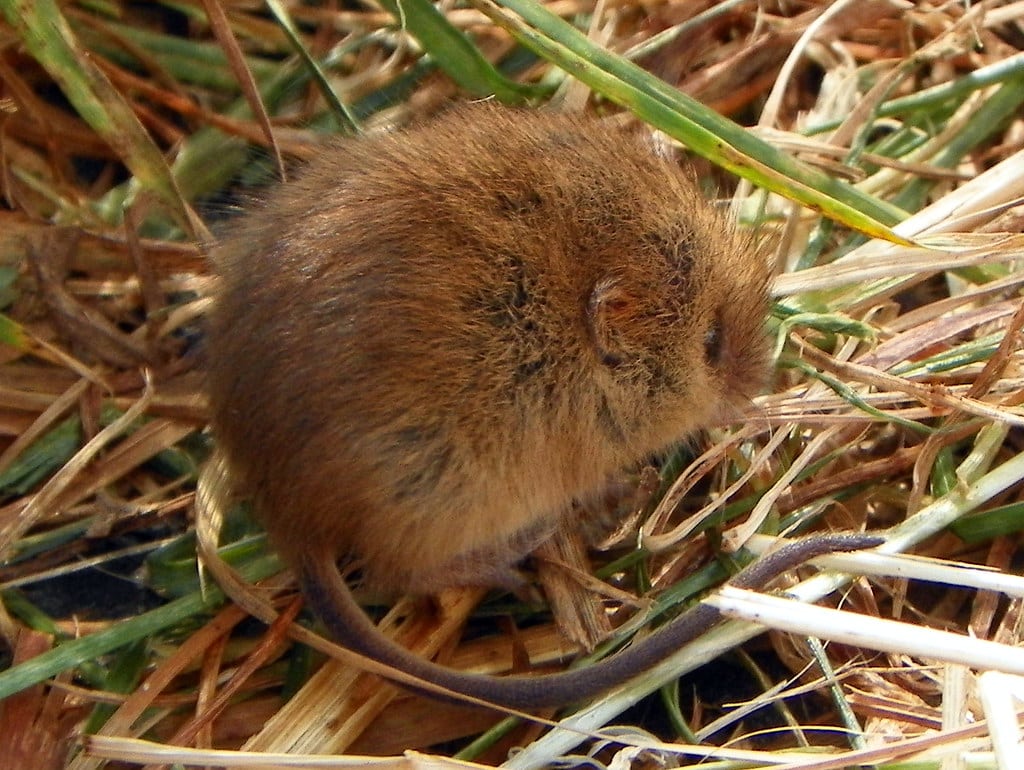
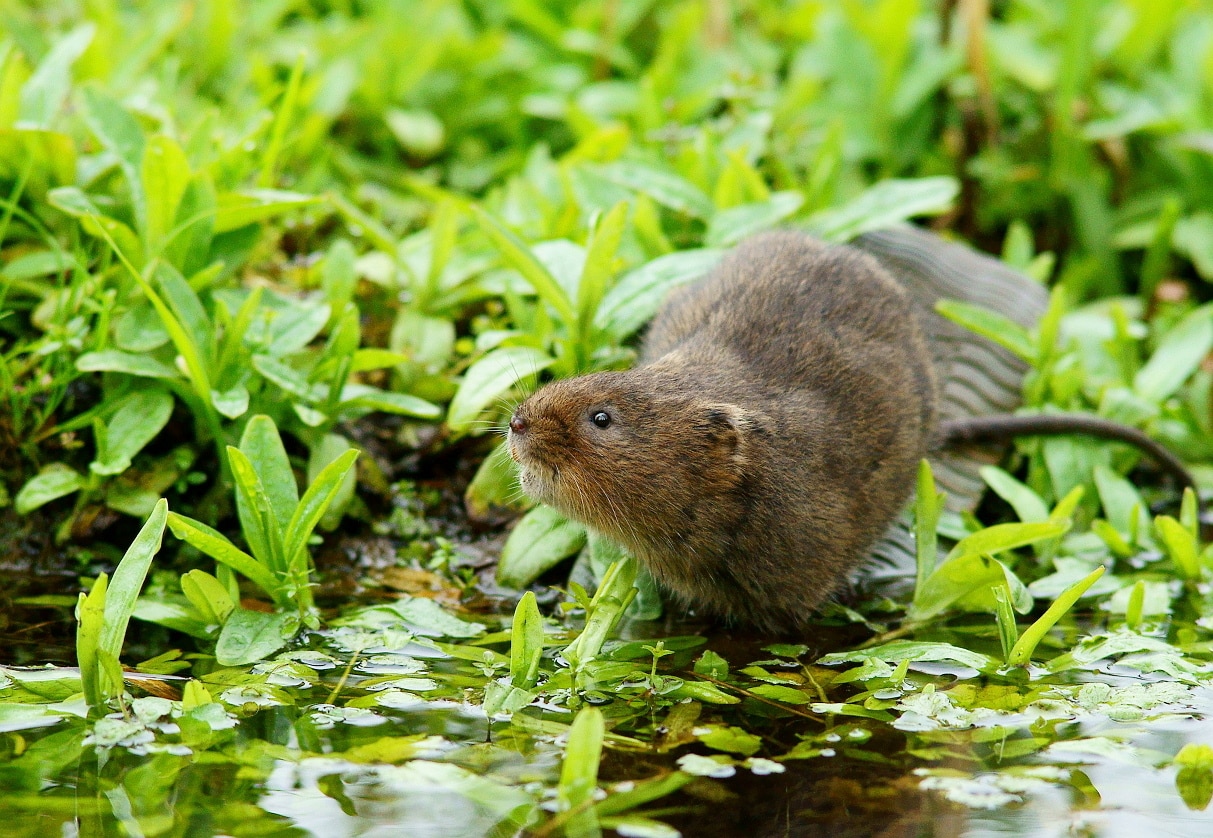
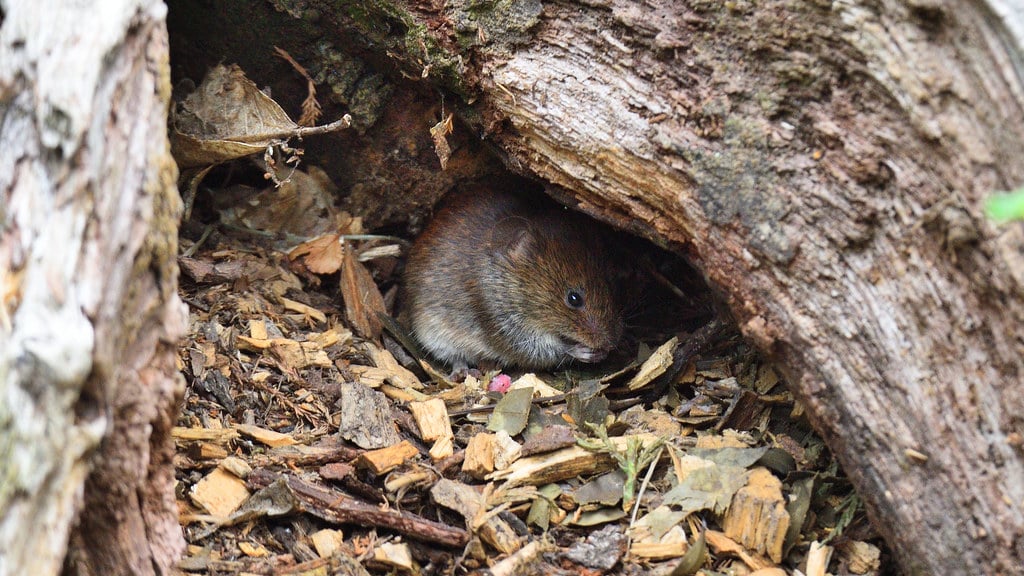
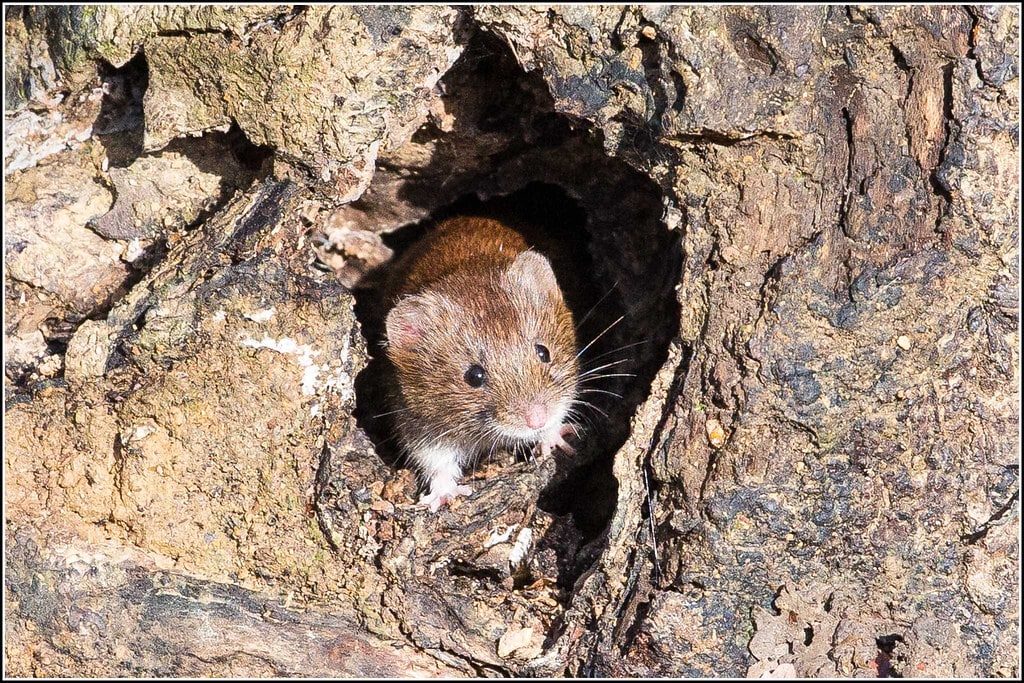
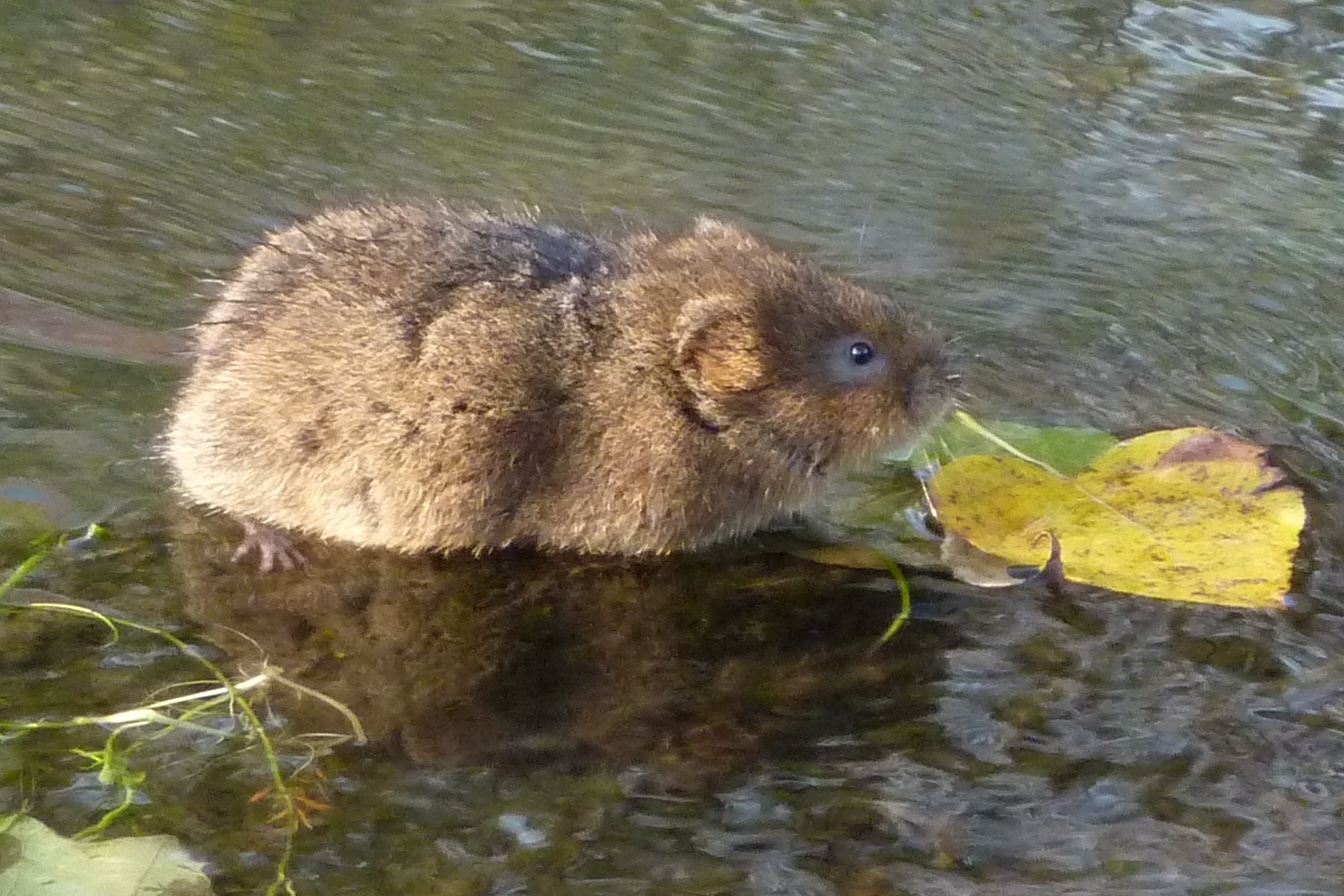
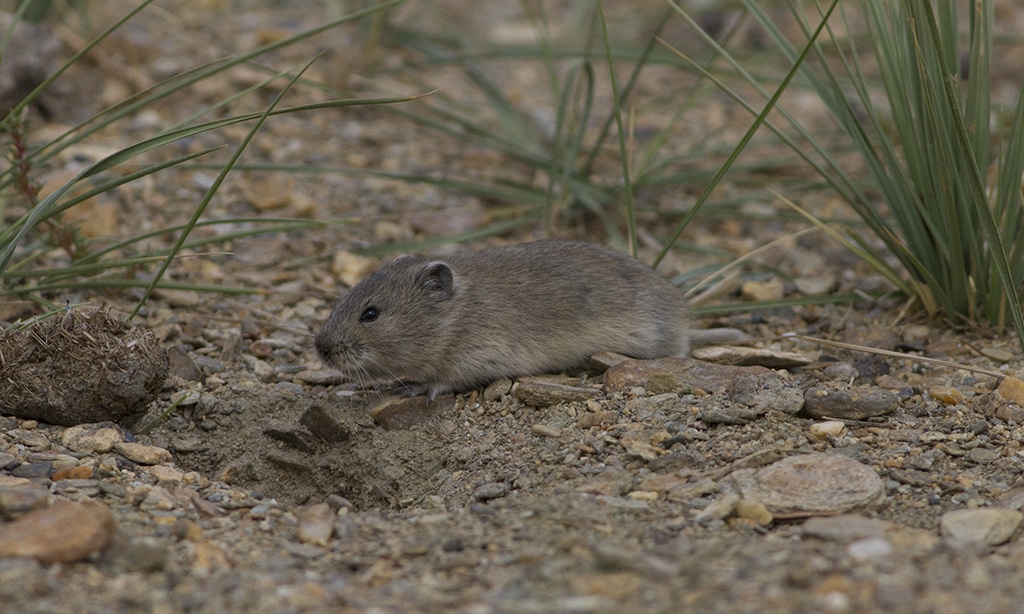
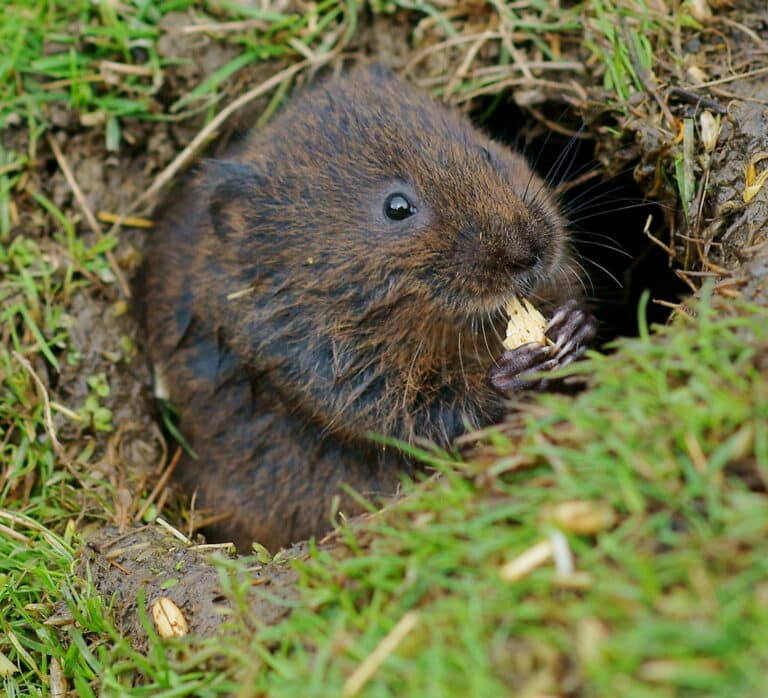
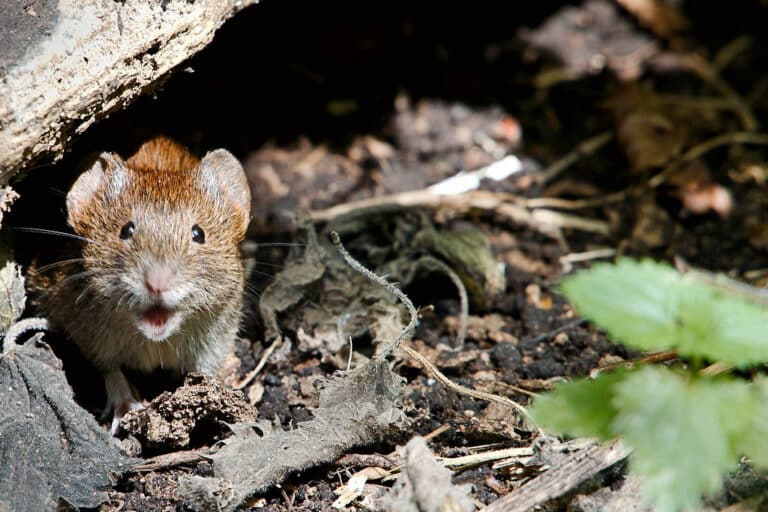
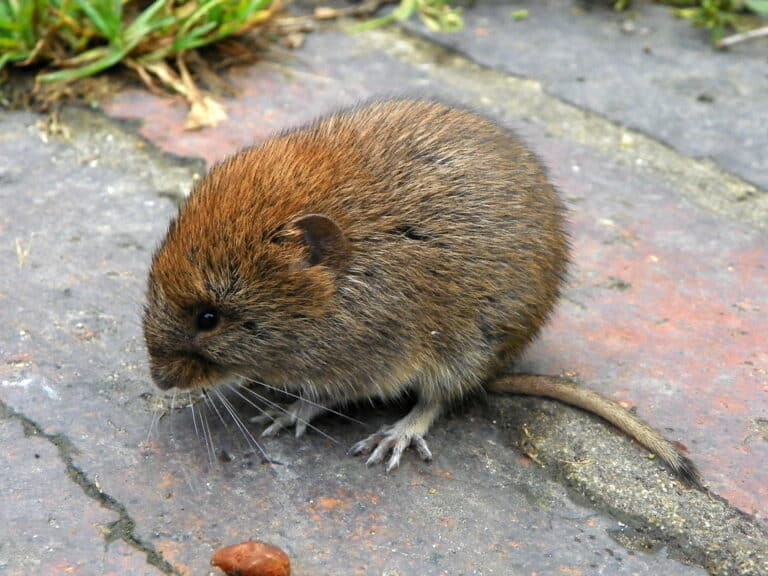
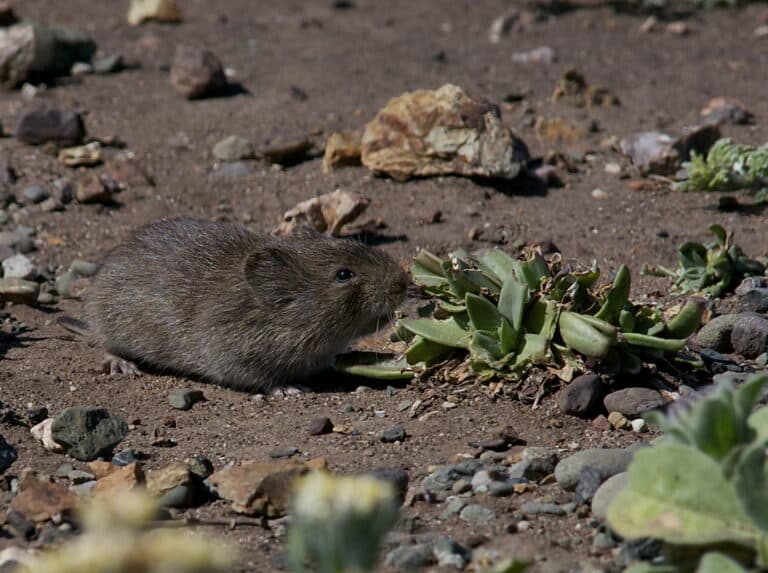
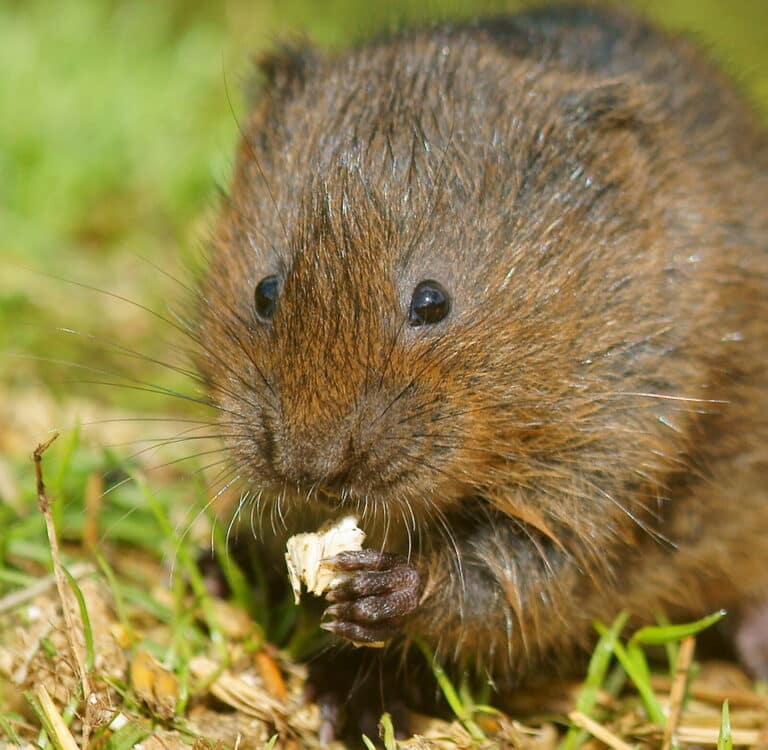
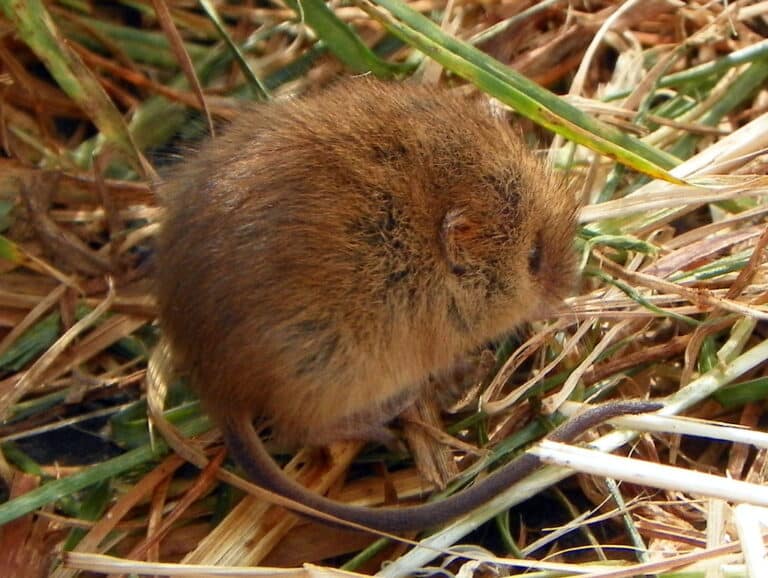
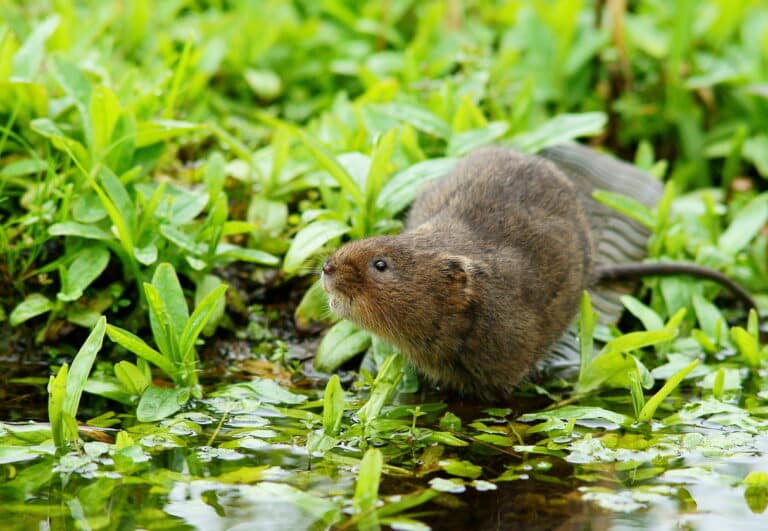
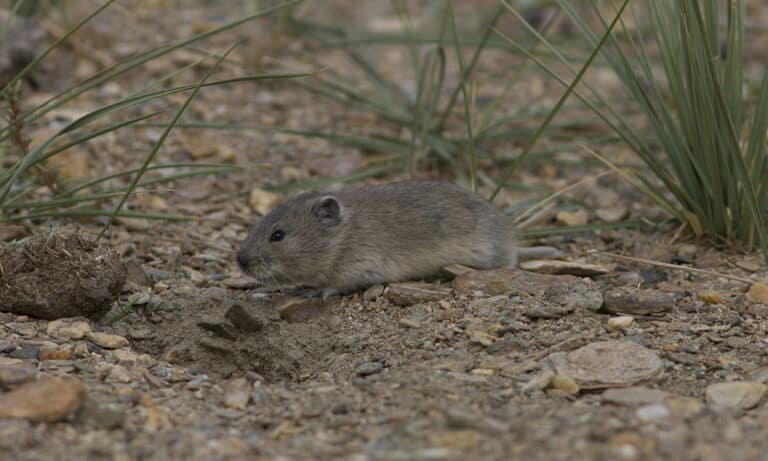
Voles are small, adorable mammals that belong to the rodent family. These little critters, part of the Microtus genus, typically measure between 3 to 7 inches long, making them perfect pocket-sized pals.
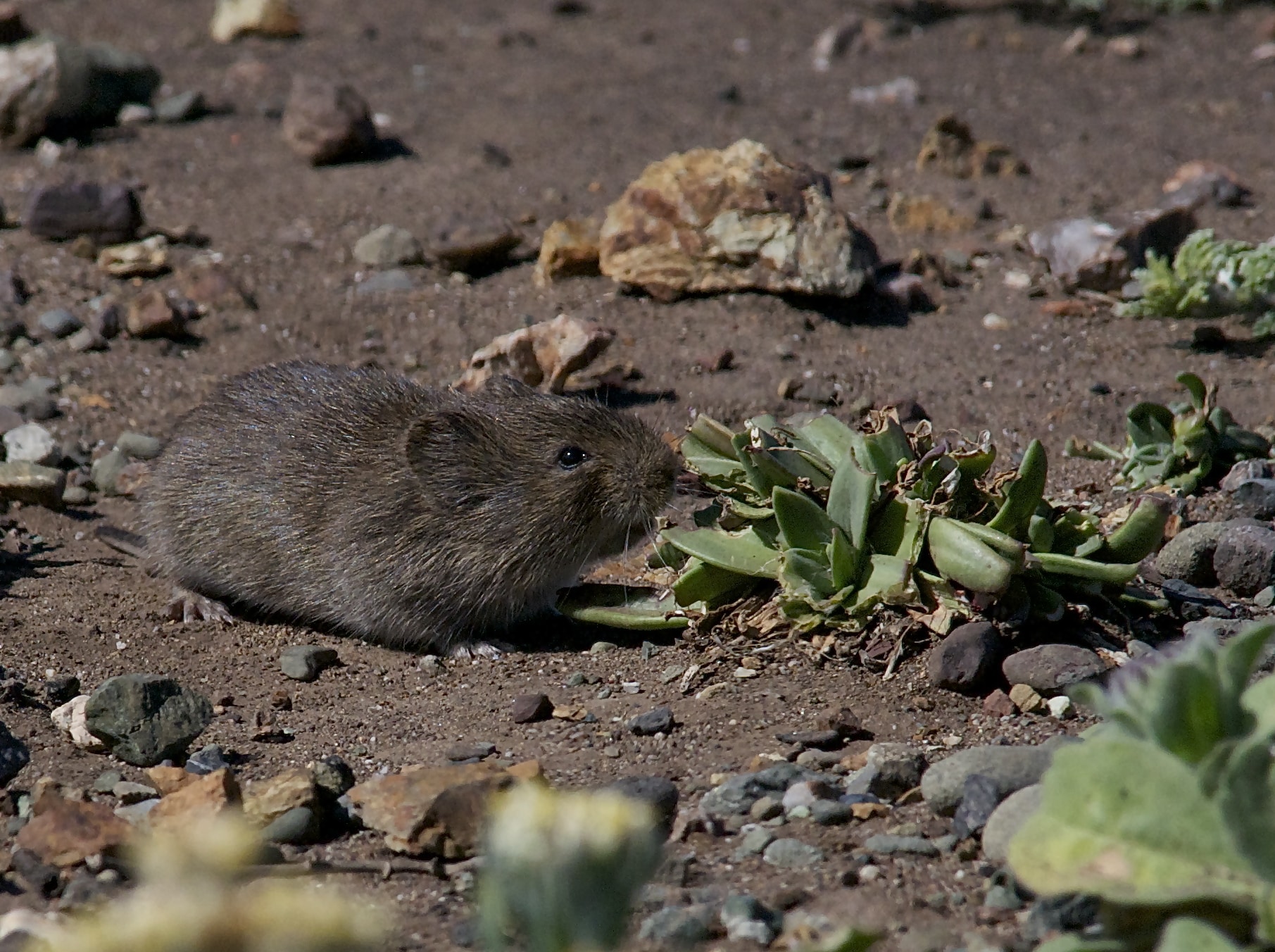
These furry friends thrive in various habitats across Asia, including grasslands and forests. They love to dig tunnels and create cozy nests where they can munch on their favorite snacks.
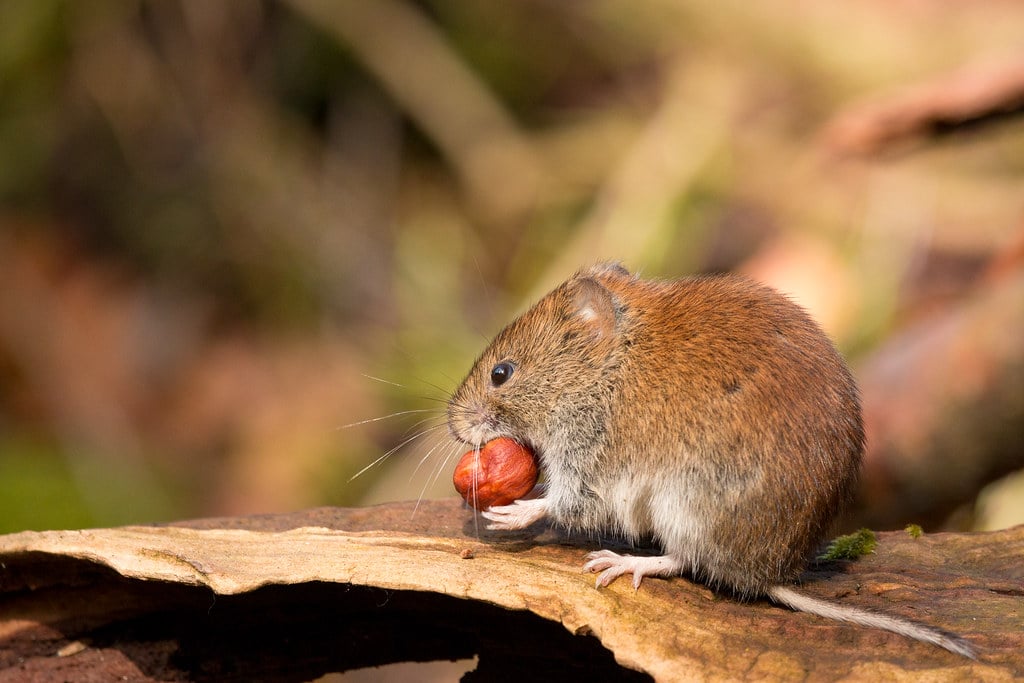
Voles munch on grass, roots, and seeds, making them herbivores. They can eat large amounts of vegetation, which helps keep their homes tidy while also fueling their energetic lives.
Voles have a shorter lifespan, usually living between 3 to 12 months in the wild. They pack a lot of fun into their youthful adventures, as they are known for their playful, social behavior.
These busy creatures reproduce quickly, often giving birth to many young in a single year. With their fast-growing families, voles keep their populations thriving, creating plenty of excitement in their environments.

Where can you find a Vole in the wild?
What does a Vole eat?
How big can a Vole grow?
How long does a Vole typically live?
What is the conservation status of the Vole?
What are the main threats to the Vole?
Fun facts
Voles have incredible hearing! They can detect sounds that humans cannot hear, helping them stay alert to potential dangers like hungry predators.


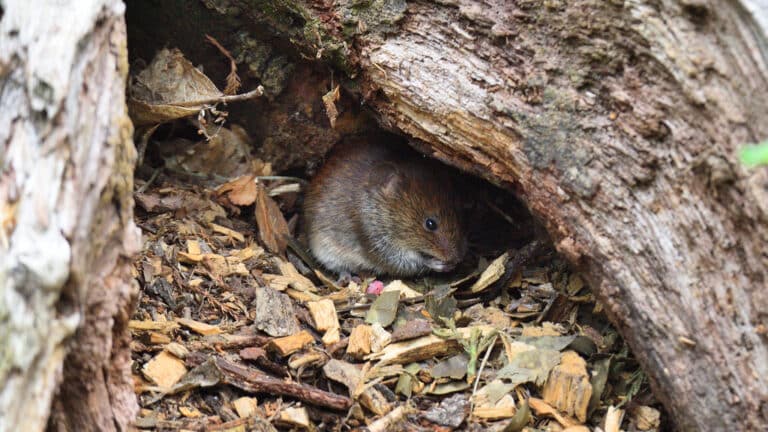
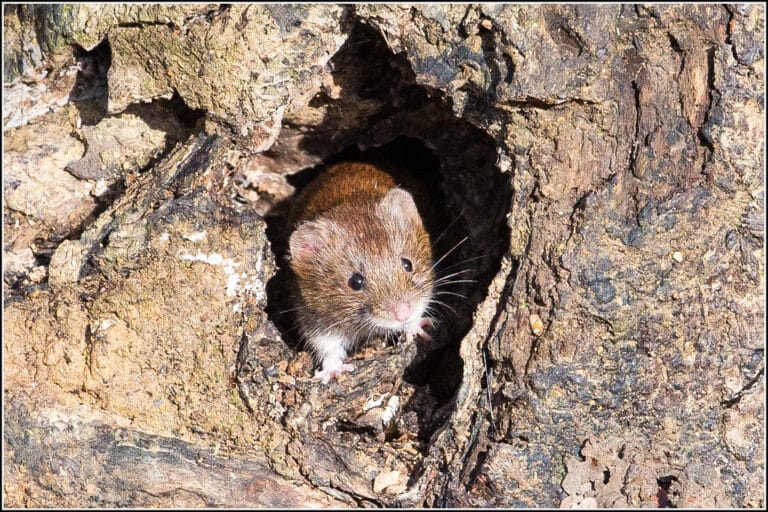
These furry friends are excellent diggers with strong front teeth that can chew through tough roots and plants. Their burrows can be quite complex, featuring winding tunnels that lead to cozy nests.
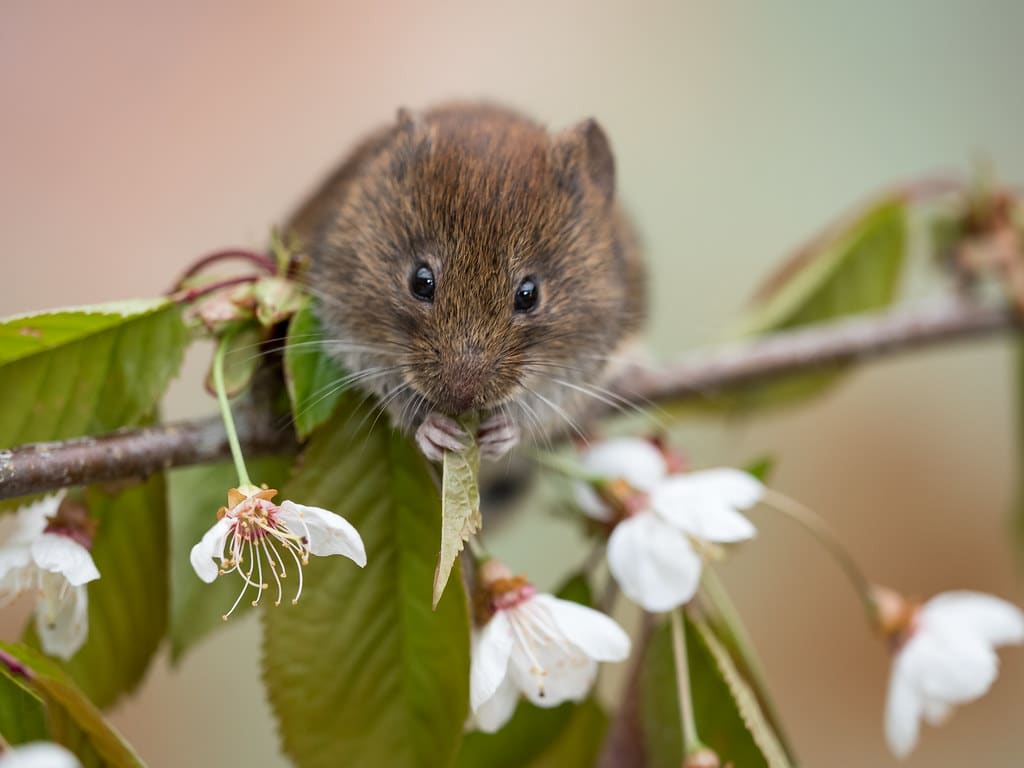
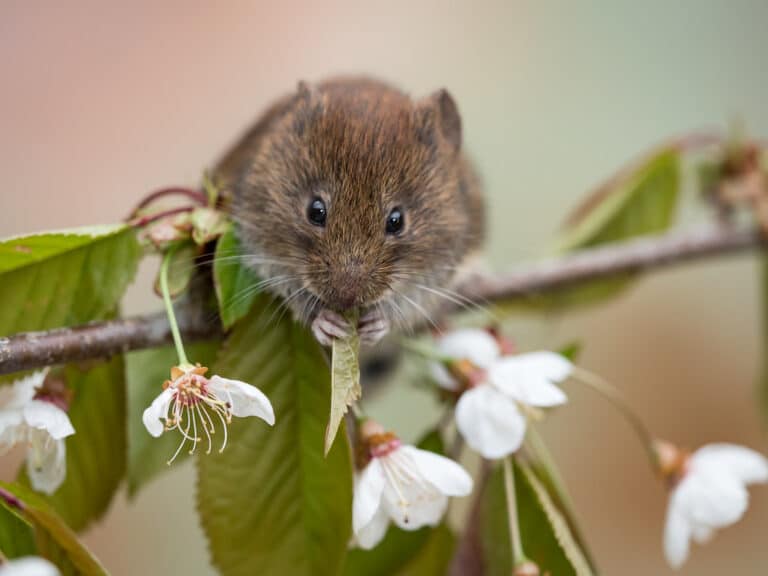
Voles have a sweet tooth for flowers! They munch on petals, making them unique herbivores that add a pop of color to their diet.
Many voles have a secret talent: they communicate with each other through a mix of squeaks and chirps! This vocal chatter helps them stay connected and warn each other of danger.
Voles have a group of pals called a 'horde'! They often live in small colonies, where they enjoy socializing and sharing food and burrow space.
Some voles are true homebodies. They stay in the same area their whole lives, becoming true experts on their little patch of grassland.
Voles can reproduce really quickly, with one female able to have up to 5 litters a year! That means lots of baby voles popping up everywhere in their grassy homes.
These creatures do not hibernate, so they remain active all year round. They brave the cold winter months searching for food and staying snug in their burrows.
Voles have some very cheeky behaviors, like stealing food from their neighbors. These little thieves often sneak snacks from nearby burrows!
After a good rain, you might see vole tunnels popping above ground, like tiny highways that turn into water channels! This helps them navigate during wet weather.
Photos





The Basics


explore more
Amphibians
Arachnids
Birds
Cats
Crustaceans
Fish
Fish Pet Guide
Gastropods
Insects
Invertebrates
Mammals
Pet Fish
Pet Rodents
Plants
Reptiles
Roundworms
Sea Slugs