
Successfully copied to clipboard!
Western Kingbird
Join the skyward adventures of vibrant aerial acrobats!
Let’s Explore
Overview
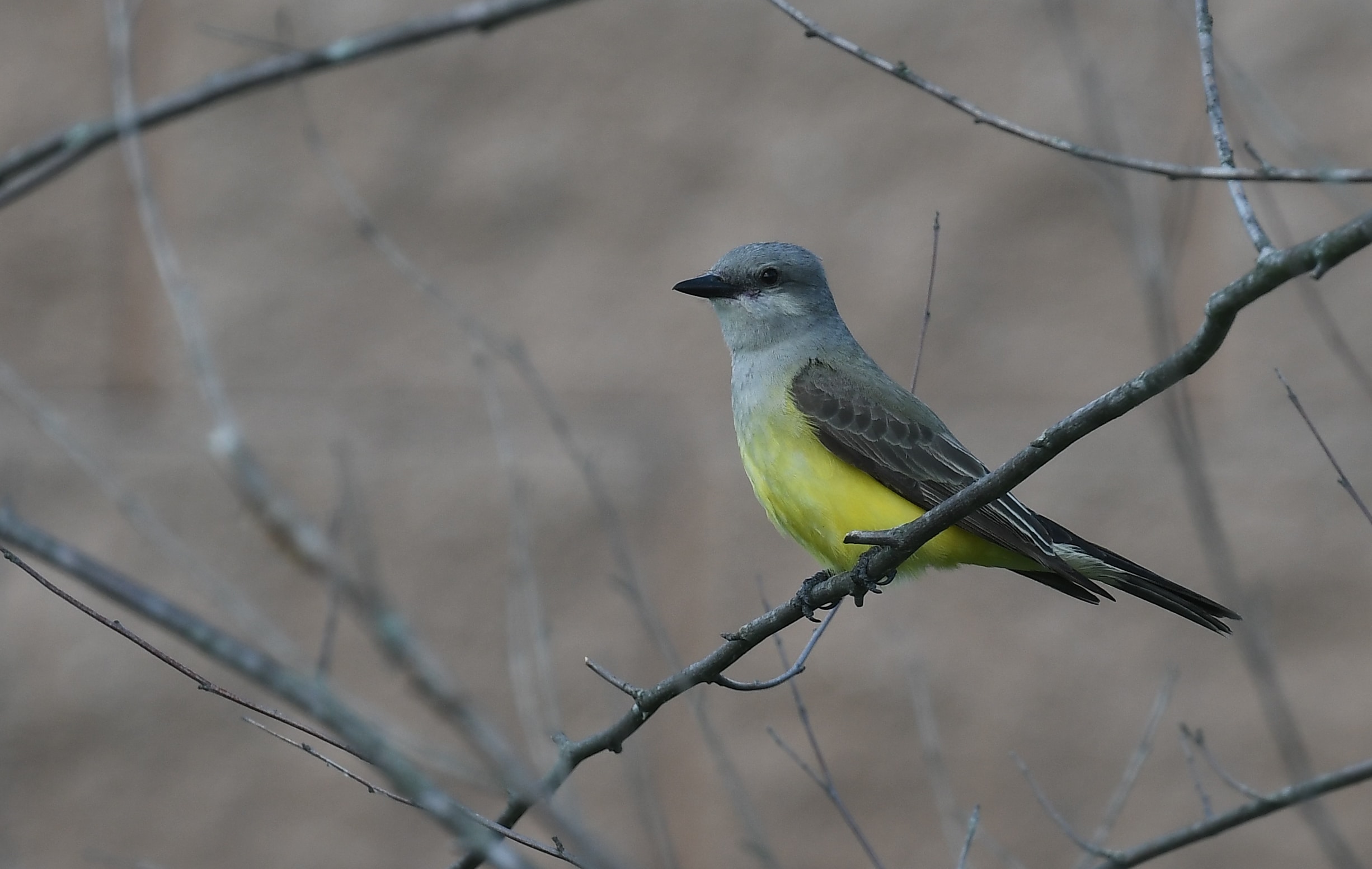
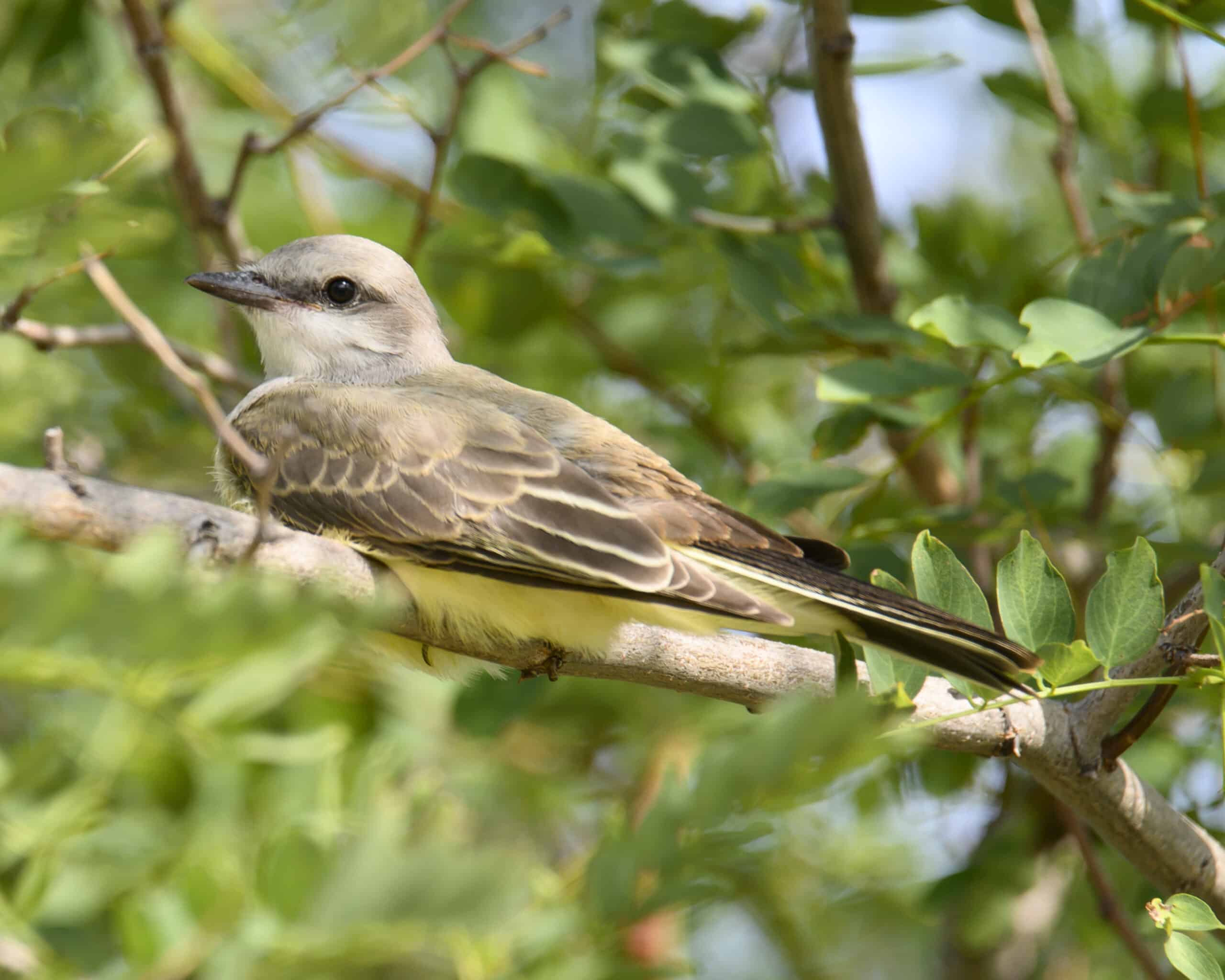
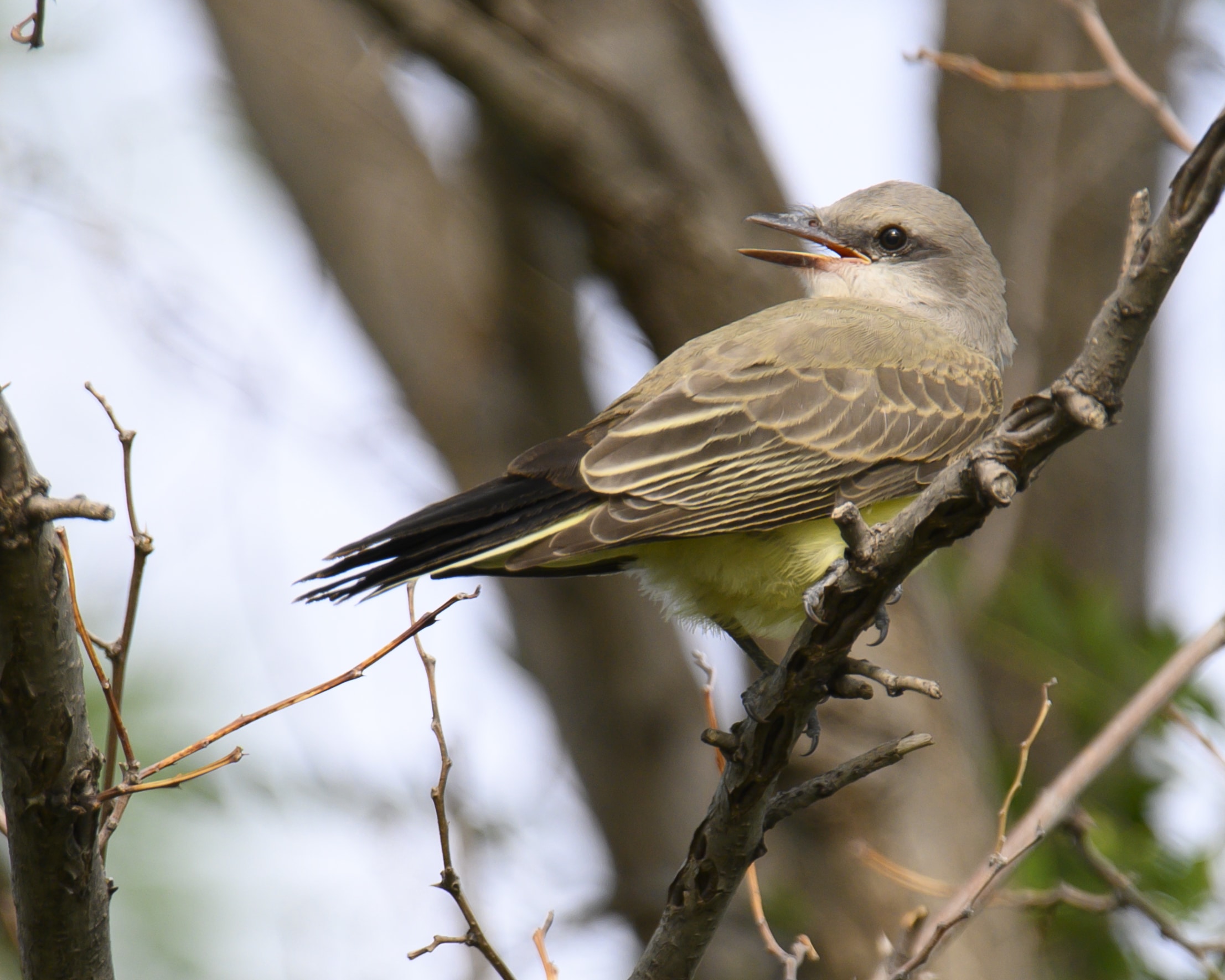
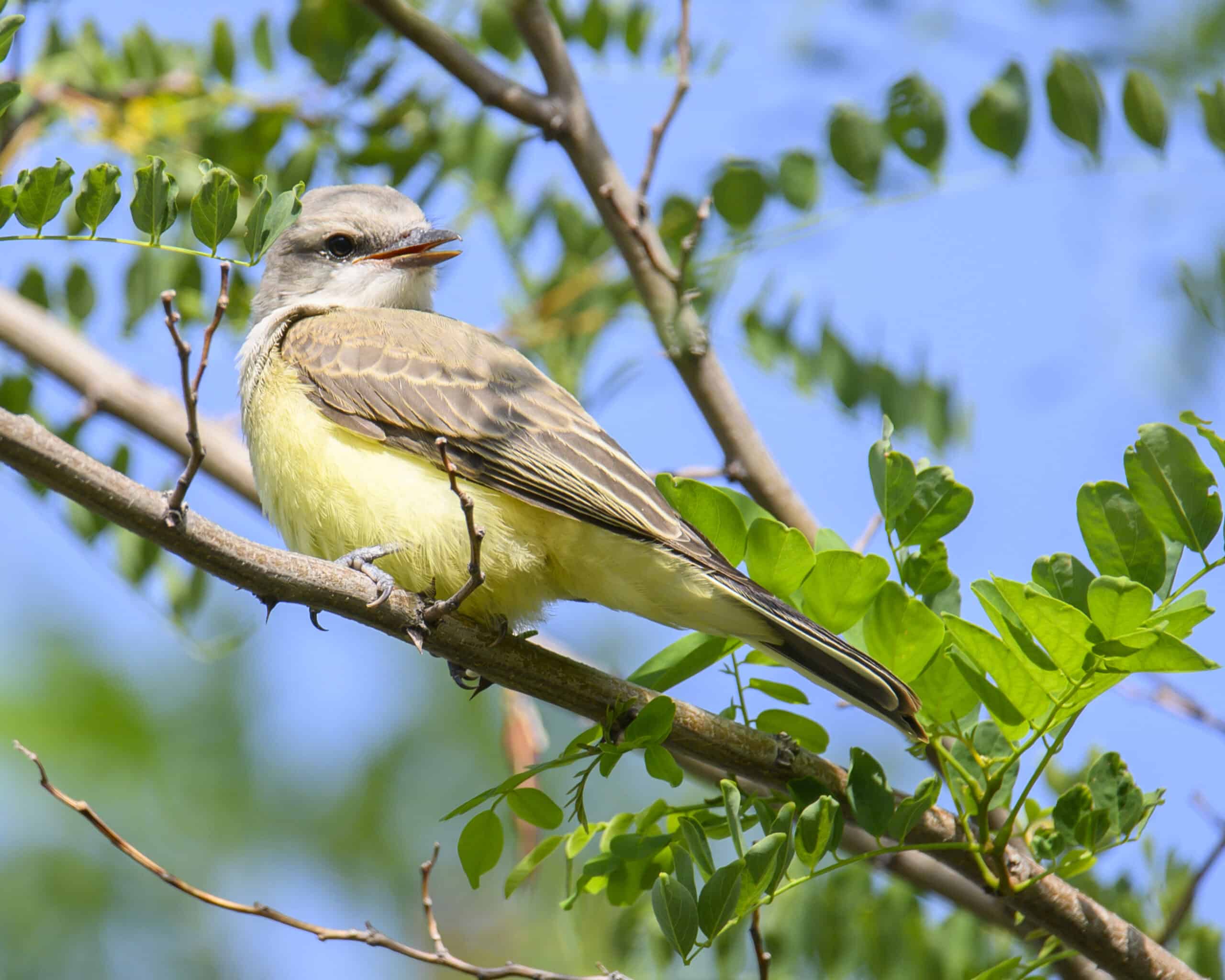
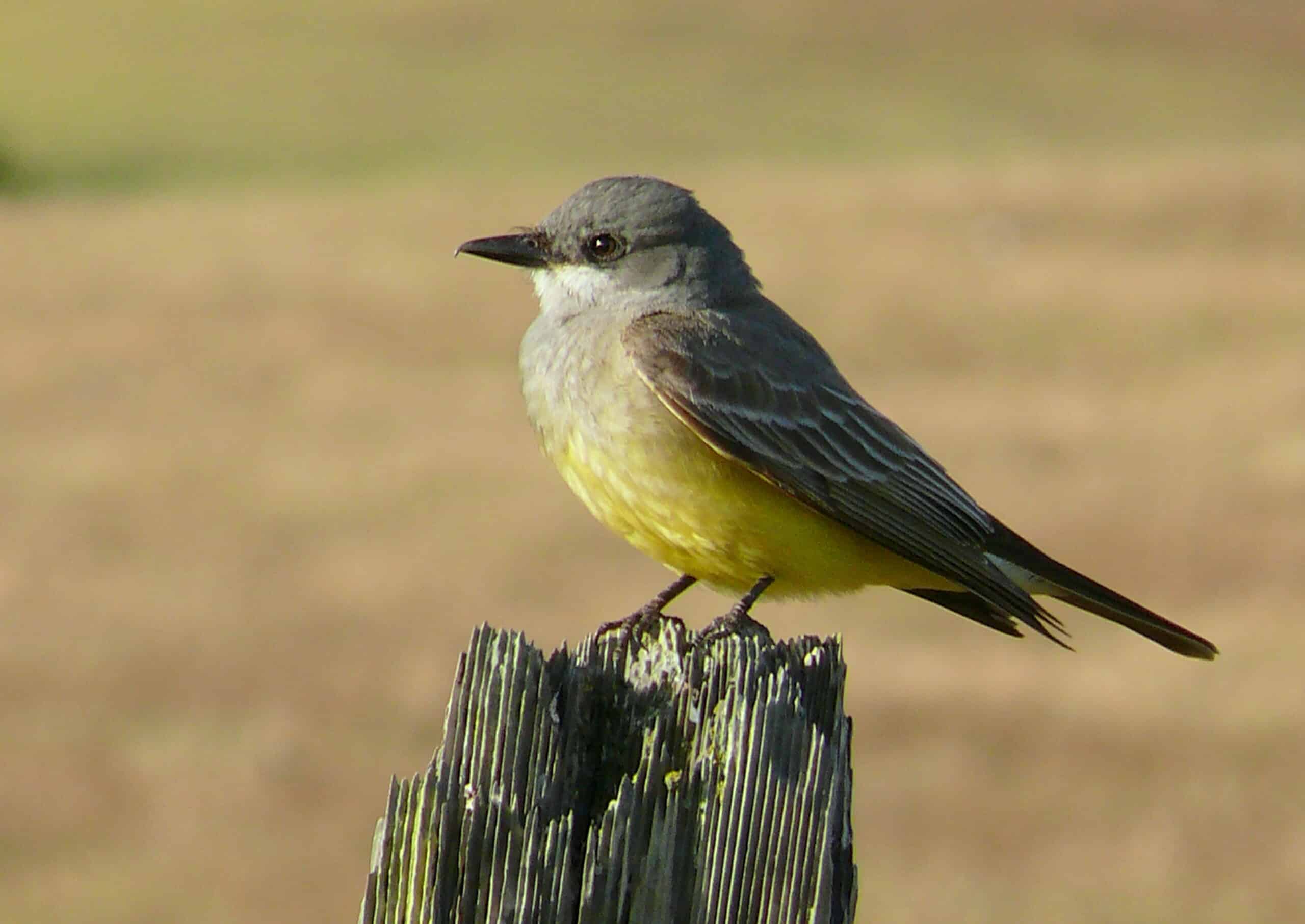
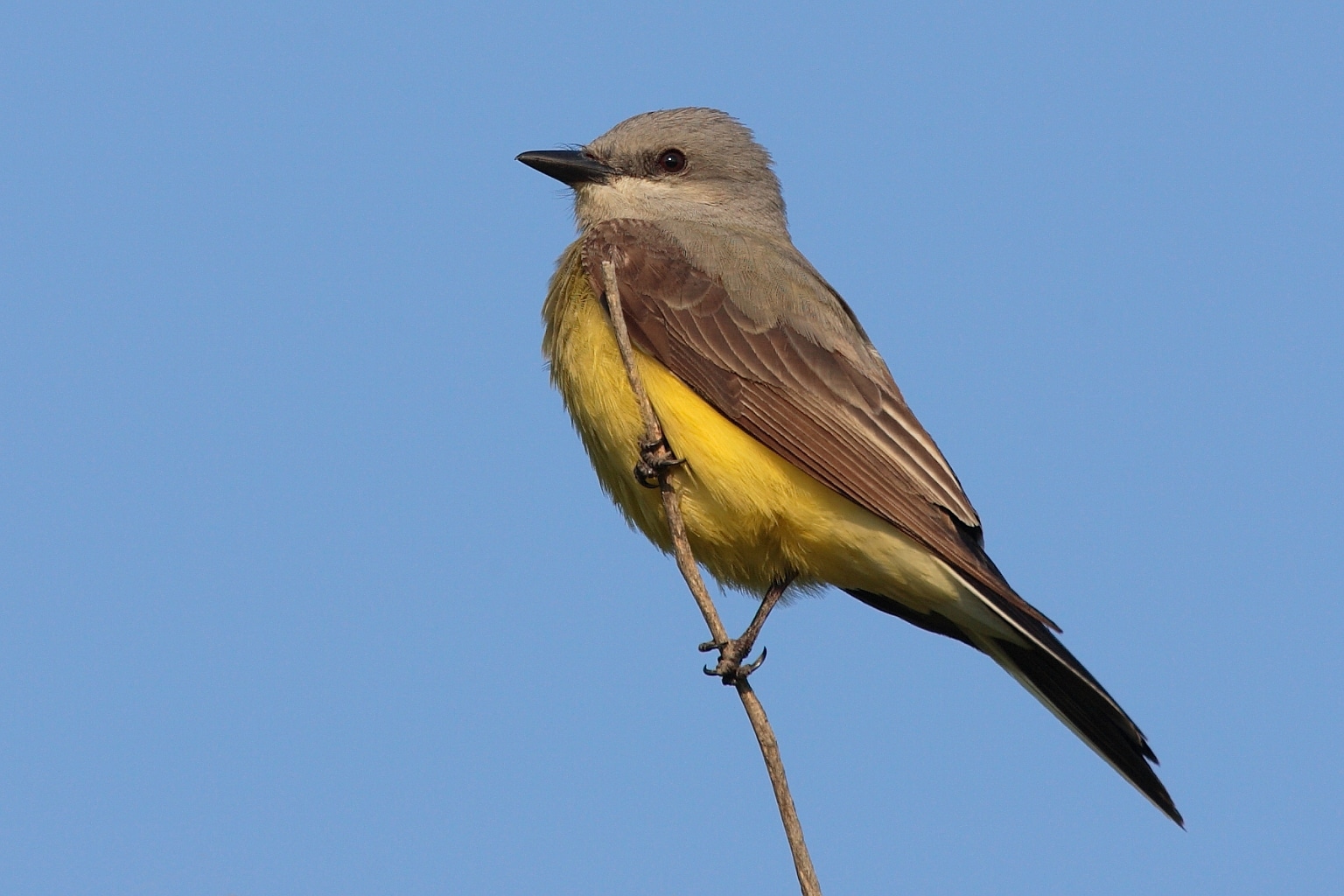
The Western Kingbird is a lively bird that brings cheer to the skies of Central America. These feathered friends typically measure between 20 to 23 centimeters (8 to 9 inches) long, making them an exciting sight to spot in the wild.
With a diet that consists mainly of insects and berries, the Western Kingbird loves to dine on the tasty treats found in its environment. Watching them swoop and dive after flying insects is like a front-row seat to nature’s very own air show!
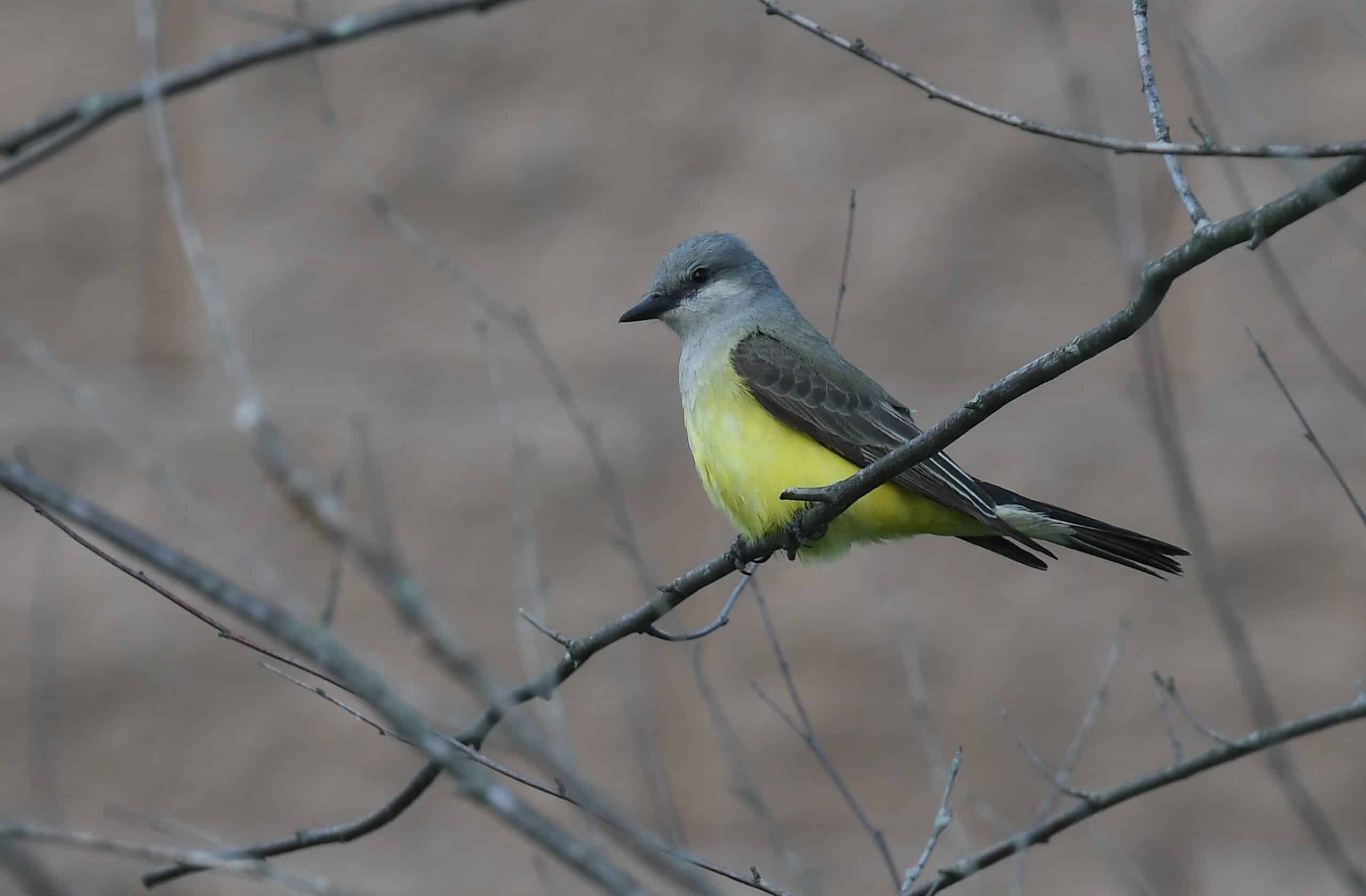
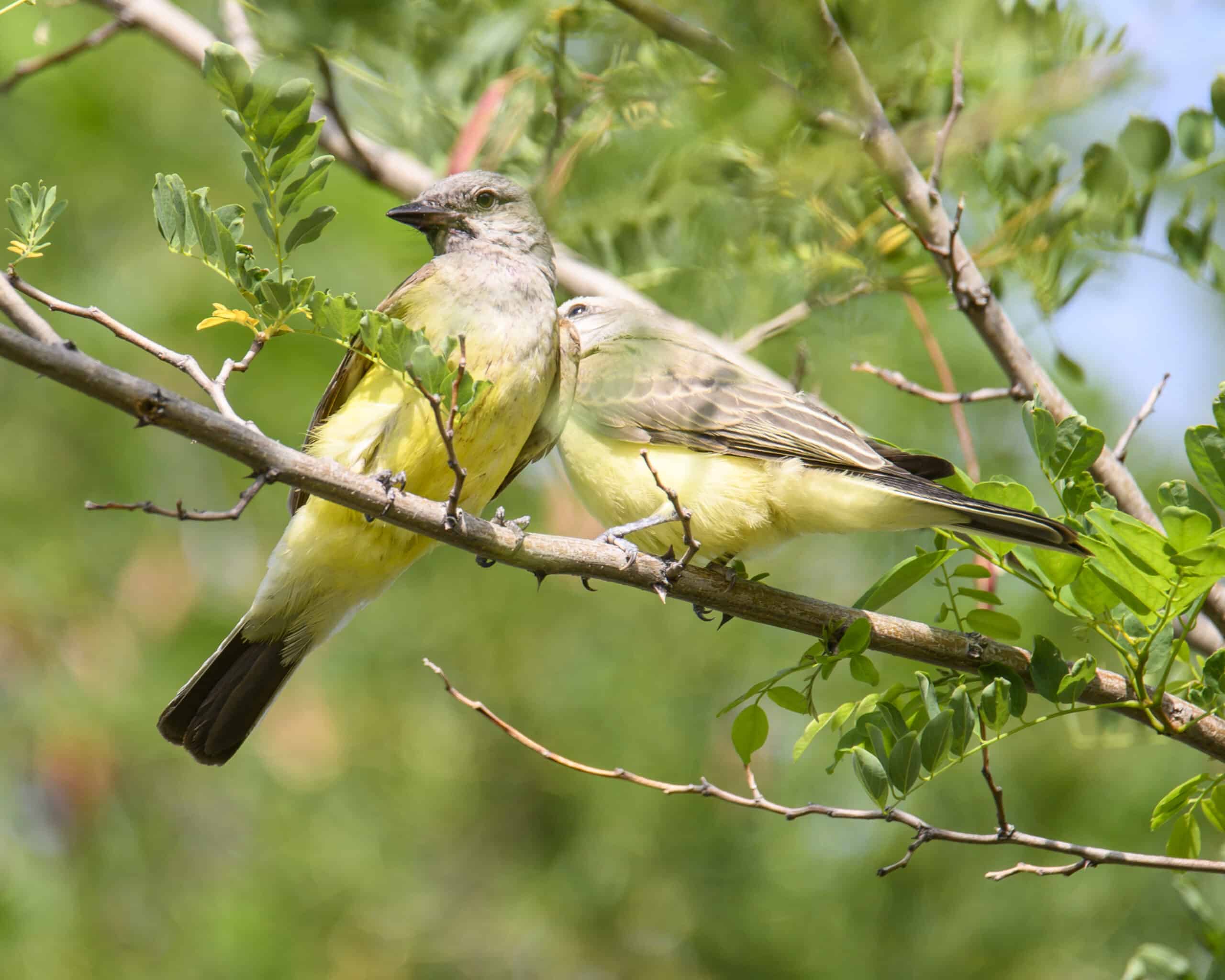
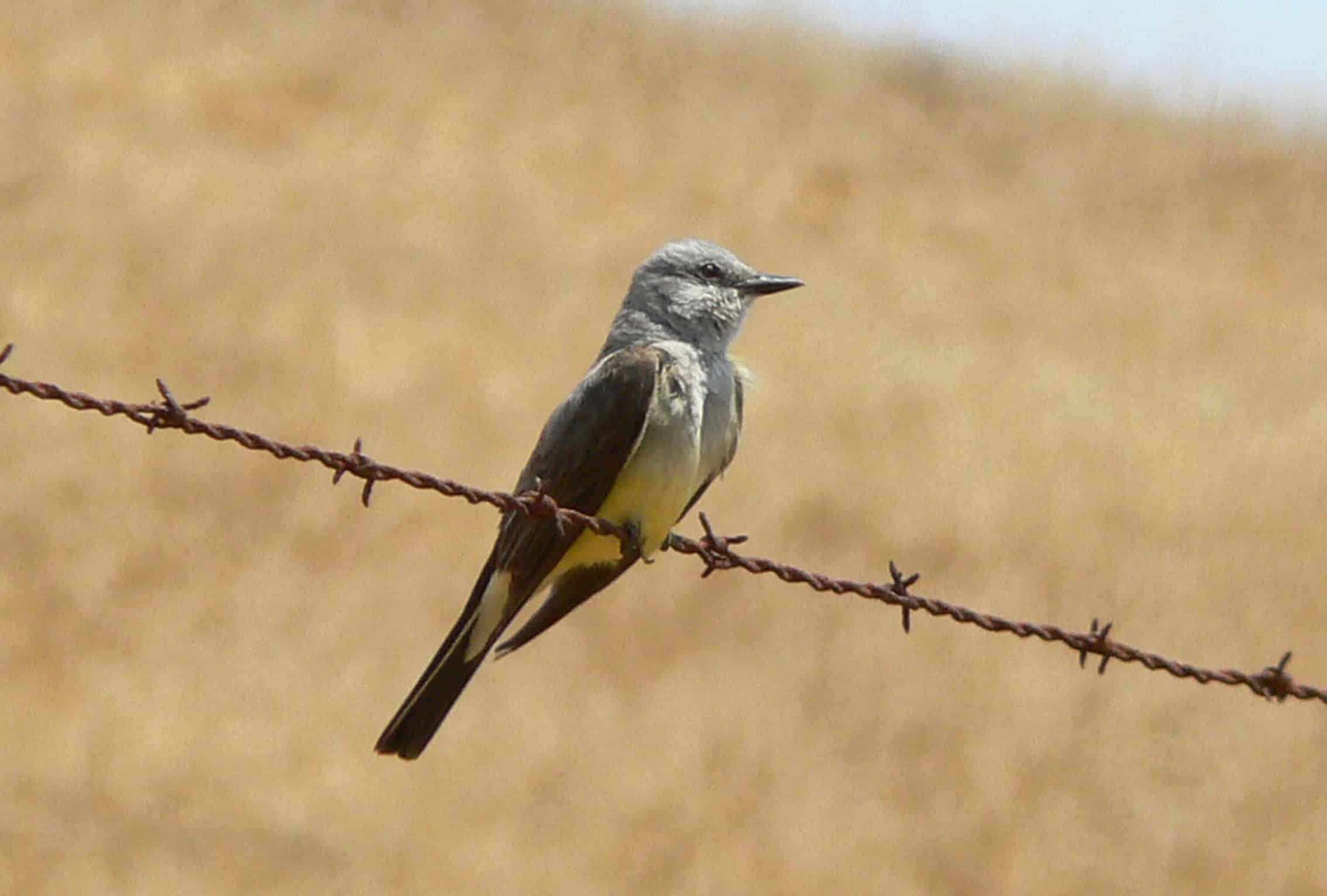
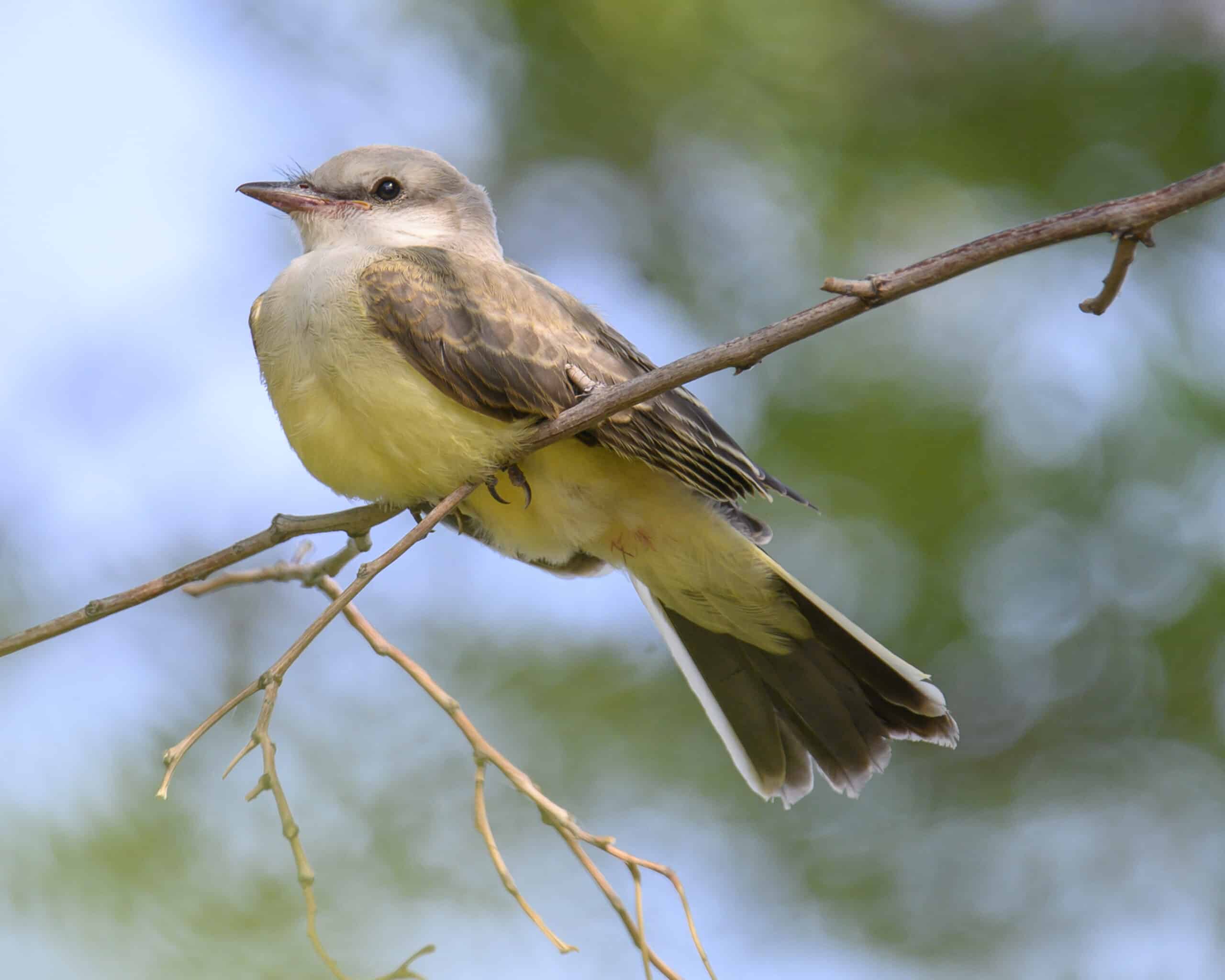
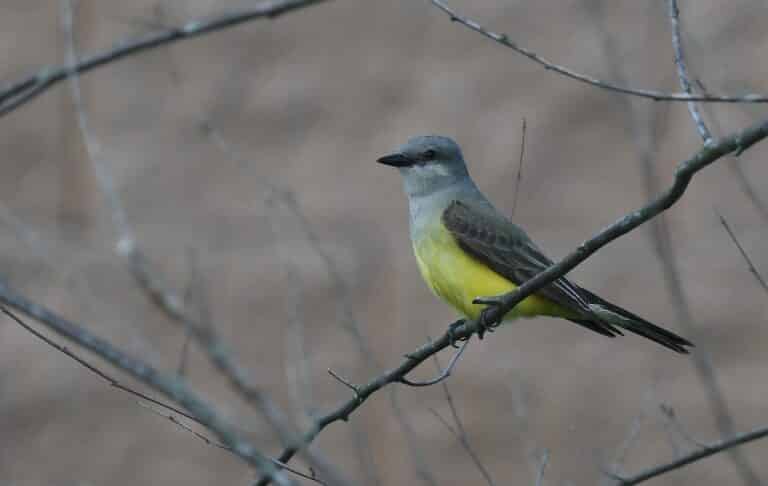
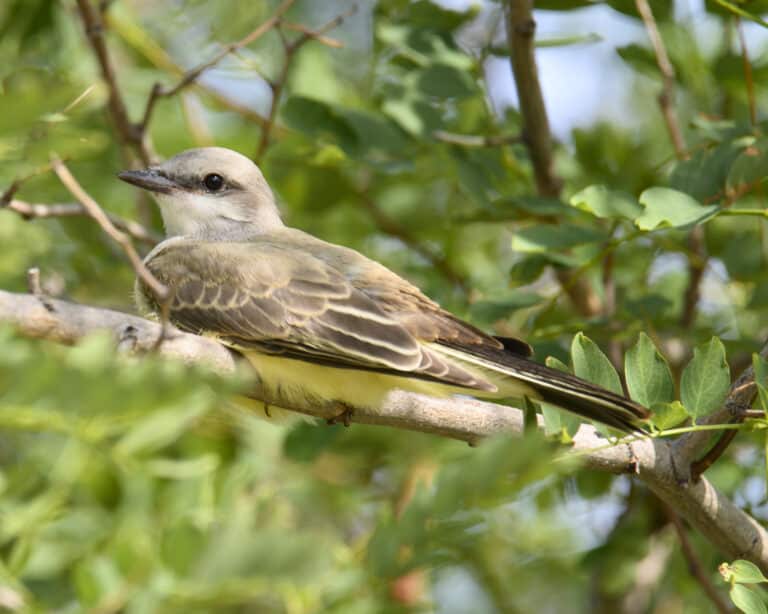
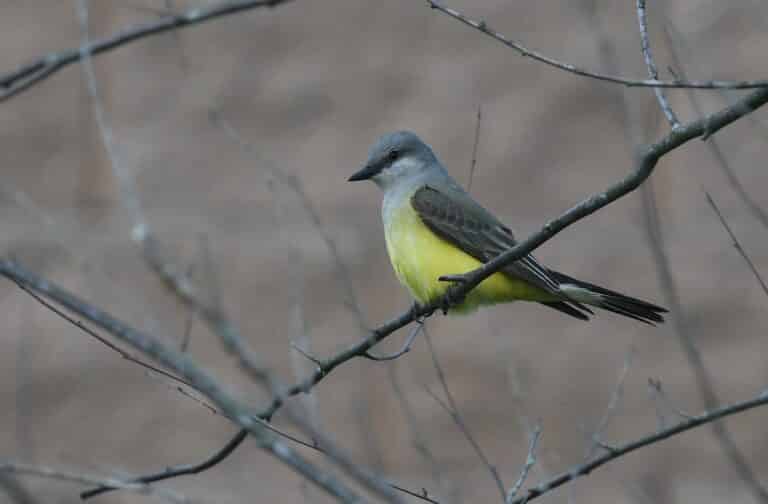
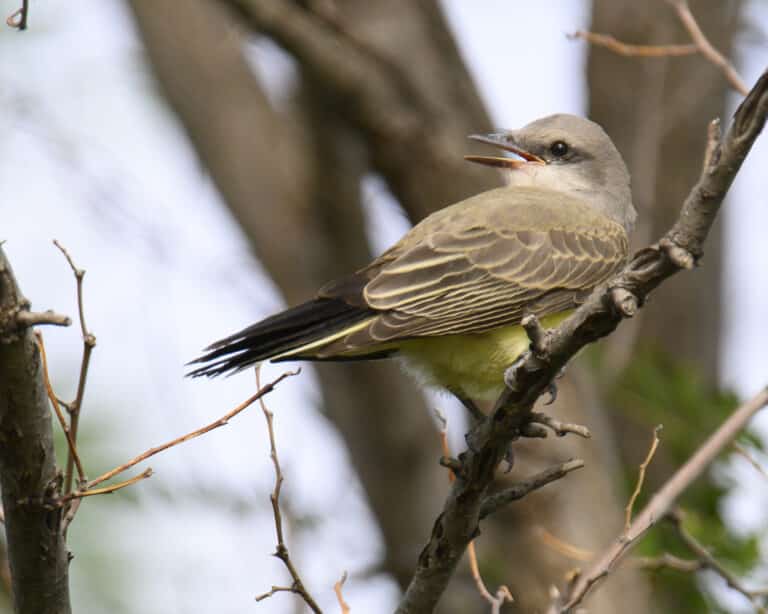
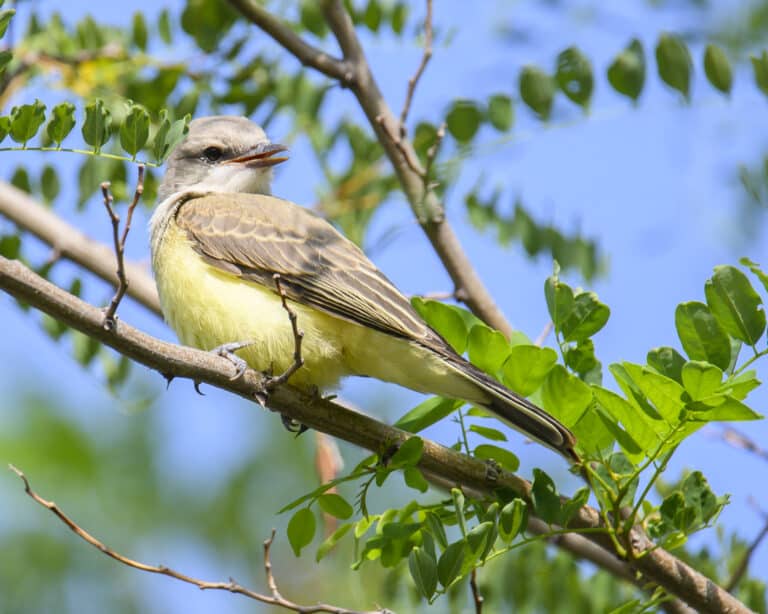
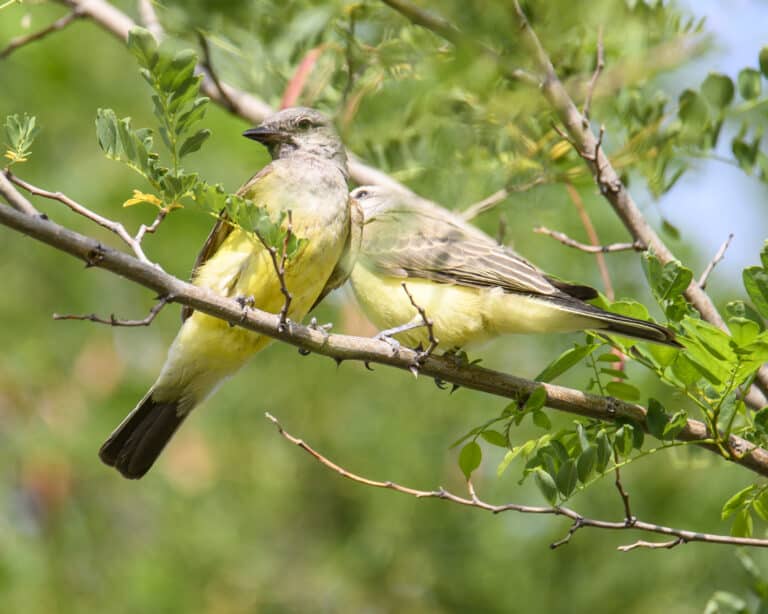
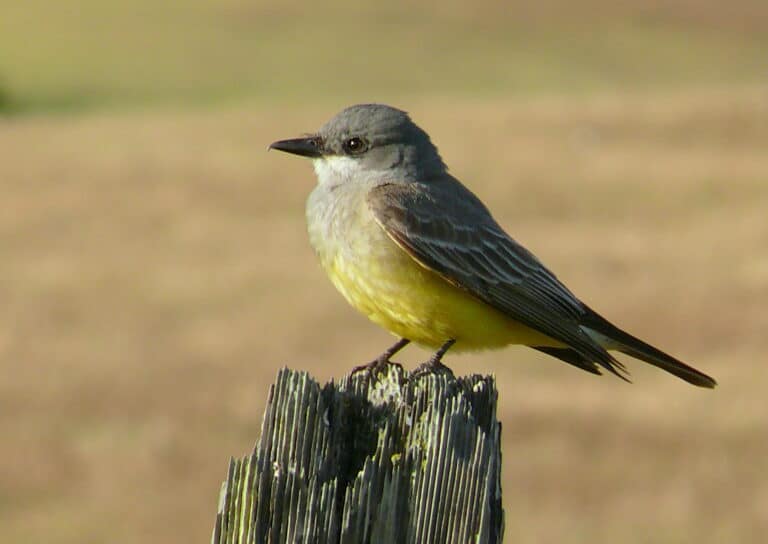
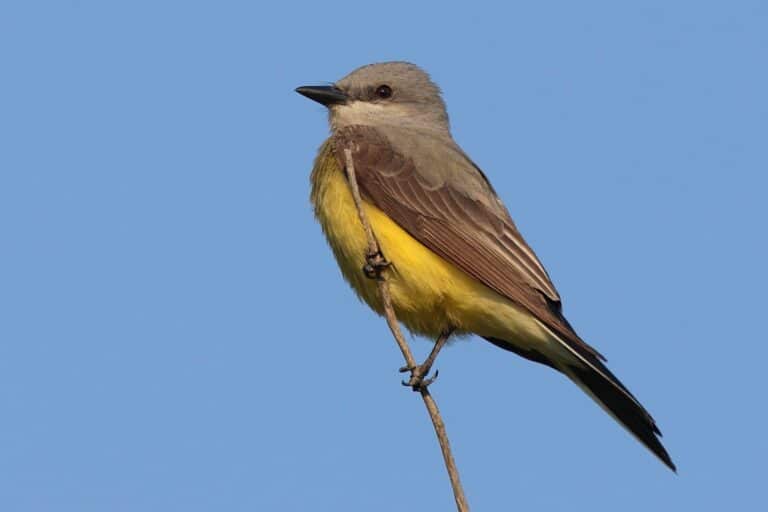
These birds, part of the Tyrannidae family, belong to the colorful order of Passeriformes. Their vibrant plumage often combines shades of yellow, grey, and black, giving them a stylish flair as they flit about in search of food.
The Western Kingbird has a lifespan of around 6 to 10 years, making it a long-lived companion in the world of birds. Just imagine the stories they could tell after all those years of soaring high and catching bugs galore!
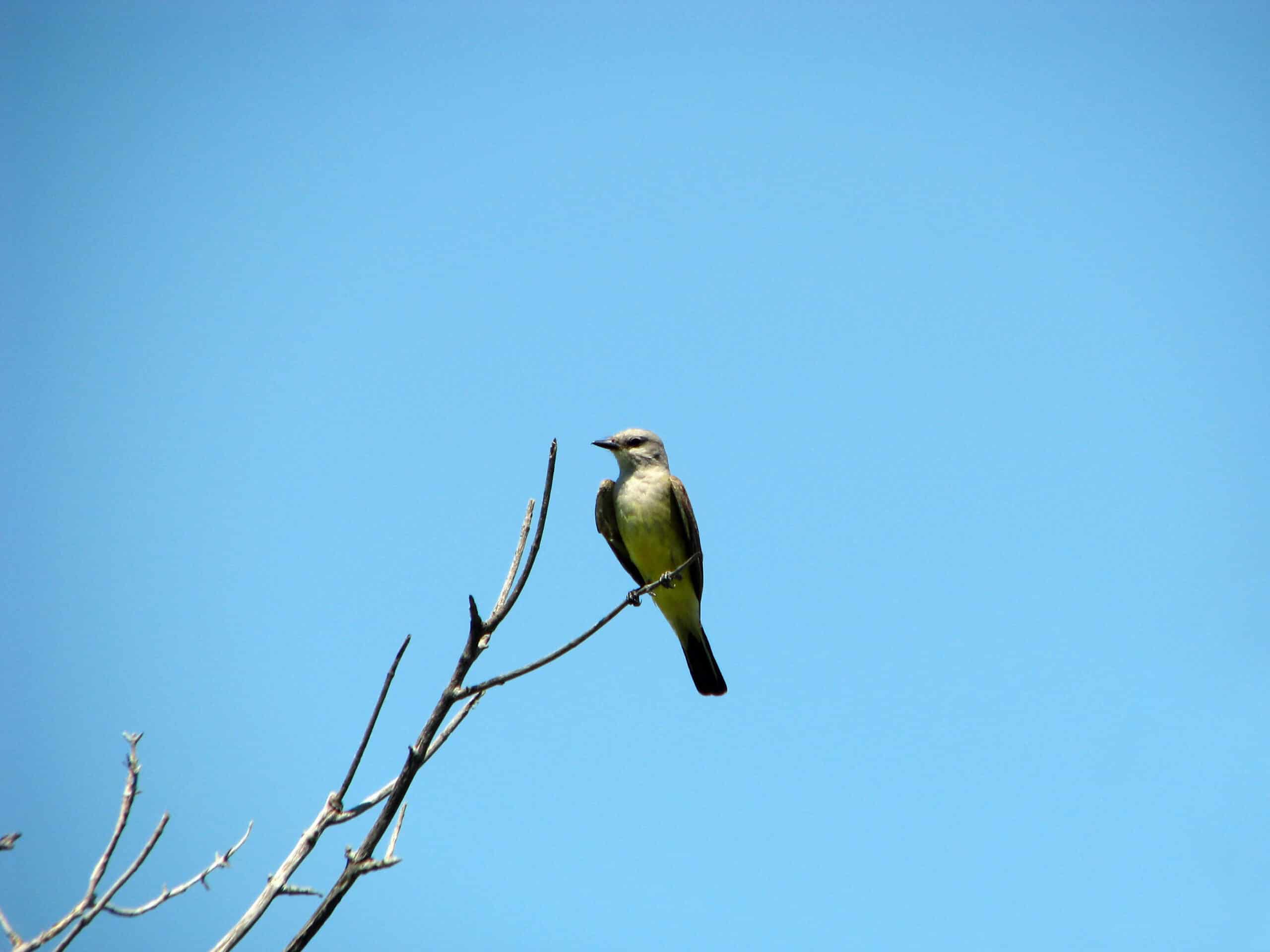
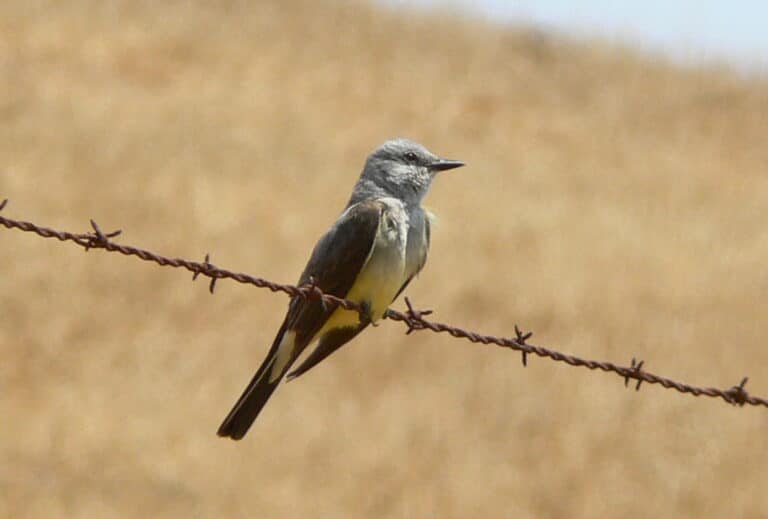
These amazing avians have a talent for catching insects mid-air. Their quick reflexes and sharp vision help them spot their next meal while they perch on fences or tree branches, looking like true flying acrobats!

Where can you find a Western Kingbird in the wild?
What does a Western Kingbird eat?
How big can a Western Kingbird grow?
How long does a Western Kingbird typically live?
What is the conservation status of the Western Kingbird?
What are the main threats to the Western Kingbird?
Fun facts
The Western Kingbird performs aerial stunts, diving and swooping to catch insects mid-air, showcasing its amazing flying skills.


This bird makes a loud, cheerful call that sounds like a "cheer-cheer" echoing through the fields, as if it's celebrating a sunny day.
During nesting season, the Western Kingbird fiercely defends its territory, chasing away intruders and showing off its colorful plumage to scare them off.
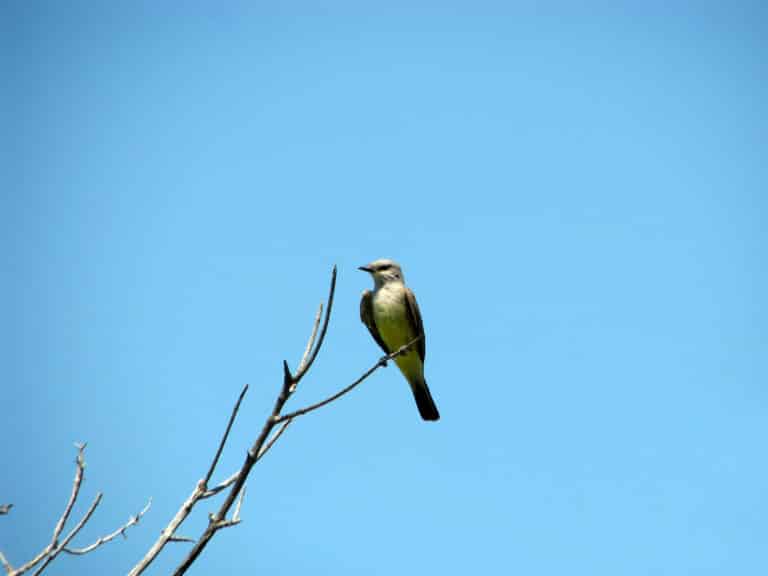
These birds have a special talent for finding just the right perches to hunt from; they often choose a spot that gives them a great view of the skies and ground below.
The Western Kingbird's young have a special way of begging for food; they flap their wings excitedly, making sure mom or dad knows they are hungry and ready for a meal!
The Western Kingbird has strong, sharp eyesight to spot its next meal from far away, allowing it to react quickly and catch those speedy insects.
These birds often follow along with farm machinery, catching the insects that get stirred up, making farming a little more entertaining.
In groups, Western Kingbirds can be quite the social butterflies, chirping and singing together while keeping an eye out for juicy snacks!
When it rains, the Western Kingbird adapts and switches to eat more berries, showing that it's not just a skilled hunter but also a flexible foodie.
With the ability to fly up to 40 kilometers per hour (about 25 miles per hour), the Western Kingbird zooms through the air like a feathered rocket!
Photos


The Basics


explore more
Amphibians
Arachnids
Birds
Cats
Crustaceans
Fish
Fish Pet Guide
Gastropods
Insects
Invertebrates
Mammals
Pet Fish
Pet Rodents
Plants
Reptiles
Roundworms
Sea Slugs