
Successfully copied to clipboard!

Western Tanager
Explore a colorful world of singing feathered friends!
Let’s Explore
Overview
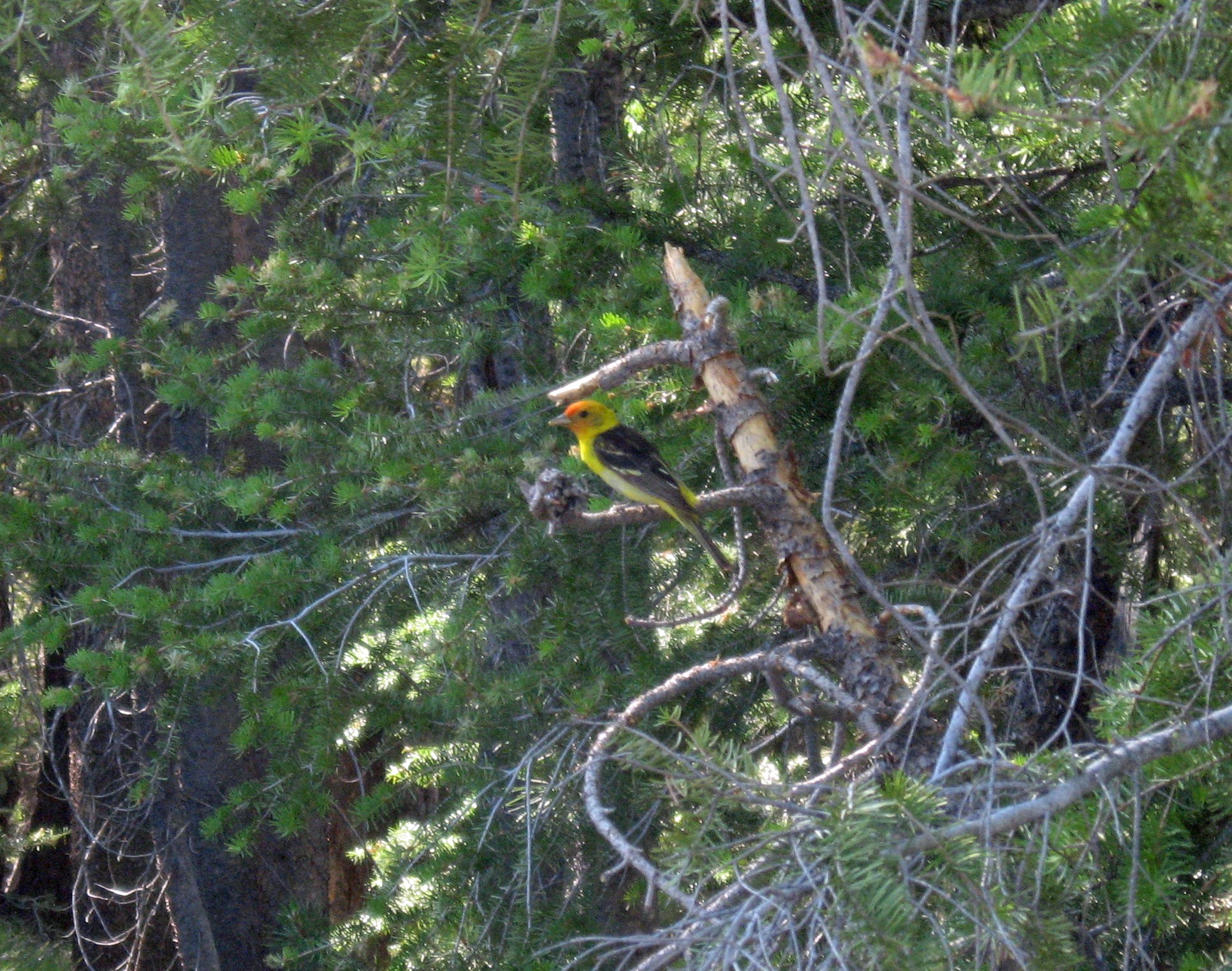
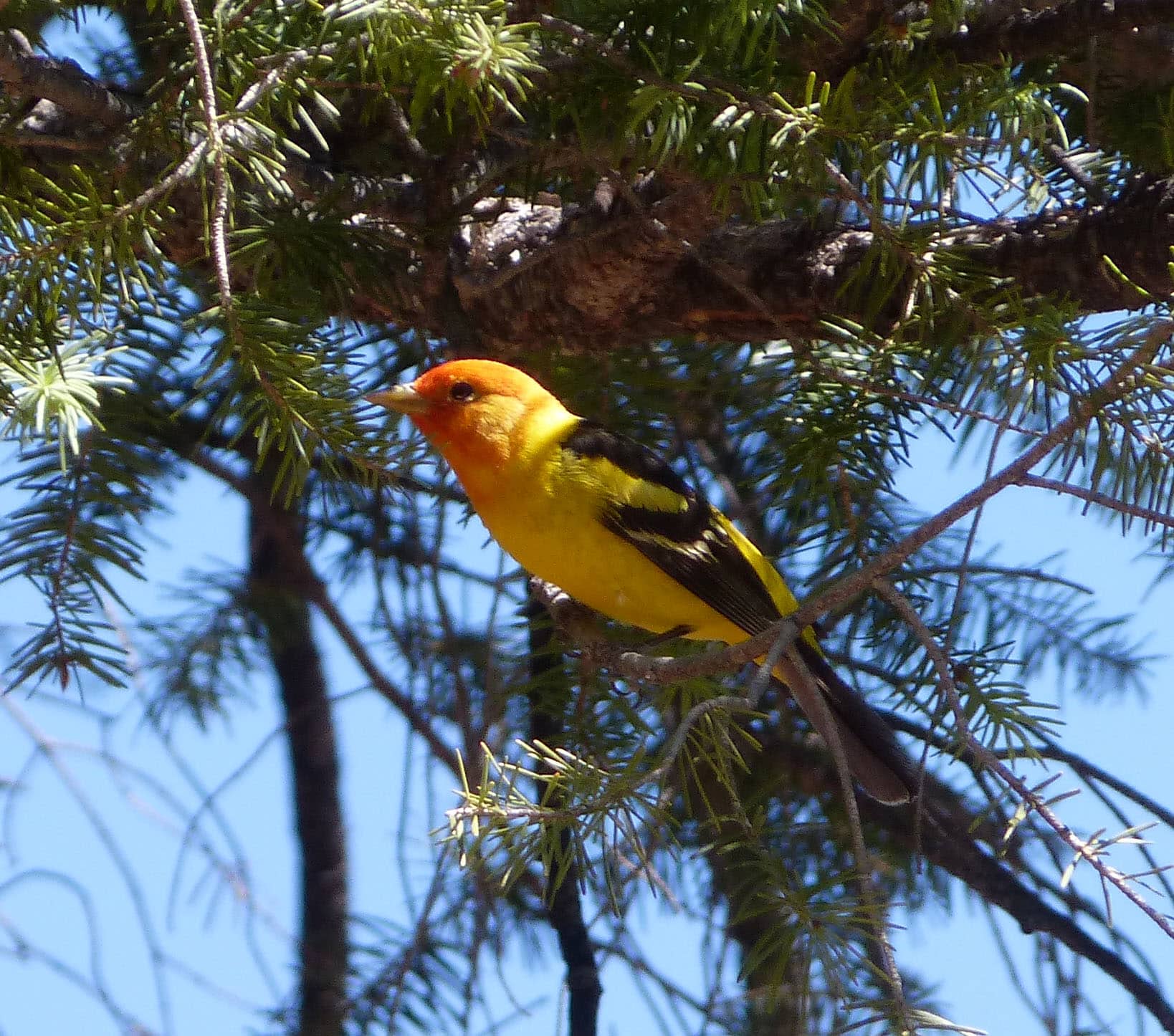
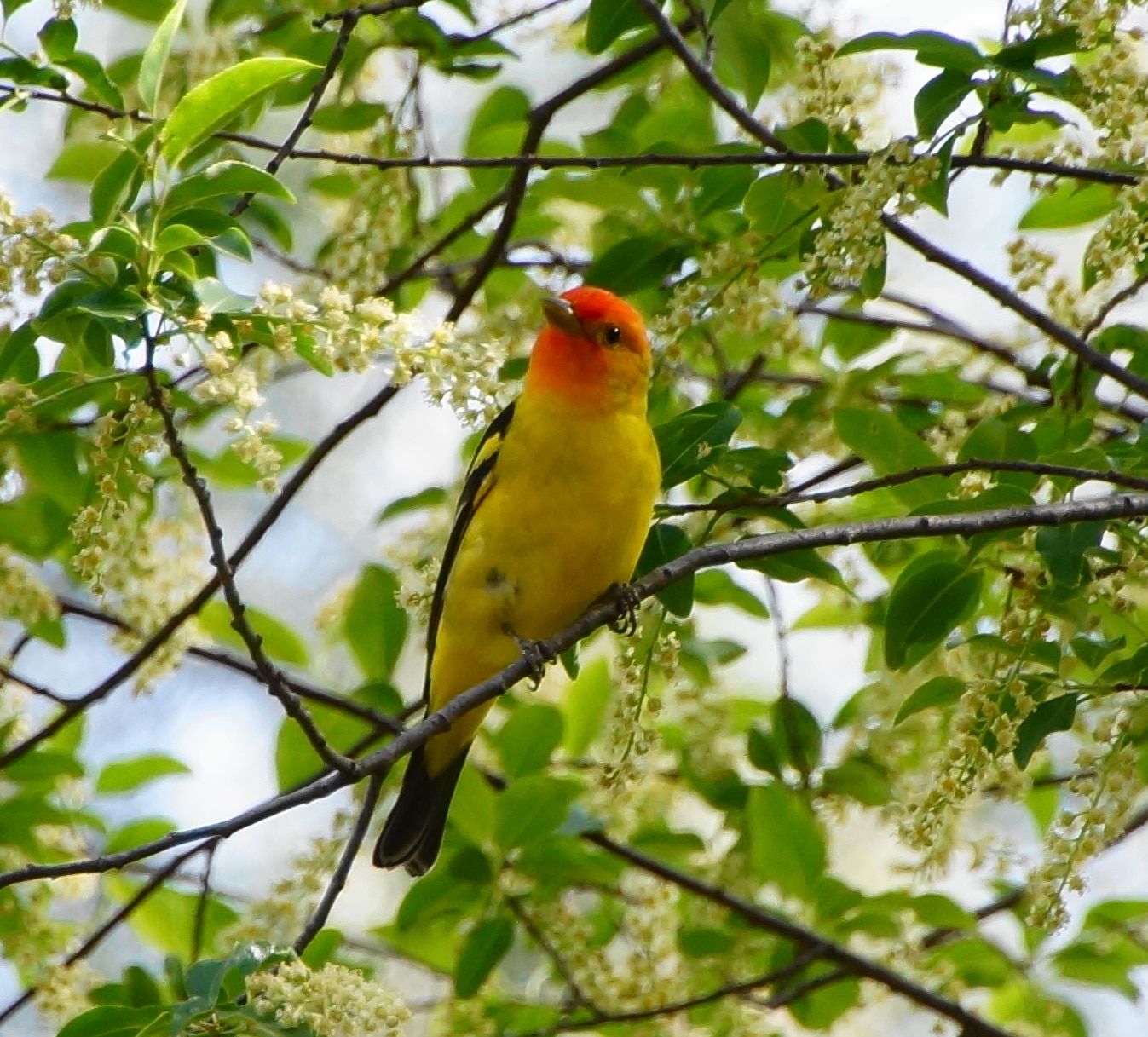
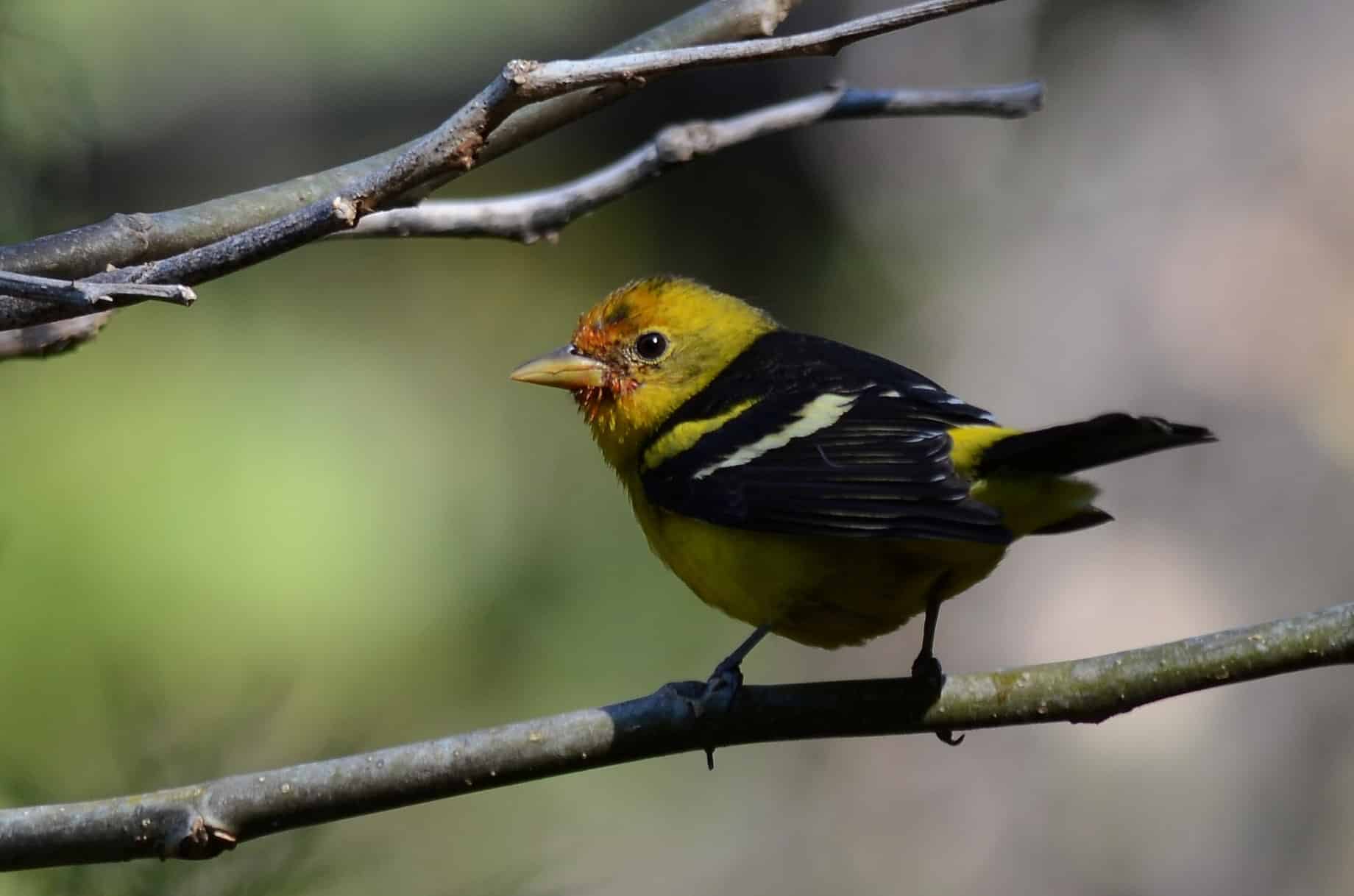
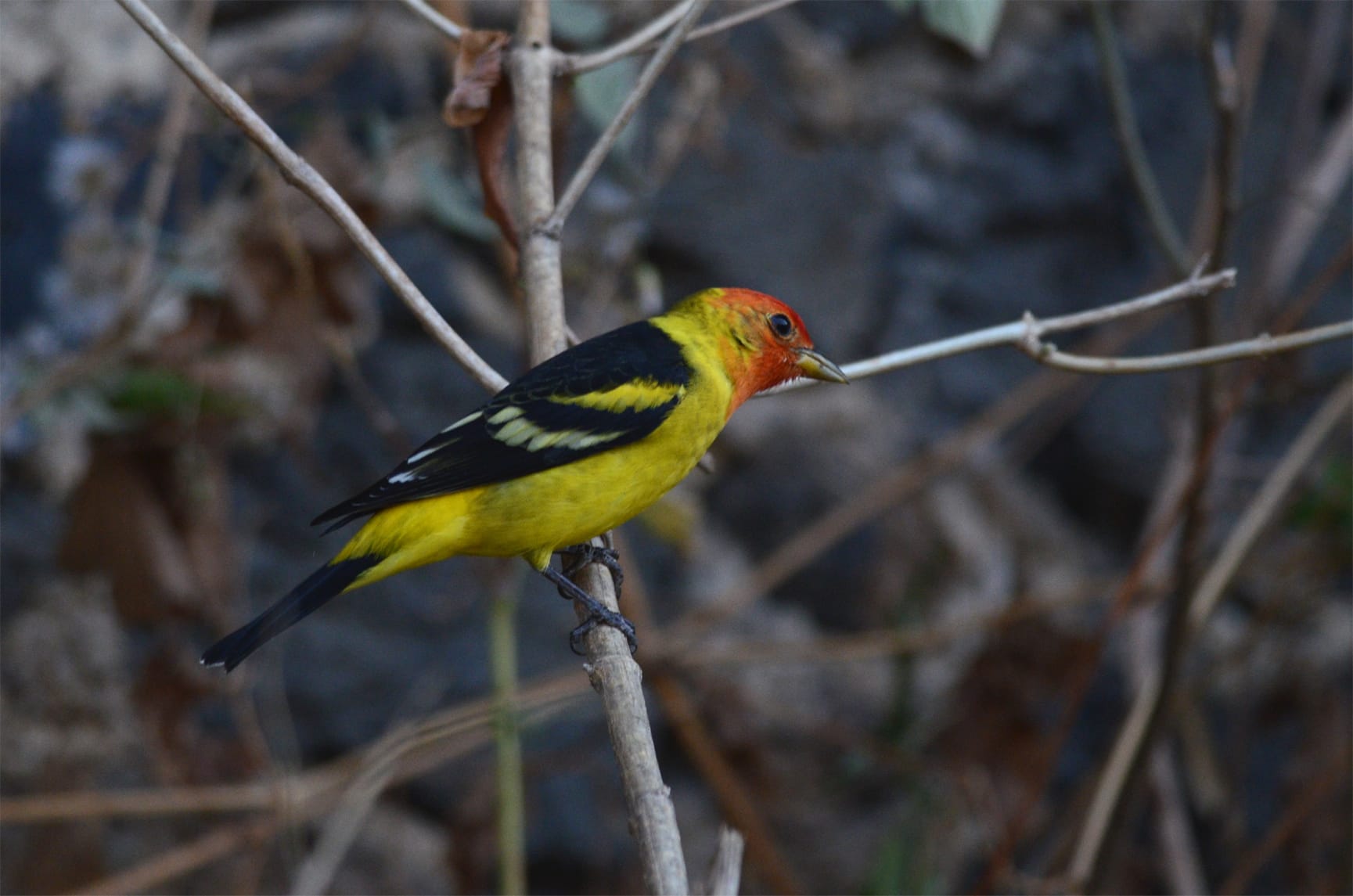
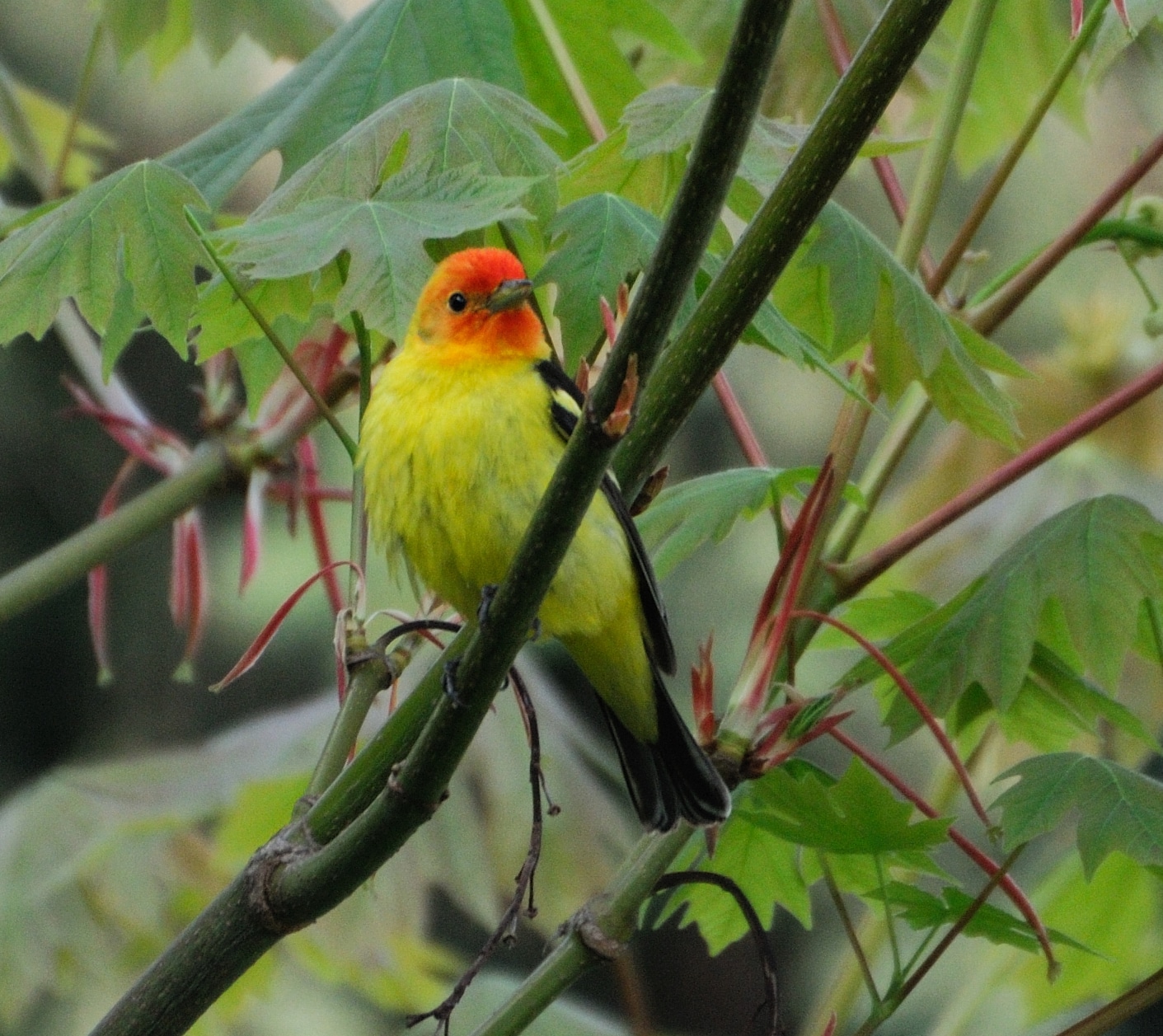
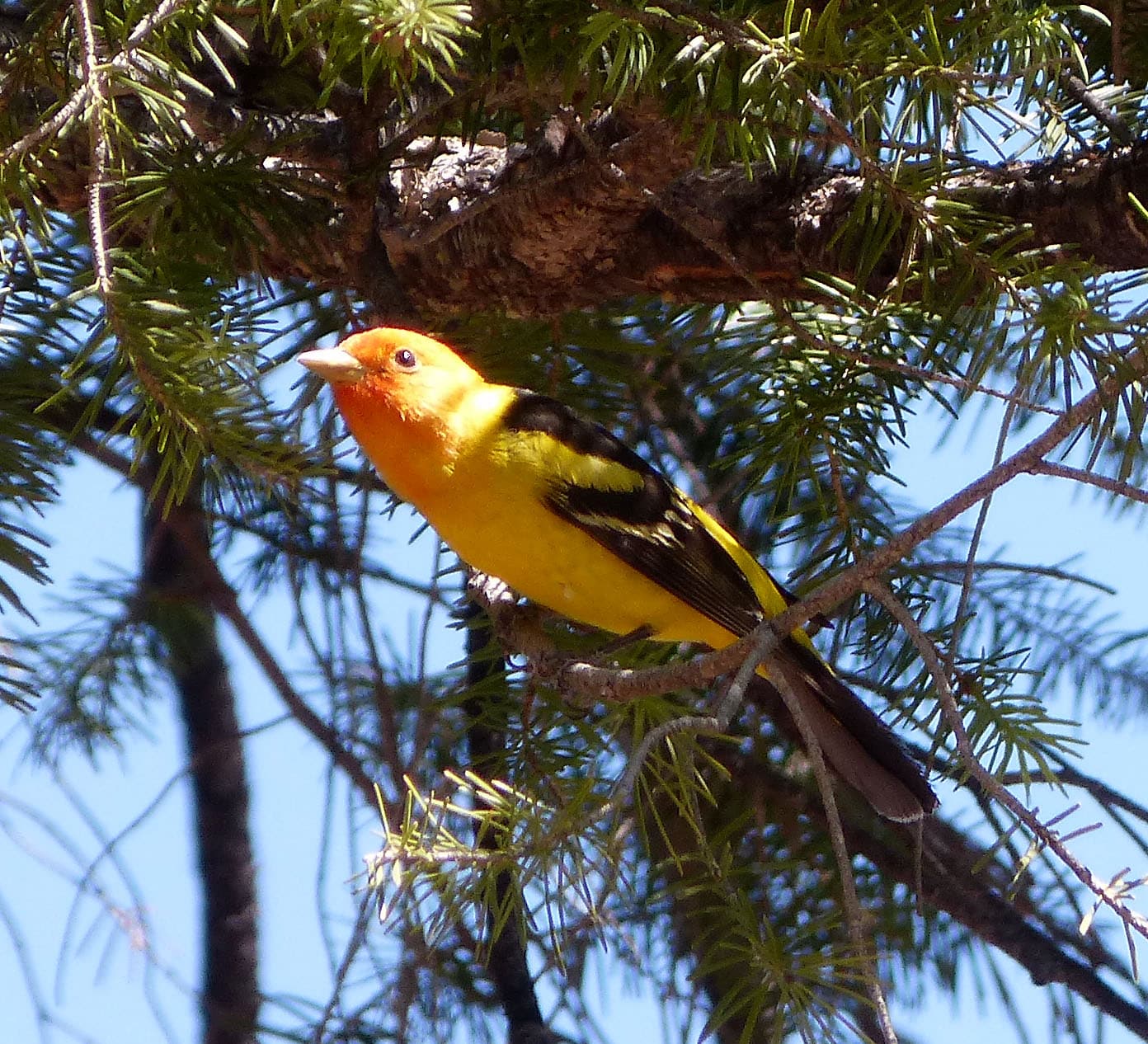
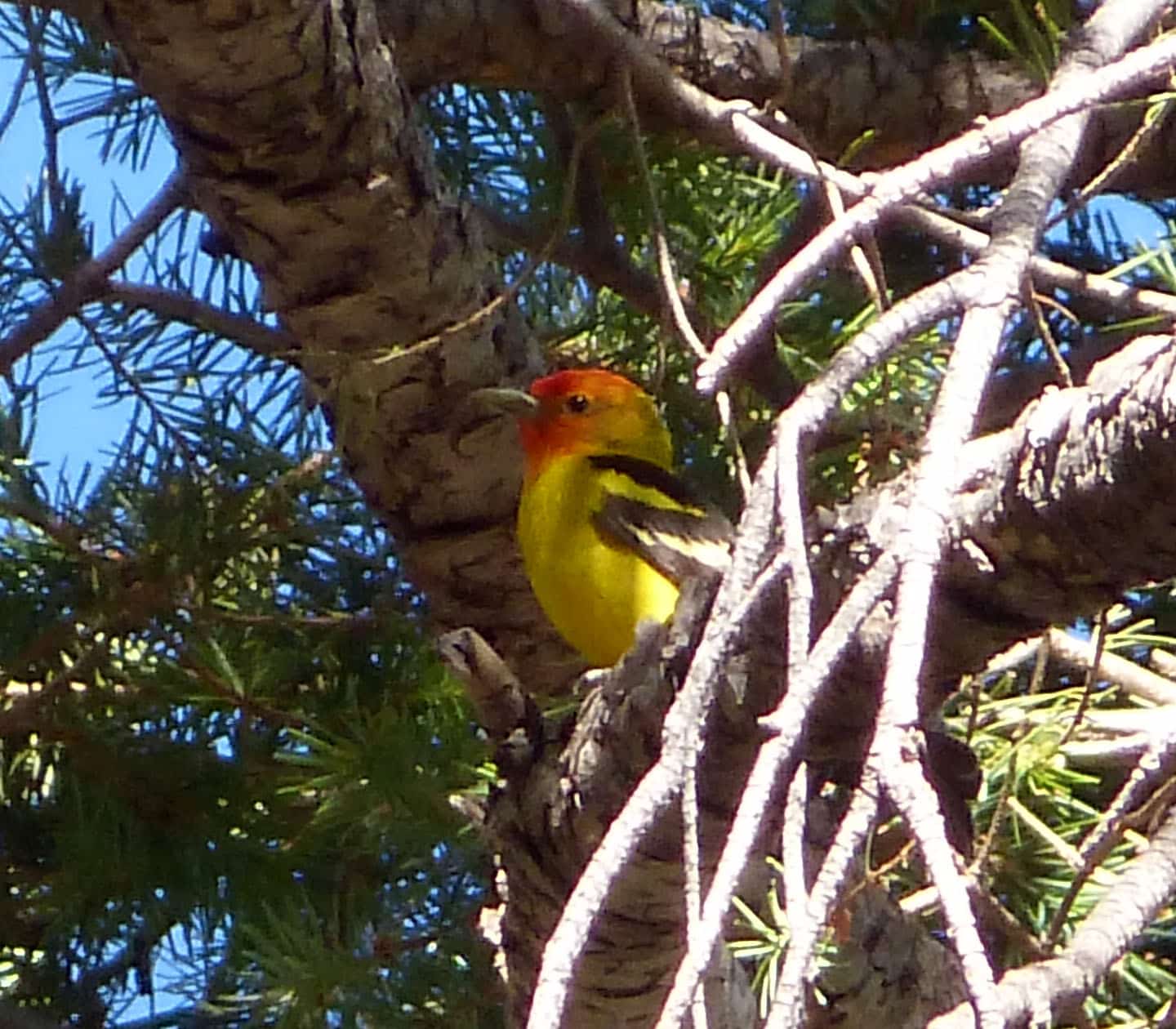
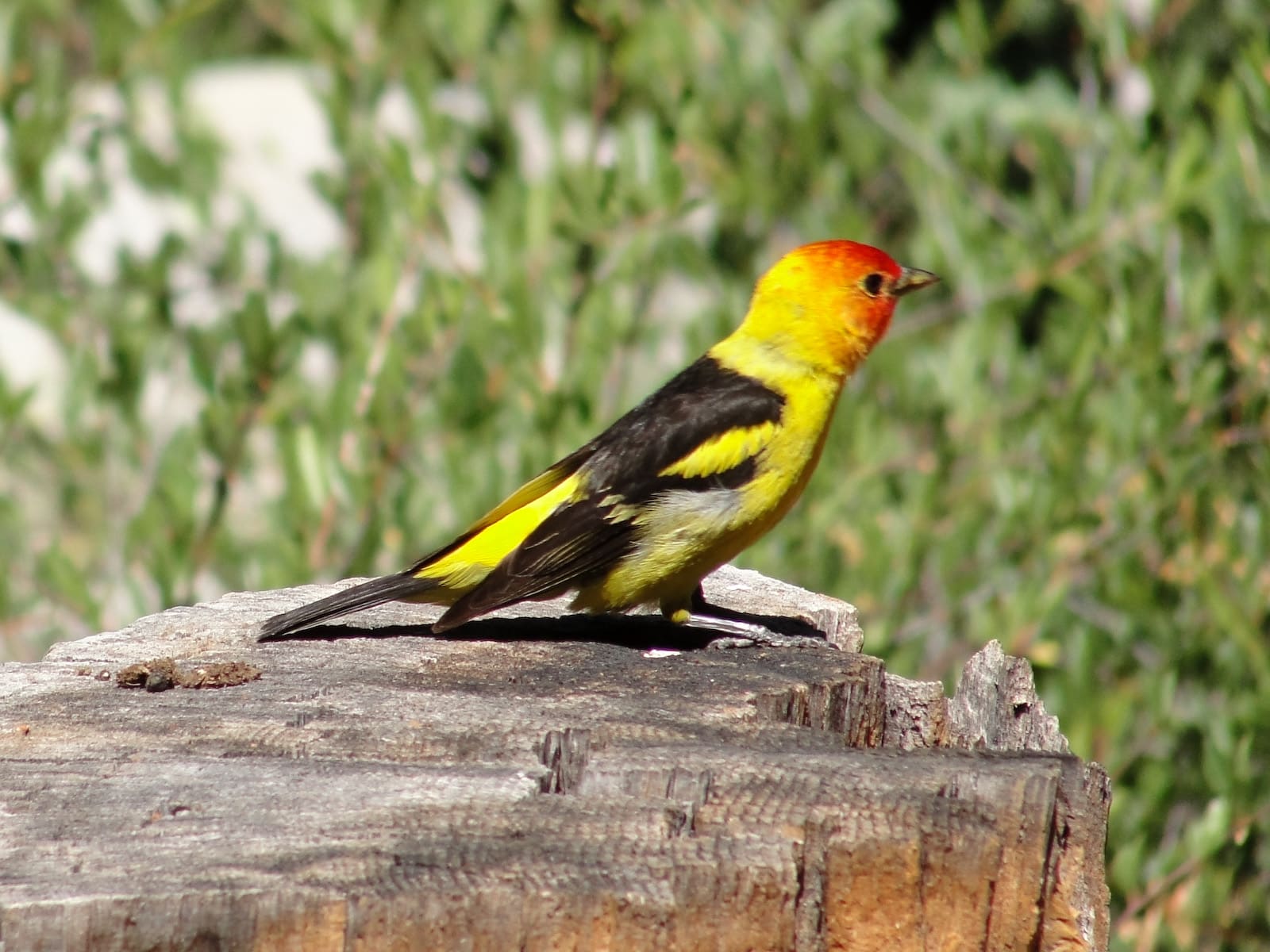
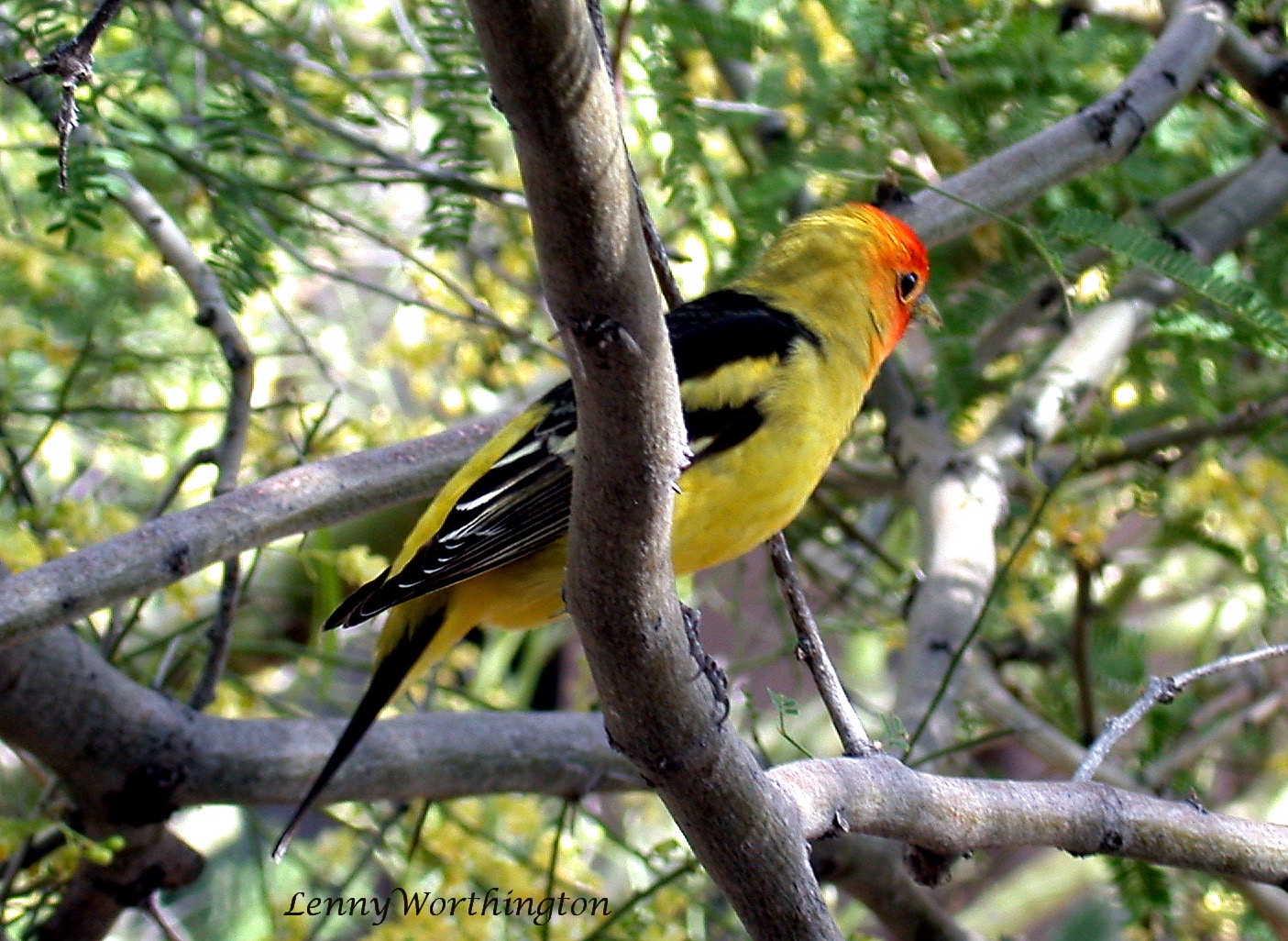
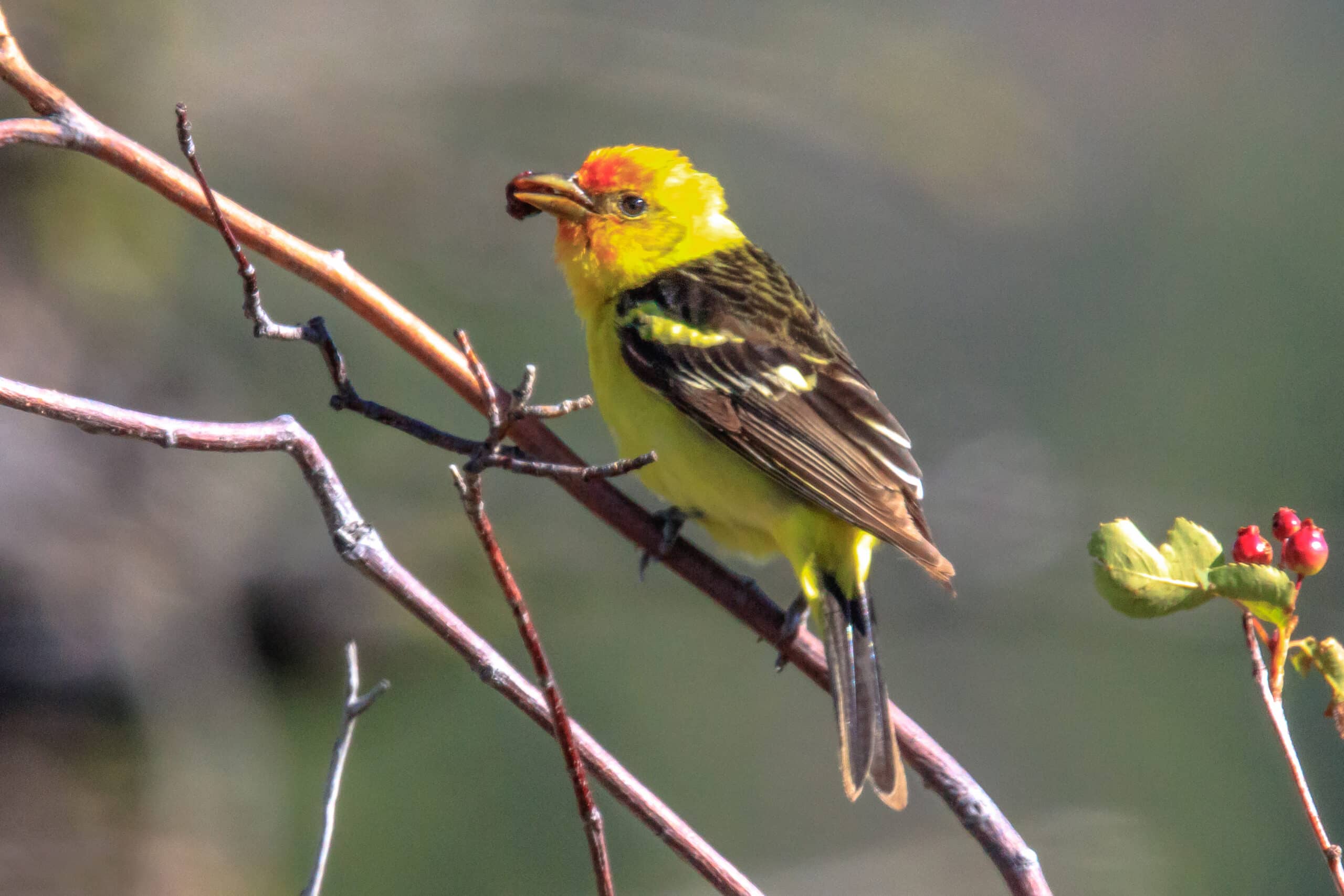
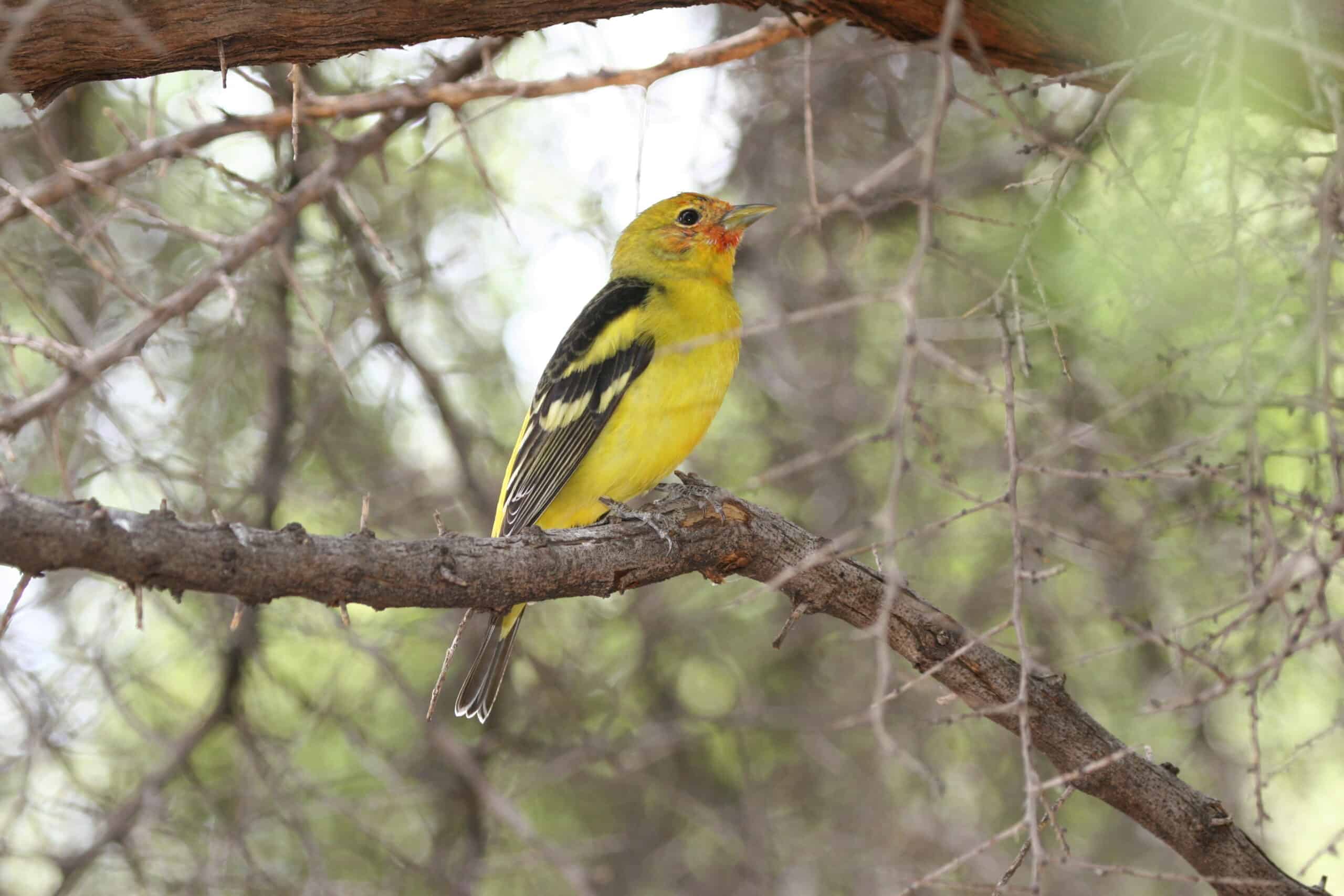
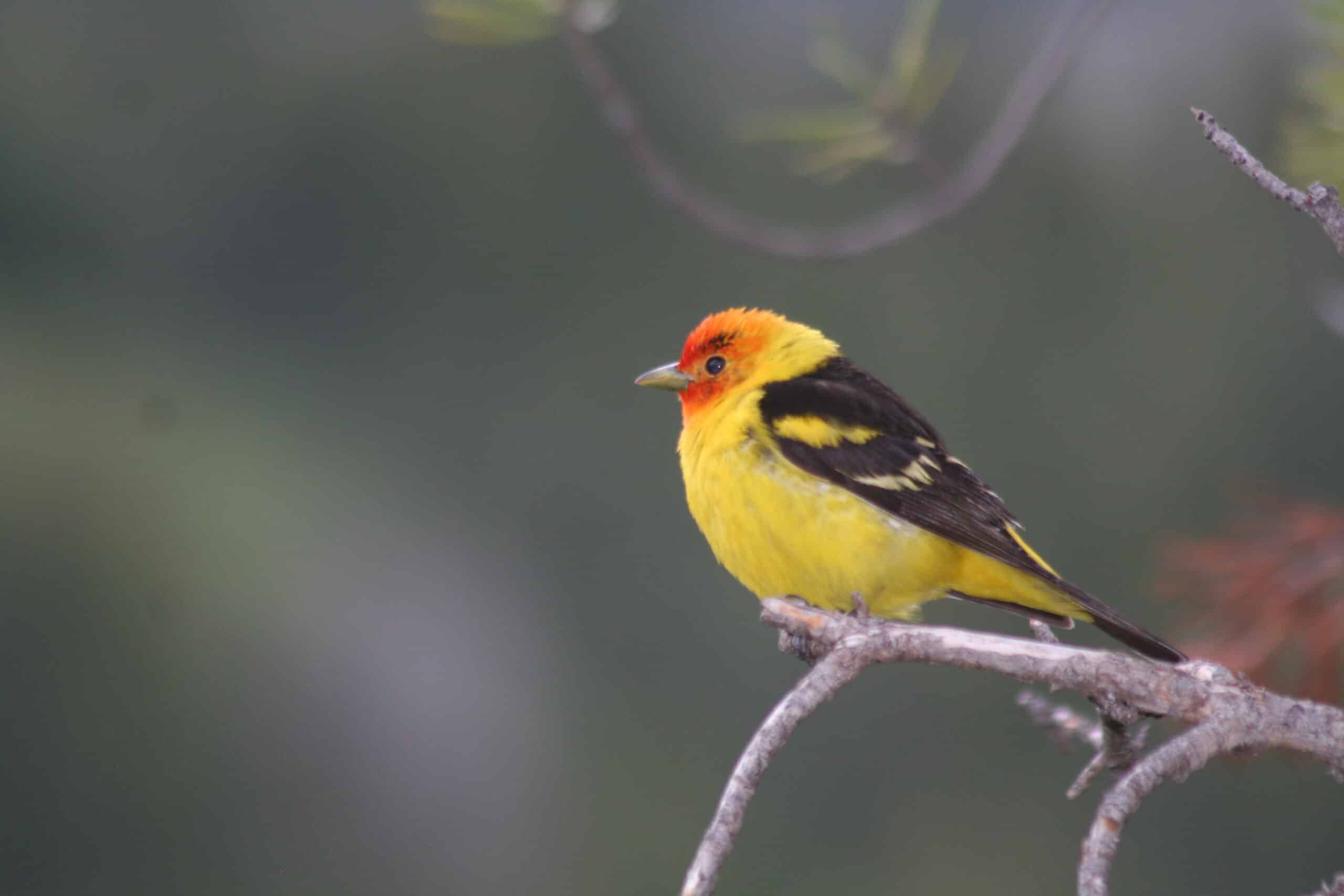
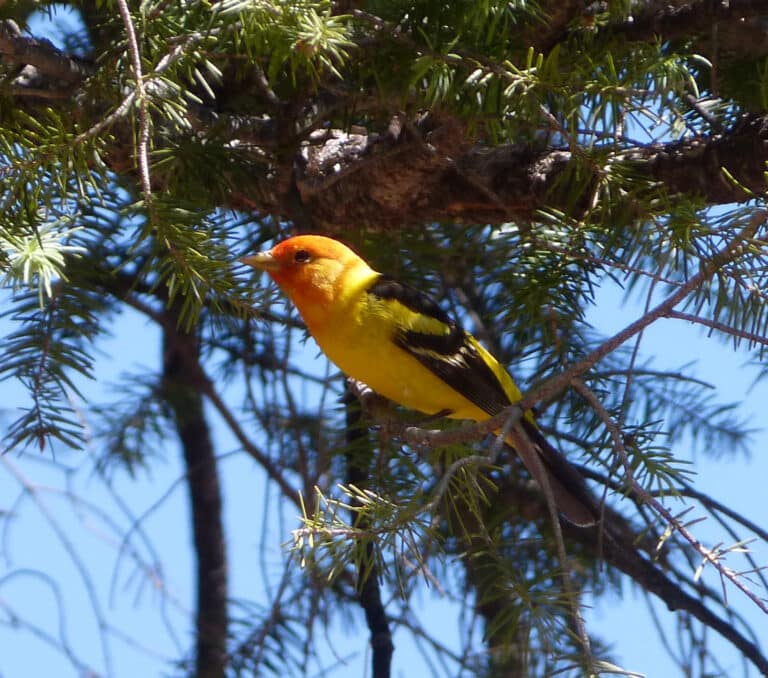
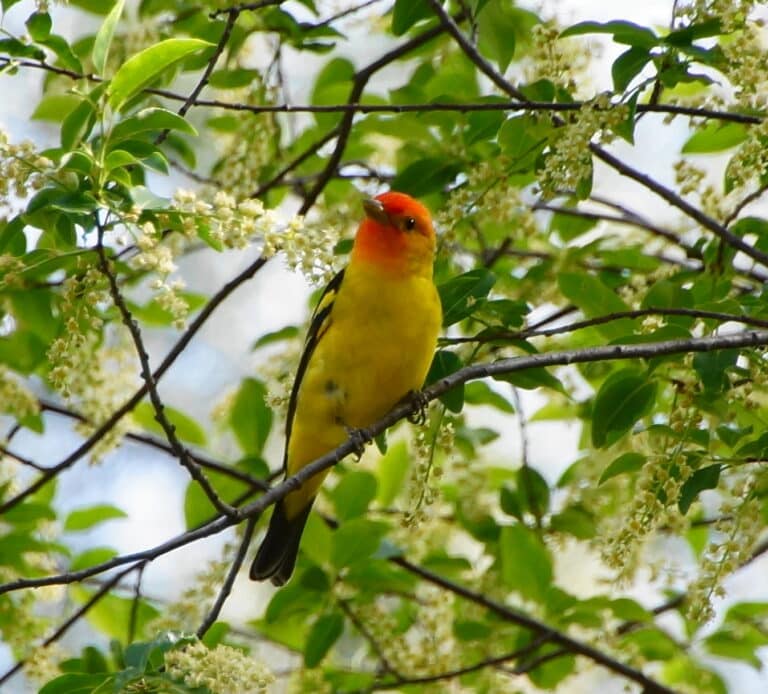
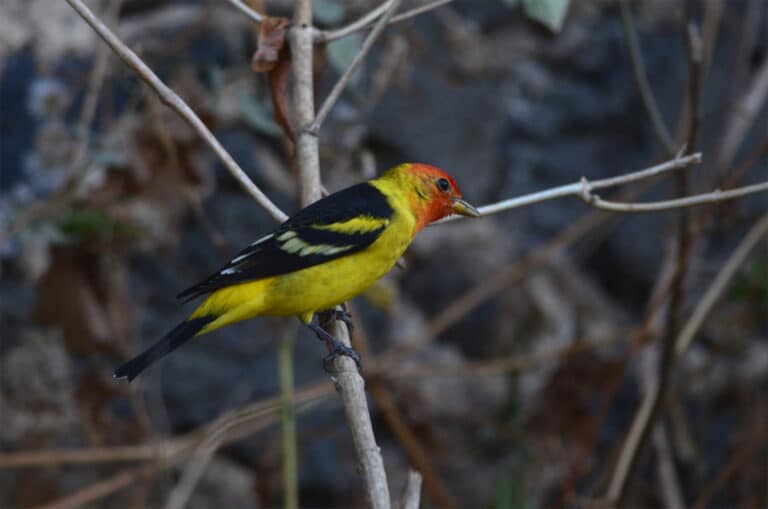
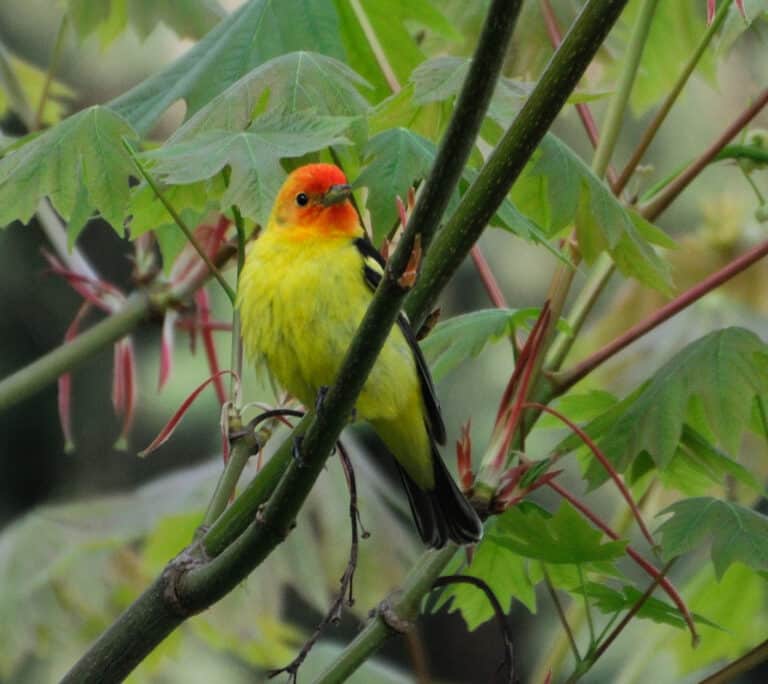
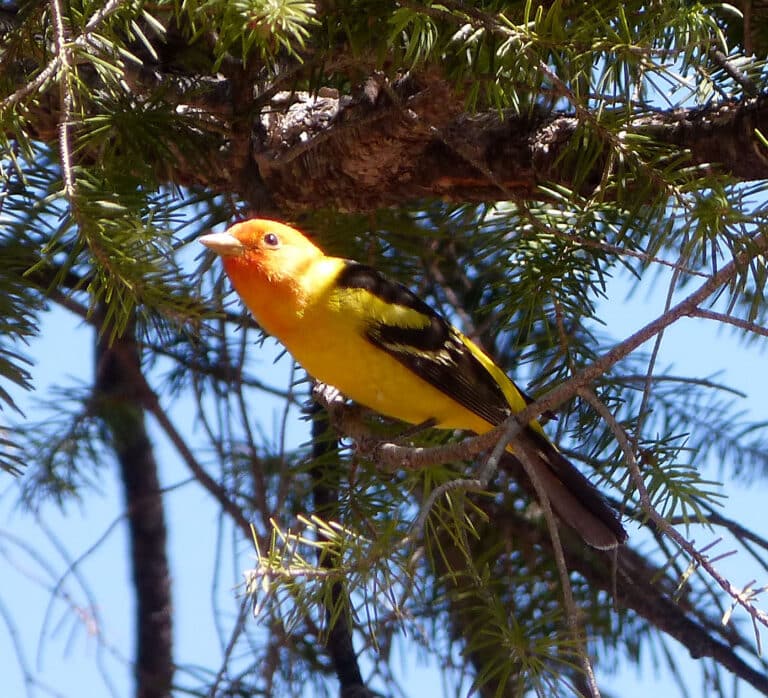
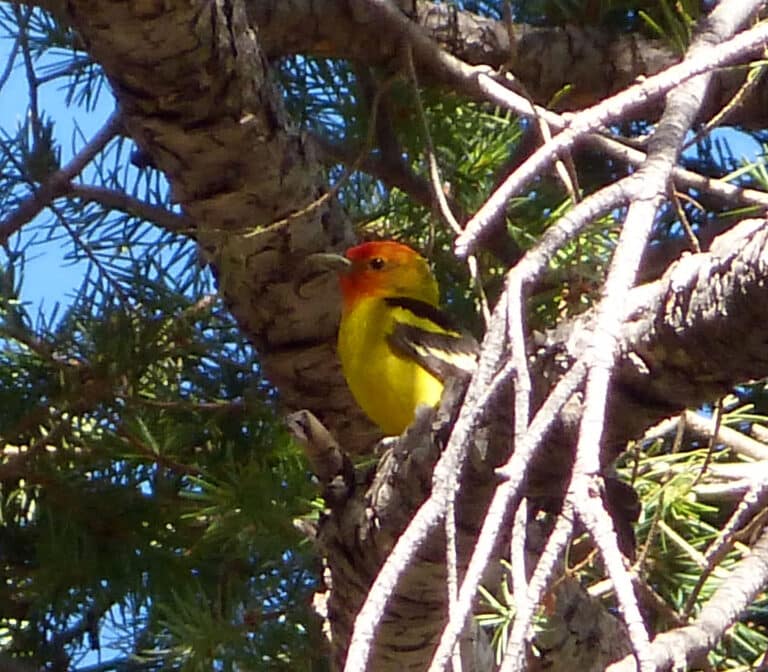
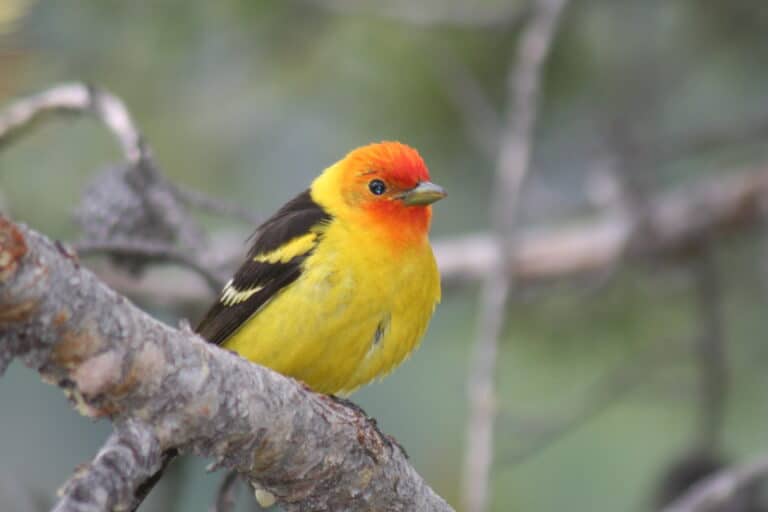
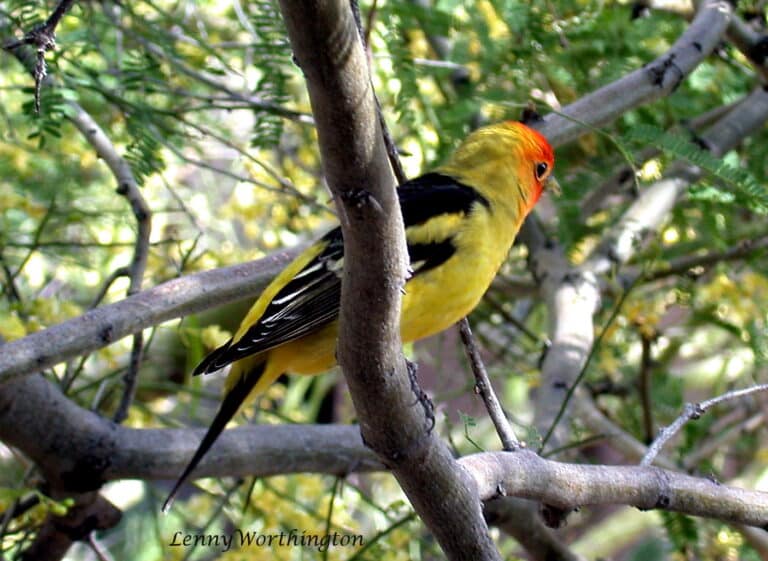
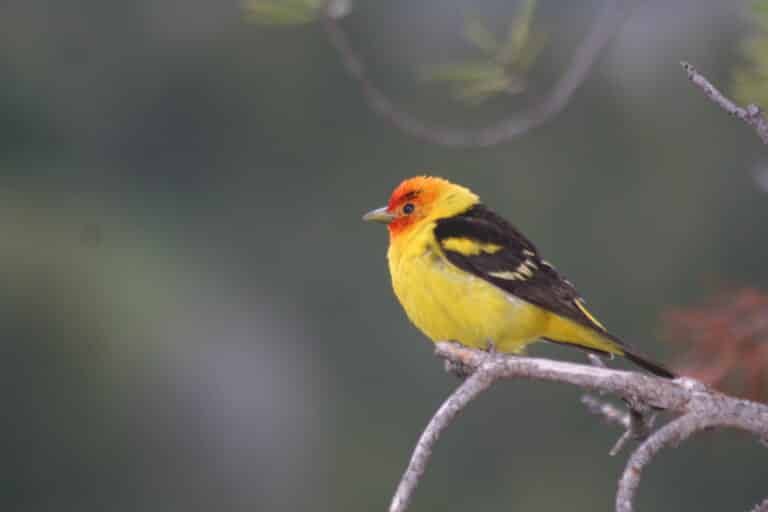
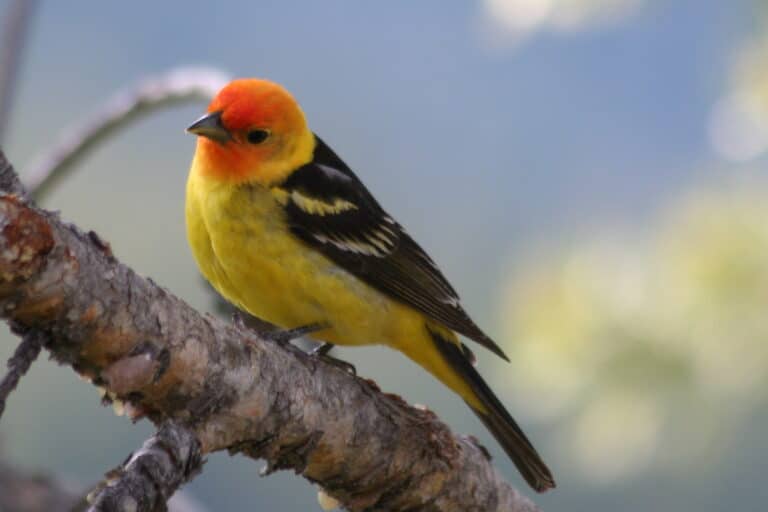
The Western Tanager is a bright and cheerful bird that brings a splash of color to the forests of Central America. With its vibrant yellow body and fiery red head, it could be the fashion model of the bird world!
This bird measures about 6.3 to 7.5 inches long, giving it a compact size that makes it easy to spot among the tree branches. It belongs to the class of birds known as Aves and fits into the family Cardinalidae, known for their beautiful plumage.
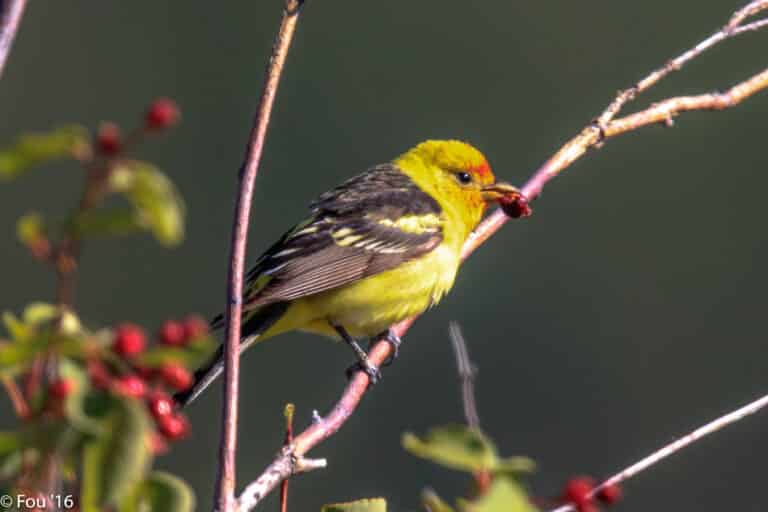
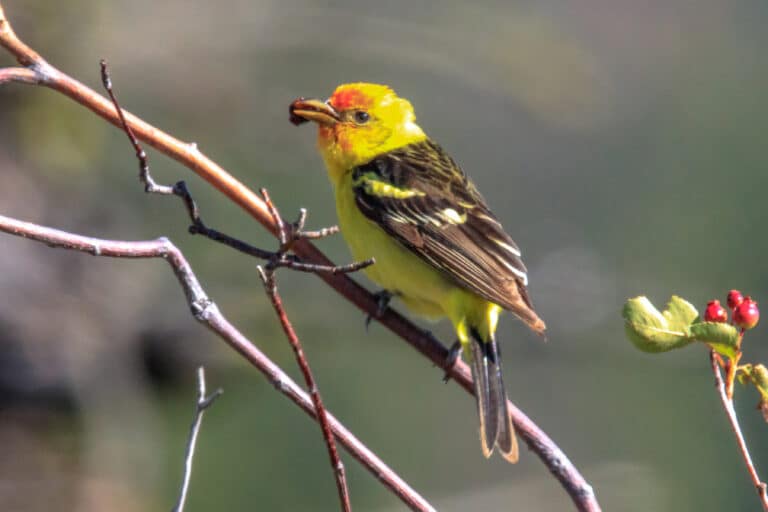
Western Tanagers love to sip nectar from flowers and munch on fruits, berries, and insects. This diet keeps them energized and ready to flit around their habitat.
These lively birds have a lifespan of around 5 to 6 years. They fill their homes with music, singing sweet tunes to communicate with others of their kind.
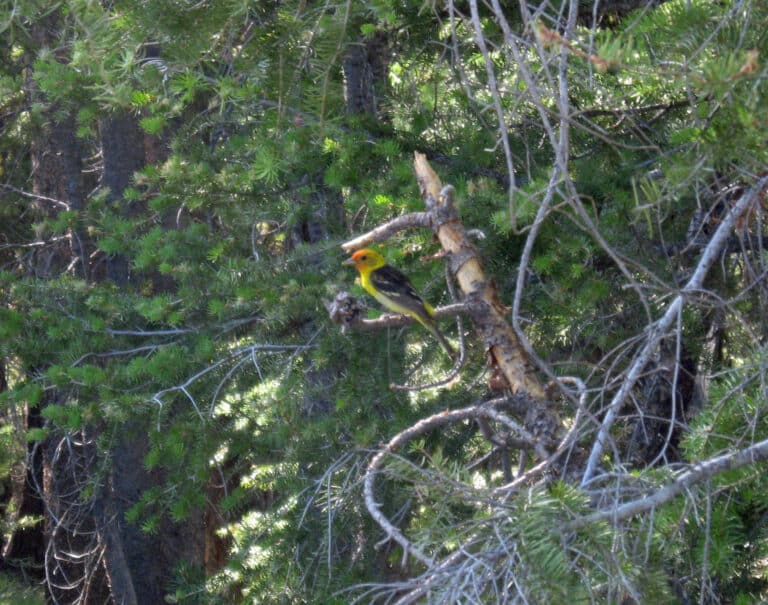
You can find Western Tanagers hopping about in Central America during the warmer months, turning heads with their dazzling colors. Their playful antics and eye-catching appearance make them a favorite among birdwatchers and nature lovers!
Next time you see a splash of yellow and red in the trees, take a moment to appreciate the beauty of the Western Tanager. With its bright feathers and lively spirit, it makes every forest feel like a celebration of nature!

Where can you find a Western Tanager in the wild?
What does a Western Tanager eat?
How big can a Western Tanager grow?
How long does a Western Tanager typically live?
What is the conservation status of the Western Tanager?
What are the main threats to the Western Tanager?
Fun facts
A Western Tanager can sing up to 20 different songs! This vocal variety keeps their communication lively and engaging, especially during mating season.


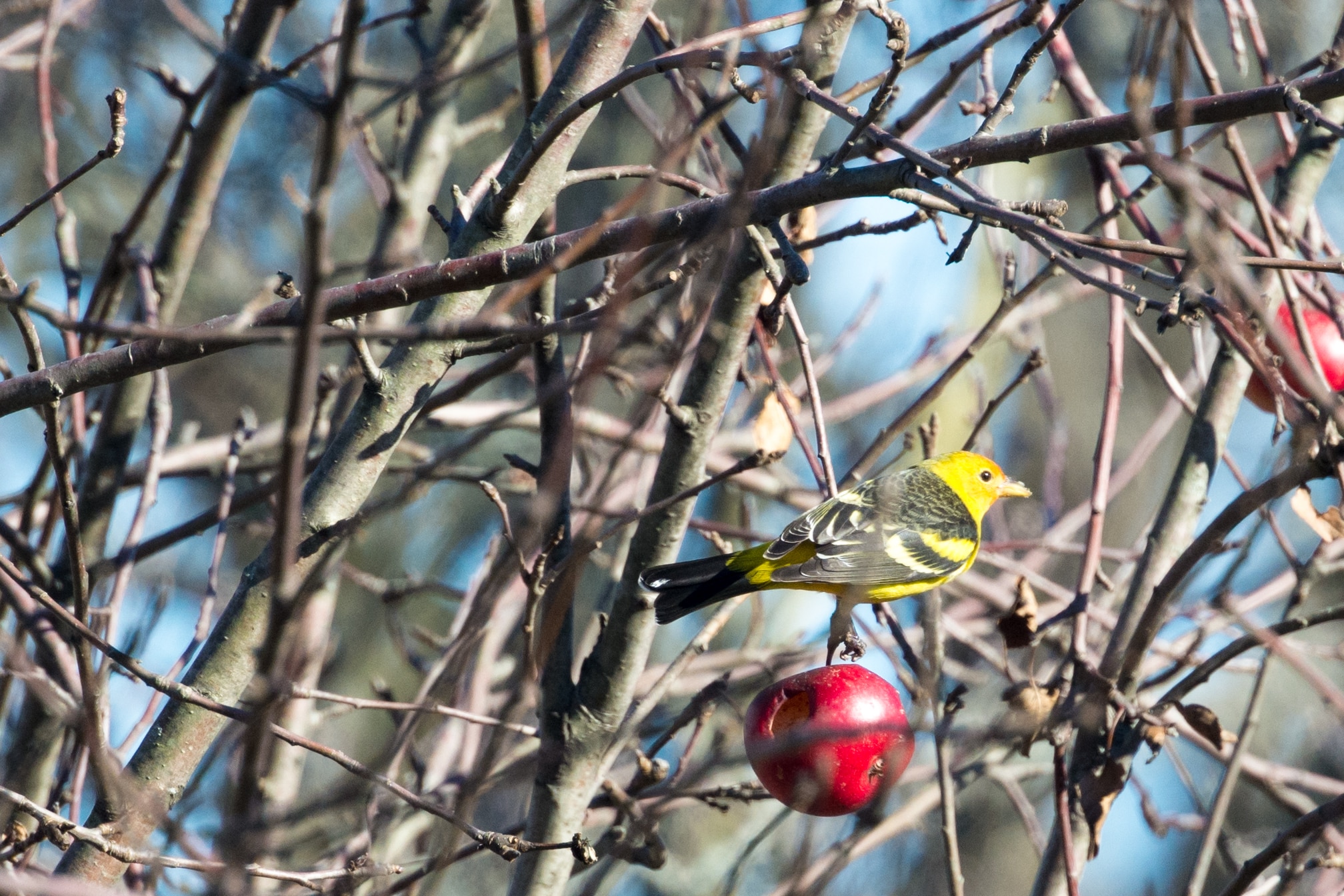
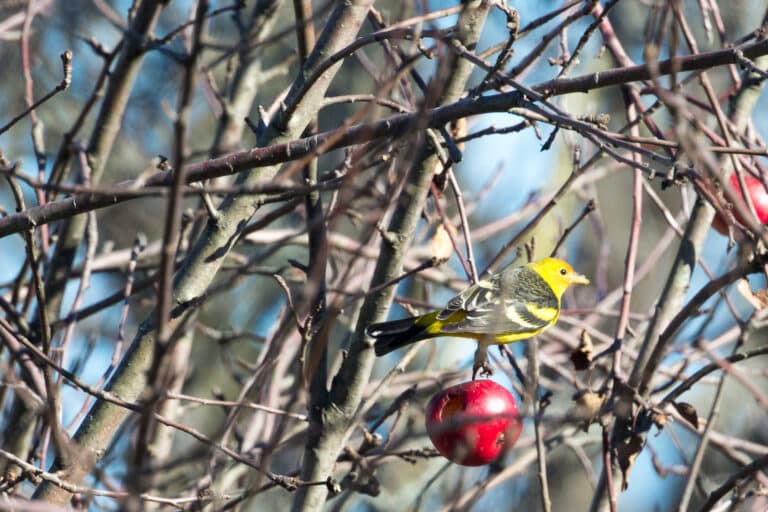
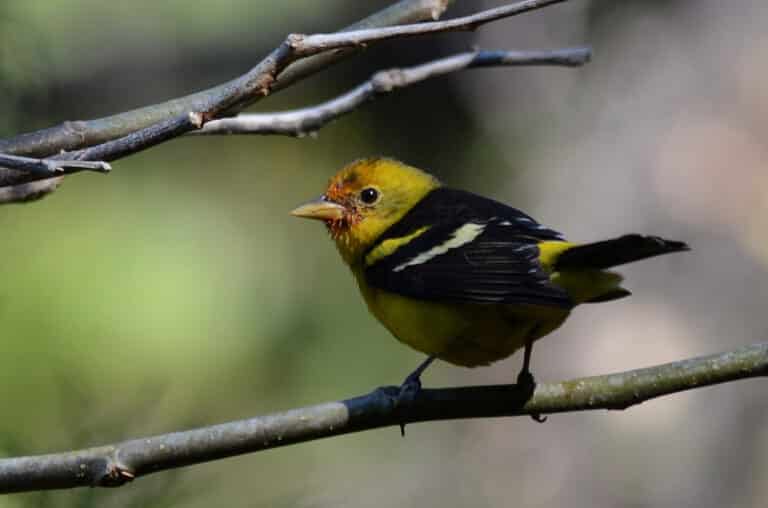
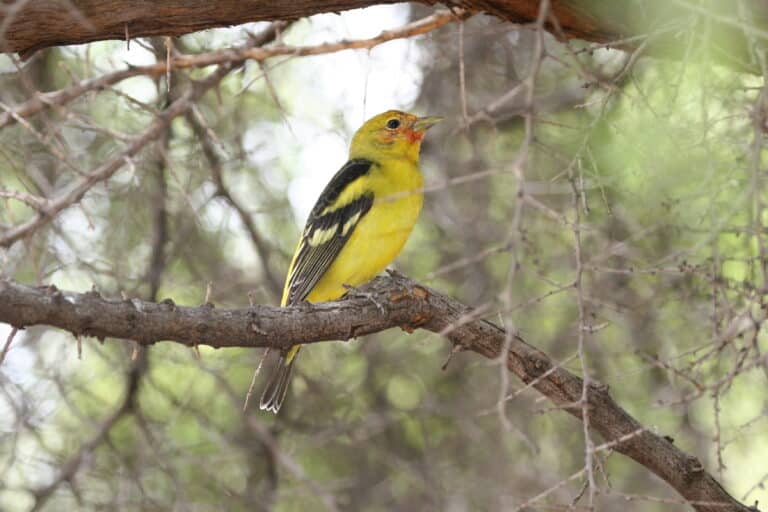
These birds undergo a stunning transformation after their first year. Juvenile Western Tanagers sport a more muted, brownish color, but they grow into vibrant yellow and red adults!
Western Tanagers are known to travel far during migration. They can fly over 3,200 kilometers (2,000 miles) from their breeding grounds in North America to winter in Central America!
Male Western Tanagers can be a bit flashy during courtship, performing energetic aerial displays to attract potential mates. They spin and glide to show off their vibrant feathers.
While most birds prefer seeds and insects, Western Tanagers sometimes sip nectar from flowers. Their love for sweet treats makes them important pollinators in their habitats!
These colorful birds often forage in mixed-species flocks with other songbirds. Their social nature helps them find food and stay safe from predators.
Western Tanagers have excellent vision that helps them spot ripe fruits and insects. They can see a wide range of colors, which is crucial for their diet!
These playful birds build their nests in trees, often near the ends of branches. Their cozy homes are expertly woven from twigs, grasses, and even bits of animal hair!
Western Tanagers can sometimes be quite bold, visiting backyard feeders to snack on seeds and fruits. They love to explore new food sources, making them fun visitors to watch!
Due to their bright plumage, Western Tanagers play a role in cultural stories and art. Many indigenous people celebrate their beauty in myths and paintings, showcasing their importance beyond nature!
Photos



The Basics


explore more
Amphibians
Arachnids
Birds
Cats
Crustaceans
Fish
Fish Pet Guide
Gastropods
Insects
Invertebrates
Mammals
Pet Fish
Pet Rodents
Plants
Reptiles
Roundworms
Sea Slugs