Successfully copied to clipboard!
Wolf
Join the pack and discover the thrilling life of a predator!
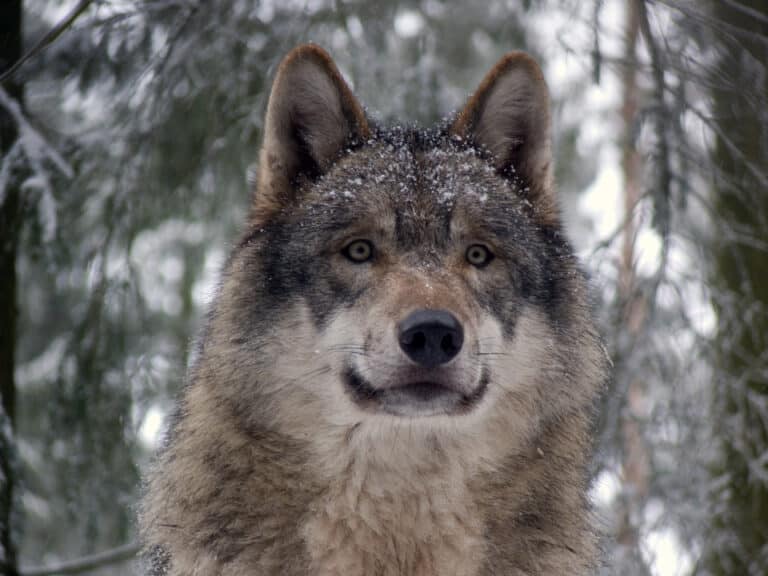
Let’s Explore
Overview
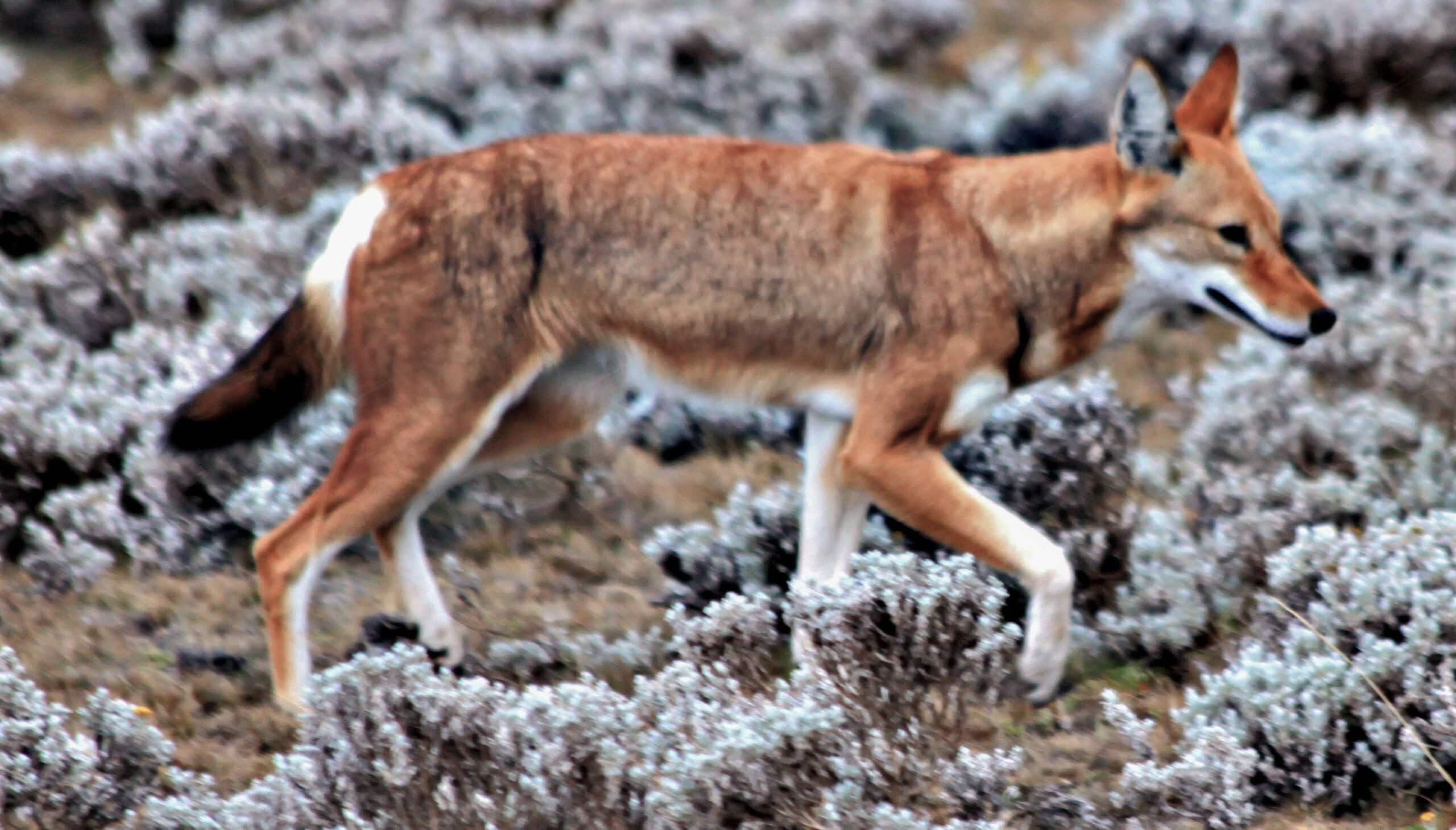
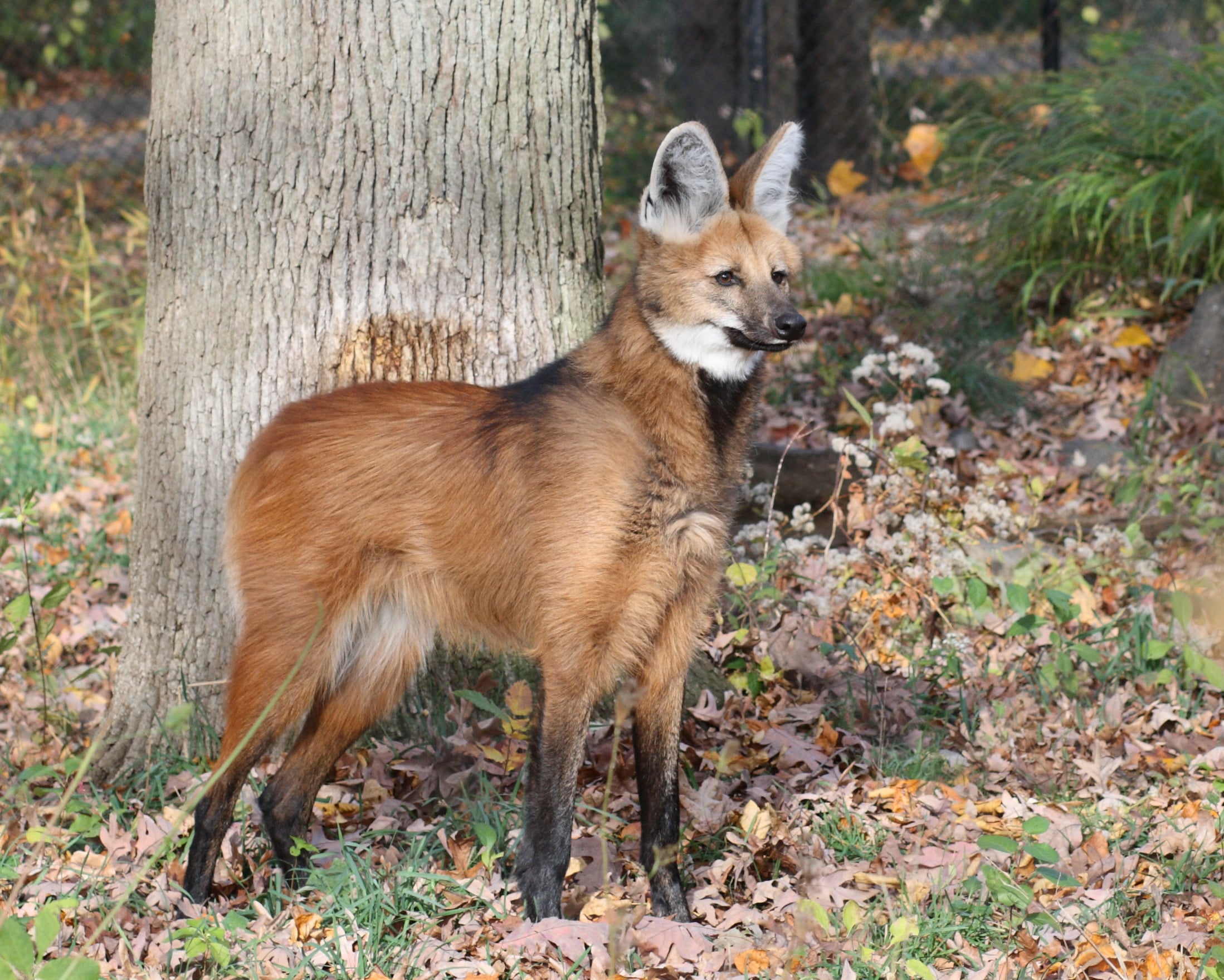
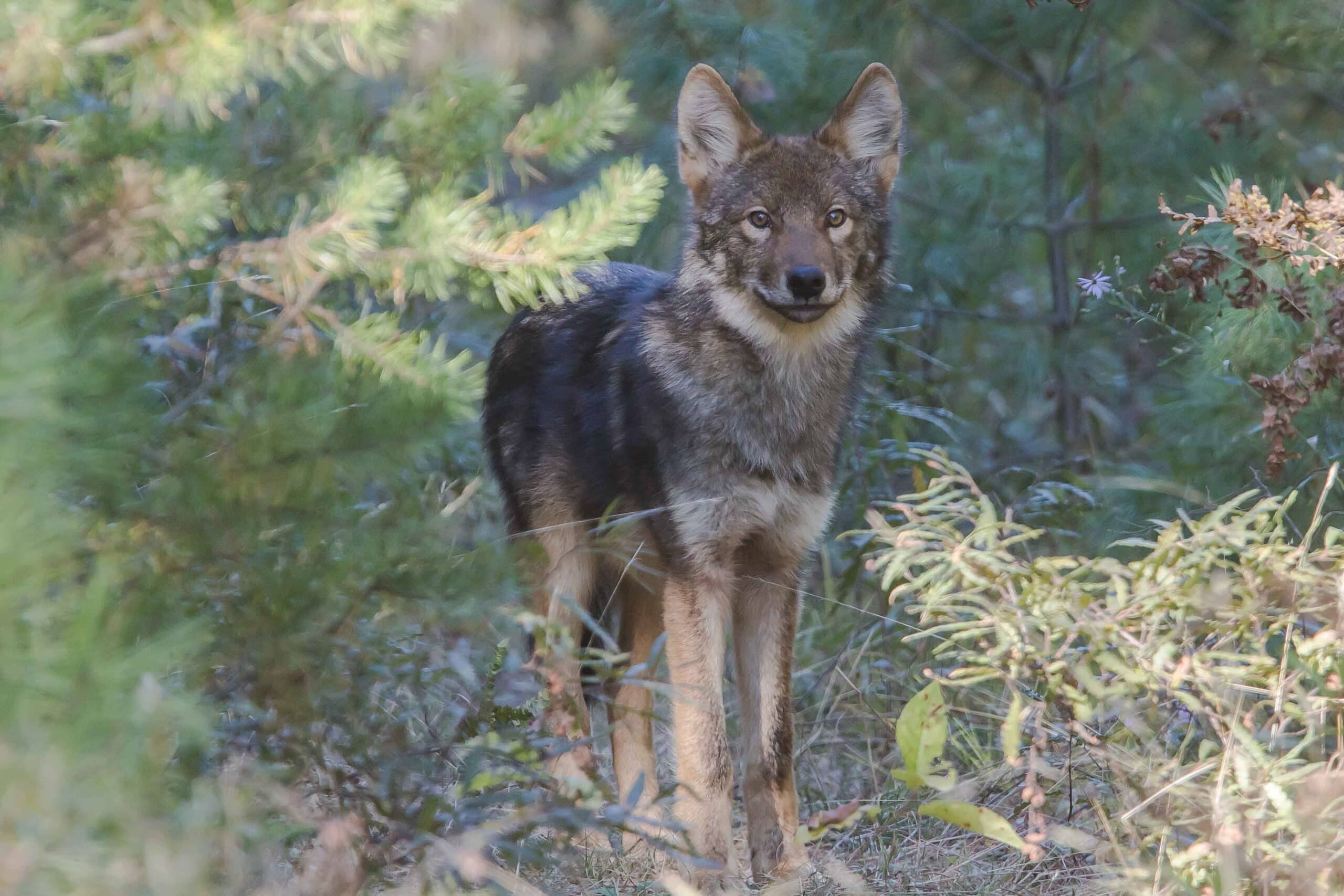
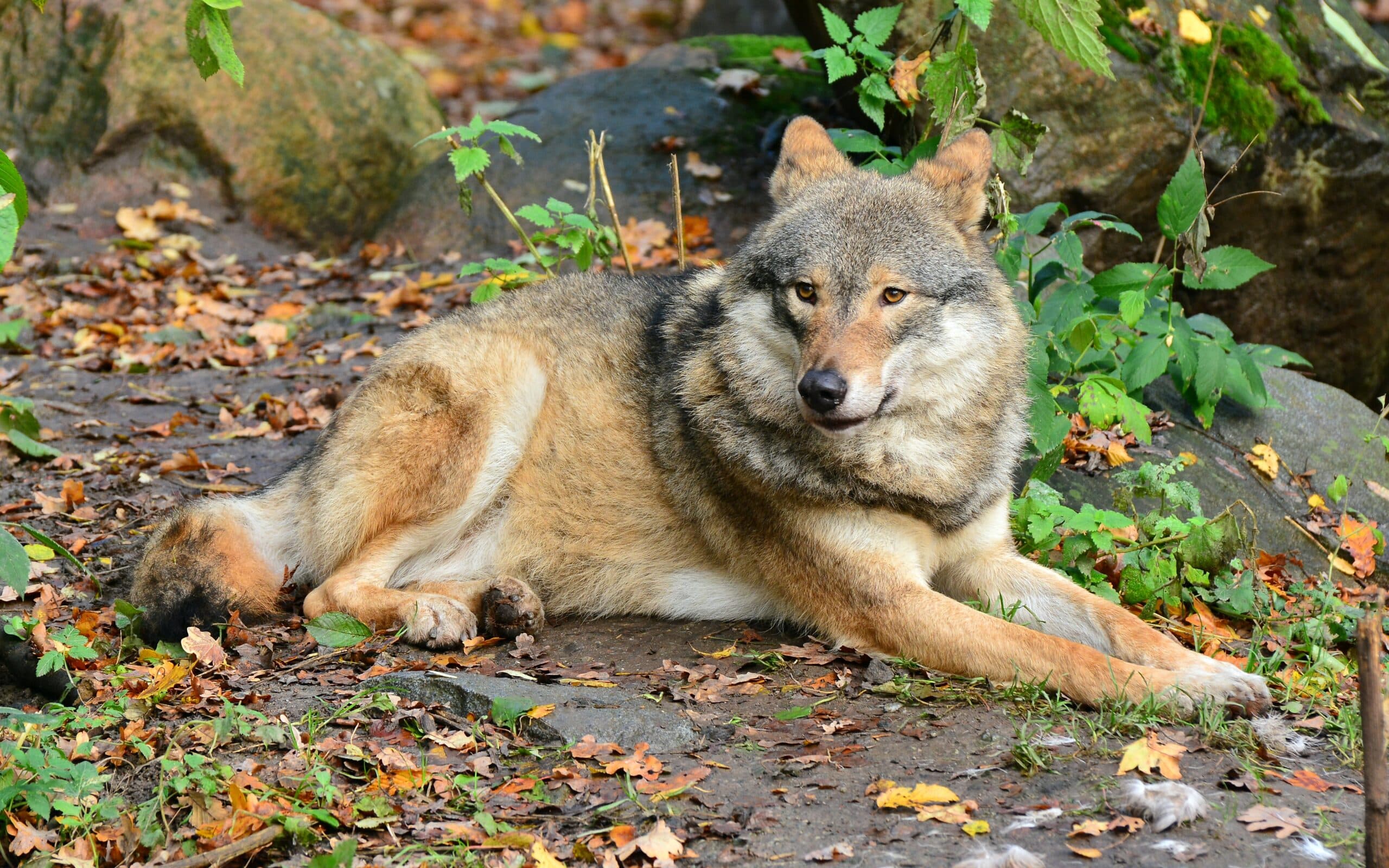
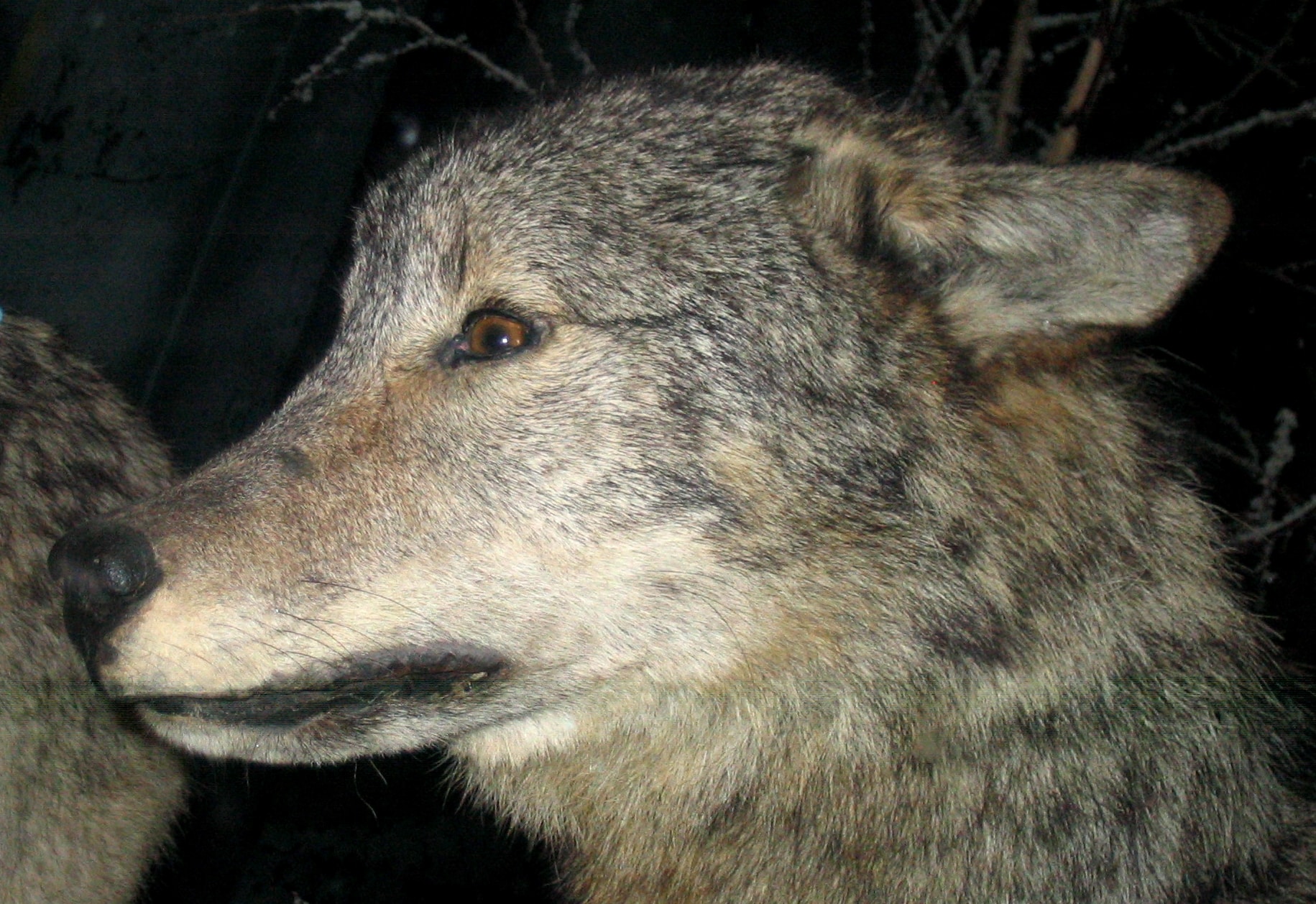
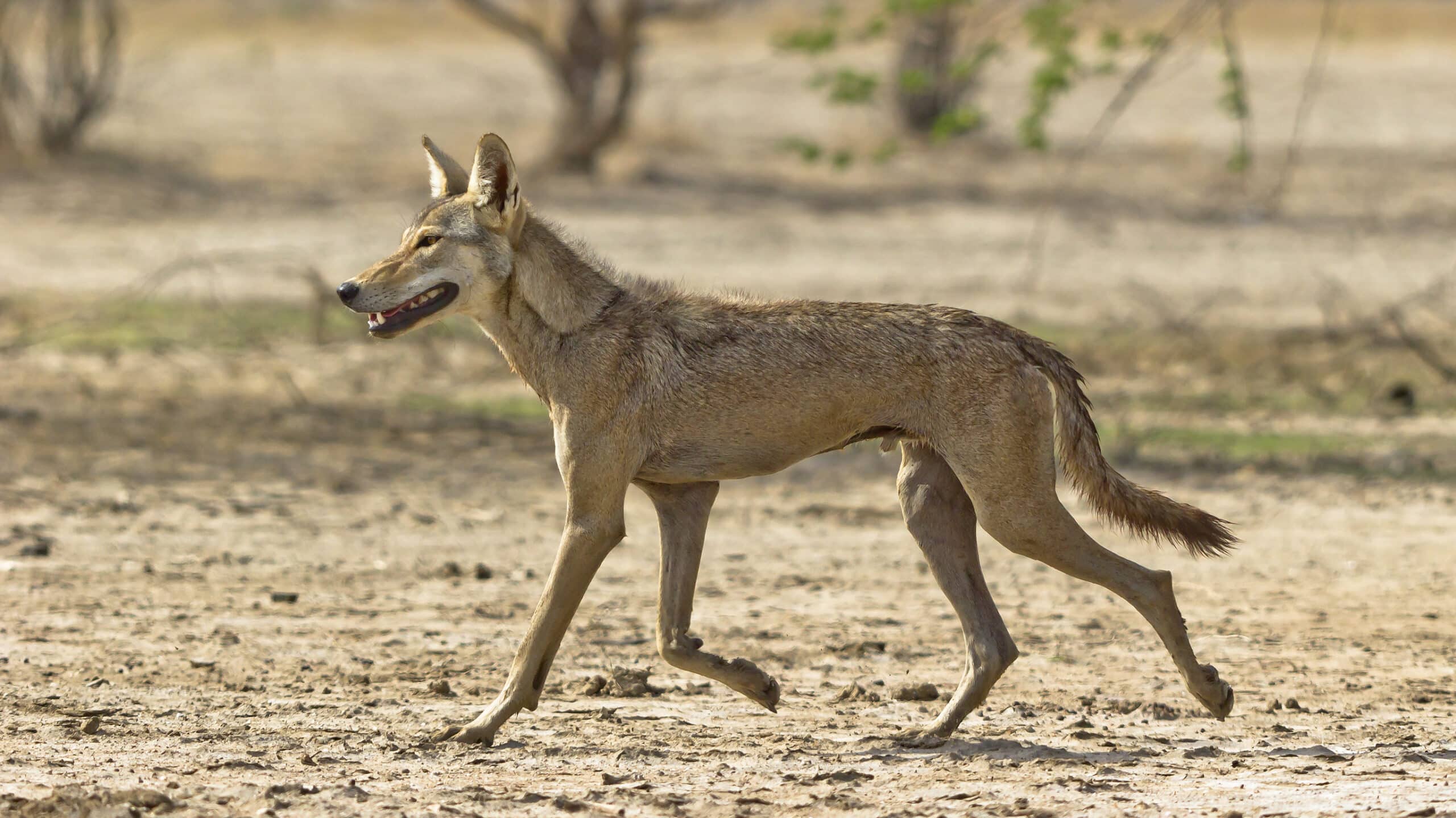
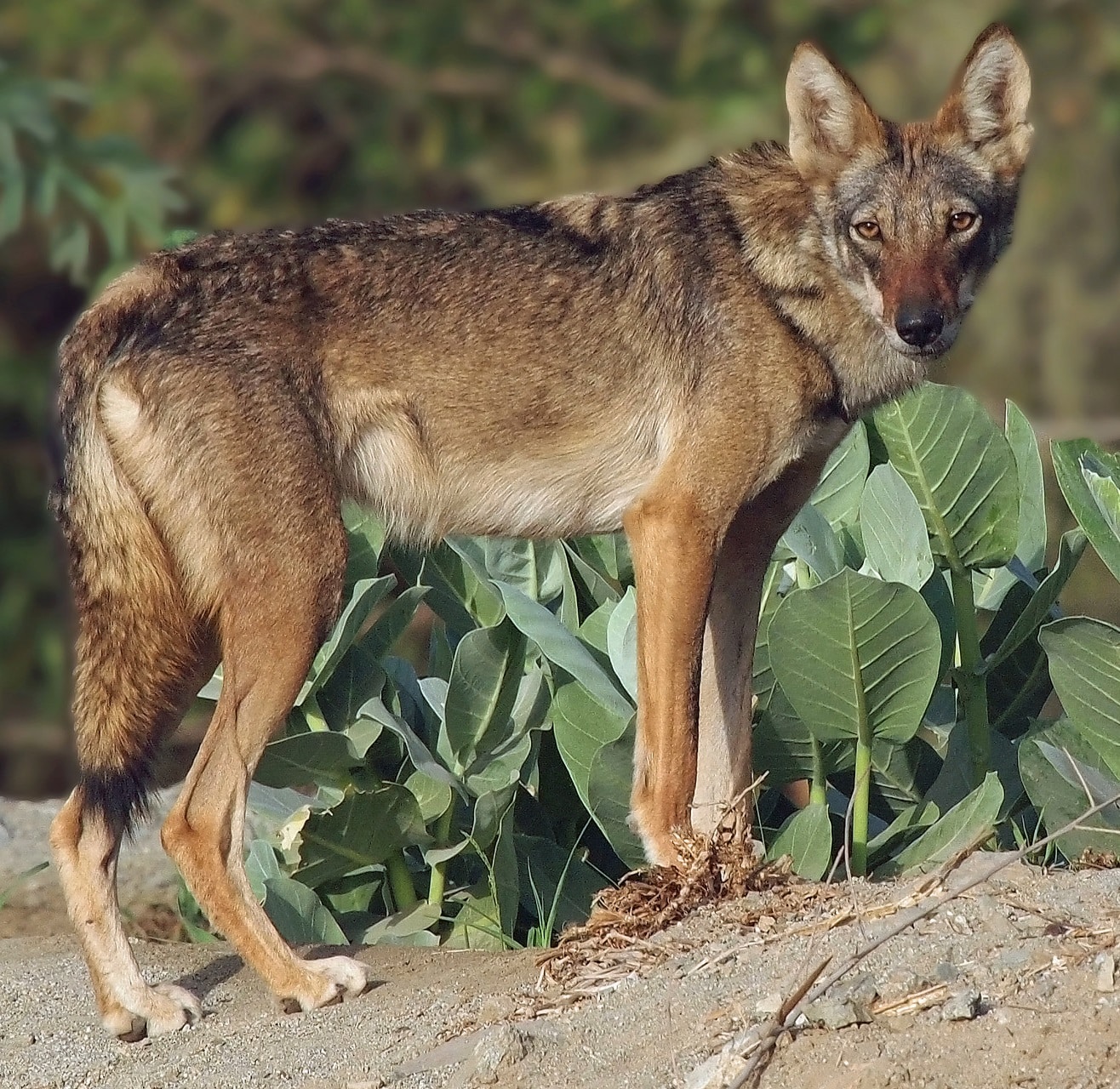
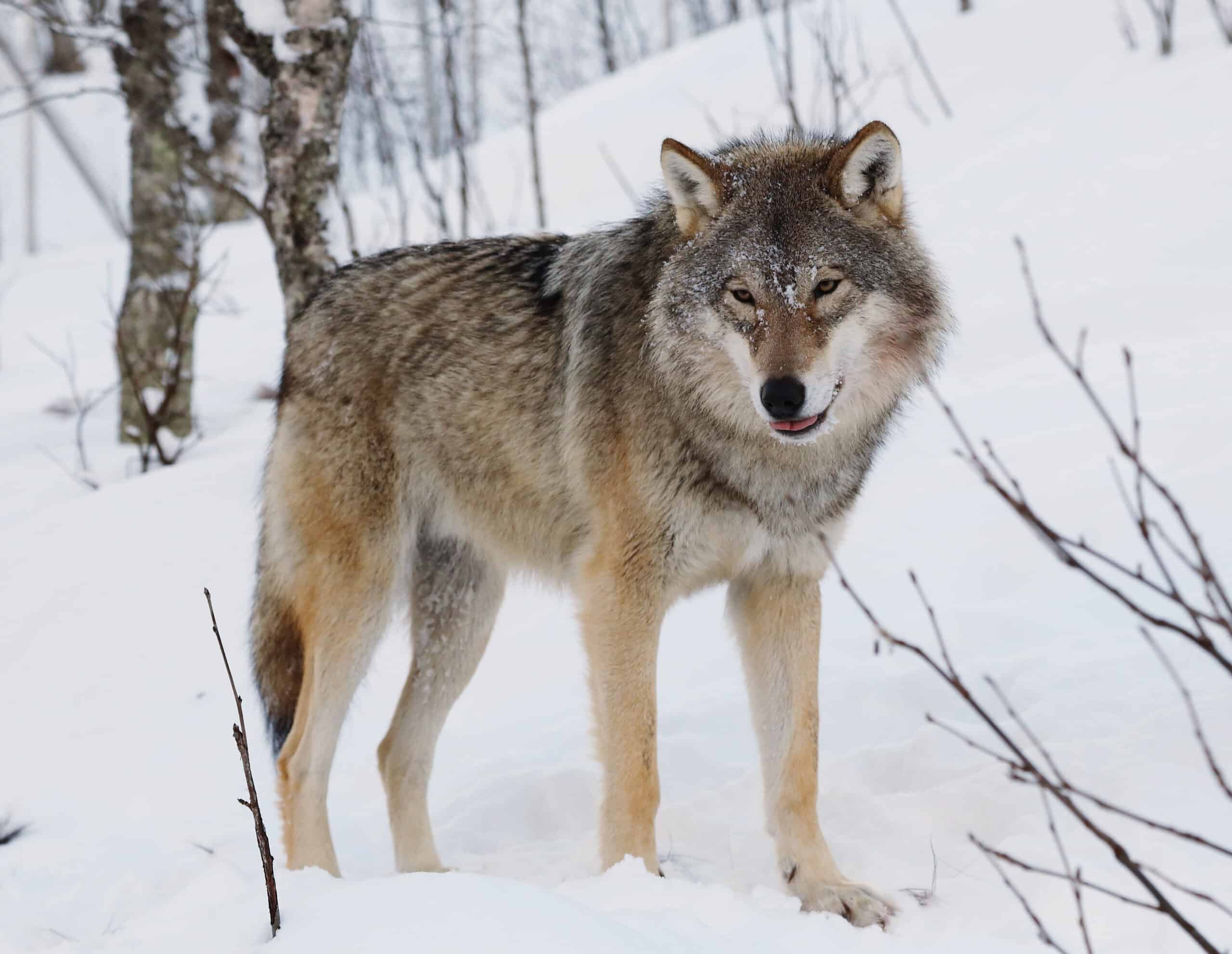
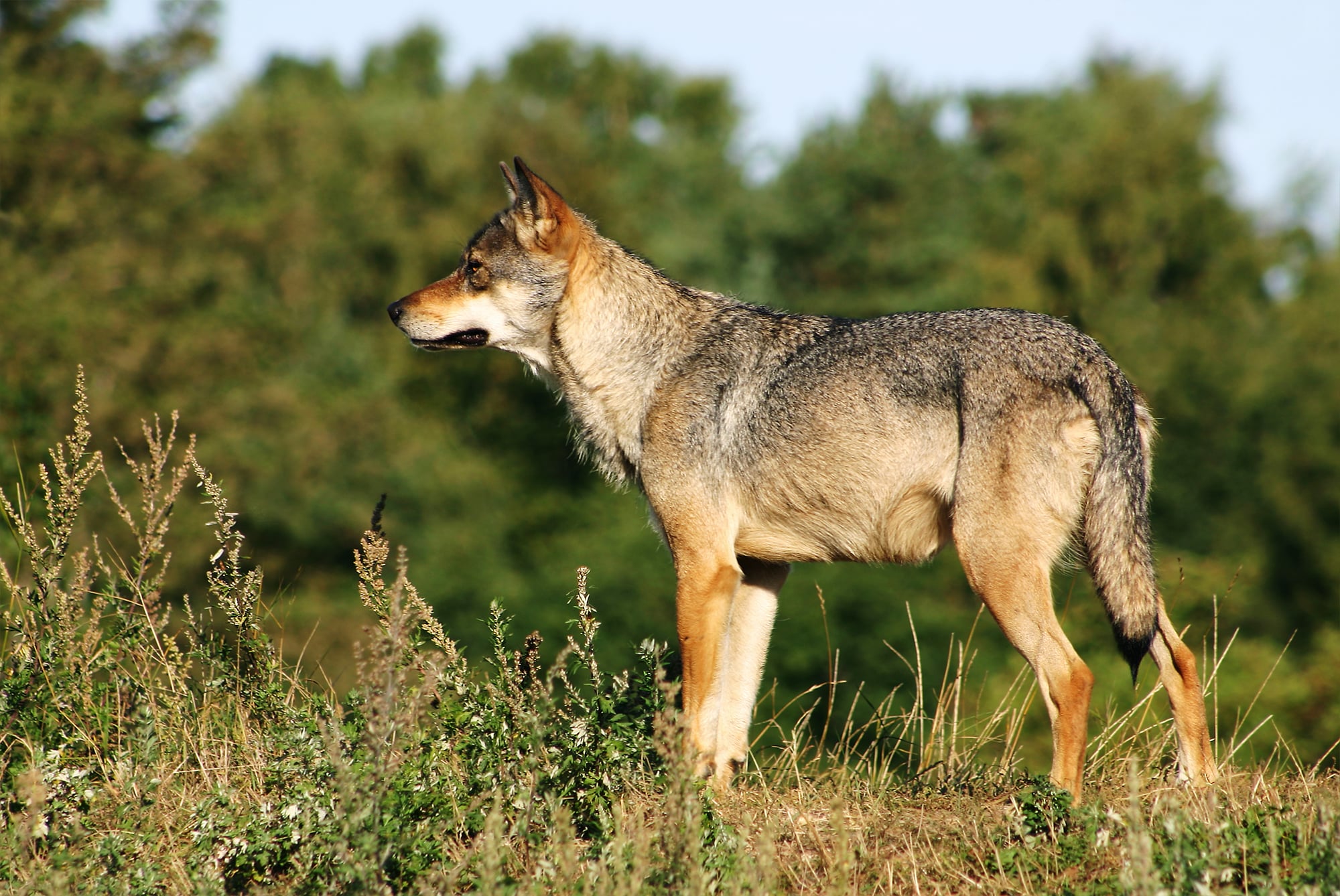
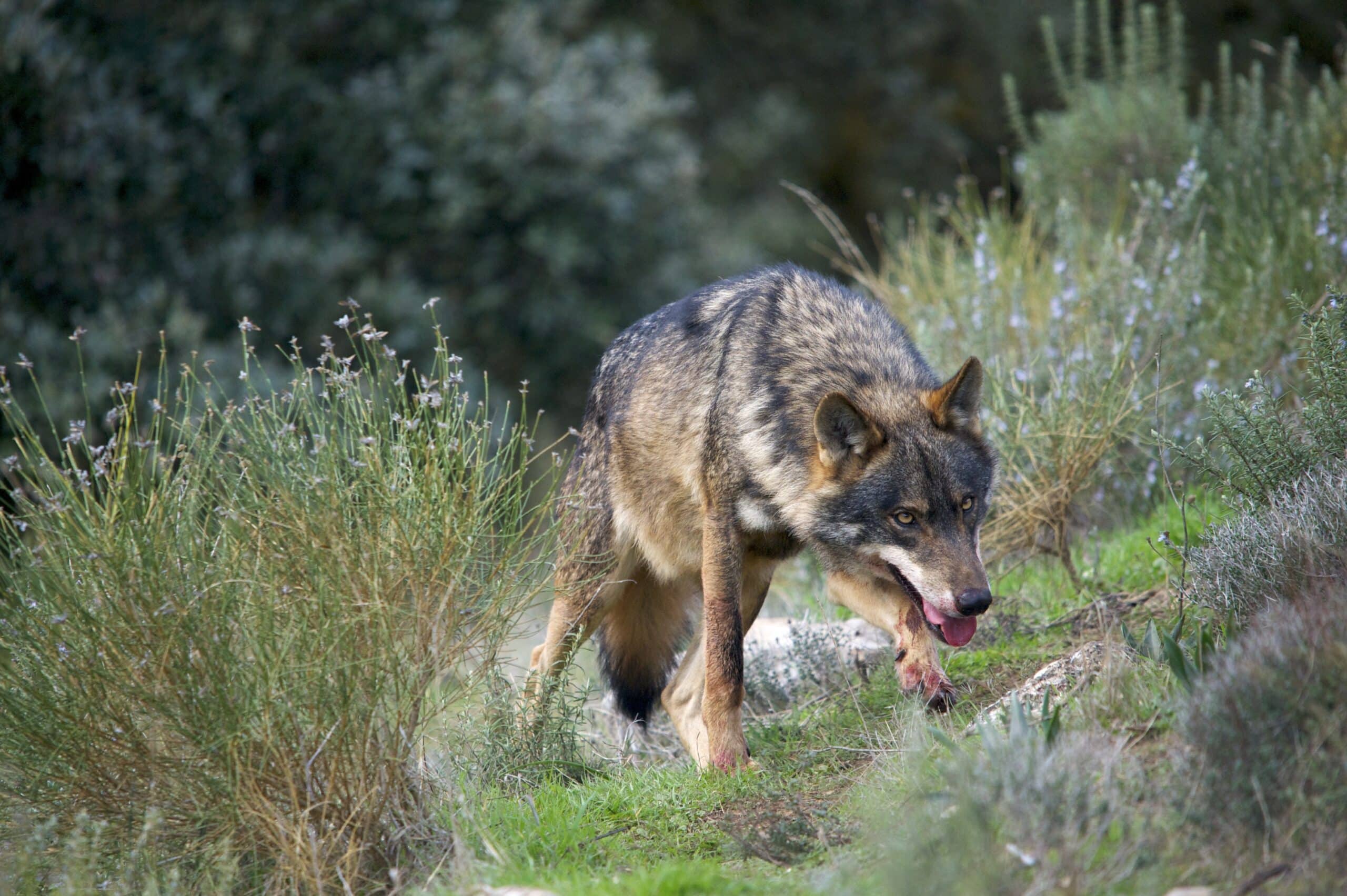
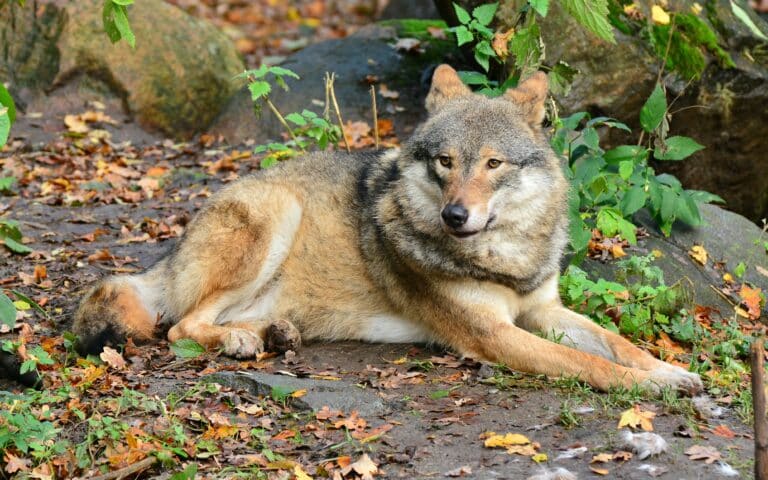
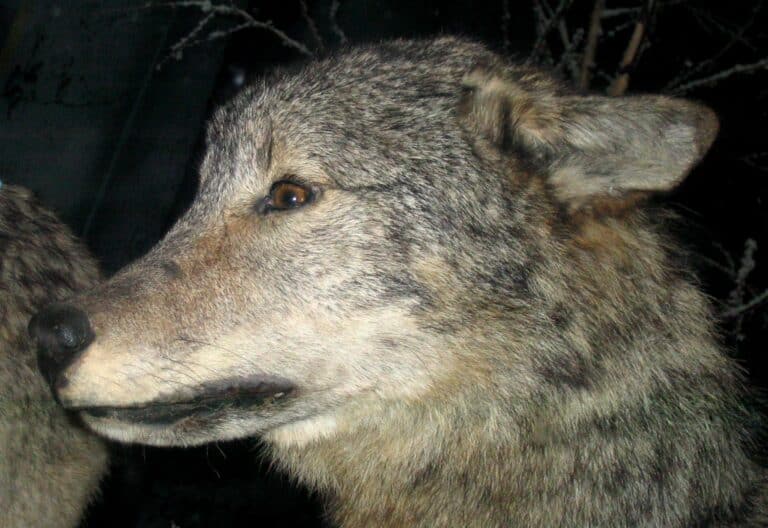
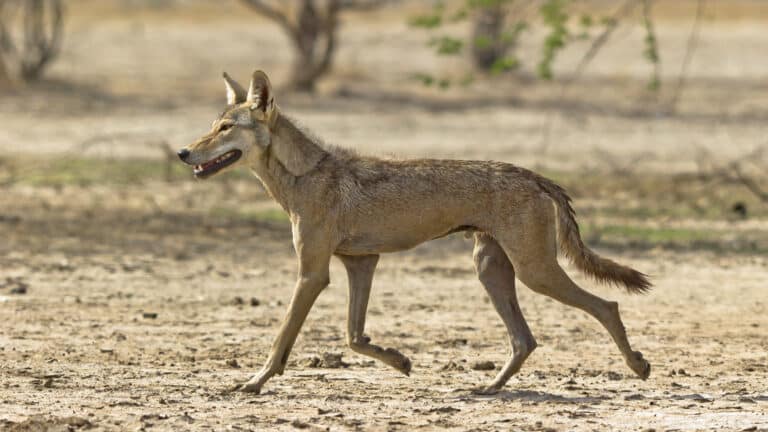
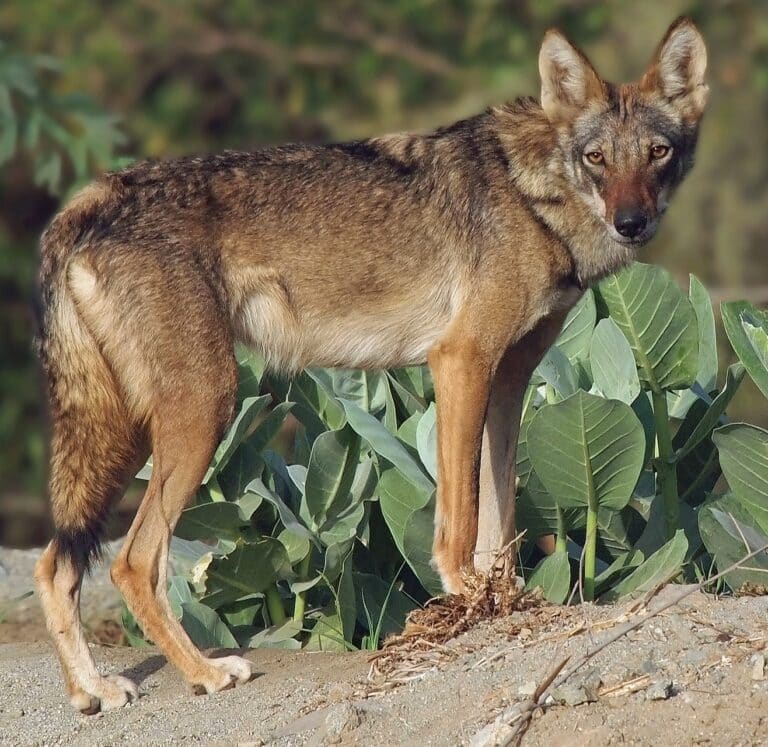
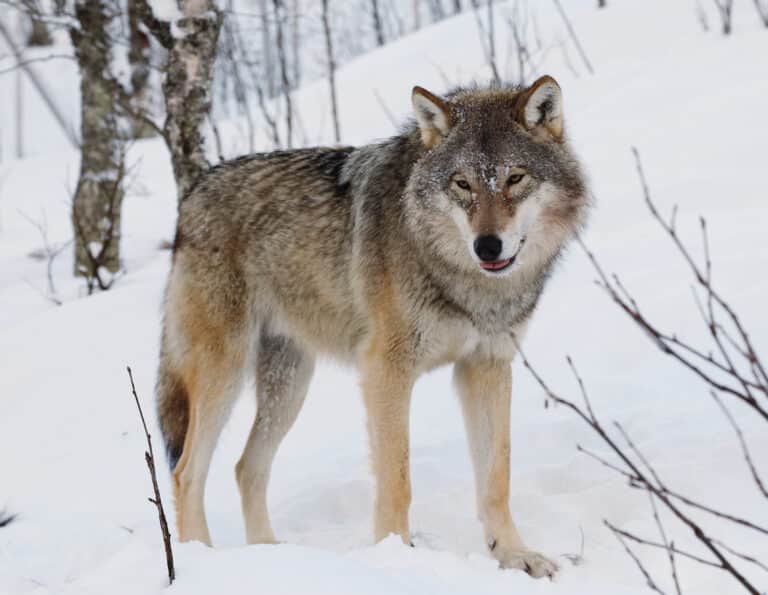
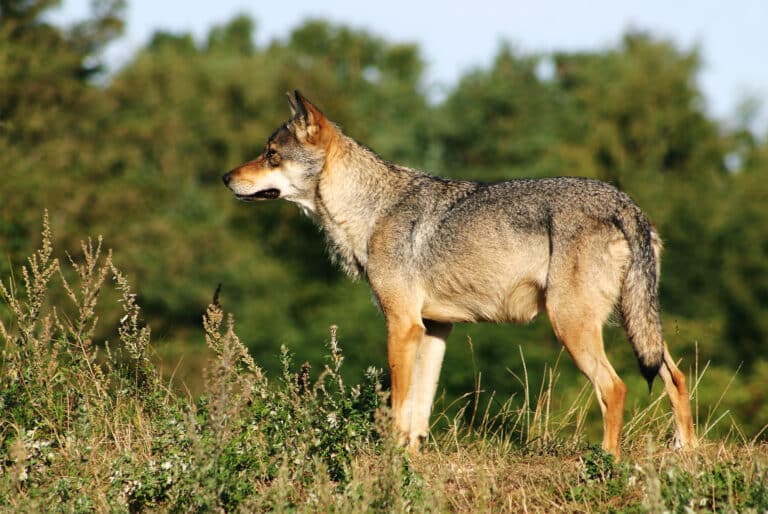
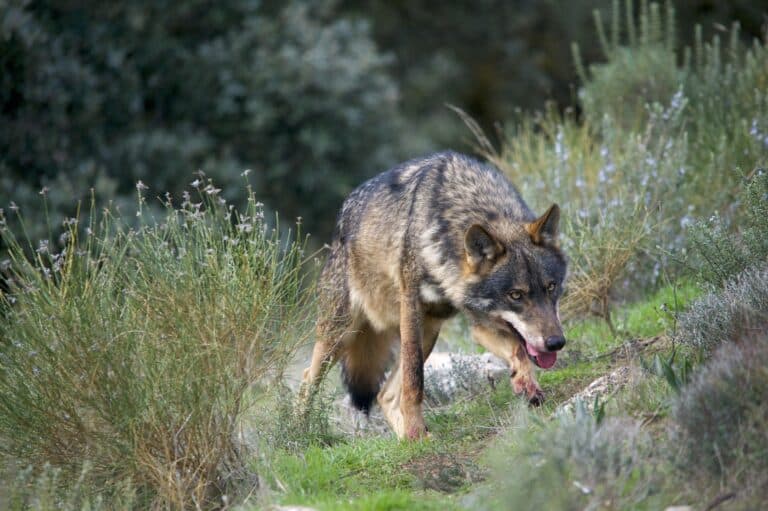
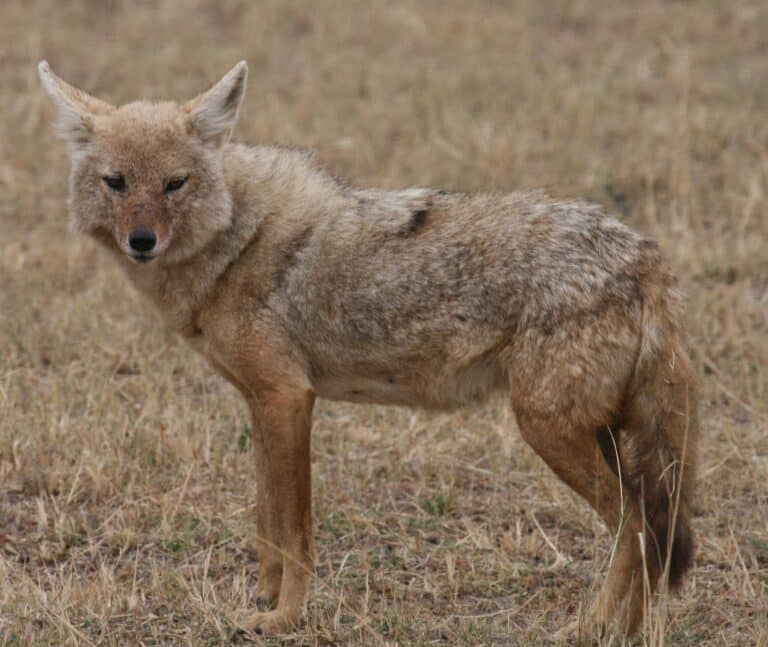
The wolf is a magnificent creature that roams the wilds of Africa. These animals belong to the Canidae family and are part of the order Carnivora, which means they primarily dine on meat.
Wolves can grow quite long, measuring between 1.2 to 2 meters (4 to 6.5 feet). This length makes them some of the largest members of the dog family, and when they howl under the moonlight, their call can reach up to 8 kilometers (5 miles) away!
These clever hunters enjoy a varied diet. Their meals often include deer, elk, and rabbits, showcasing their skill in chasing down fast prey. Teamwork makes the dream work, as wolves hunt in packs to take down larger animals.
Wolves typically live for about 6 to 8 years in the wild, although some may live longer in protected areas. They communicate using howls, growls, and body language to show their pack solidarity.
This fantastic mammal plays a key role in its ecosystem, helping to manage animal populations and keep nature balanced. Its social structure and hunting strategies are as intriguing as their striking appearance.
So, the next time you hear a howl in the night, remember that it might just be a wolf showing off its voice! Wolves are not only fascinating animals but also important inhabitants of their habitats.

Where can you find a Wolf in the wild?
What does a Wolf eat?
How big can a Wolf grow?
How long does a Wolf typically live?
What is the conservation status of the Wolf?
What are the main threats to the Wolf?
Fun facts
A wolf pack can be like a big family. Each wolf has its own role, from the leader who guides the pack to the babysitters who watch the pups while everyone else hunts.


Wolves have a fancy way of communicating. They howl to announce their presence, warn others, and even bring their pack together, making their voices echo through the wild.
Wolves can leap over obstacles that are up to 2 meters (6.5 feet) high in one bound, showcasing their powerful legs and incredible agility.
These amazing creatures have a keen sense of smell, which is about 100 times better than a human's. They can sniff out prey several kilometers away, making them expert trackers.
Wolves love to play! Young wolves engage in playful activities like chasing and wrestling, which helps them practice their hunting skills and strengthen bonds with each other.
A lone wolf can roam over 1,500 kilometers (932 miles) in search of new territory or a mate, highlighting their adventurous spirit and relentless nature.
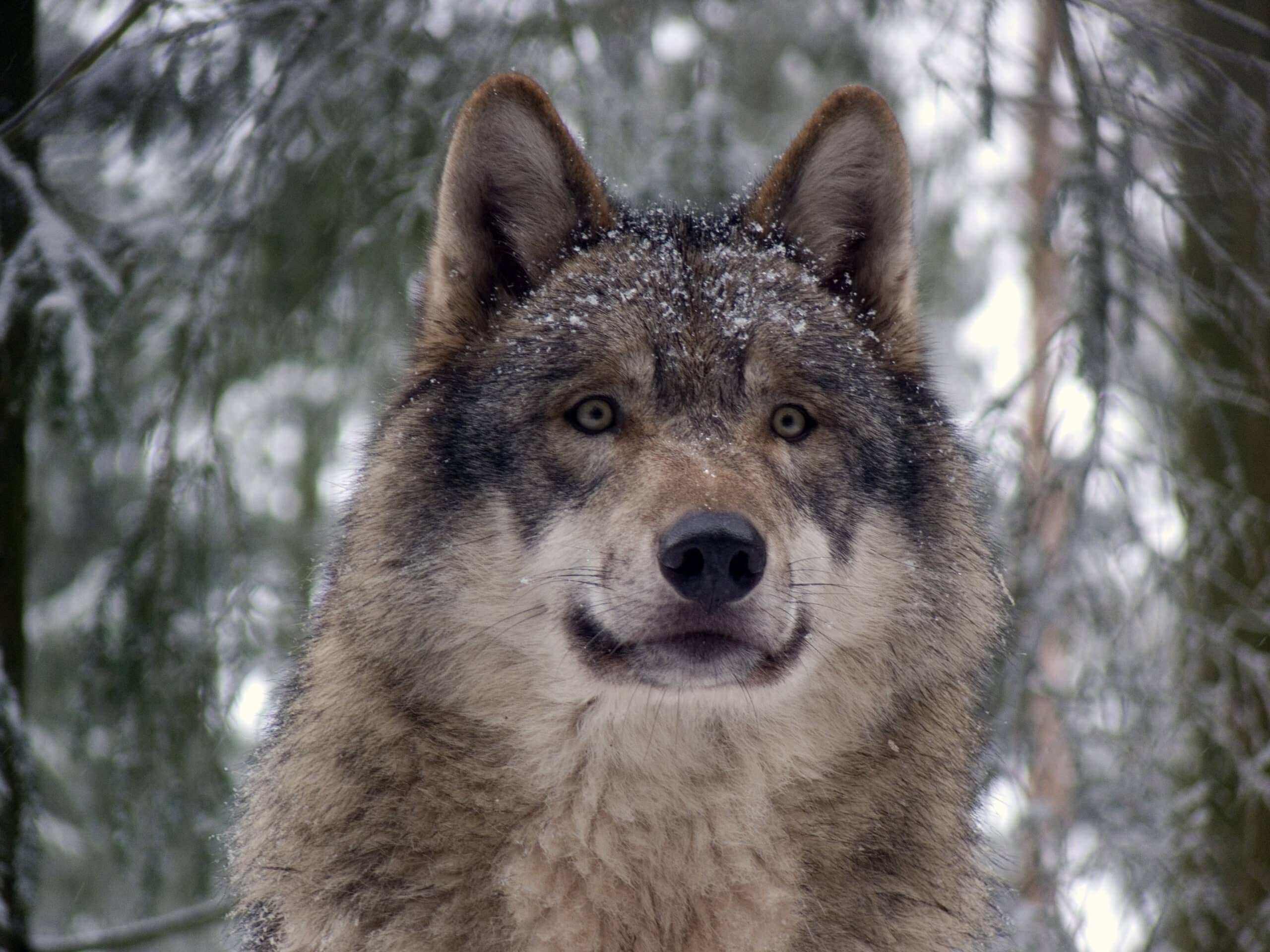
Wolves have thick fur to keep them warm in cold climates. Some species have fur that can be up to 10 centimeters (4 inches) long, providing excellent insulation against freezing temperatures.
During winter, wolves work together to hunt, using their teamwork to take down larger prey. This group effort can make a meal much easier to snatch than hunting alone!
Wolves can run at speeds up to 65 kilometers per hour (40 miles per hour) for short distances, making them incredibly fast runners when chasing prey.
When wolves meet each other, they often greet with a friendly nuzzle or a play bow, showing they are happy to see one another and keeping their pack close-knit.
Photos
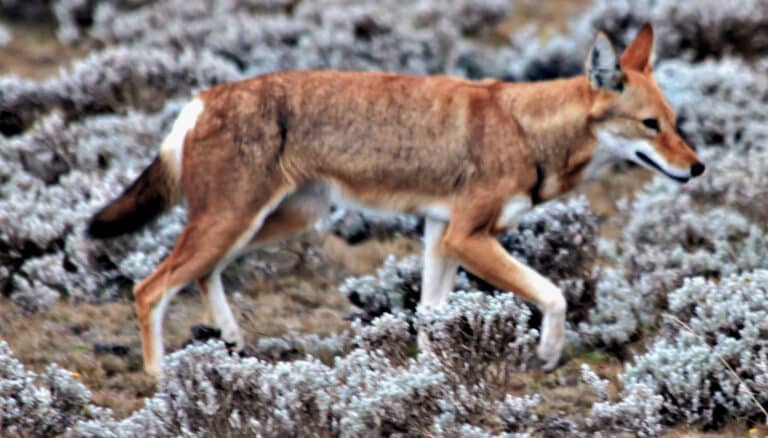

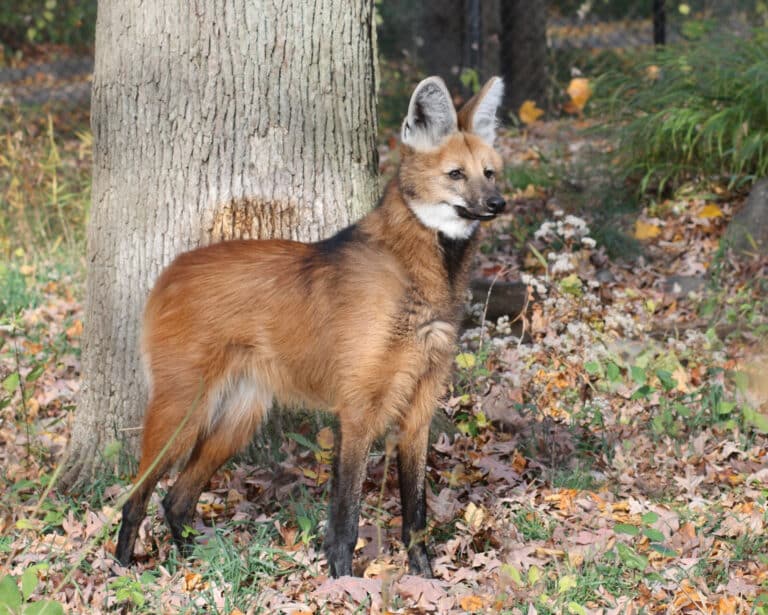
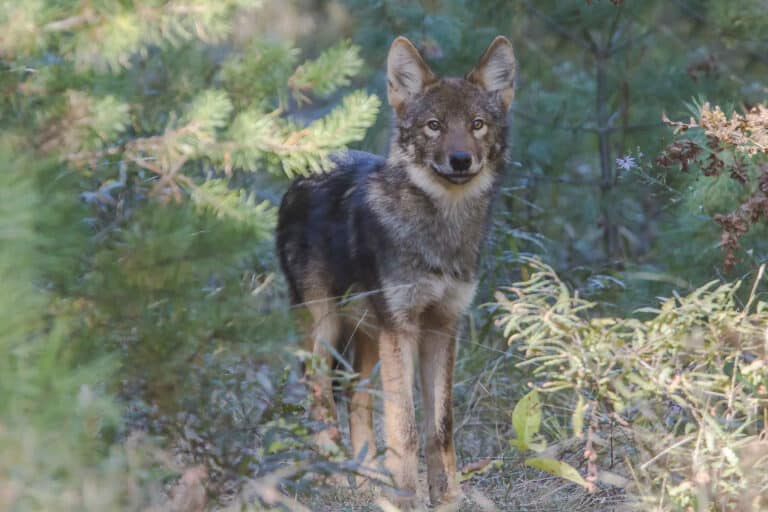
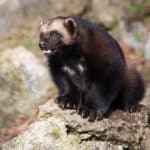
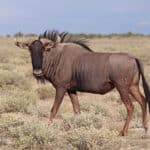
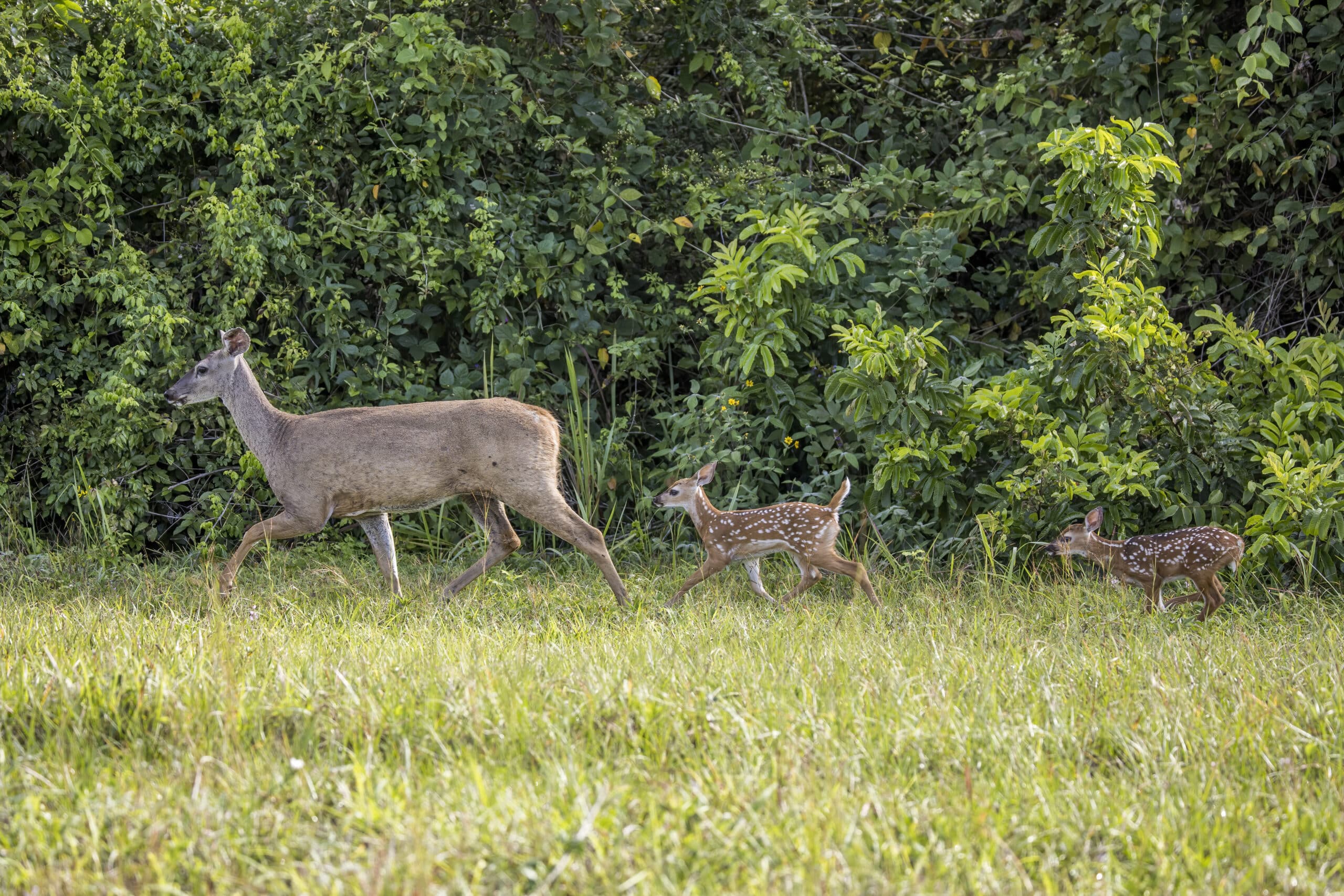

The Basics


explore more
Amphibians
Arachnids
Birds
Cats
Crustaceans
Fish
Fish Pet Guide
Gastropods
Insects
Invertebrates
Mammals
Pet Fish
Pet Rodents
Plants
Reptiles
Roundworms
Sea Slugs