Successfully copied to clipboard!
Xeme (Sabine’s Gull)
Soar with the playful, graceful birds of the sea!
Let’s Explore
Overview
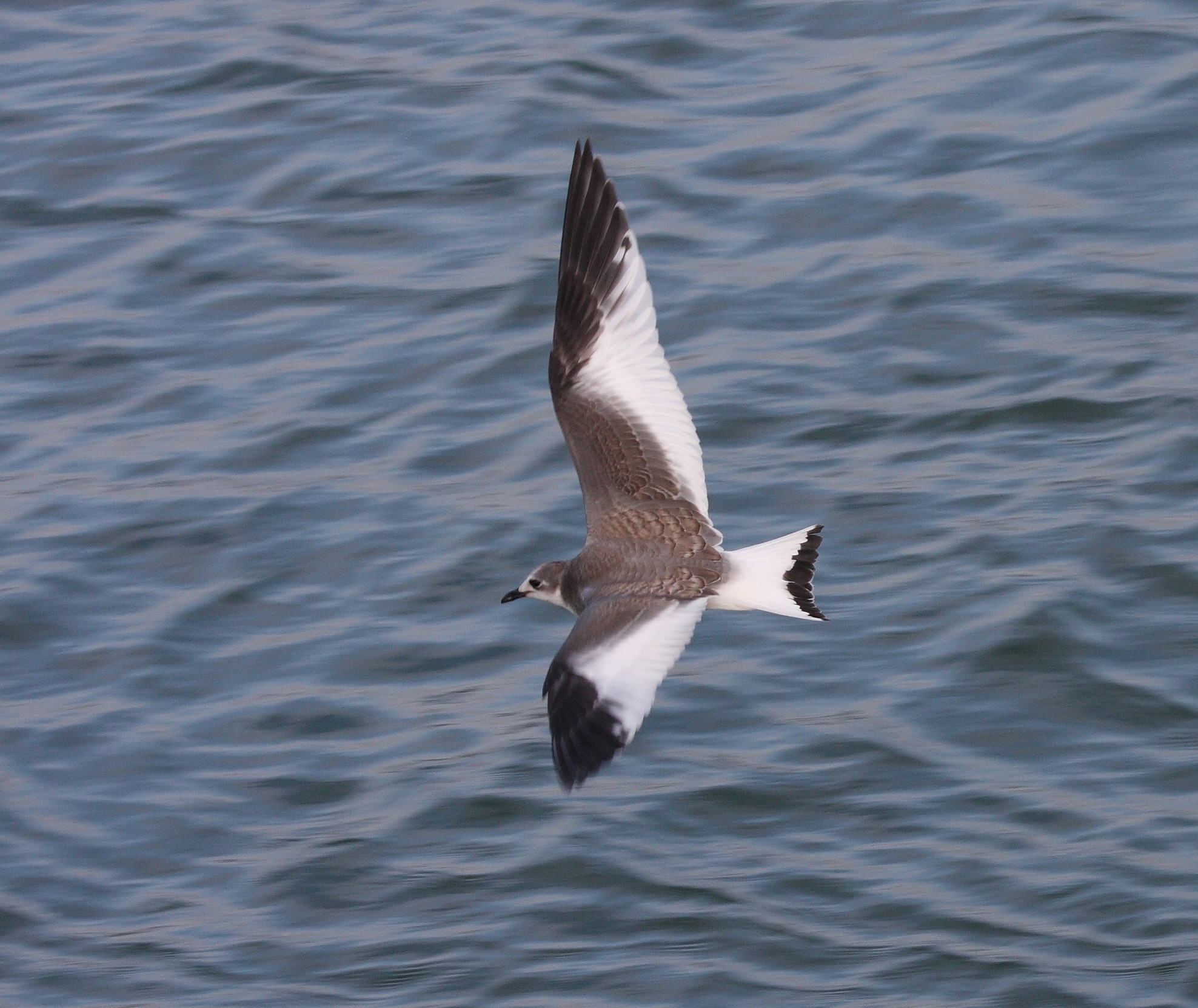
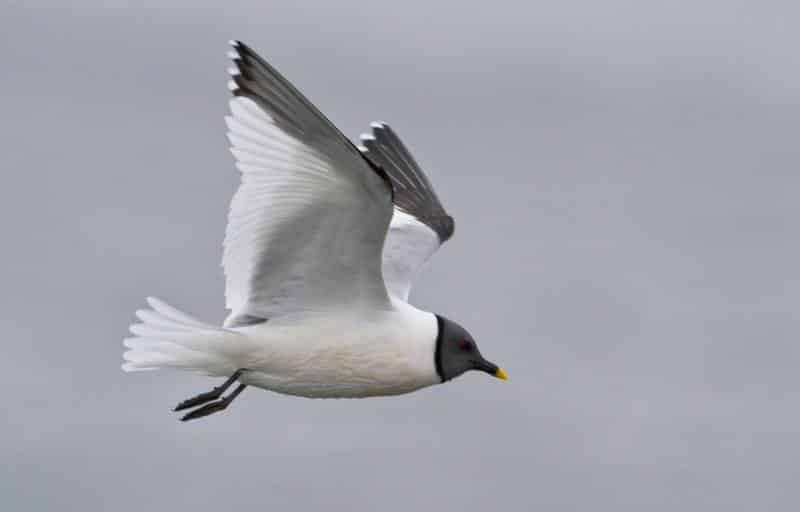
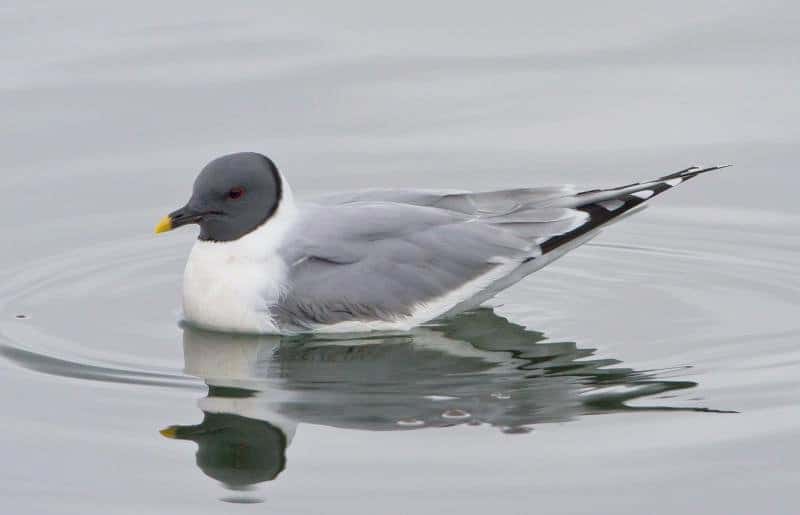
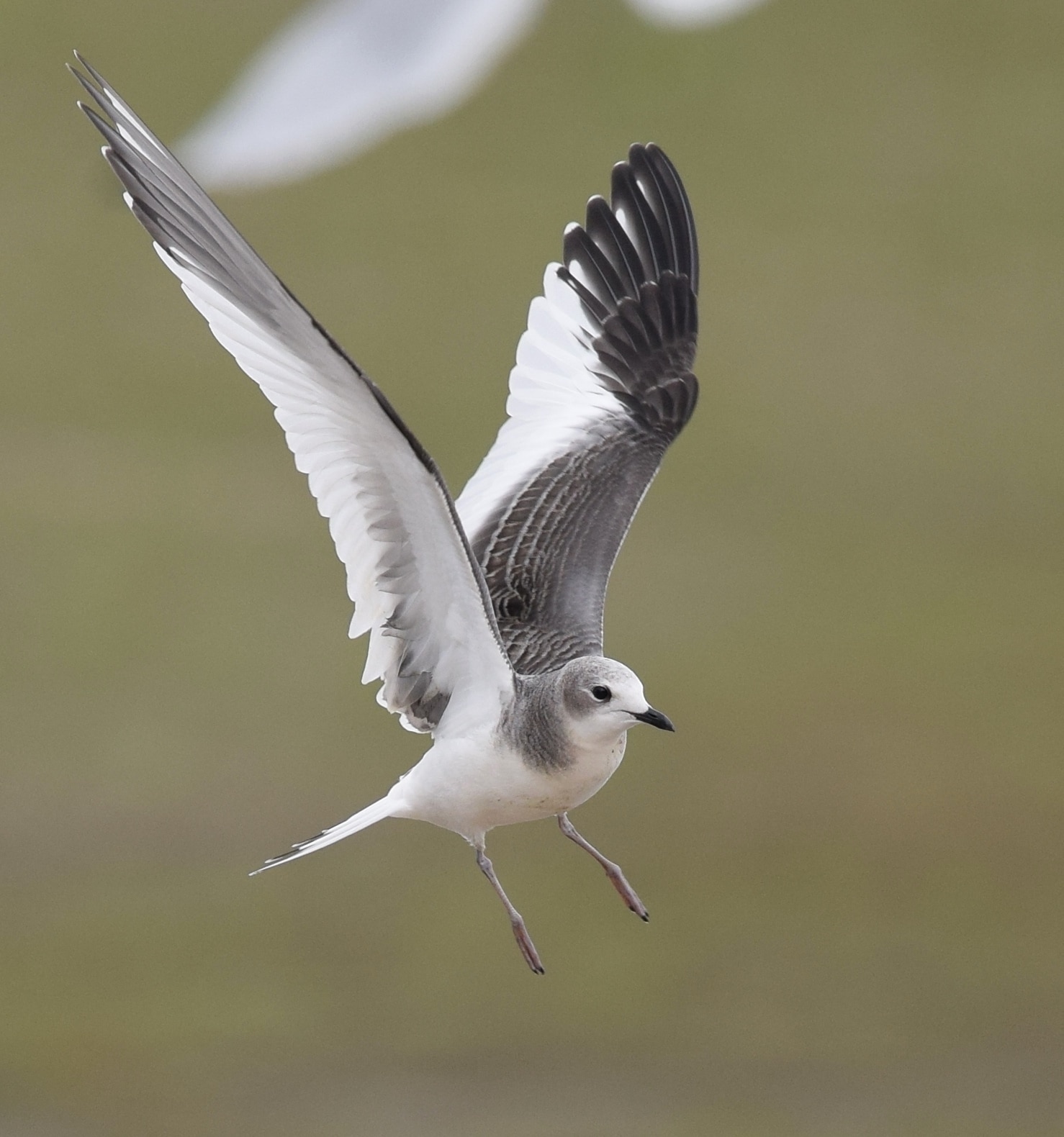
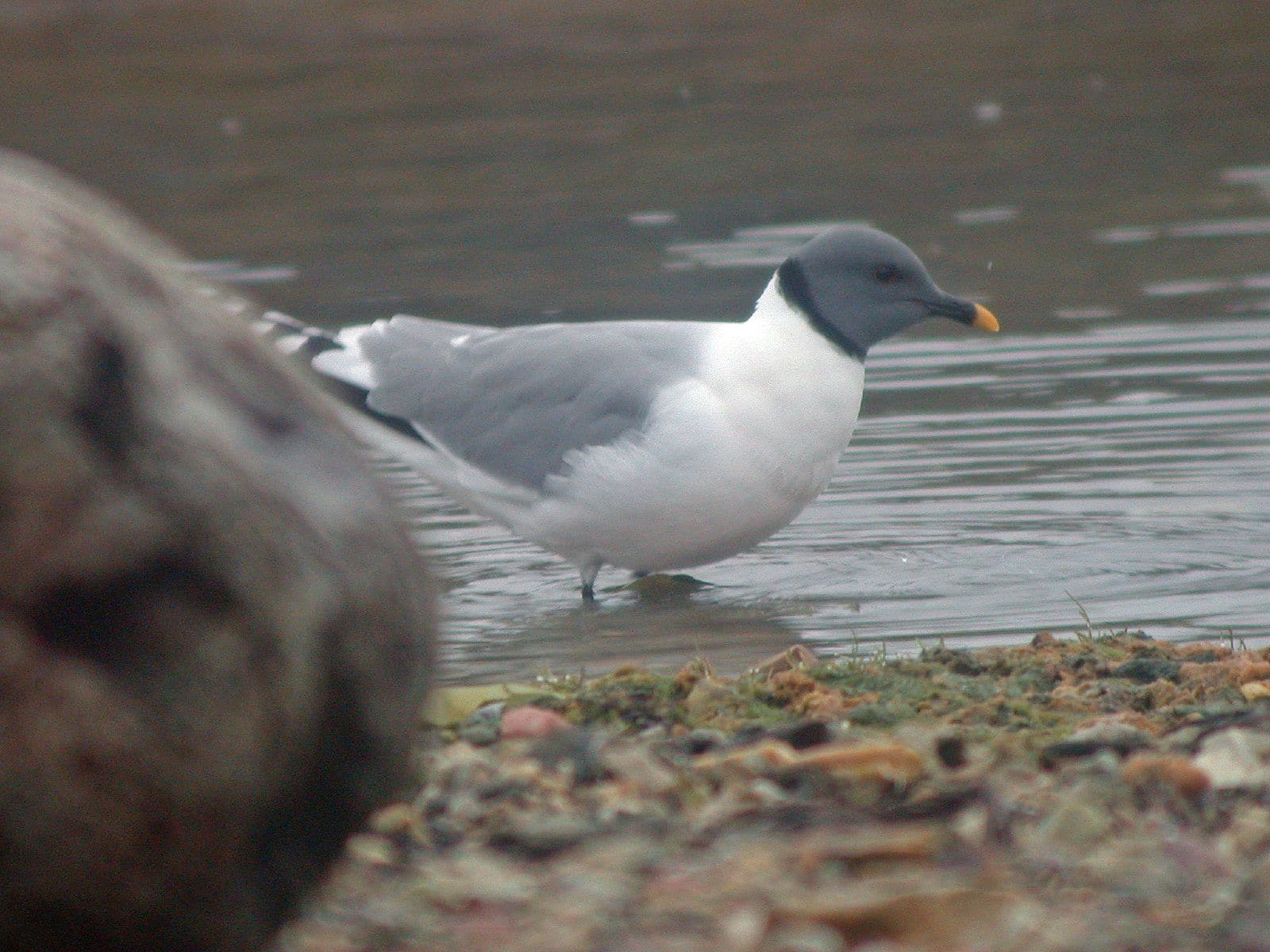
The Xeme, also known as Sabine's Gull, is a charming bird found across Eurasia. It measures between 28 and 33 centimeters (11 to 13 inches) long, making it a delightful medium-sized bird with a playful personality.
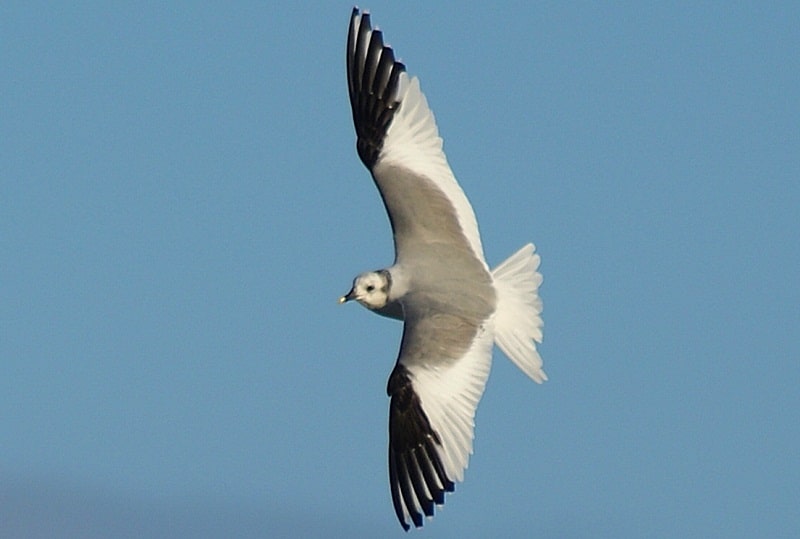
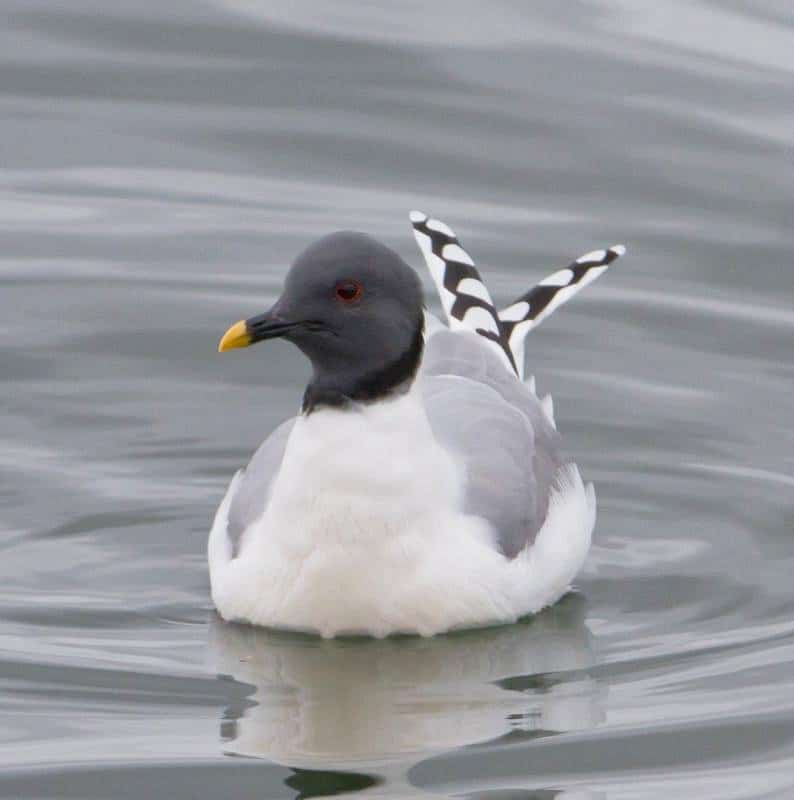
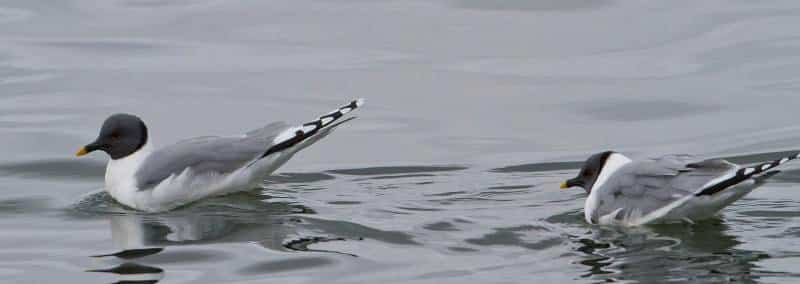
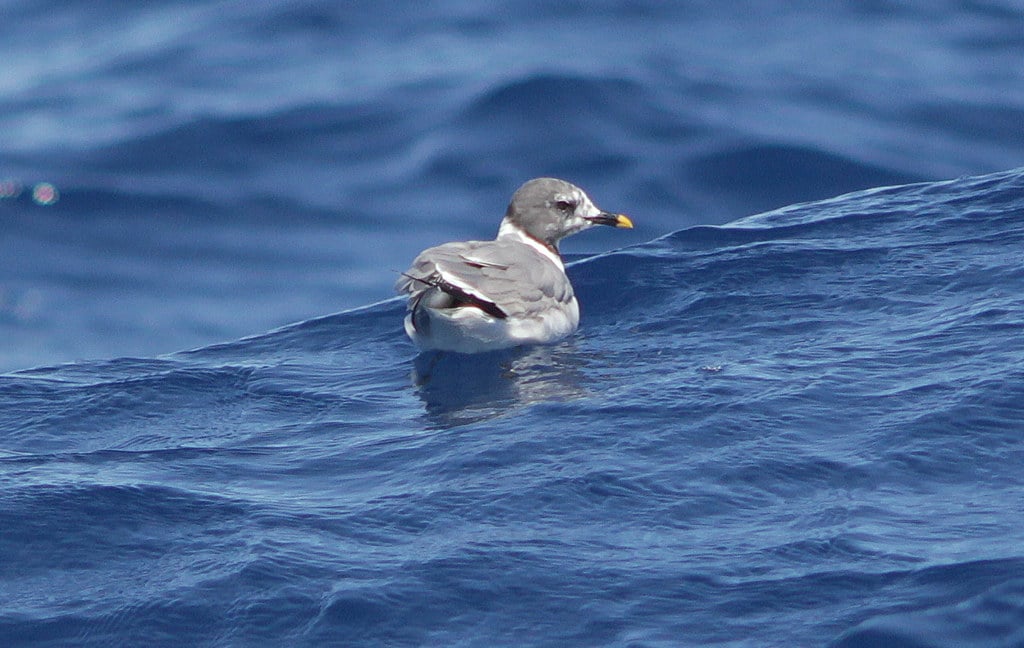
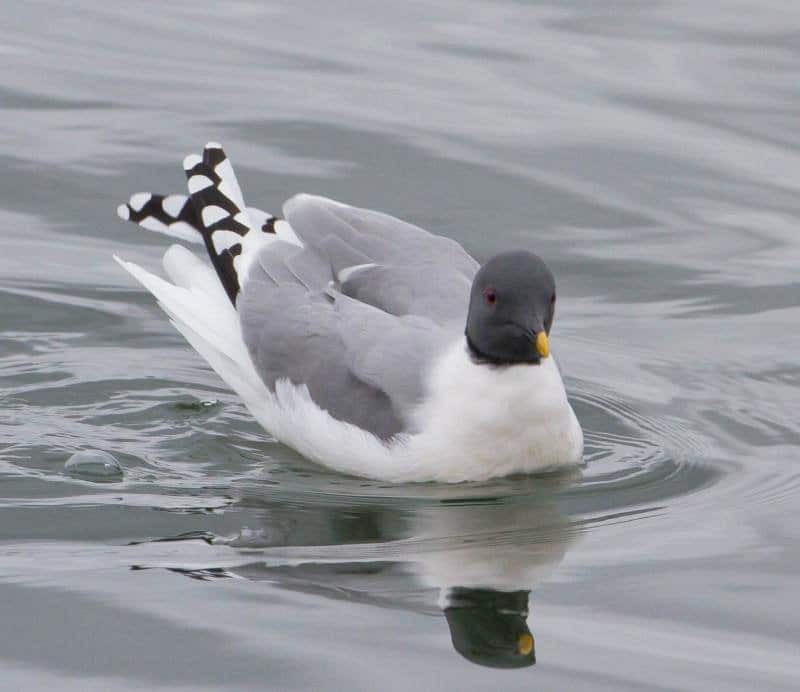
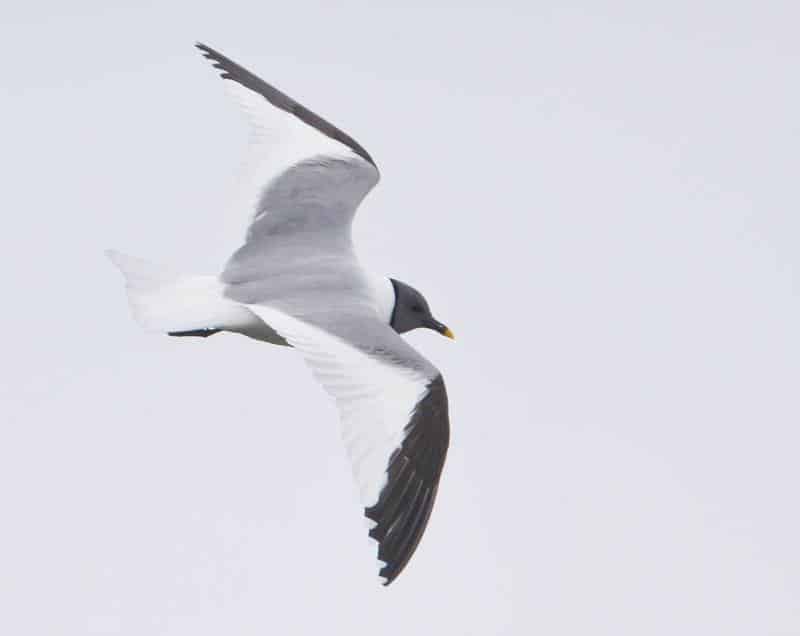
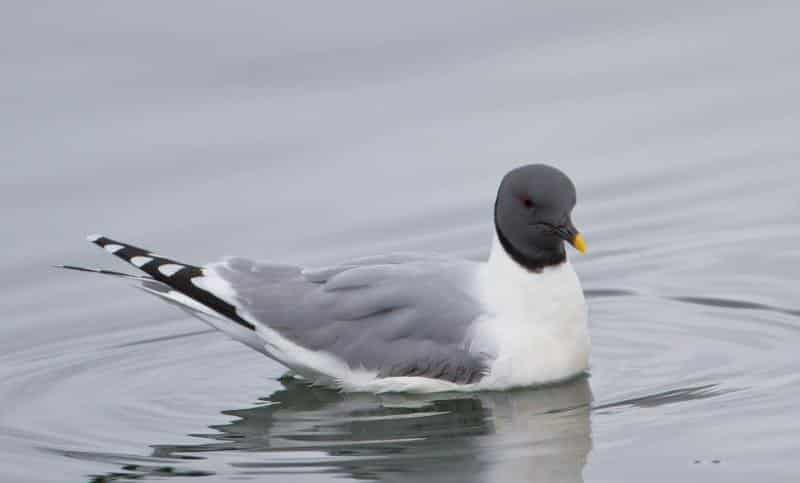
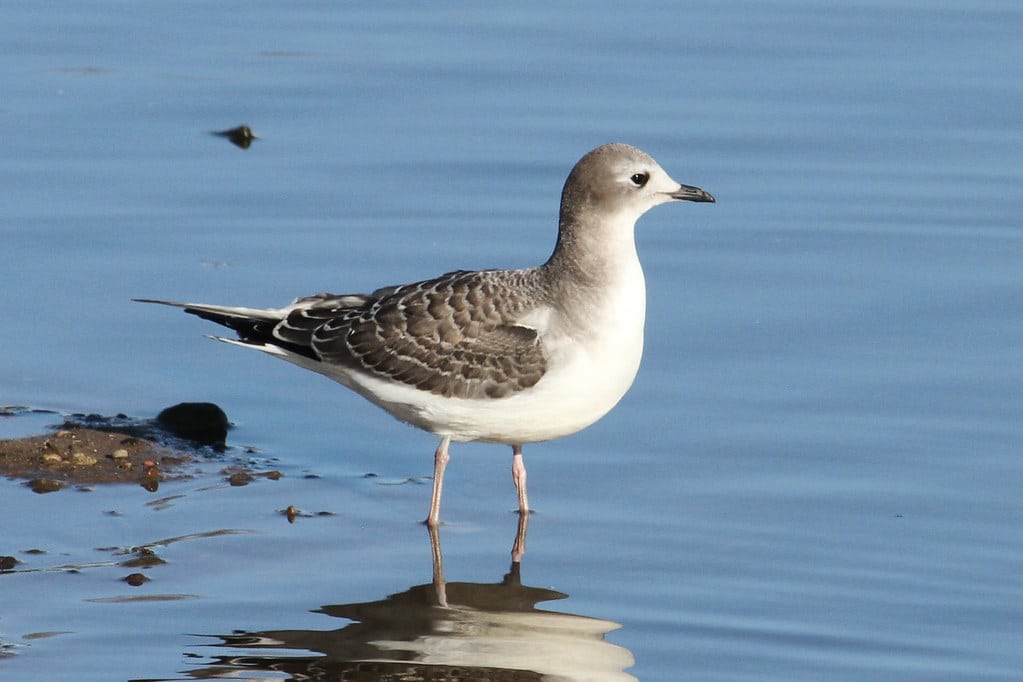
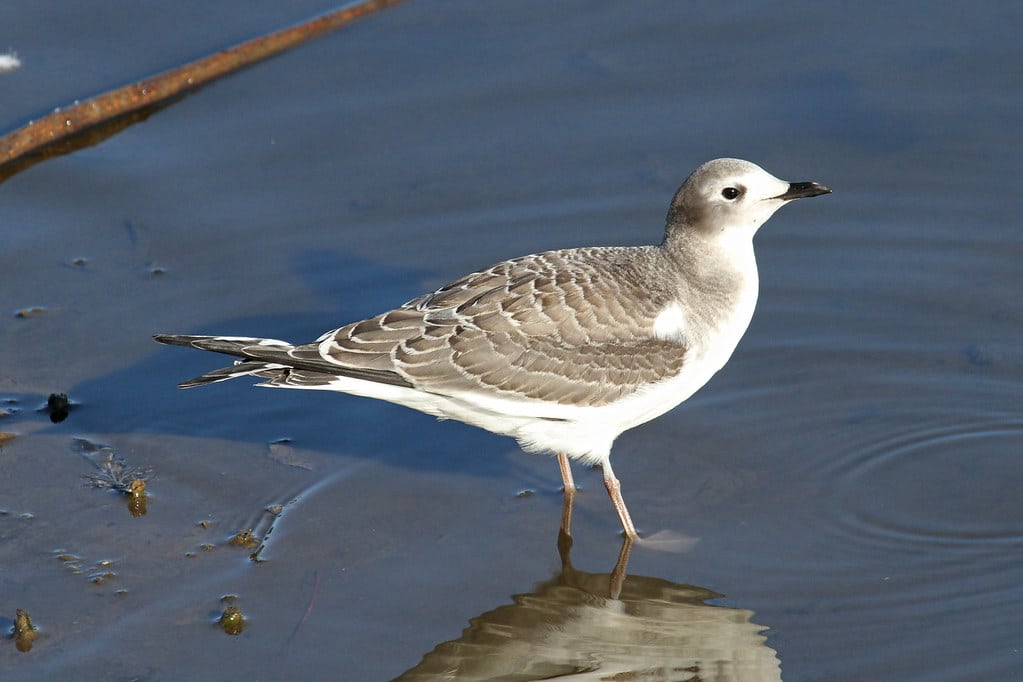
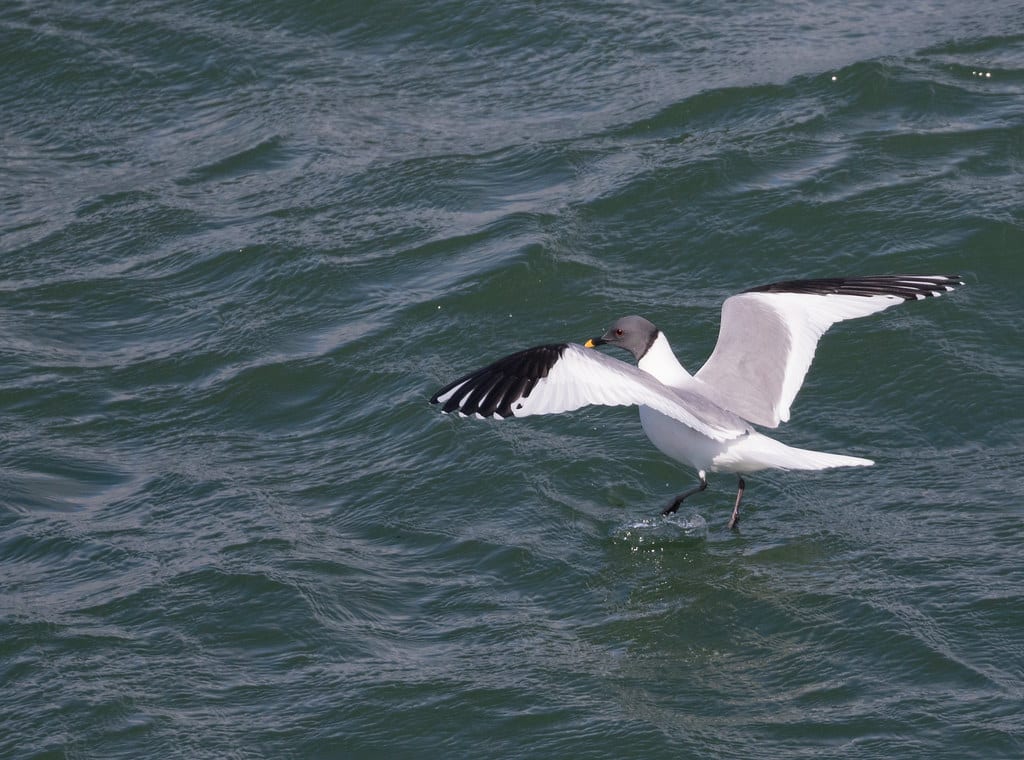
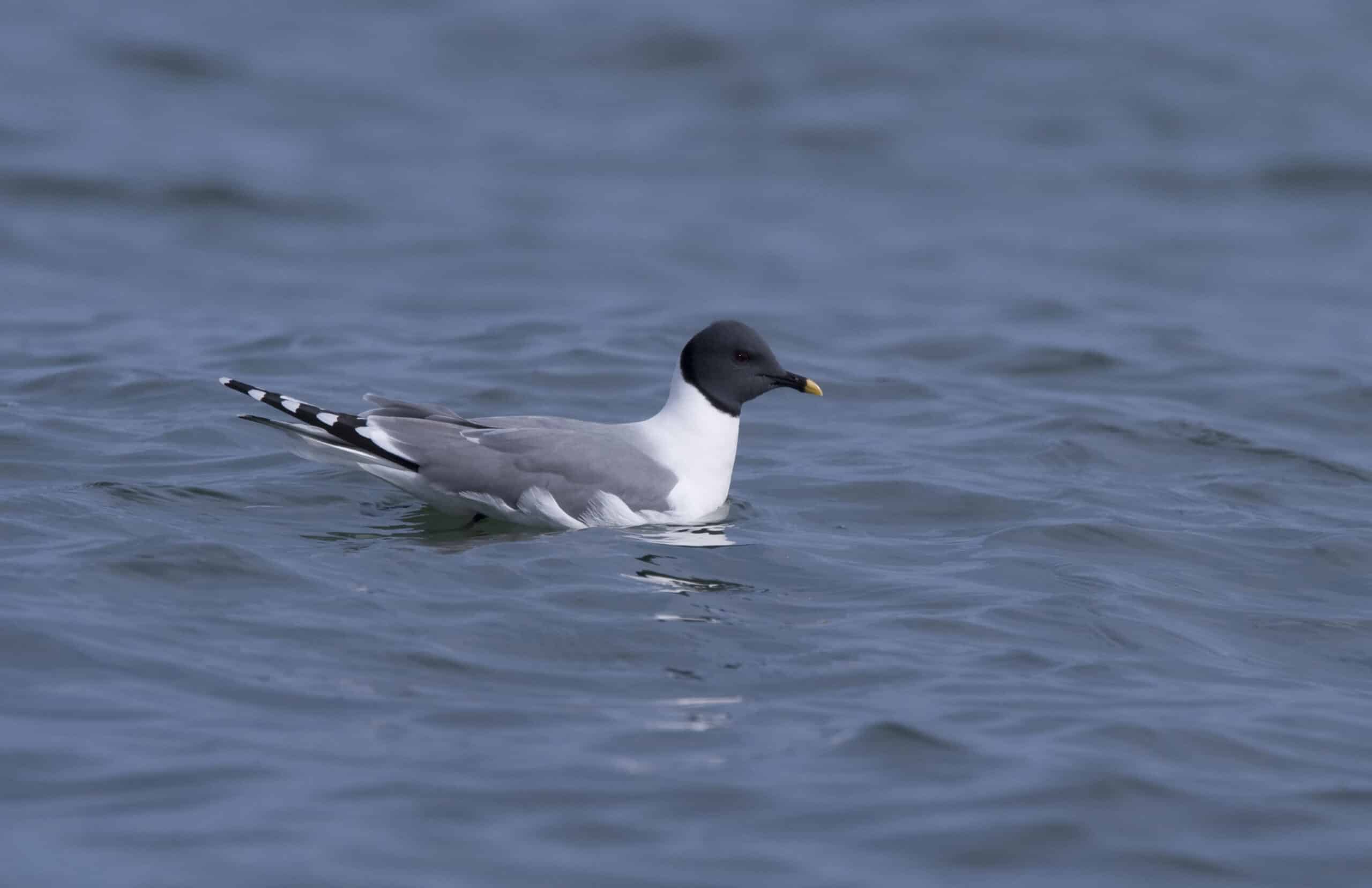
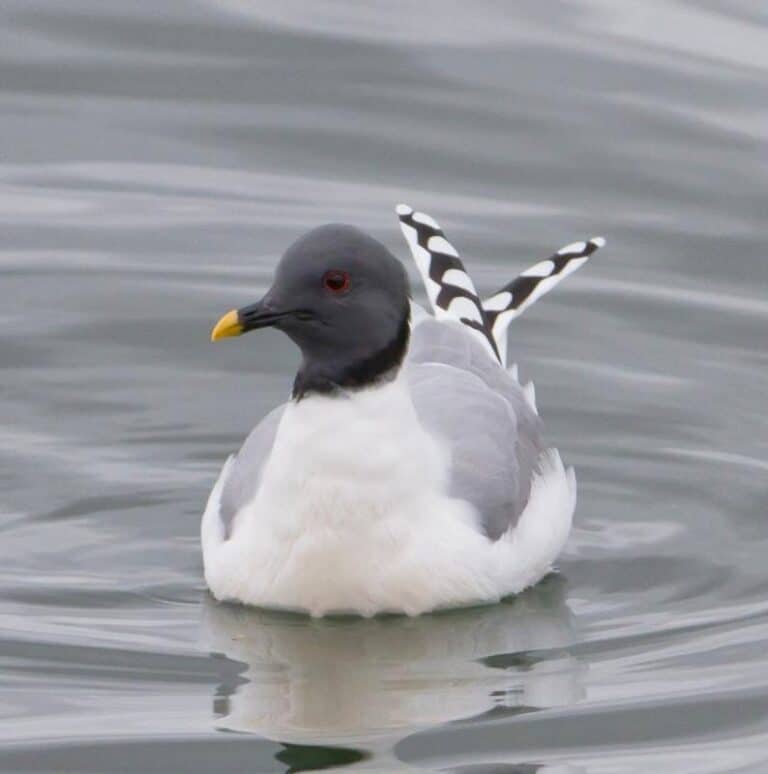
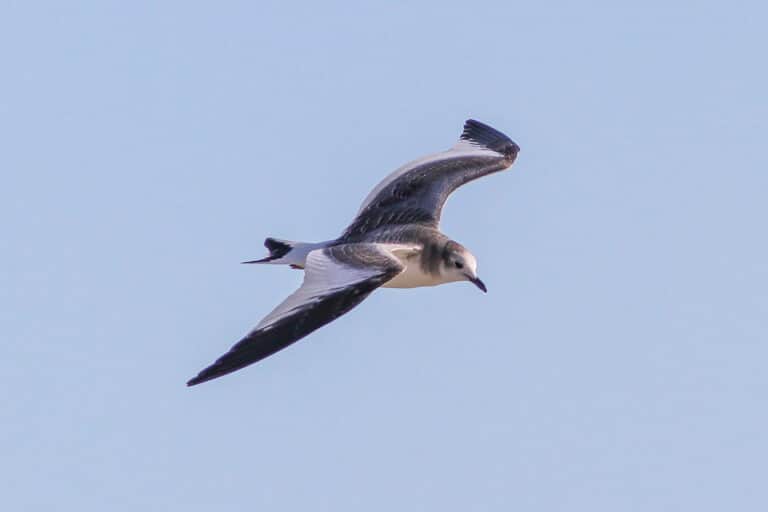
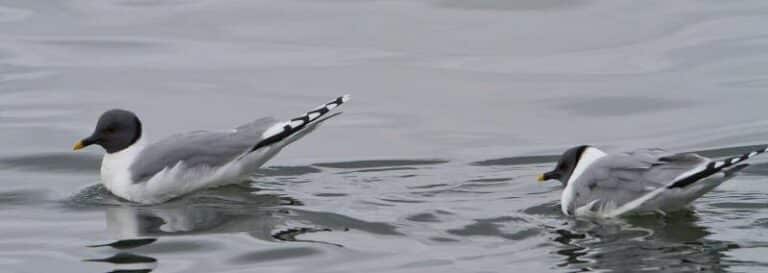
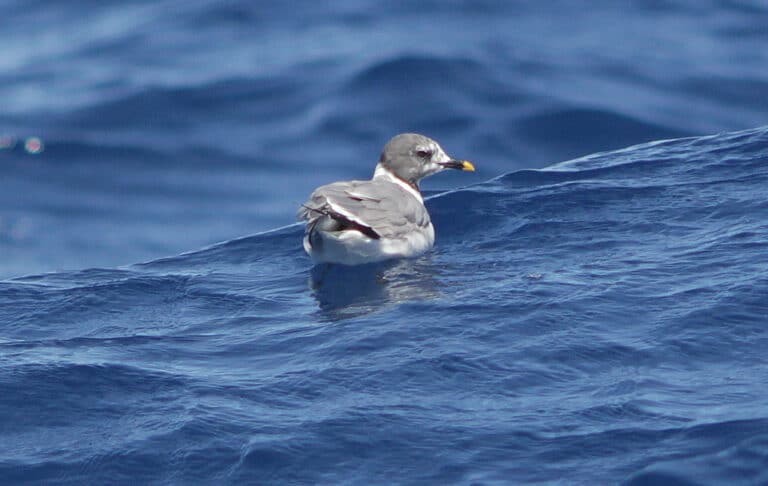
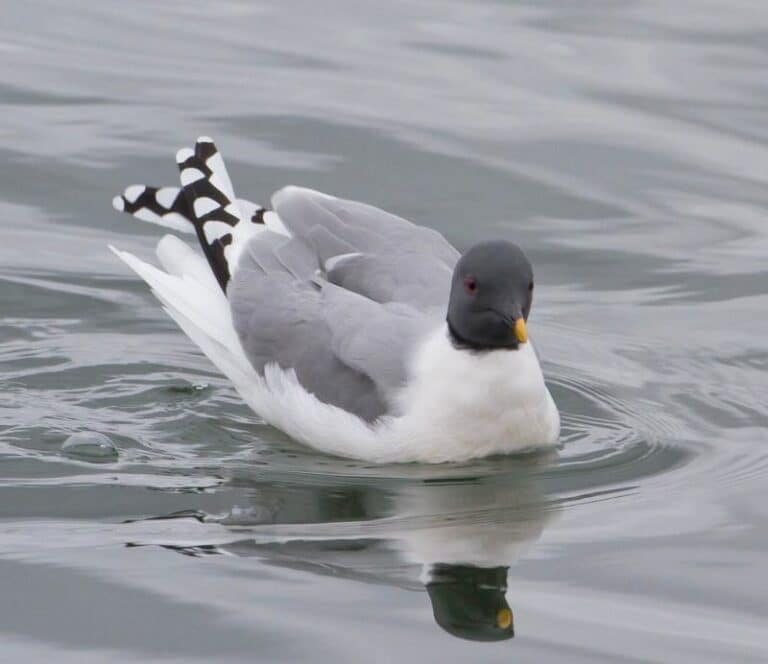
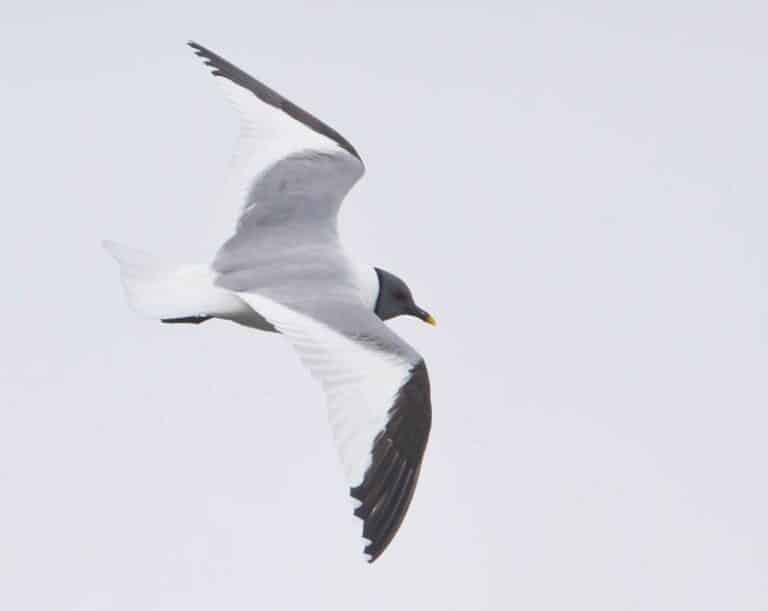
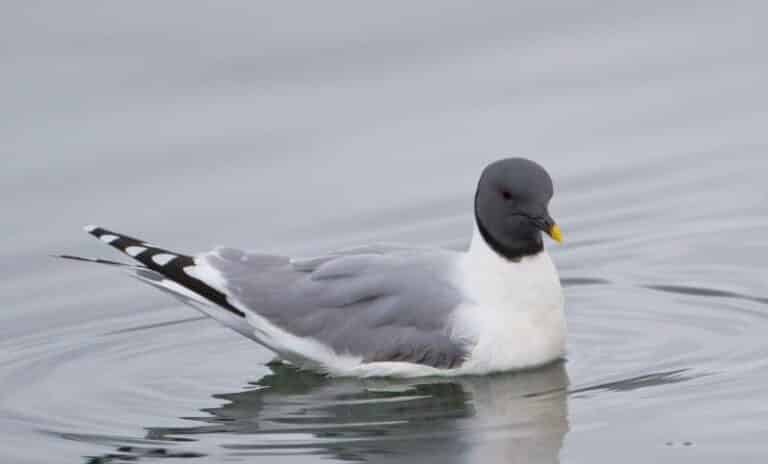
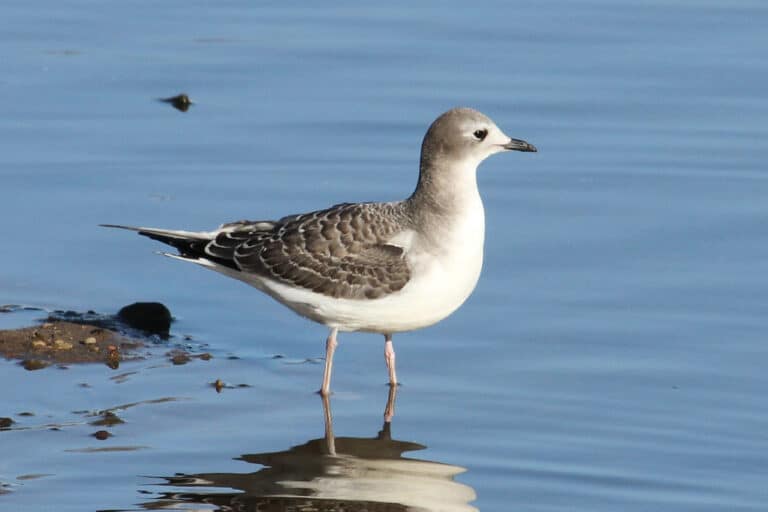
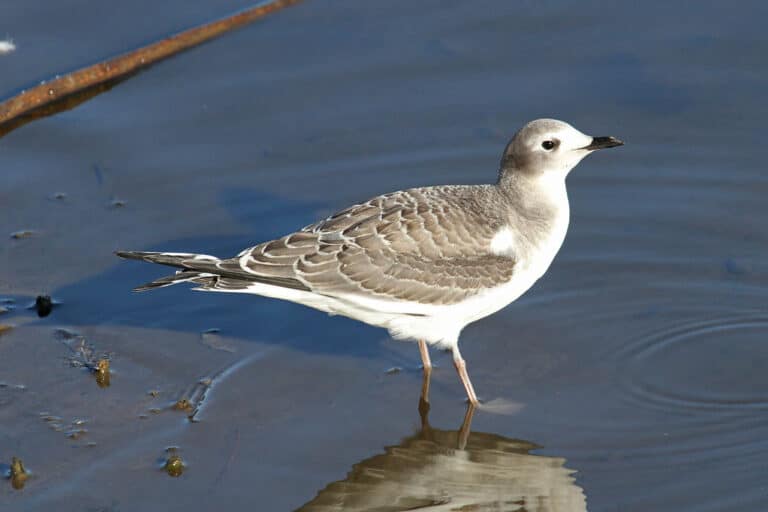
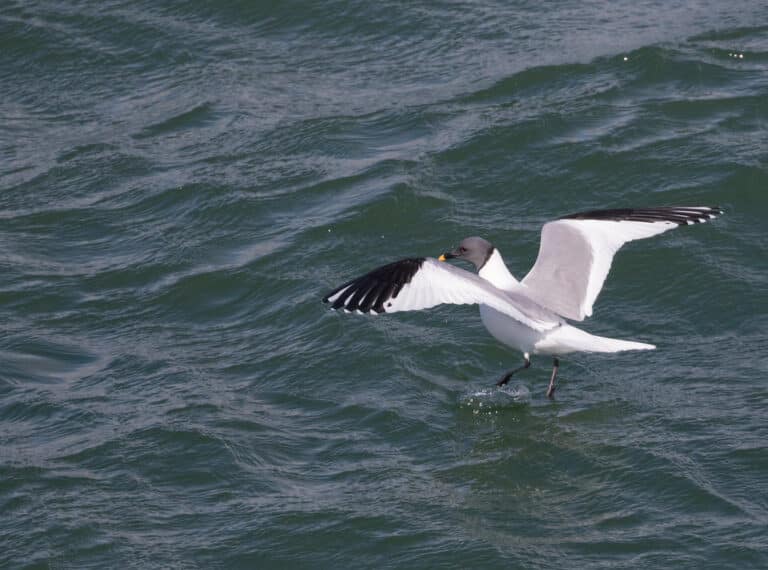
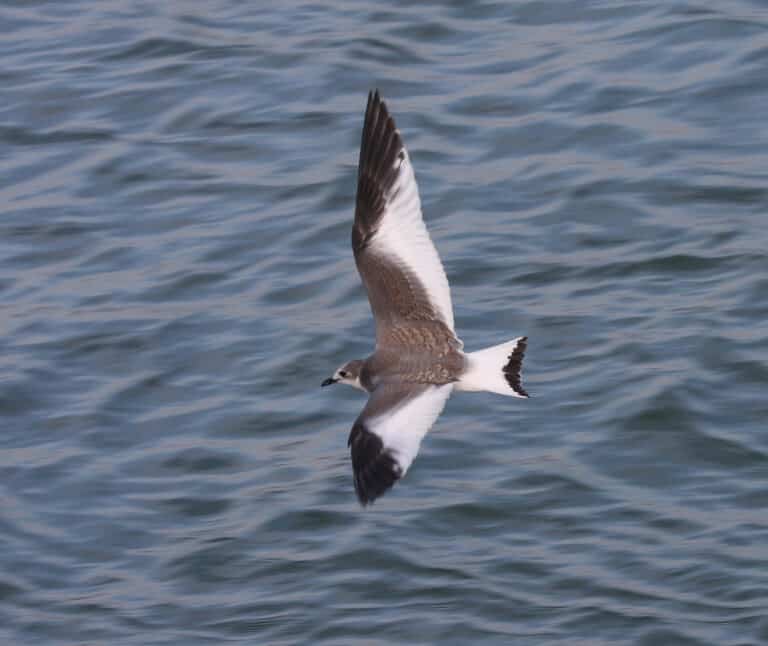
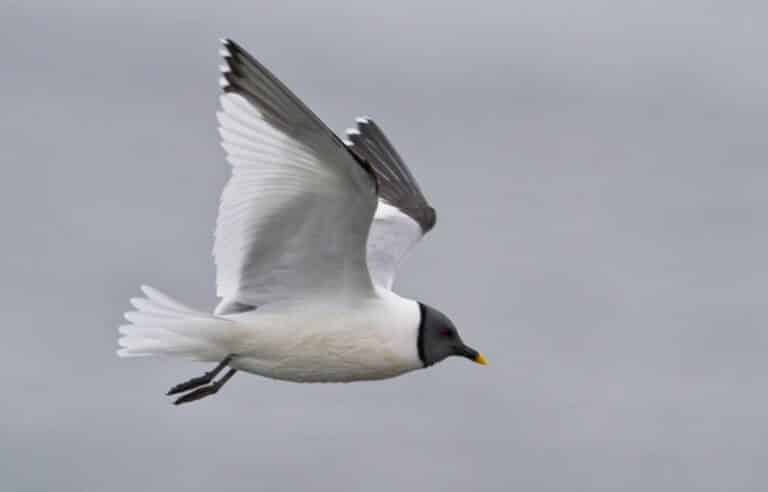
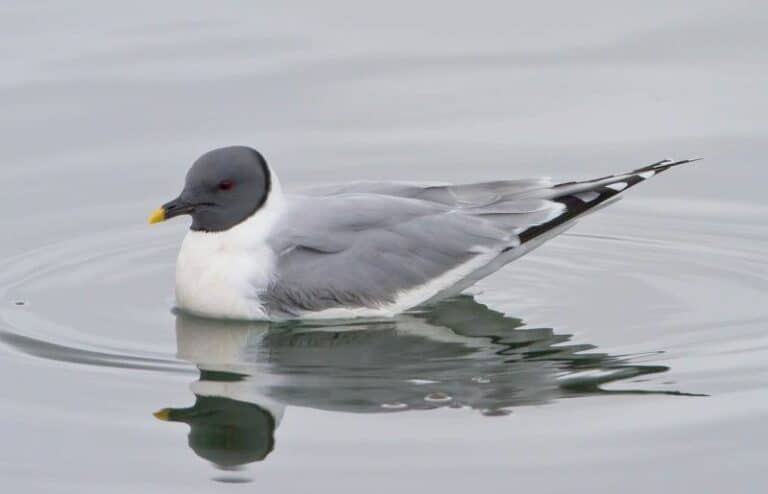
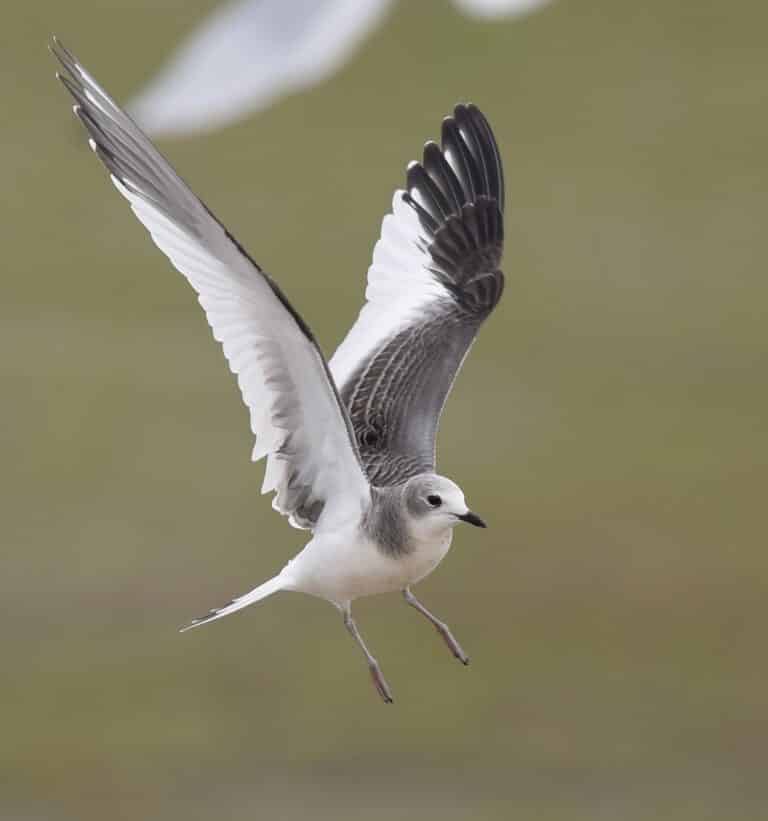
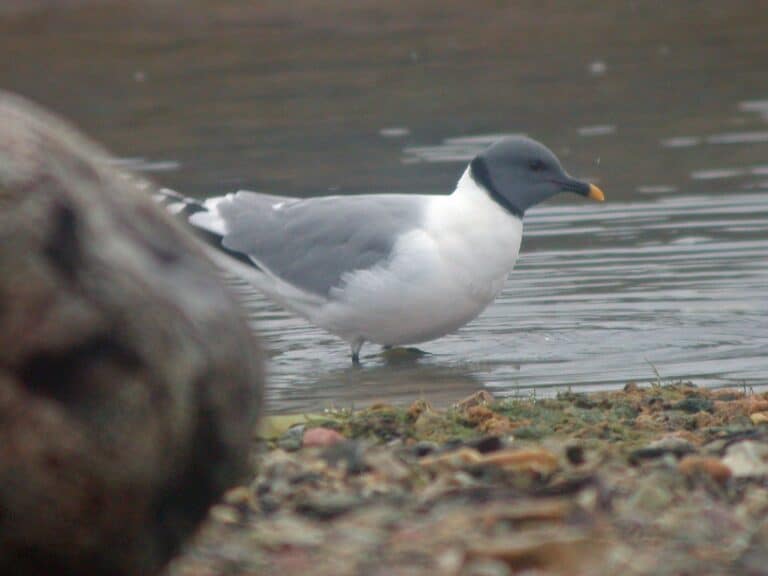
These gulls wear a chic outfit of gray and white feathers, complete with a stylish black cap on their heads. They are not just fashion icons; they are skilled fliers, often swooping gracefully over water as they search for food.
The diet of the Xeme consists of fish, insects, and crustaceans, making them a true buffet lover. They use their keen eyesight to spot tasty treats while gliding above the waves, and then they dive in for a meal like a pro fisherman.
Sabine's Gulls breed in the Arctic, where they are known for their synchronized aerial displays during courtship. After building nests on the ground, the parents take turns incubating the eggs, showing a strong sense of teamwork and family.
With a lifespan of 10 to 15 years, these playful birds enjoy a good long ride on the winds of life. Who wouldn't want a life full of sun, surf, and plenty of delicious snacks on the menu?

Where can you find a Xeme (Sabine’s Gull) in the wild?
What does a Xeme (Sabine’s Gull) eat?
How big can a Xeme (Sabine’s Gull) grow?
How long does a Xeme (Sabine’s Gull) typically live?
What is the conservation status of the Xeme (Sabine’s Gull)?
What are the main threats to the Xeme (Sabine’s Gull)?
Fun facts
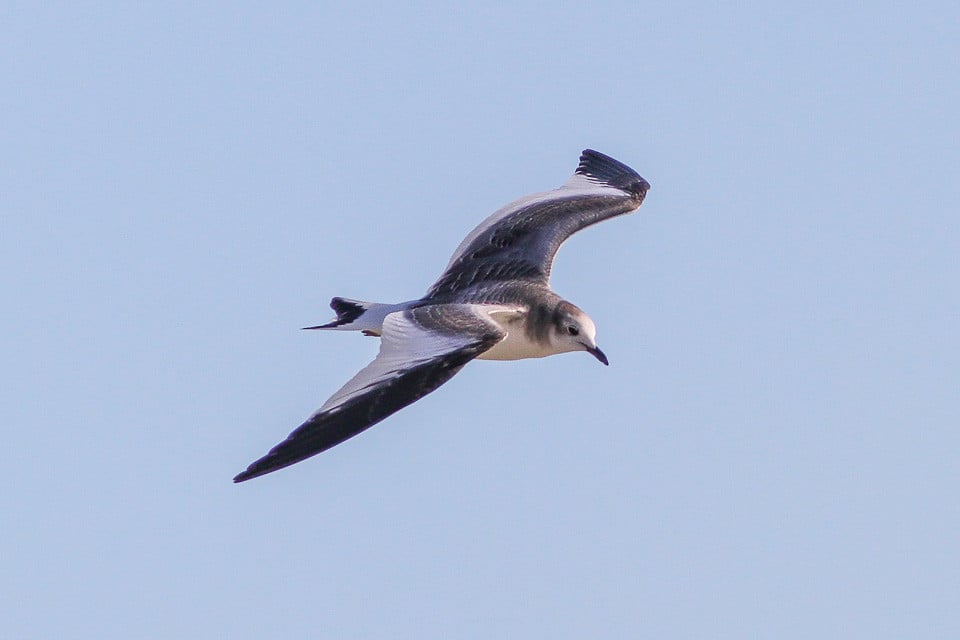
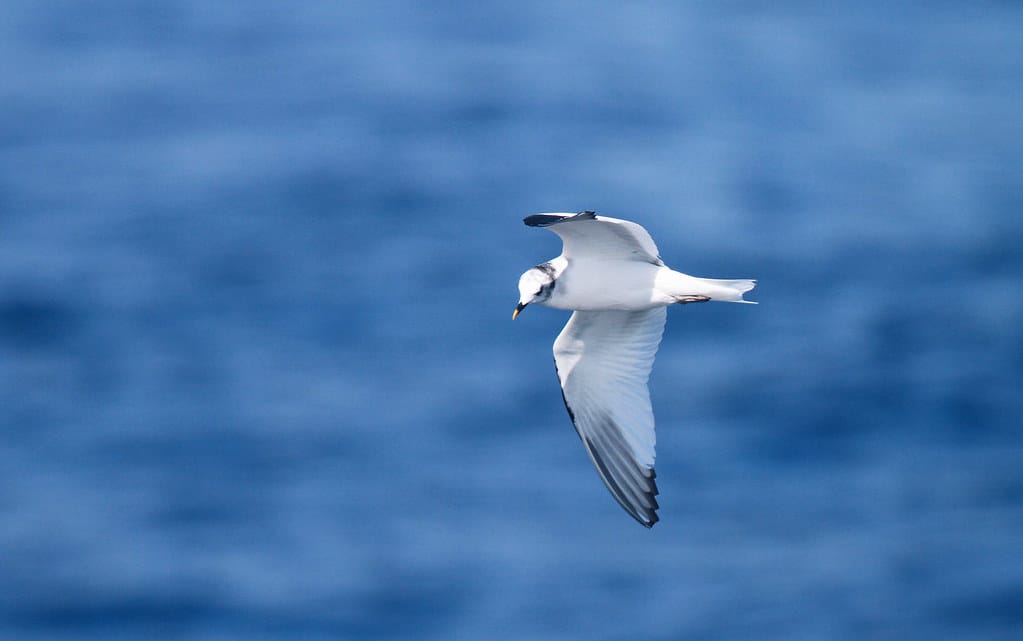
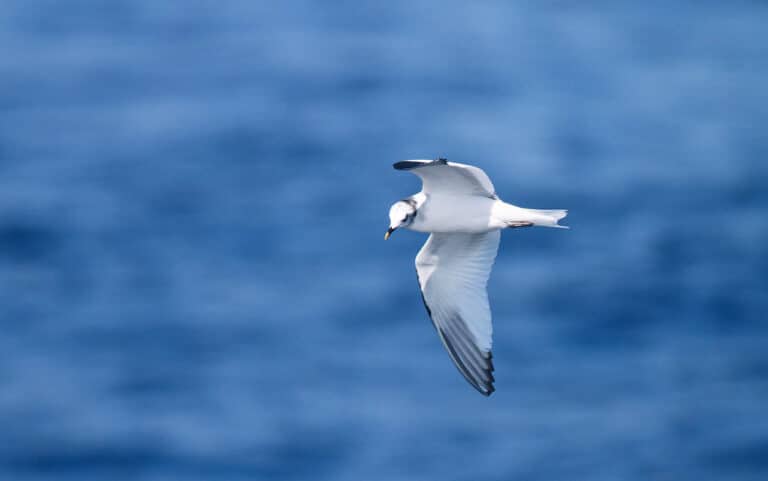
Sabine's Gulls are known for their playful antics while flying. They often engage in aerial acrobatics, diving and swooping through the air, making them one of the most entertaining birds to watch!


These feathered friends have a special way of communicating. They use a variety of calls, from soft murmurs to sharp whistles, to chat with each other, making their social interactions sound like a cheerful concert!
While flying, Sabine's Gulls can reach impressive speeds of up to 40 kilometers per hour (25 miles per hour). That means they can zip along the coastline like little feathered rockets!
During the breeding season, female Sabine's Gulls build a nest from grass and other vegetation on the ground. They often disguise it with pebbles to help protect their eggs from hungry predators.
Sabine's Gulls are quite the world travelers. They migrate thousands of kilometers from their breeding grounds in the Arctic to warmer coastal regions during winter, making them one of nature's great explorers!
In the air, these gulls can sense the smallest changes in wind, allowing them to ride the currents. It’s like having a sixth sense just for flying, helping them effortlessly glide above the water.
Parents share responsibilities during nesting. Both Mom and Dad take turns sitting on the eggs, demonstrating the power of teamwork in the bird world!
When hunting, Sabine's Gulls can dive from great heights. They expertly plunge into the water with their wings tucked in, creating an impressive splash to catch their next meal.
These gulls boast a specially adapted beak for eating. Their slender, pointed beaks help them easily grab slippery fish and tiny crustaceans, making mealtime a breeze.
The distinctive black cap on their heads gives Sabine's Gulls a stylish look. This feature makes them stand out among other gull species and adds to their charm!
Photos

The Basics


explore more
Amphibians
Arachnids
Birds
Cats
Crustaceans
Fish
Fish Pet Guide
Gastropods
Insects
Invertebrates
Mammals
Pet Fish
Pet Rodents
Plants
Reptiles
Roundworms
Sea Slugs