

Successfully copied to clipboard!
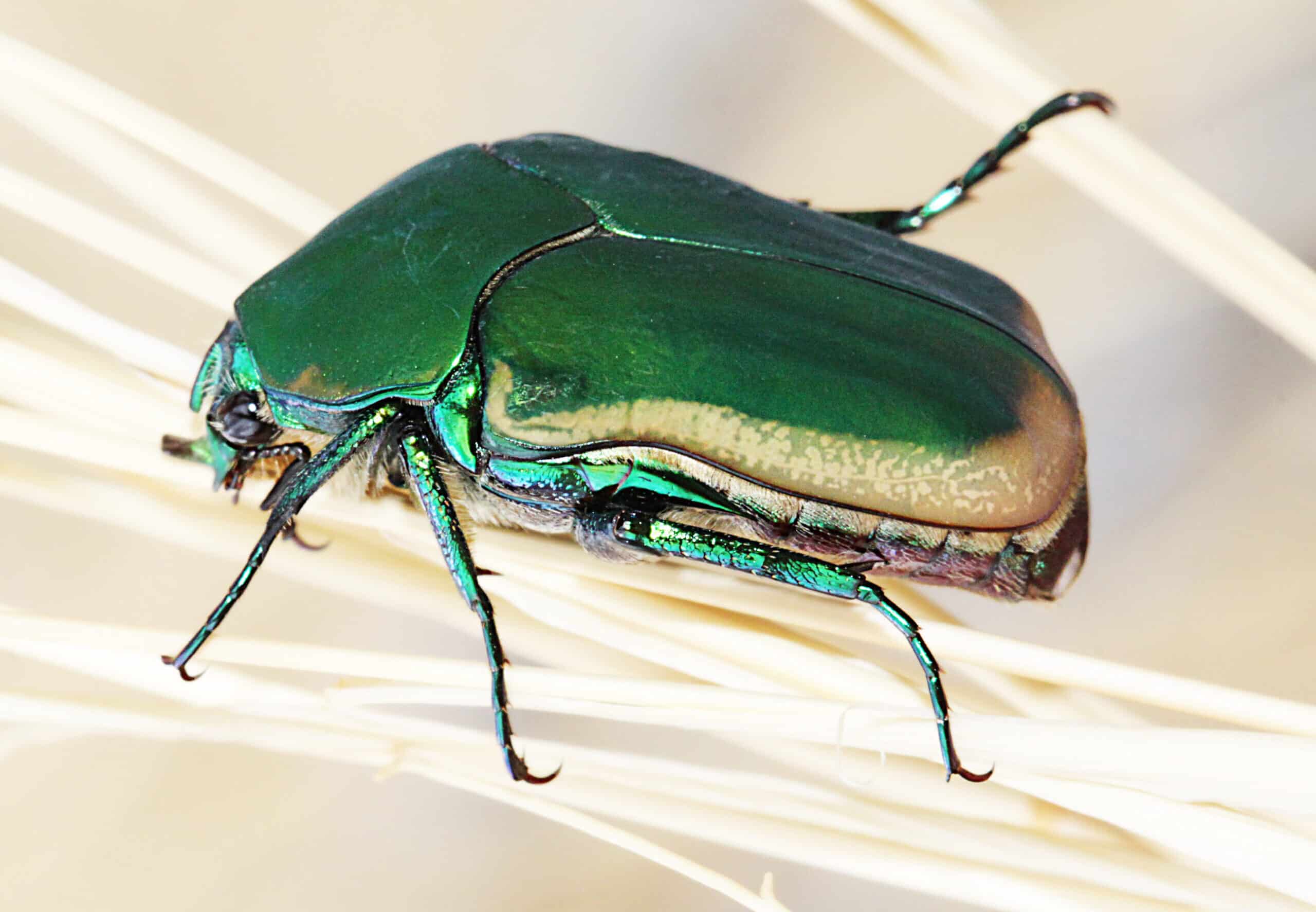
Figeater Beetle
Explore the vibrant world of dazzling garden party guests!
Let’s Explore
Overview
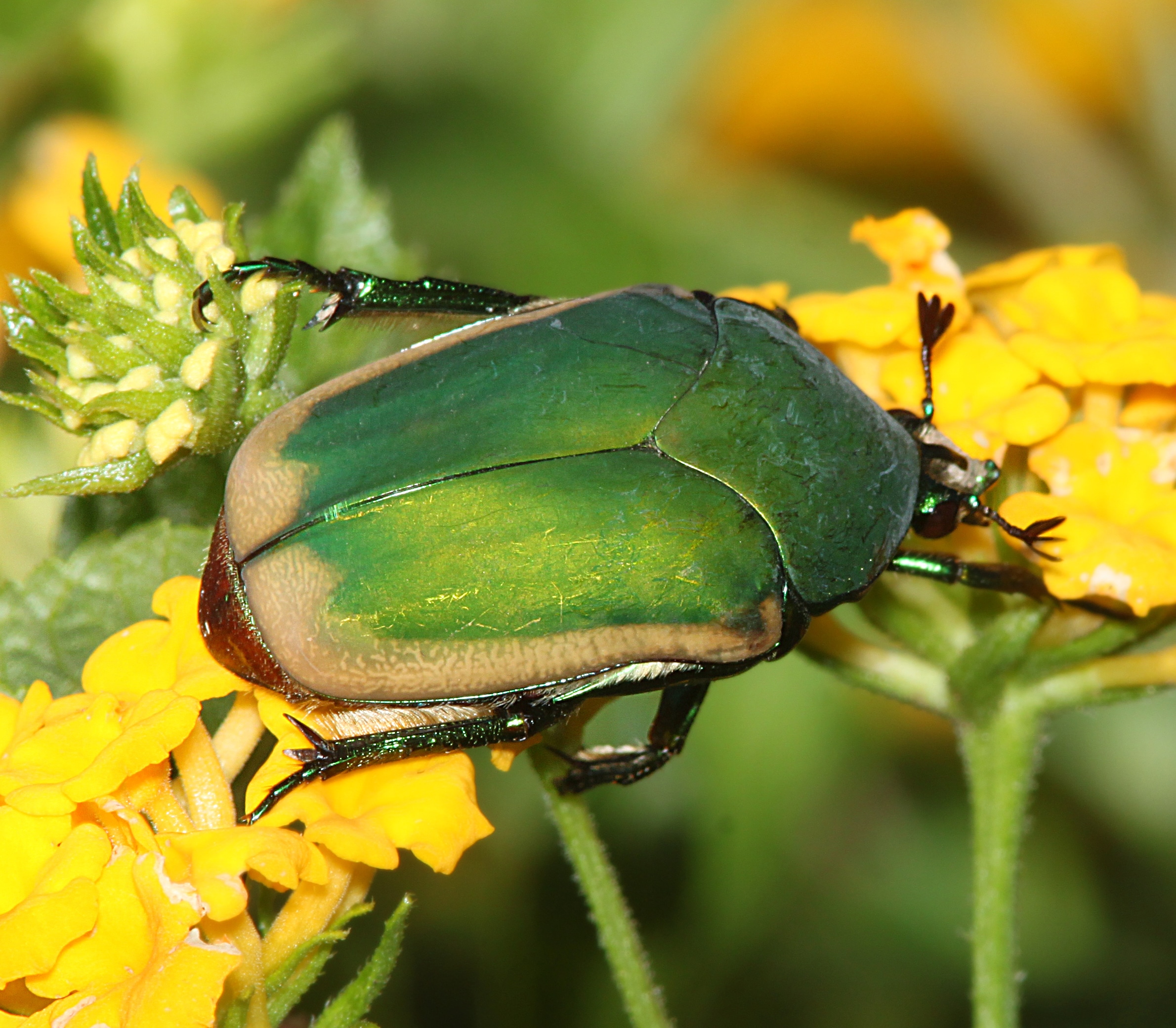
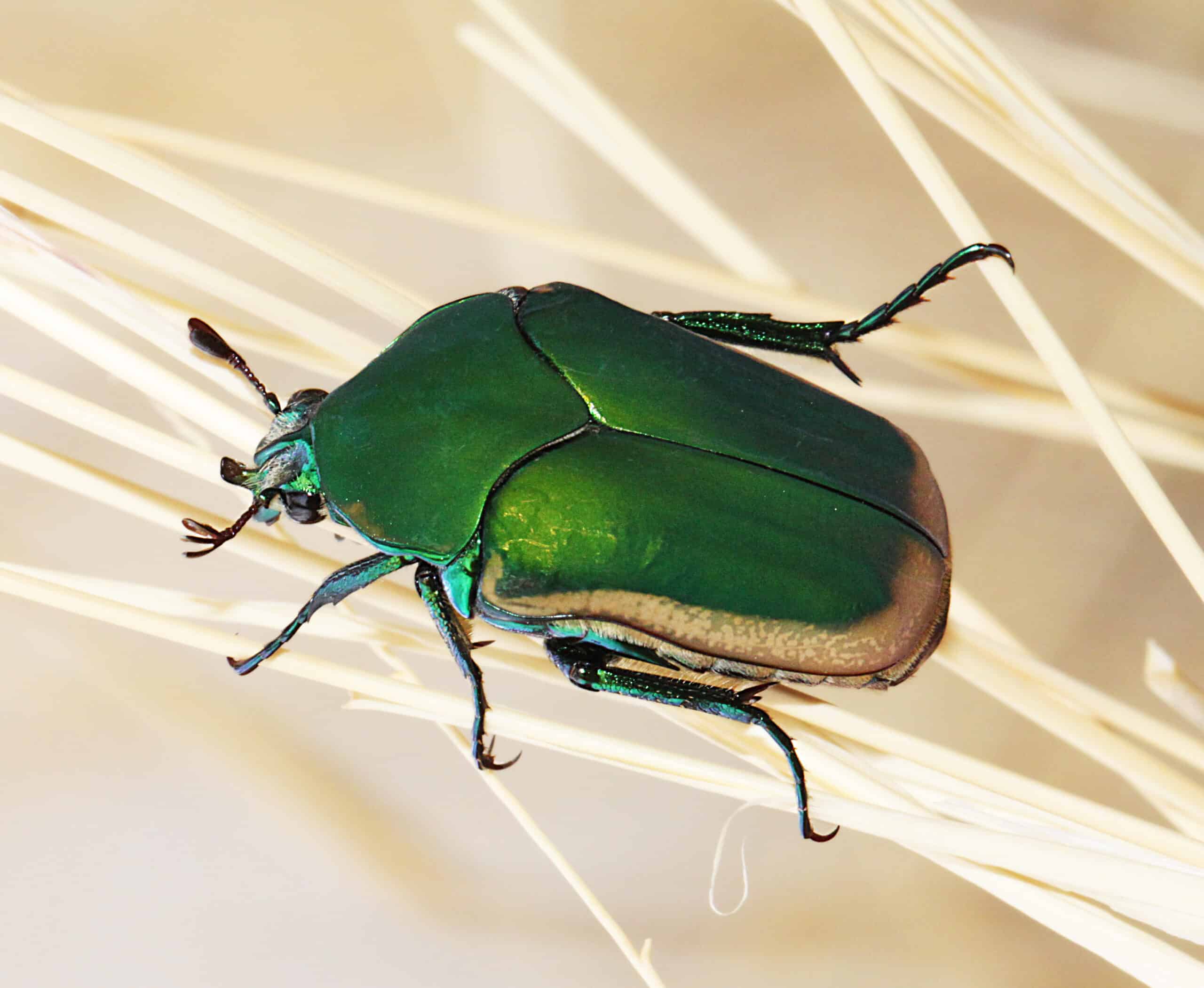
The Figeater Beetle, known scientifically as Cotinis mutabilis, is a bright and colorful insect that brings a pop of fun to the gardens of North America. These beetles typically measure about 2.5 to 3.2 centimeters (1 to 1.25 inches) long, showing off their striking green and gold hues.
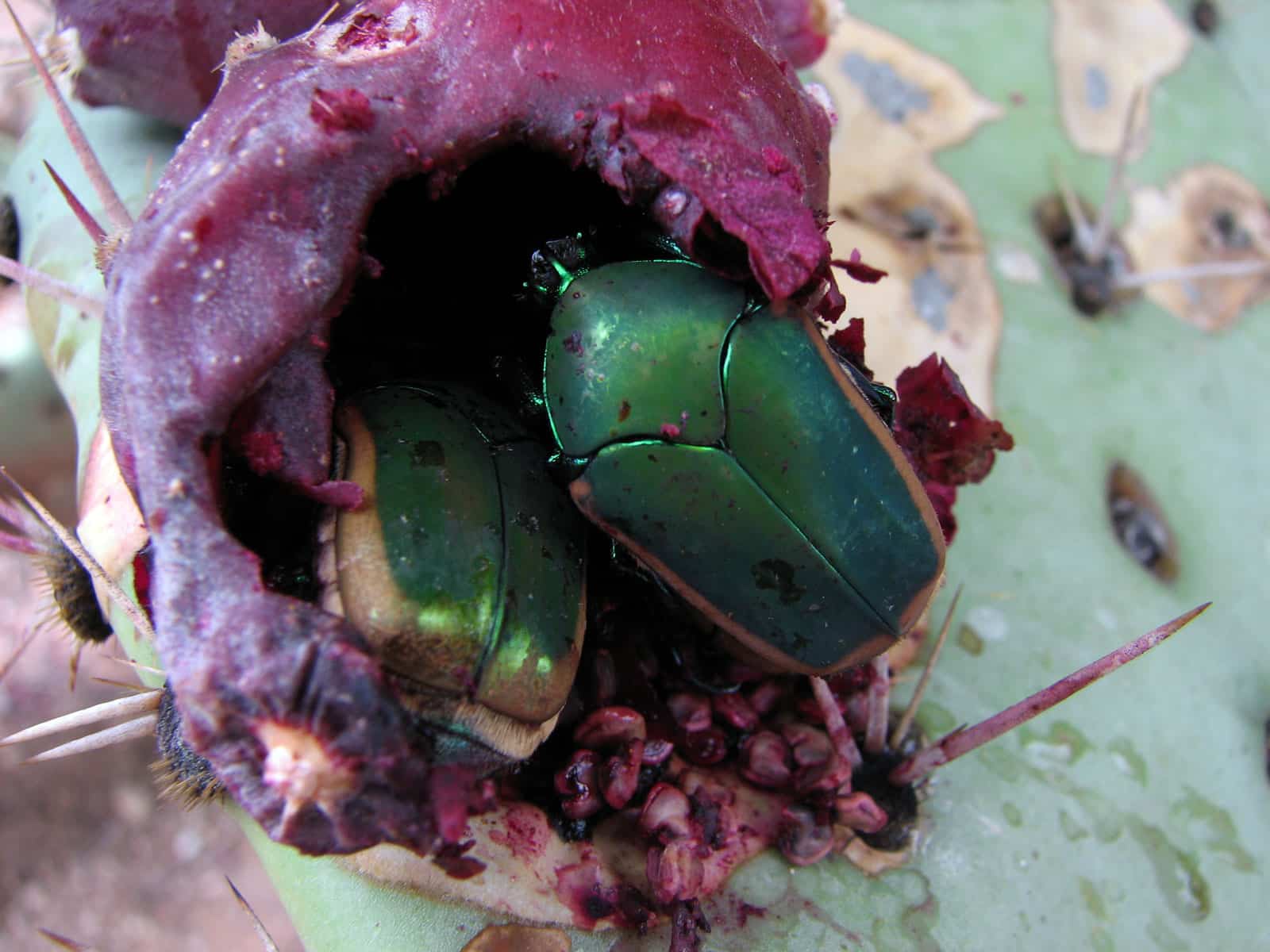
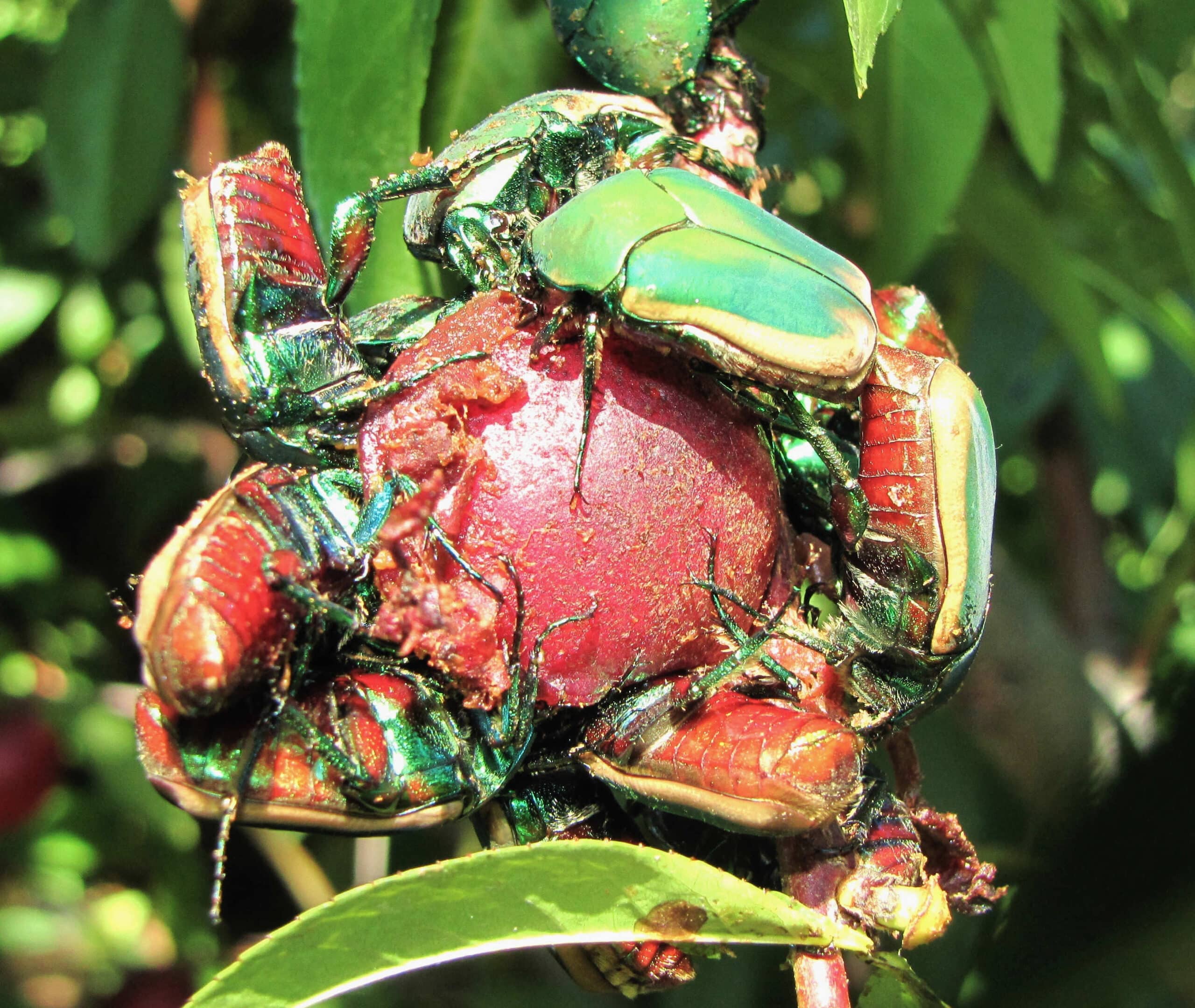
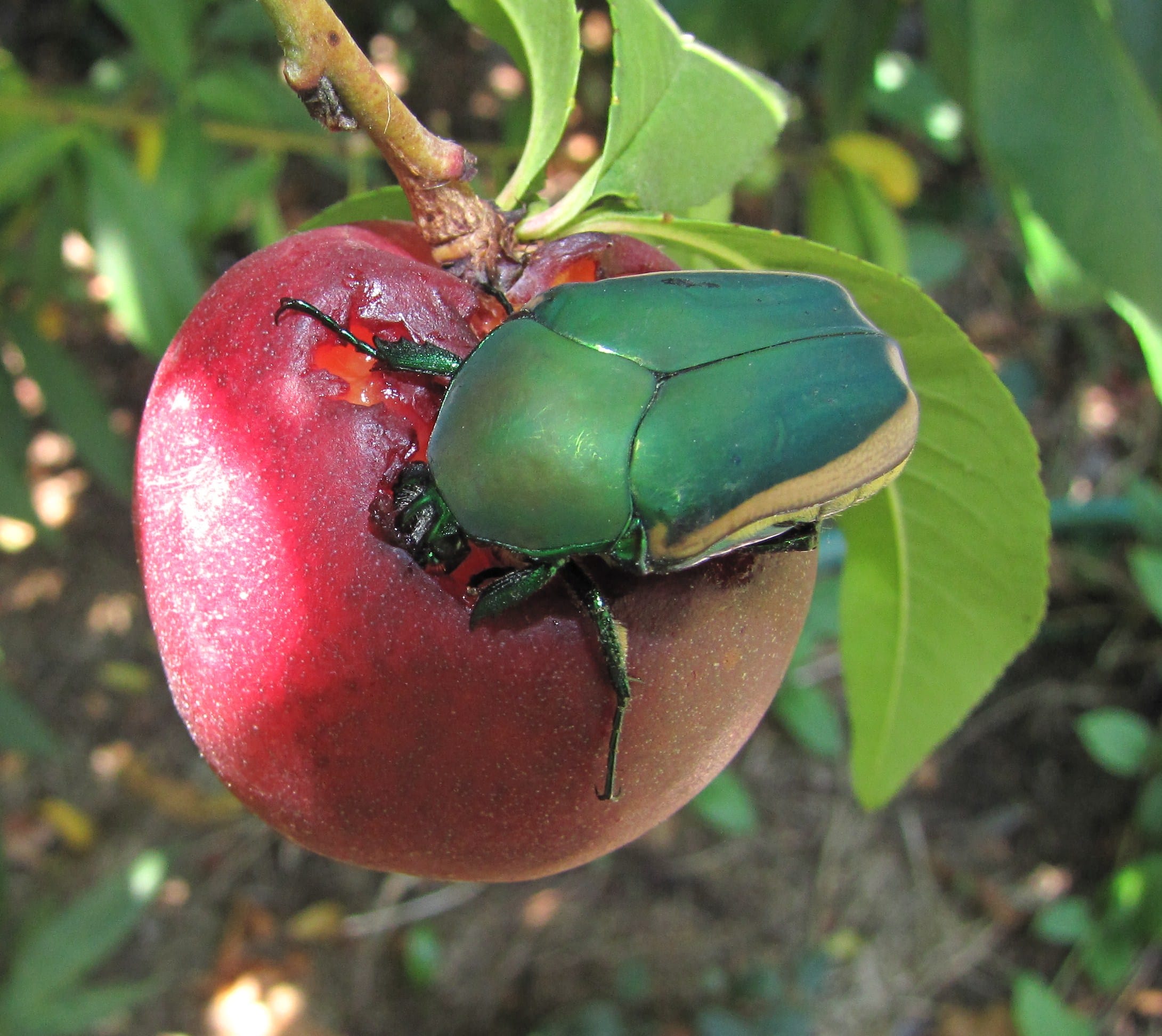
Figeater Beetles love to munch on juicy, ripe fruits like figs, peaches, and grapes. With a diet that sounds like a summer picnic, these beetles help spread seeds as they feast, playing a vital role in plant growth!
Life as a Figeater Beetle isn’t too long, lasting around 4 to 6 months. In that time, they work hard to enjoy snacks and lay eggs, ensuring there will be future beetles to keep the party going!
These beetles belong to the order Coleoptera and the family Scarabaeidae. With over 350,000 other beetle species in the world, they certainly have some colorful company!
Figeater Beetles have a shiny exterior that makes them easy to spot. Their dazzling colors can even fool potential predators, helping them stay safe while they search for delicious fruits.
Next time you see a Figeater Beetle, remember they are more than just colorful insects. They are essential members of the garden crew, ensuring nature's cycle of life continues with every tasty bite!

Where can you find a Figeater Beetle in the wild?
What does a Figeater Beetle eat?
How big can a Figeater Beetle grow?
How long does a Figeater Beetle typically live?
What is the conservation status of the Figeater Beetle?
What are the main threats to the Figeater Beetle?
Fun facts
Figeater Beetles love to party on ripe fruits and enjoy making messes, sometimes leaving behind tiny holes in fruits as they munch away, like little nature chefs!


These beetles have spectacular shimmering colors that can change in sunlight, helping them blend in with leaves while they sneak a snack.
During a warm summer day, Figeater Beetles make a buzzing sound that resembles a tiny lawnmower revving up while they zoom around looking for their favorite fruits!
While larvae munch on decaying plant matter in the soil, they help recycle nutrients back into the earth, acting like nature's best gardeners!
These beetles belong to a huge family of scarabs that includes the famous dung beetle, reminding us that not all beetles are glamorous, but they all play a part in the ecosystem!
Figeater Beetles thrive in warm climates, but when temperatures drop, they can enter a hibernation-like state, just like a cozy winter nap!
While munching on fruits, Figeater Beetles can accidentally drop seeds, helping new plants to grow in unexpected places – they are like little farmers in disguise!
Some cultures consider Figeater Beetles a good luck charm, believing their bright colors bring happiness and prosperity to gardens!
When threatened, Figeater Beetles can play dead, rolling over and staying completely still, hoping to escape the notice of hungry predators!
Some people keep Figeater Beetles as pets, providing fresh fruits and a warm garden to enjoy, proving that these colorful insects can be delightful companions!
Photos

The Basics


explore more
Amphibians
Arachnids
Birds
Cats
Crustaceans
Fish
Fish Pet Guide
Gastropods
Insects
Invertebrates
Mammals
Pet Fish
Pet Rodents
Plants
Reptiles
Roundworms
Sea Slugs
